By Anh Nguyen | Fundraising officer
No electricity, based in the middle of nowhere, and as remote as the end of the world. This is the place that Nam comes from, a small village of 22 H’Mong families in Dien Bien province.
Being unconnected with the national power network, Nam’s parents have a temporary micro-hydro plant, that utilizes the water flow from the stream near their house and made of raw materials collected within the village. Electricity generated and conserved all day long is just enough for running basic appliances for a short time, such as lights or a TV - the only thing that connects them to the other parts of the world.
This is being considered as an industrial revolution for adults in the village who had lived in the dark for decades. However, it is not enough at all for curious children growing up in the generation of information technology like Nam.
“When I was a typical kid, being passionate about superman characters, my cousin and I watched these shows on TV for hours in day time,” Nam smiles, remembering this funny memory from his childhood. “When my parents came back from farming, there was no electricity left for lighting the house and cooking dinner.”
Life without electricity is very difficult. It has held his village back from the world.
Young people in the village at Nam’s age do not have many opportunities. Many of them choose to get married early and give birth at sixteen, or earlier. The cycle of disadvantage repeats generation after generation.
“We have so far lived hard on farming,” Nam says. “We do not even have sufficient soil for crops in that rocky mountainous land.”
Yet, Nam always believed that there must be pathways for himself and villagers to escape the cycle of disadvantage. He, therefore, left the village and registered in the 3D course at REACH in September 2020. He wanted to be a good example for his community in creating life changes.
“I really wish my community will have better living conditions, and the children will be better educated,” he says.
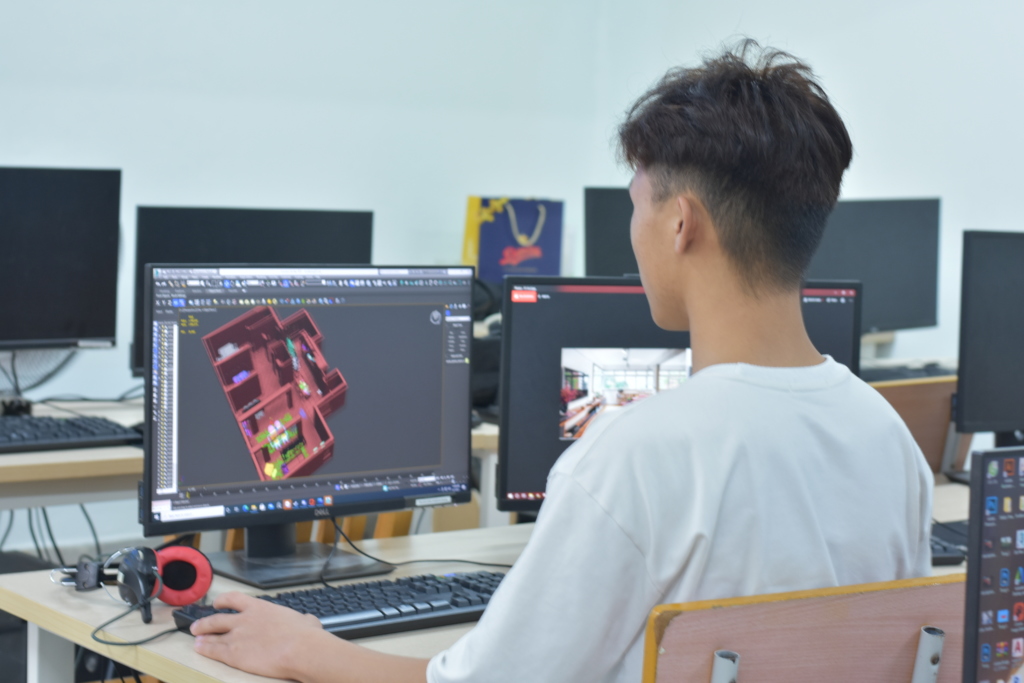
The desire and determination to change has helped Nam overcome many challenges he faced in the training as well as the first time he lived independently in a big city. It has been six months, and from a person who had never used a computer before, he is now able to draw lively and colorful 3D graphics easily with a mouse and a keyboard. He has some of the most wanted skills and is ready to join the IT workforce.
Talking about his community, Nam hopes one day in the near future, his village will be connected with an electricity network so he can set up a business in his hometown and create jobs for young people in his remote community just like him.
In Viet Nam, there are about 9 million people living under extreme poverty (WB, 2018). The majority of them fall in ethnic minority communities that are based in rural and remote areas. Poverty, underdeveloped education conditions, and a high prevalence of unemployment and underemployment has created a number of problems for youth in these communities. These include school dropouts, child marriage, and human traficking.
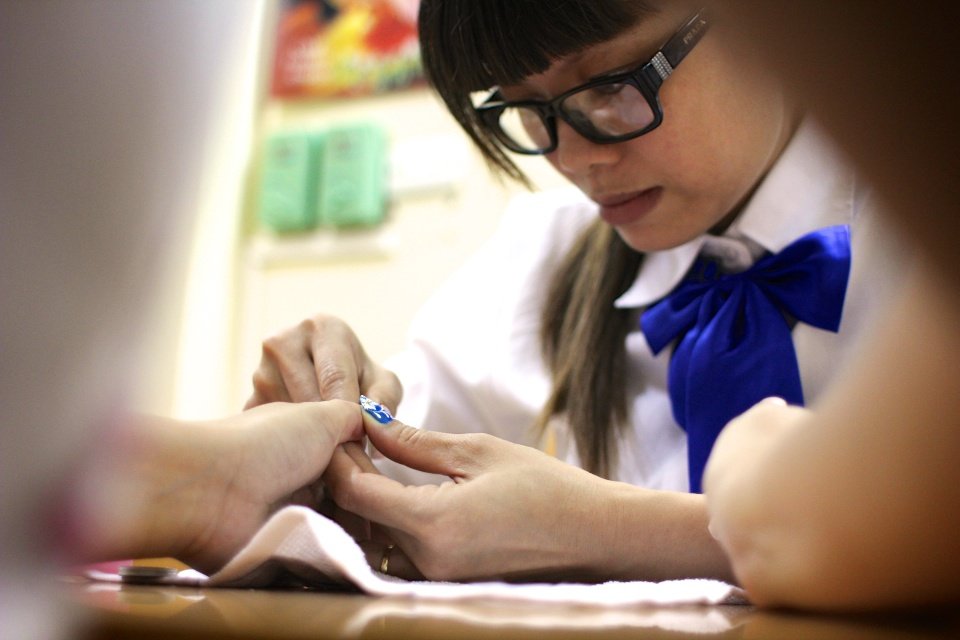
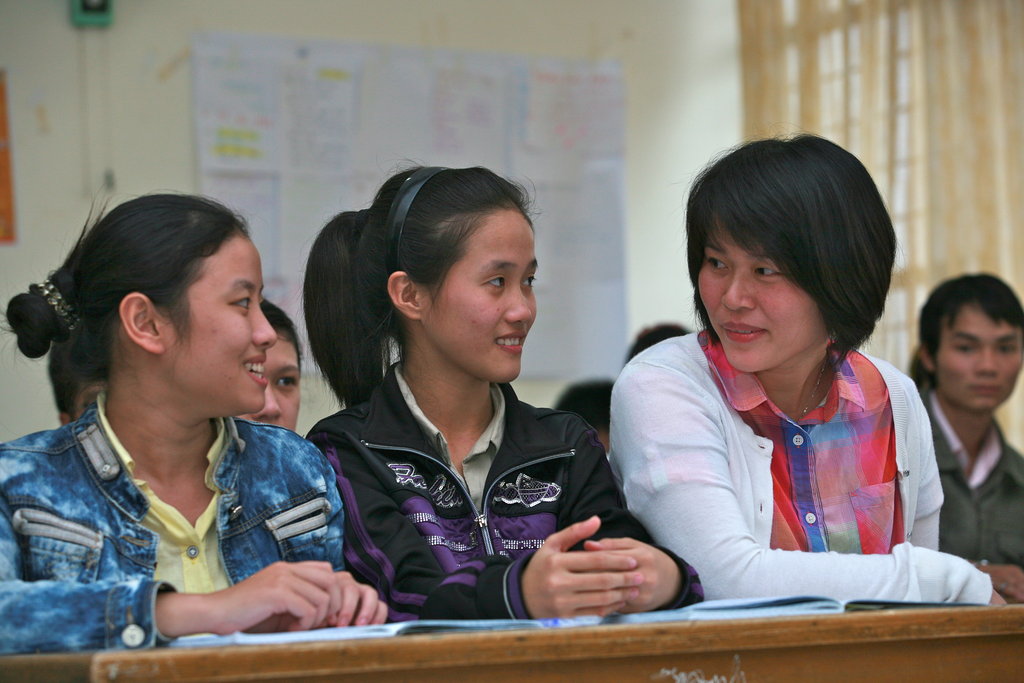
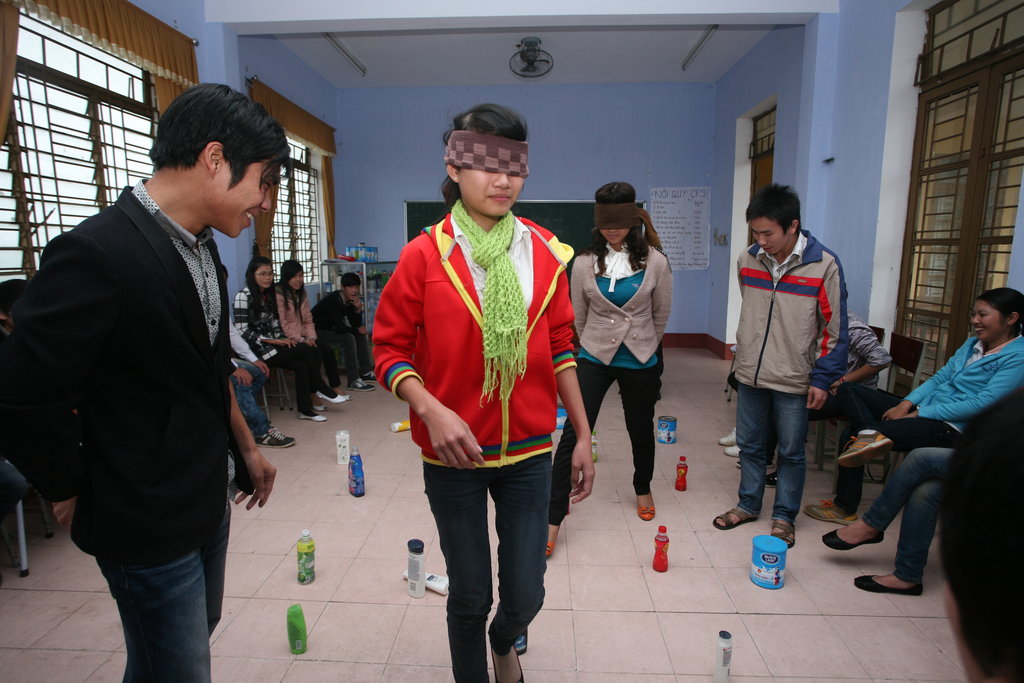
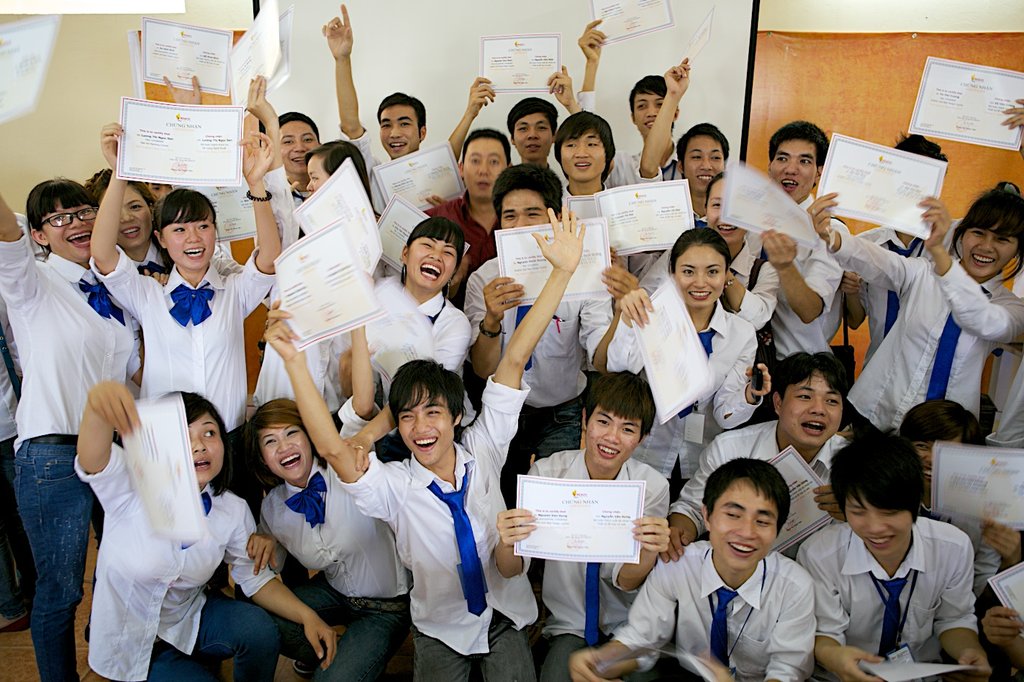
REACH’s vocational training and job placement program contributes to improve living conditions of ethnic minority youth and their families. Over the last 2 years, REACH has trained 260 youth from EM groups all across Vietnam.
Help us to train and place more in secure employment.
Links:
Project reports on GlobalGiving are posted directly to globalgiving.org by Project Leaders as they are completed, generally every 3-4 months. To protect the integrity of these documents, GlobalGiving does not alter them; therefore you may find some language or formatting issues.
If you donate to this project or have donated to this project, you can receive an email when this project posts a report. You can also subscribe for reports without donating.



Support this important cause by creating a personalized fundraising page.
Start a Fundraiser