By Julia | Partner at Sandra Jones Centre
It all starts with a seed … wether it be a tomato, cabbage, chomolia, cucumber, or squash, it all begins the same. A tiny nugget of condensed life gets placed in the moist dirt, fertilized by earth worms and sustained by compost from meals-past. Soon enough the seed passes from a dark brown bit of forgettable nothing to a lively green shoot popping out of the ground to declaring that it is indeed a something.
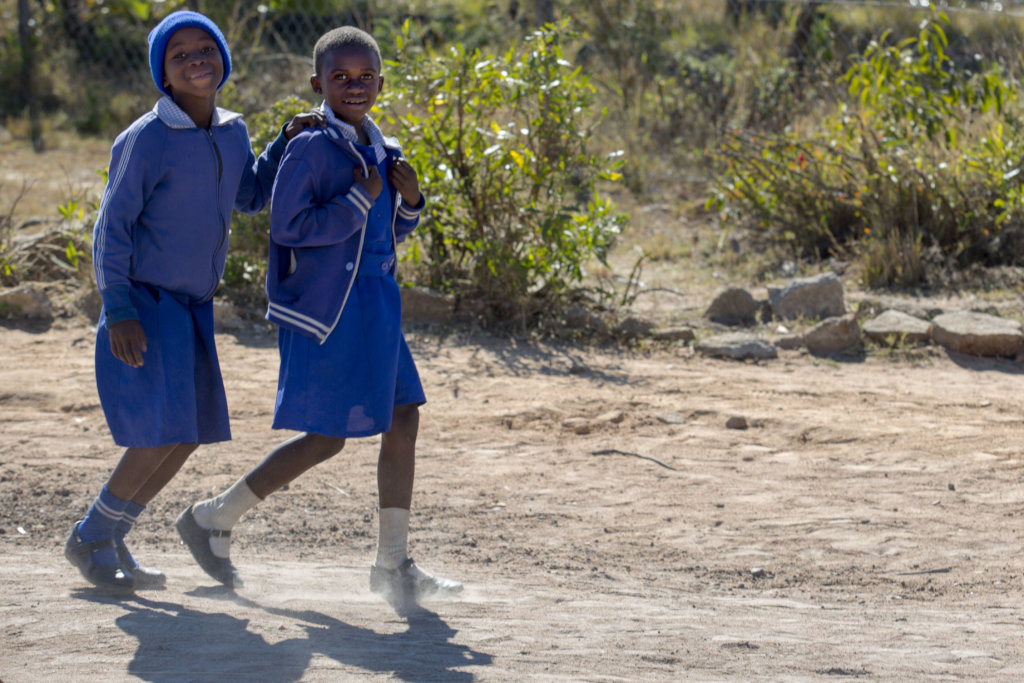
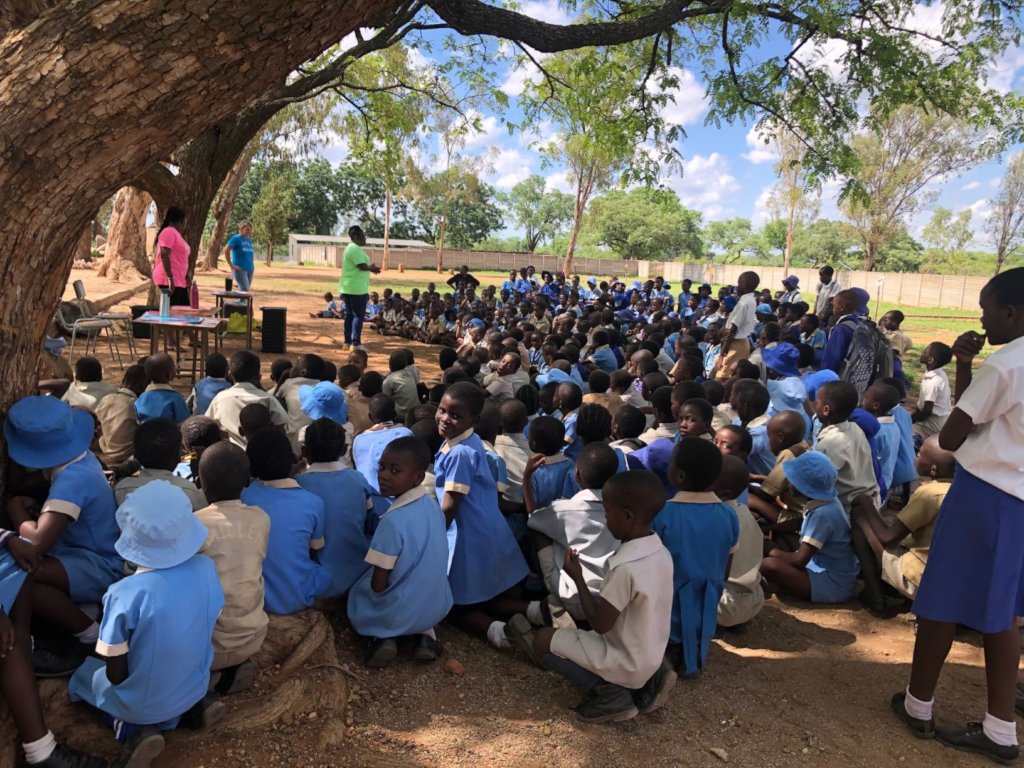
The sapling now grows under the warm shade of greenhouse plastic amongst its brothers and sisters all fighting for space. Each morning, afternoon, and evening the saplings are visited by a group of giggling teens. Rutendo and Mae go throw the greenhouse row by row checking on all the saplings; Layla, Tando and Blessing fill their wheelbarrows with weeding plunder; Patience with a fertilizing bag on her back sprays down the remaining crop. The sound of an instructor explaining the importance of checking for pests and molds drowns out the sound of song birds and laughter for a moment. Each leaf is checked, rows re-dug, each sapling grows at an accelerated pace. The slow yet steady drip of water eases the heat of the hot African day.
May passes by and June is on its way. The girls are back, like every other day, but with more of a confidence and knowledge base than they had those weeks ago when the plants were just dry seeds aching to grow. They now know their routine of fertilizing, watering, and weeding for optimal growth. The leaves are darker now, bigger of course, and maturing as the girls do. Its approaching harvest time.
Deft and nimble fingers yield a panga/machete slashing through tough stalks with surprising ease. The leaves begin to pile at the end of each furrow. Next step is processing! Some of the harvest will be sold to members of the community, street vendors, and to the markets; the rest makes the couple meter journey into the kitchen.
A massive metal basin overflowing with farm-fresh veg enters the back doors connecting the kitchen to the garden. Dark leafy greens like chomolia, rape, and cabbage are a stable of the Zimbabwean diet. A gaggle of enthusiastic kids take turns in the kitchen learning how to cook and prepare meals under the watchful eye and instruction of Auntie Lo and the other kitchen staff. Busy hands get to work washing and chopping in preparation for quickly-approaching lunch time. “How big of pieces should I make?” “What’s this tool called (spatula)” “how long should the water boil?” “Is this too much salt?” The sound of children learning how to cook for themselves.
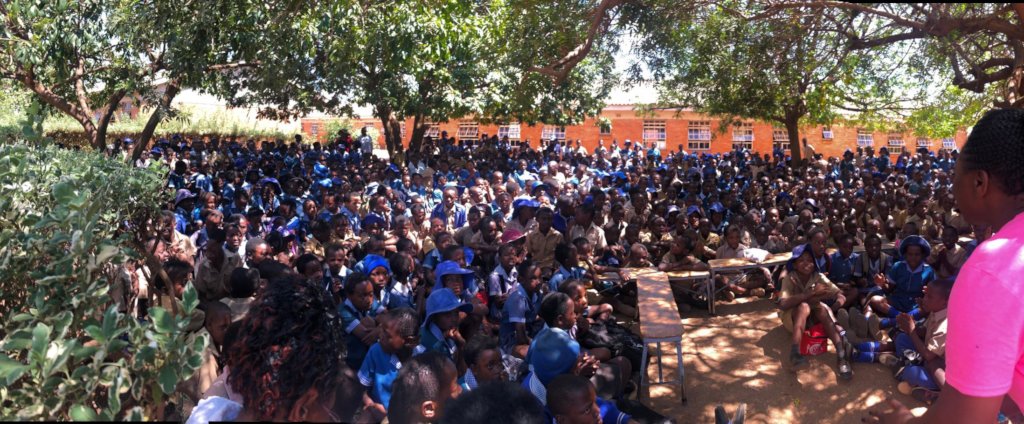
Lunch is ready! 2 year-old Prince toddles down the hall ringing his cow bell with an entusiasm only a child making noise can muster. 80+ children skip, march, and and drag themselves into the dining hall. Each child receives a plate heaped with steaming sadza (the national staple starch) and stewed chomolia and tomato. Silence falls across the tables as hungry bellies become full. For HIV+ and traumatized children, a healthy nutrient-dense diet is imparitive. We’ve seen babies go from critically underwieght, with blonding hair, unable to walk at 3 years old, now able to sprint into the kitchen with a beaming smile and protruding belly screaming his thanks to those who prepared his meal.
Any scraps that remain on plates go straight back to the compost bin; and just like that the cycle begins again.
The team here at the American Foundation for Children with AIDS thanks you for supporting this project and the work we do for the children in Africa. If you would like to learn even more about what we do or how you can meet some of the children you have helped, please contact Tanya Weaver at tweaver@AFCAids.org.
Project reports on GlobalGiving are posted directly to globalgiving.org by Project Leaders as they are completed, generally every 3-4 months. To protect the integrity of these documents, GlobalGiving does not alter them; therefore you may find some language or formatting issues.
If you donate to this project or have donated to this project, you can receive an email when this project posts a report. You can also subscribe for reports without donating.



Support this important cause by creating a personalized fundraising page.
Start a Fundraiser