Empower 250 villagers to plant trees, save Climate

by HOPE VINEYARD FOUNDATION UGANDA LIMITED
Empower 250 villagers to plant trees, save Climate

Project Report | Nov 24, 2026
Restoring Green Cover :A Community Tree planting

By Otingcwinyu Godfred | Founder and Executive Director.

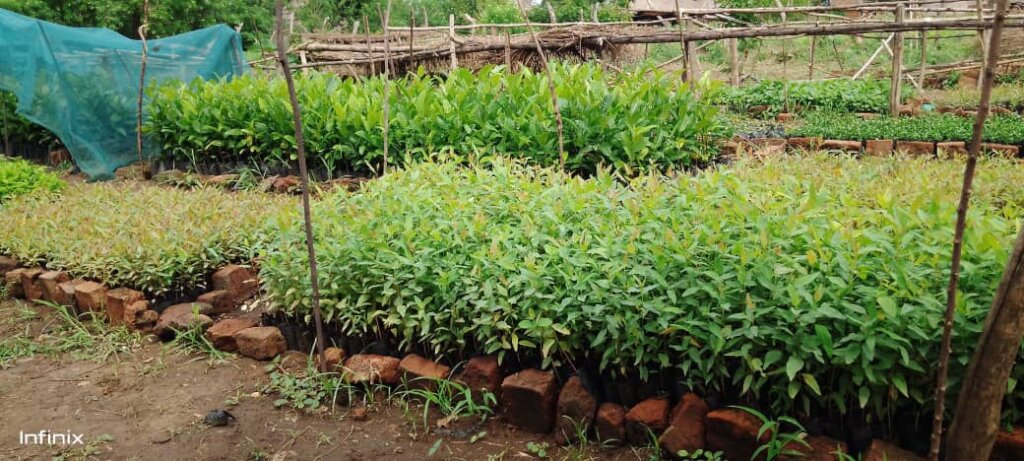
Practical community field visit/training

Quarterly Progress Report
Organization: Hope Vineyard Foundation Uganda (HVF-UG)
Project Title: Restoring Green Cover: A Community Tree Planting Initiative in Zombo District, Uganda
Reporting Period: July – September 2026 (Q3 2026)
Location: Zombo District, West Nile Sub-region (focus areas: Jangokoro, Abanga, Paidha, and surrounding sub-counties)
Prepared by: Otingcwinyu Godfred, Executive Director / Project Lead
Date: October 2026

1. Executive Summary

During Q3 2026, Hope Vineyard Foundation Uganda advanced the Restoring Green Cover initiative by strengthening community tree nurseries, distributing and planting seedlings with smallholder farmers and schools, and conducting awareness and training sessions on regenerative practices. Approximately 8,200 seedlings were raised and 6,450 trees planted across target villages, with early survival monitoring showing positive results (around 75–80% where basic protection was applied). Activities aligned with the organization's climate justice and environmental conservation thematic area and supported broader goals of empowering marginalized communities, including youth, women, and host/refugee populations. Progress remains steady despite land-size constraints and limited funding.

2. Project Background and Objectives

HVF-UG operates in remote areas of Zombo District, serving indigenous, marginalized communities and people affected by cross-border movement. Deforestation linked to charcoal production, agricultural expansion, and limited land has reduced tree cover. The project promotes community-led tree planting and regenerative agriculture to restore habitats, support climate resilience, improve livelihoods, and protect biodiversity.

Quarterly objectives:

  • Expand community nursery capacity and seedling production.
  • Mobilize and train community members (farmers, youth, and schools) in planting and caring for indigenous/multipurpose trees.
  • Conduct planting campaigns and basic follow-up monitoring.
  • Raise awareness on the links between tree cover, climate resilience, and sustainable livelihoods.

3. Key Activities Implemented (July–September 2026)

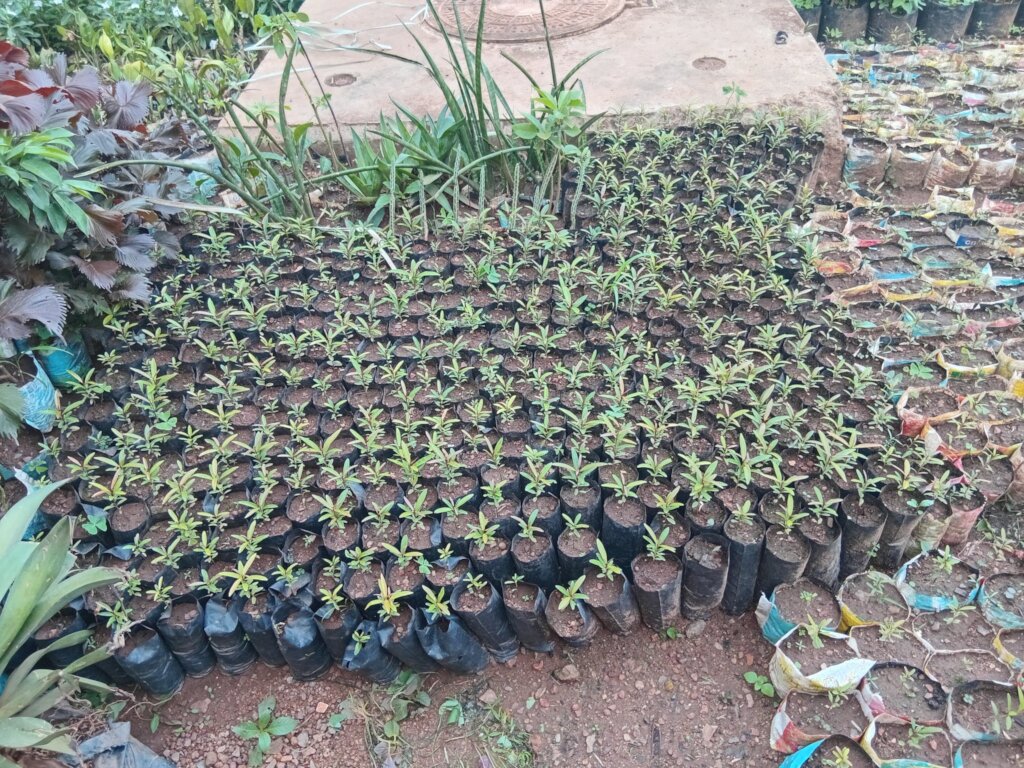
  • Nursery establishment and management: Maintained and expanded community nursery beds (using polythene pots and local materials). Focused on indigenous and suitable agroforestry species adapted to local conditions. Workers and community volunteers received practical training on watering, pest management, and potting.
  • Seedling distribution and planting: Organized planting days with smallholder farmers, youth groups, women’s groups, and selected schools. Trees were planted on private land (boundary planting, agroforestry), school compounds, and degraded community sites.
  • Training and community engagement: Delivered short practical sessions on spacing, mulching, protection from livestock, and Farmer Managed Natural Regeneration principles. Held dialogue meetings linking tree planting to climate risks and alternative livelihood options.
  • Partnership and coordination: Worked with local leaders, school authorities, and community structures in Jangokoro, Abanga, and Paidha areas. Activities complemented HVF-UG’s wider regenerative agriculture and climate-smart farming efforts.
  • Monitoring: Conducted spot checks on recently planted trees and collected basic feedback from participating households.

4. Results and Outputs

Indicator Q3 Target Achieved Remarks Seedlings raised in community nurseries: 6,000-8,200 Supported by local labor and basic inputs Trees planted: 5,000, 6,450 Across farms, schools, and community sites Community members/households engaged: 1510 Including youth, women, and farmers Training/awareness sessions held 68 Practical and dialogue-based Early survival rate (sample monitoring) 70%~78% Higher with mulching and simple protection

Additional outcomes included increased interest from farmers in integrating trees with crops and positive feedback from schools on using tree planting for environmental education.

5. Challenges

  • Small landholdings limit large-scale planting for many households.
  • Dry periods and livestock browsing affected survival in some unprotected sites.
  • Limited resources for watering cans, manure, transport, and follow-up visits.
  • Competing pressures from charcoal production and immediate livelihood needs.

6. Lessons Learned

  • Community-managed nurseries increase ownership and reduce seedling costs.
  • Combining practical training with planting events improves uptake and care.
  • Boundary planting and agroforestry approaches are more feasible than pure woodlots given land fragmentation.
  • Engagement of youth and school groups strengthens long-term community commitment.

7. Recommendations and Plans for Next Quarter (October–December 2026)

  • Scale seedling distribution and gap-filling planting.
  • Intensify survival monitoring and simple protection measures.
  • Strengthen linkages with regenerative agriculture demonstration plots and climate-smart farming activities.
  • Seek additional support for nursery inputs, tools, and community mobilization (including through ongoing GlobalGiving campaigns).
  • Document participant stories and survival data for reporting and advocacy.

8. Conclusion

Q3 2026 activities under Restoring Green Cover contributed meaningfully to community tree planting and environmental awareness in Zombo District. With continued community participation and modest additional resources, the initiative can further expand green cover, support climate resilience, and generate livelihood co-benefits for marginalized households. HFV-UG remains committed to accountable, community-centered implementation.

Contact for further information:
Otingcwinyu Godfred, Executive Director
Hope Vineyard Foundation Uganda
Email: goddyaloysius@gmail.com | Phone/WhatsApp: +256 759 724 570
Location: Zombo District, Uganda

Share on Twitter Share on Facebook

About Project Reports

Project reports on GlobalGiving are posted directly to globalgiving.org by Project Leaders as they are completed, generally every 3-4 months. To protect the integrity of these documents, GlobalGiving does not alter them; therefore you may find some language or formatting issues.

If you donate to this project or have donated to this project, you can receive an email when this project posts a report. You can also subscribe for reports without donating.

Sign up for updates

Organization Information

HOPE VINEYARD FOUNDATION UGANDA LIMITED

Location: Northern Zombo, Northern - Uganda
Website:
Facebook: Facebook Page
X / Twitter: Profile
Project Leader:
Otingcwinyu Godfred
Northern Zombo , Northern Uganda
$12 raised of $80,000 goal
 
2 donations
$79,988 to go
Donate Now
lock
Donating through GlobalGiving is safe, secure, and easy with many payment options to choose from. View other ways to donate

HOPE VINEYARD FOUNDATION UGANDA LIMITED has earned this recognition on GlobalGiving:

Help raise money!

Support this important cause by creating a personalized fundraising page.

Start a Fundraiser

Learn more about GlobalGiving

Teenage Science Students
Vetting +
Due Diligence

Snorkeler
Our
Impact

Woman Holding a Gift Card
Give
Gift Cards

Young Girl with a Bicycle
GlobalGiving
Guarantee

Get incredible stories, promotions, and matching offers in your inbox

WARNING: Javascript is currently disabled or is not available in your browser. GlobalGiving makes extensive use of Javascript and will not function properly with Javascript disabled. Please enable Javascript and refresh this page.