![]()
From Isolation to Empowerment: Supporting Mental Wellbeing and Inclusive Parenting in CP Caregiver Communities
Introduction
This report presents progress from the last quarter( February,March and April 2025) for the project “Empowering Caregivers of Children with Cerebral Palsy.” The core objective of this phase was to support the mental wellbeing of caregivers, promote inclusive parenting, and strengthen community-based support systems. The burden of caregiving for a child with CP is often isolating, emotionally draining, and misunderstood in the community. This quarter, we focused on providing caregivers with tools to manage stress, improve their parenting confidence, and build supportive peer networks.
Major Activities Conducted
Mental Health and Stress Management Training
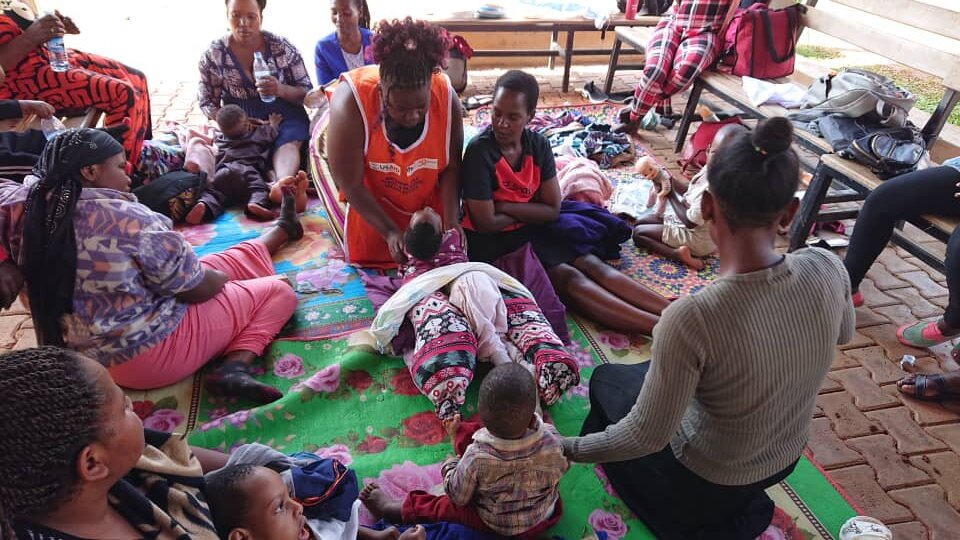
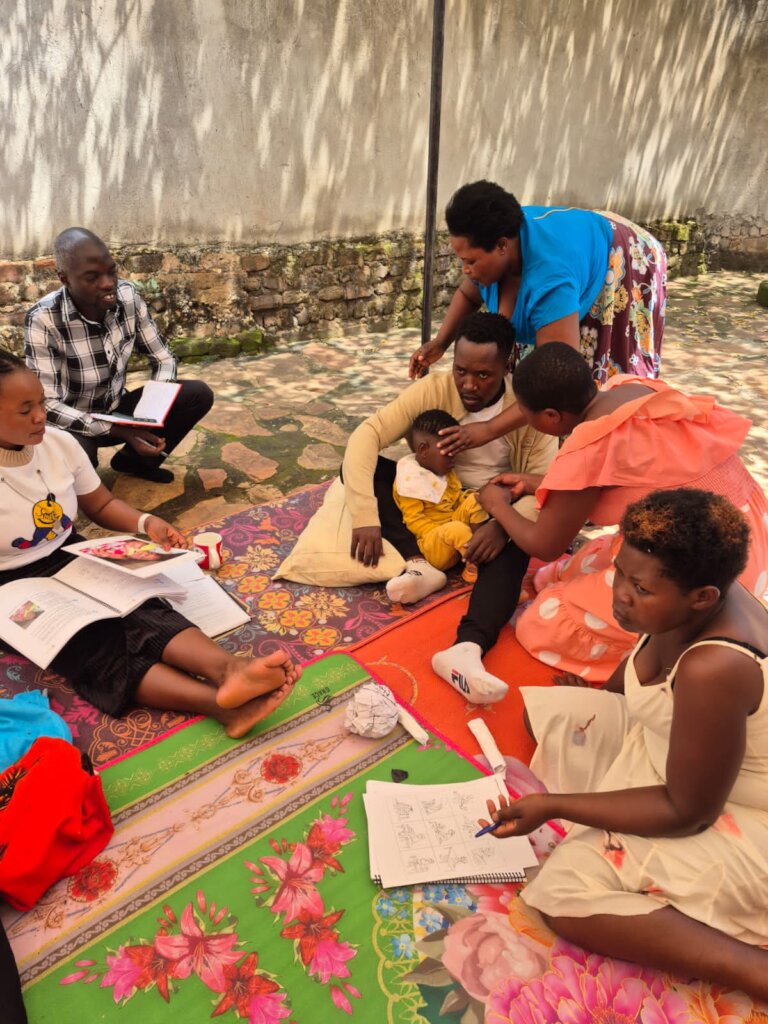
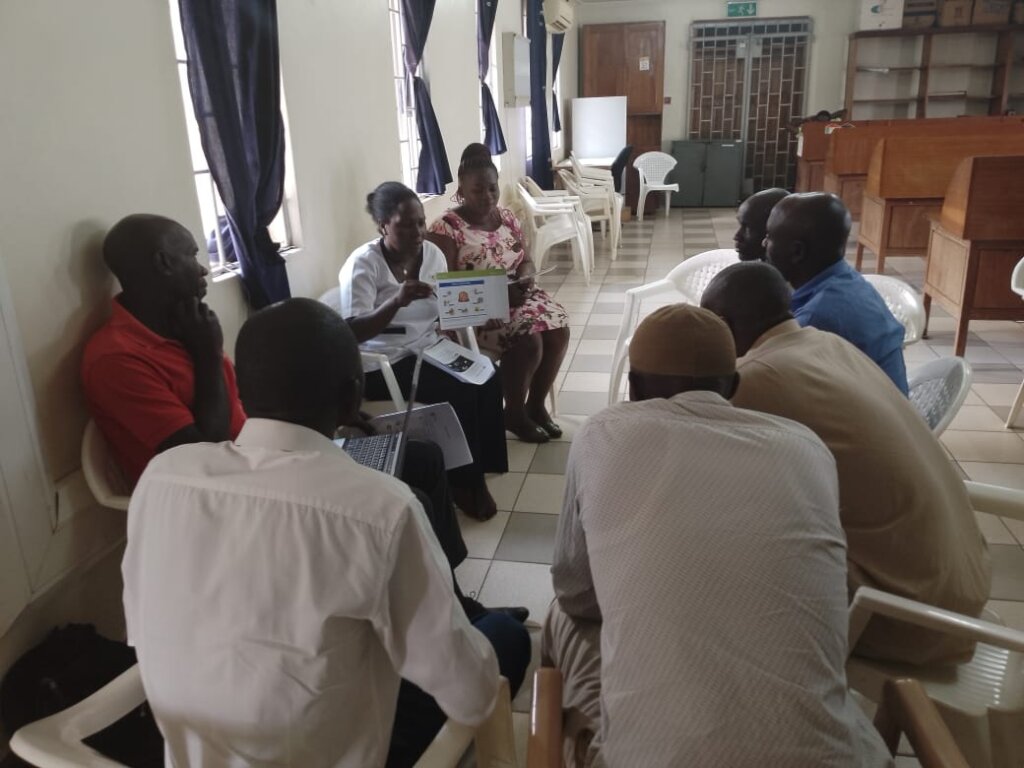
Over the quarter, we conducted three group-based psychoeducation sessions targeting primary caregivers of children with CP. These sessions aimed to provide a safe space to:
- Share personal experiences and emotional struggles
- Learn basic coping strategies for anxiety, depression, and caregiver fatigue
- Practice relaxation techniques such as deep breathing and mindfulness exercises
- Identify symptoms of burnout and when to seek help
Participation and Outcomes:
47 caregivers (41 women, 6 men) participated.
92% of participants reported feeling “less alone” after the session.
Group discussions uncovered common stressors including: public stigma, child health uncertainty, lack of partner support, and economic strain.
One mother shared that after attending the session, she was able to sleep through the night for the first time in weeks after trying the relaxation technique introduced.
Inclusive Parenting Skills Sessions
We conducted two practical sessions focused on inclusive parenting. The goal was to:
- Reframe disability from a lens of possibility and dignity
- Promote equal treatment and emotional connection between the child with CP and their siblings
- Encourage daily communication, play, and stimulation regardless of the child’s mobility or verbal ability
- Train caregivers to track small developmental milestones and celebrate progress
Key content covered included:
- Understanding non-verbal communication cues
- Building routines that include the child in family life
- Engaging fathers and siblings as active participants in care
- Avoiding harmful comparisons with typically developing children
Outcomes:
- Caregivers expressed a shift in how they viewed their child’s potential.
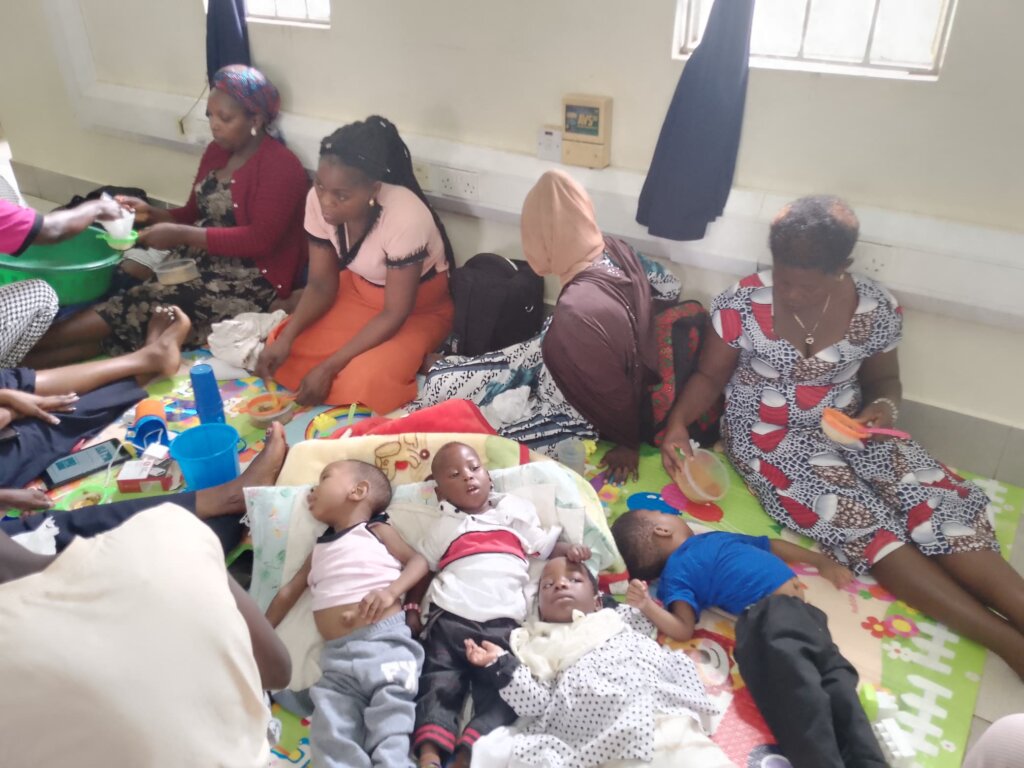
- Some parents reported changes at home, such as bringing the child to the dining area instead of feeding them alone.
- Two fathers who had been previously uninvolved began attending group sessions and expressed interest in learning feeding and positioning techniques.
Strengthening Social Support through Caregiver Groups
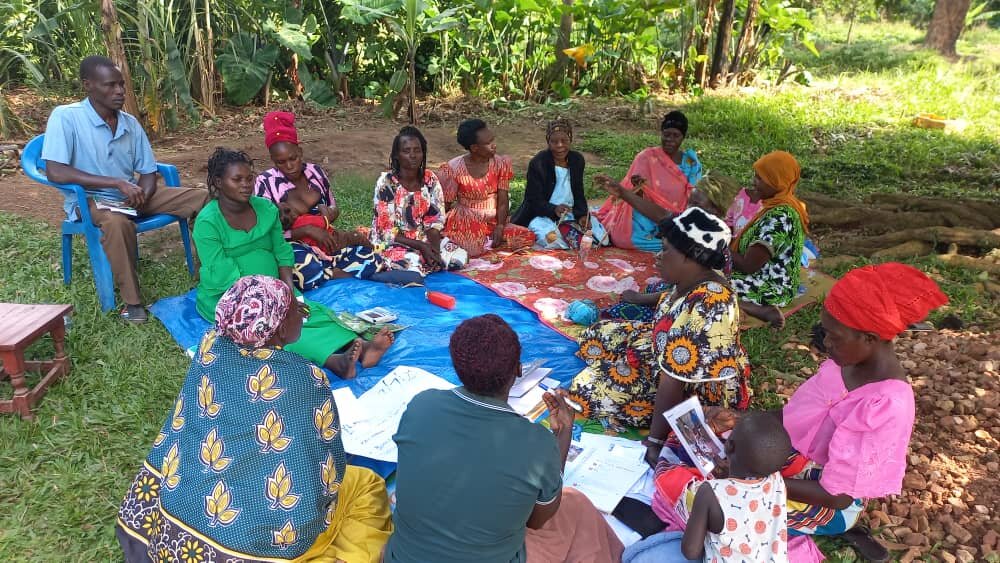
We focused on building peer support structures to reduce isolation and improve knowledge-sharing.
Two new caregiver support groups were launched in Katanga and Kavule communities.
These groups meet biweekly and are facilitated by trained volunteers with lived experience or basic rehabilitation knowledge.
Group topics are rotated, but time is always reserved for open sharing, encouragement, and affirmations.
Highlights:
Some caregivers reported that this was the first time they had talked openly about their child’s condition in a group setting.
A grandmother raising two children with disabilities noted that the group “feels like family, where I am understood without judgment.”
One group established a small rotating savings initiative to help meet emergency transport needs.
Referrals and Follow-Up Support
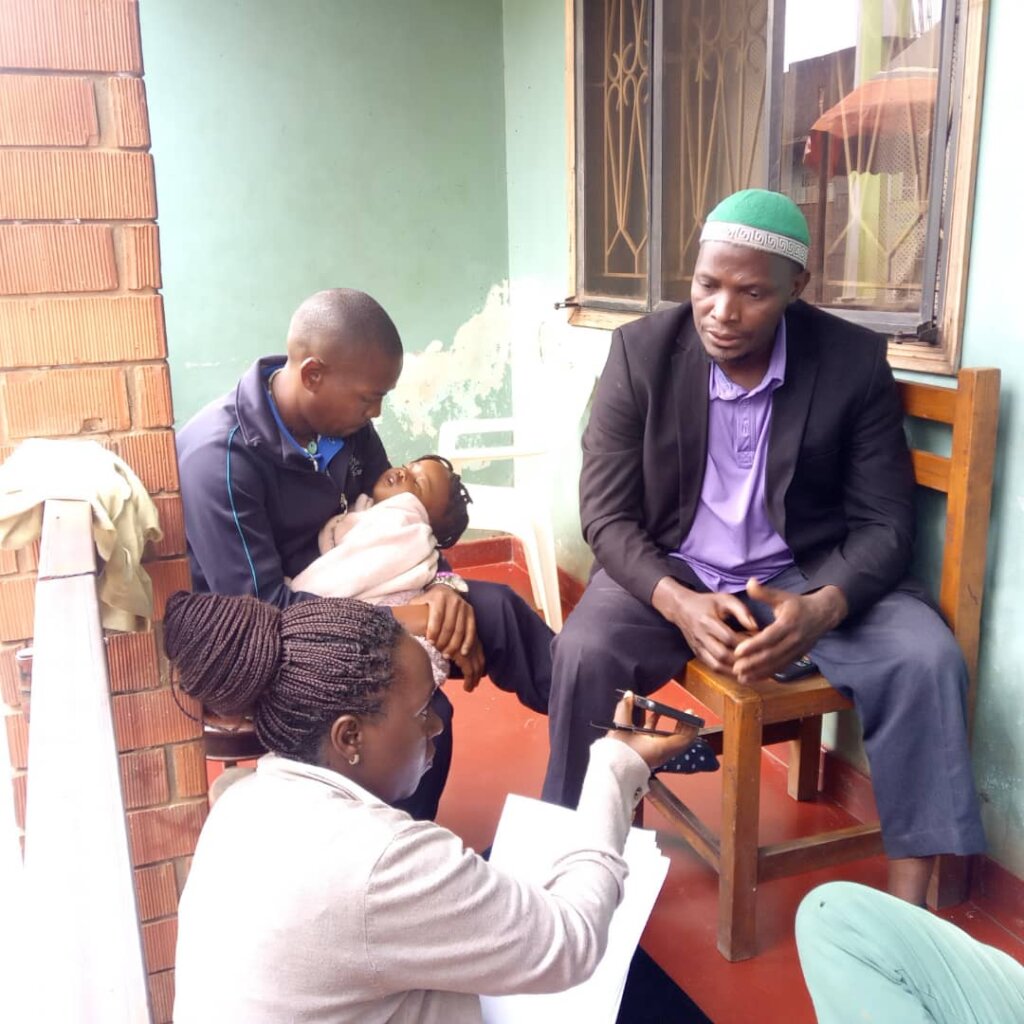
- 9 caregivers showing signs of emotional distress were referred to community health workers or nearby mental health clinics for further support.
- We are currently tracking their progress through VHTs and hope to follow up on outcomes in the next quarter.
Challenges Faced
Emotional sensitivity: Some sessions triggered difficult emotions for caregivers, which required trained facilitators to debrief and follow up.
Lack of male involvement: Despite efforts, only a small number of fathers or male guardians attended.
Lessons Learned
- Safe spaces matter: Simply having time and a supportive environment to talk without fear of judgment is therapeutic for caregivers.
- Mental health is foundational: Caregivers who feel emotionally supported are more engaged in their child’s development.
- Culturally sensitive messaging on parenting and disability helped reduce shame and guilt among caregivers.
Conclusion
This quarter has shown that mental health and inclusive parenting are not luxuries, but essentials for families living with CP. The progress made is both personal and communal: caregivers are beginning to feel seen, heard, and capable. We invite donors and partners to walk with us as we continue building resilience, one caregiver group at a time.
![]()
![]()
![Share on Twitter]()
![Share on Facebook]()