By Olere Iluebbey | Project Leader
In keeping up with global technology trends, computers have become increasingly present in educational settings such that it is no longer questioned if the use of technology is considered developmentally appropriate. However, the ratio of students to computers particularly in developing countries, is considered very poor. In Nigeria, the number of students who lack access to this important educational resource is higher than those who have access (regardless of the student to computer ratio).
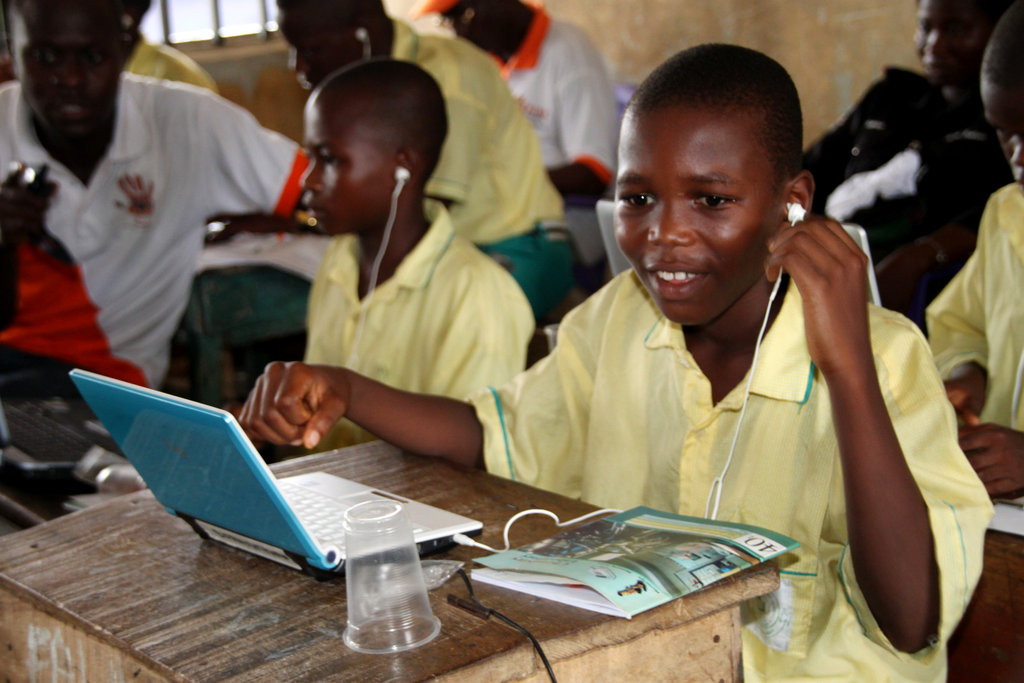
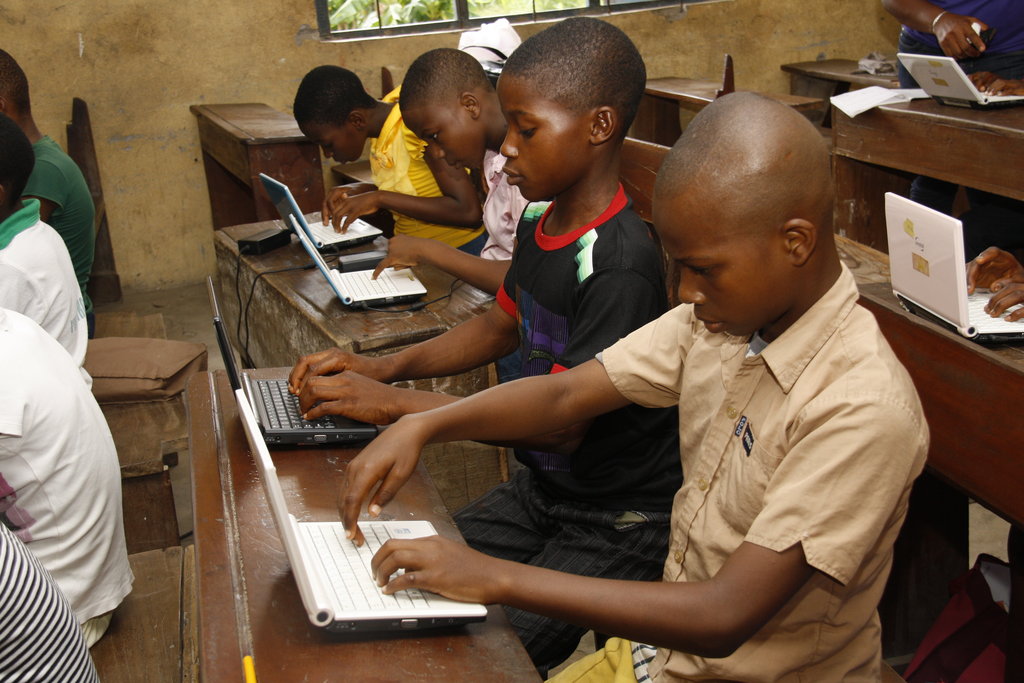
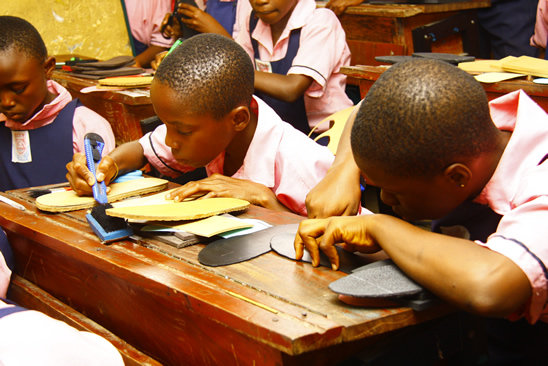
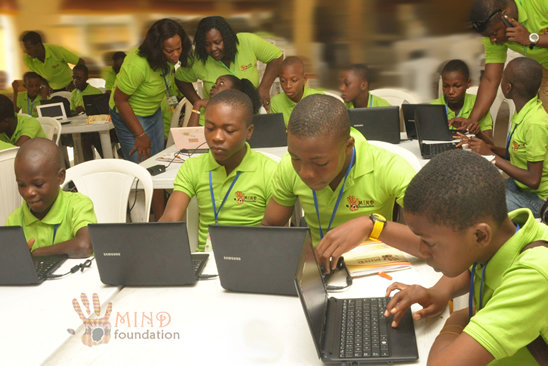
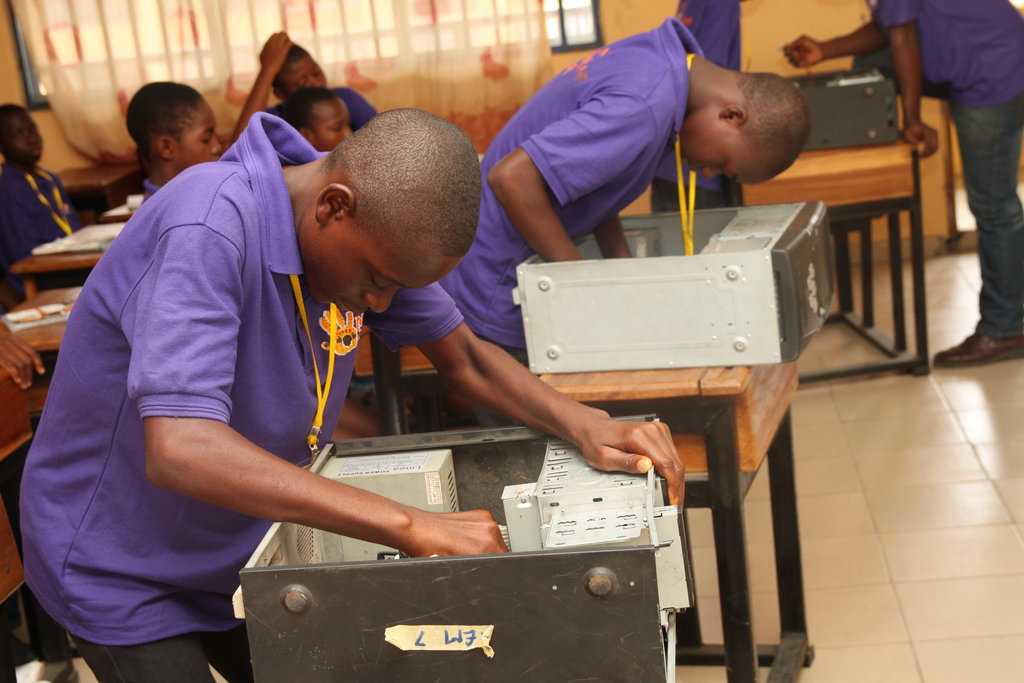
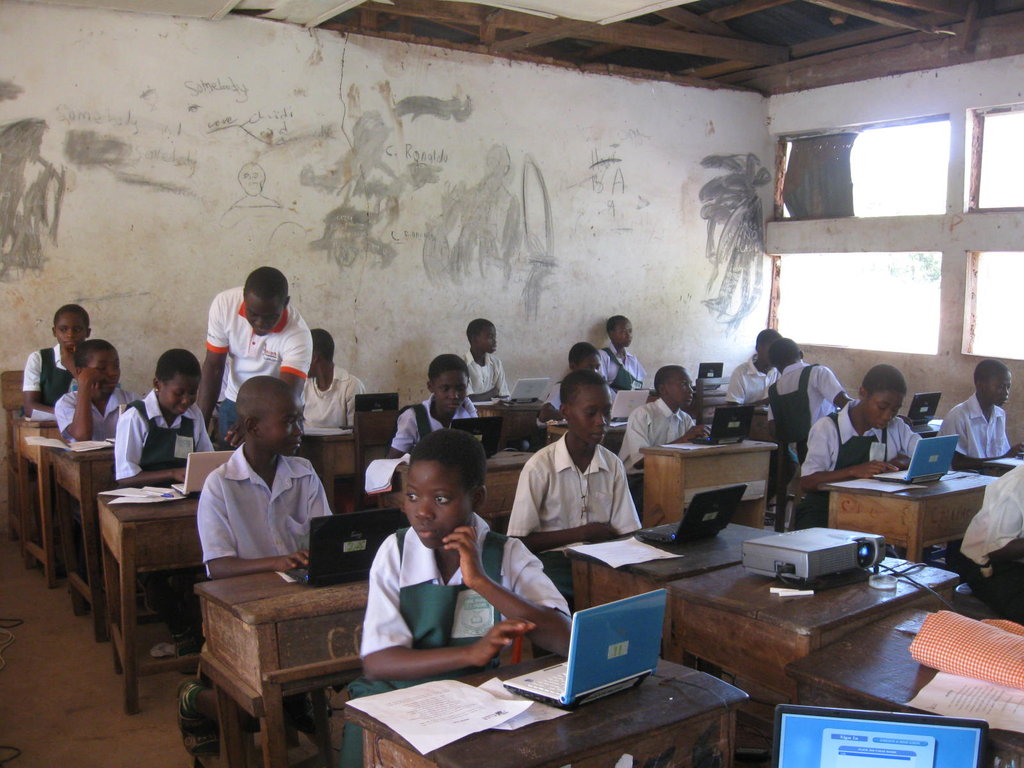
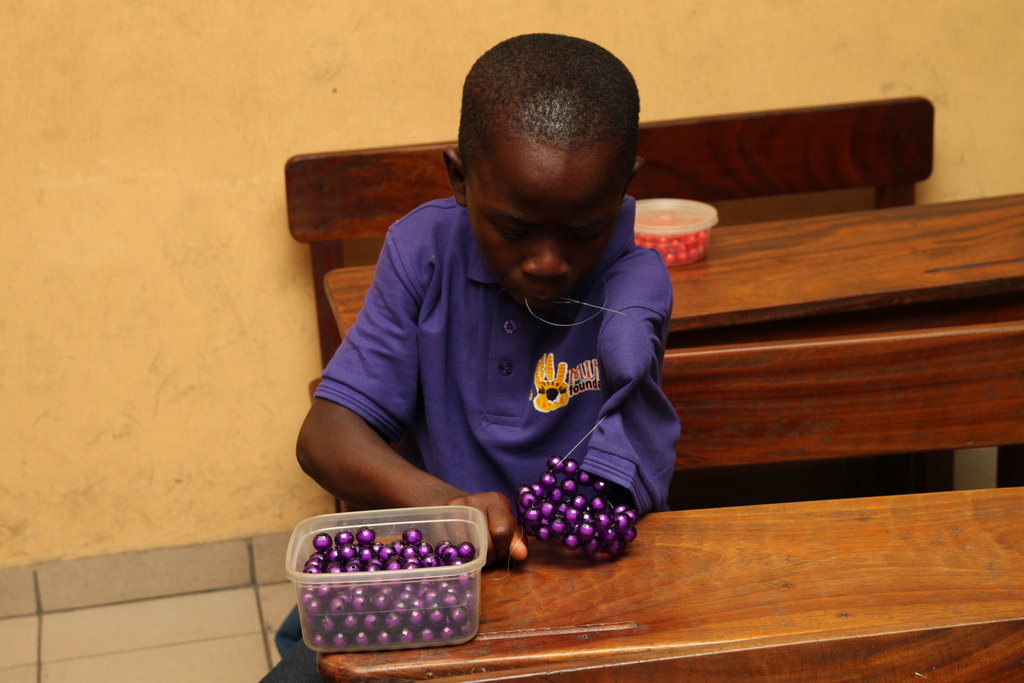
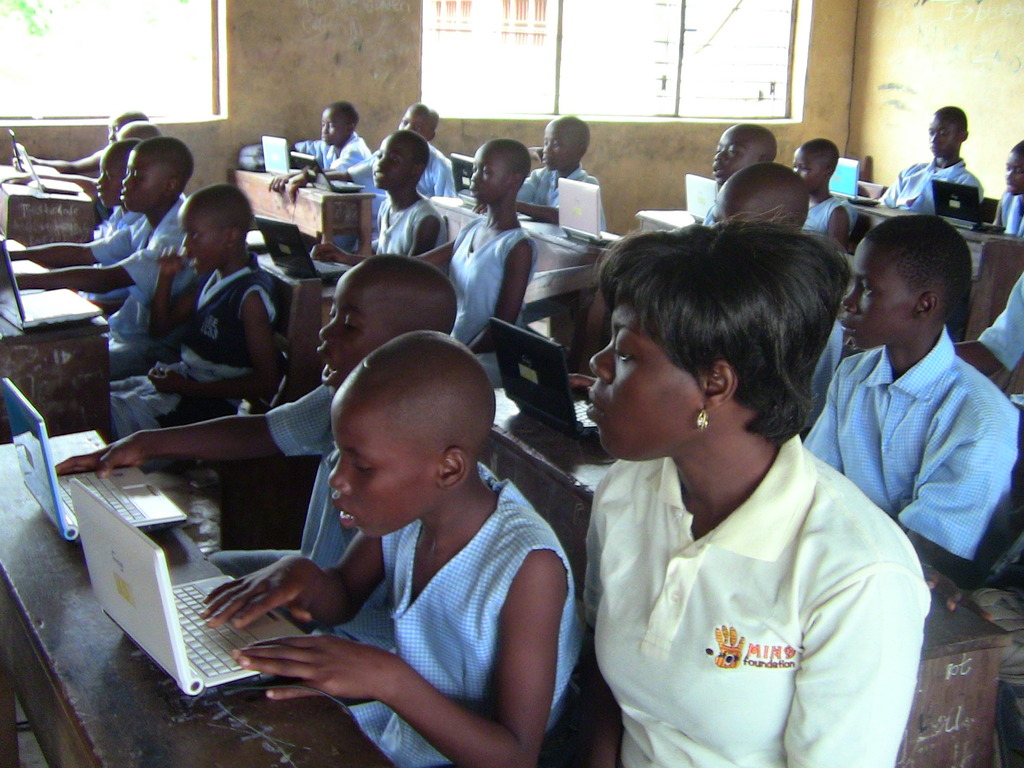
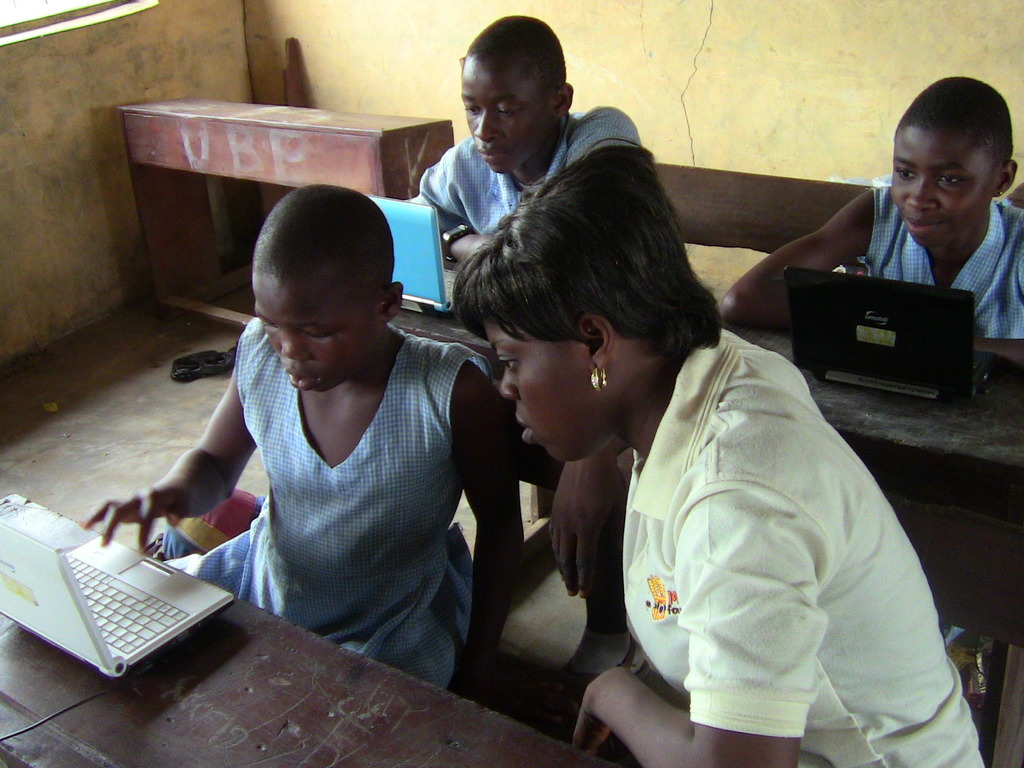
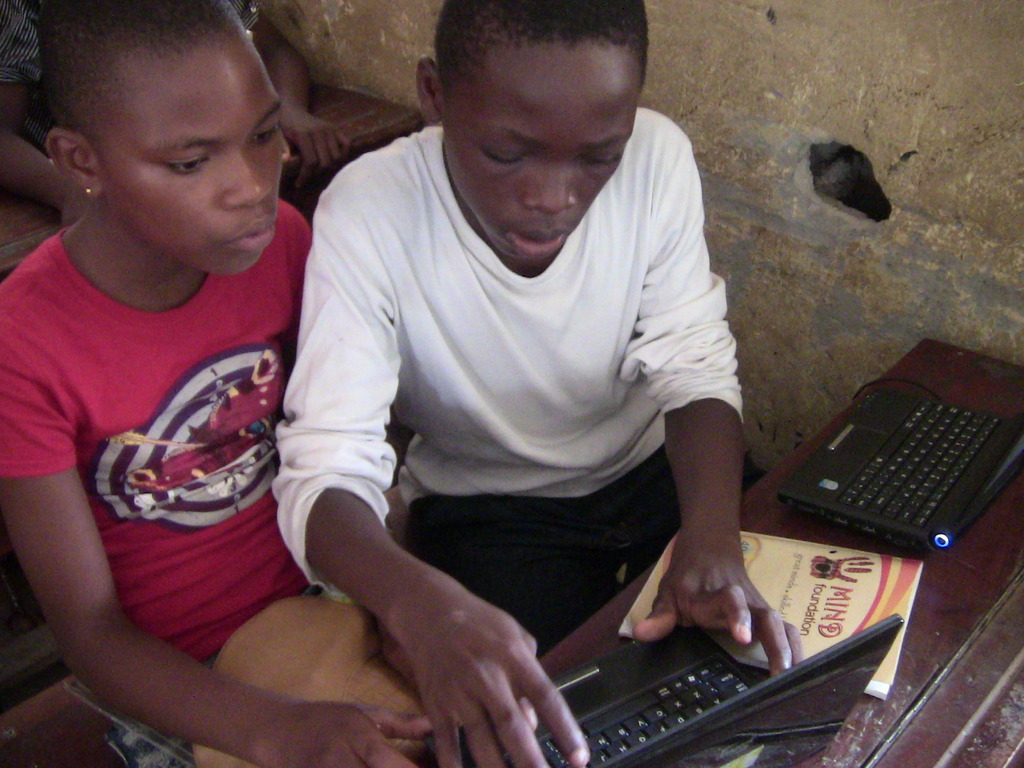
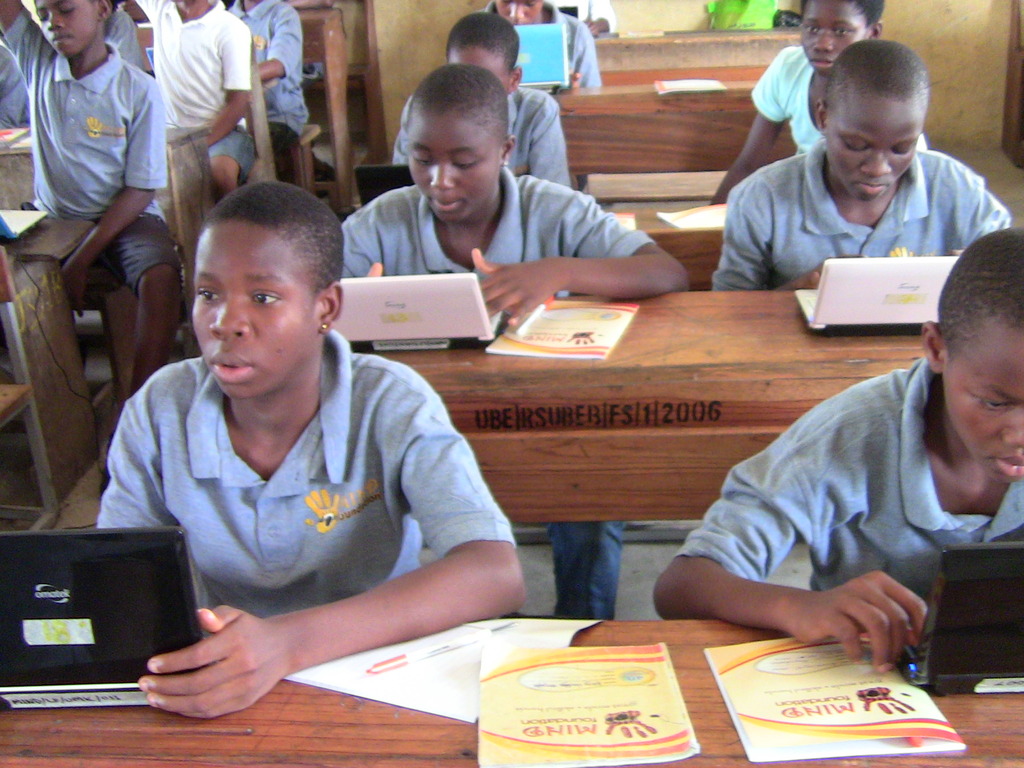
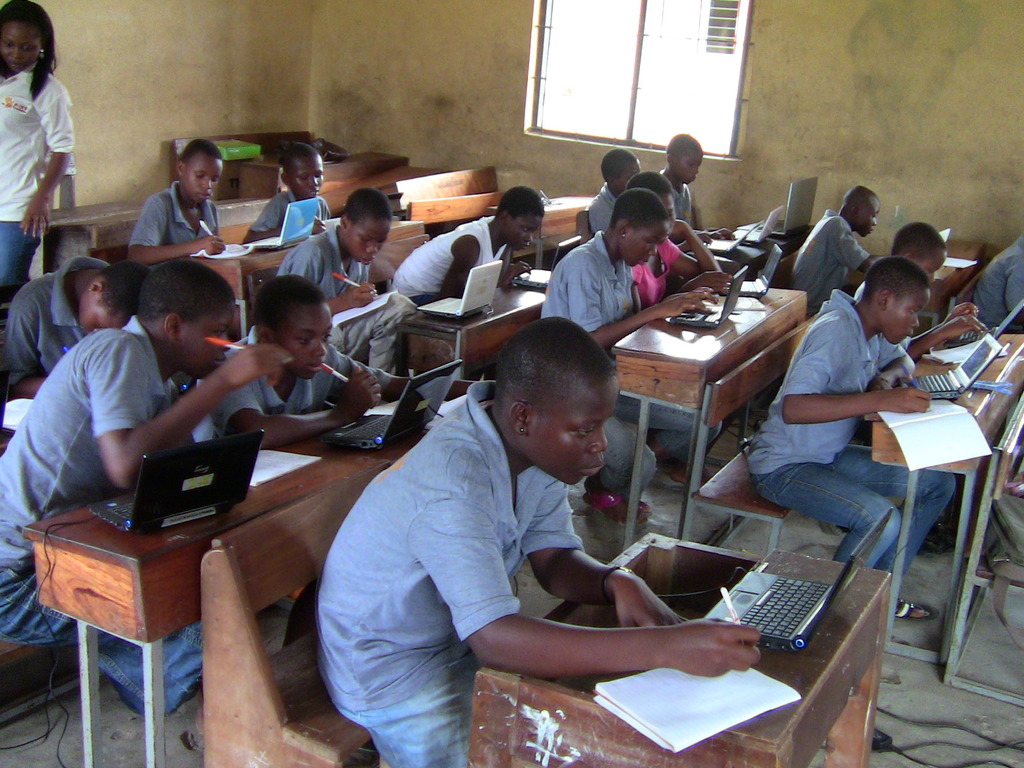
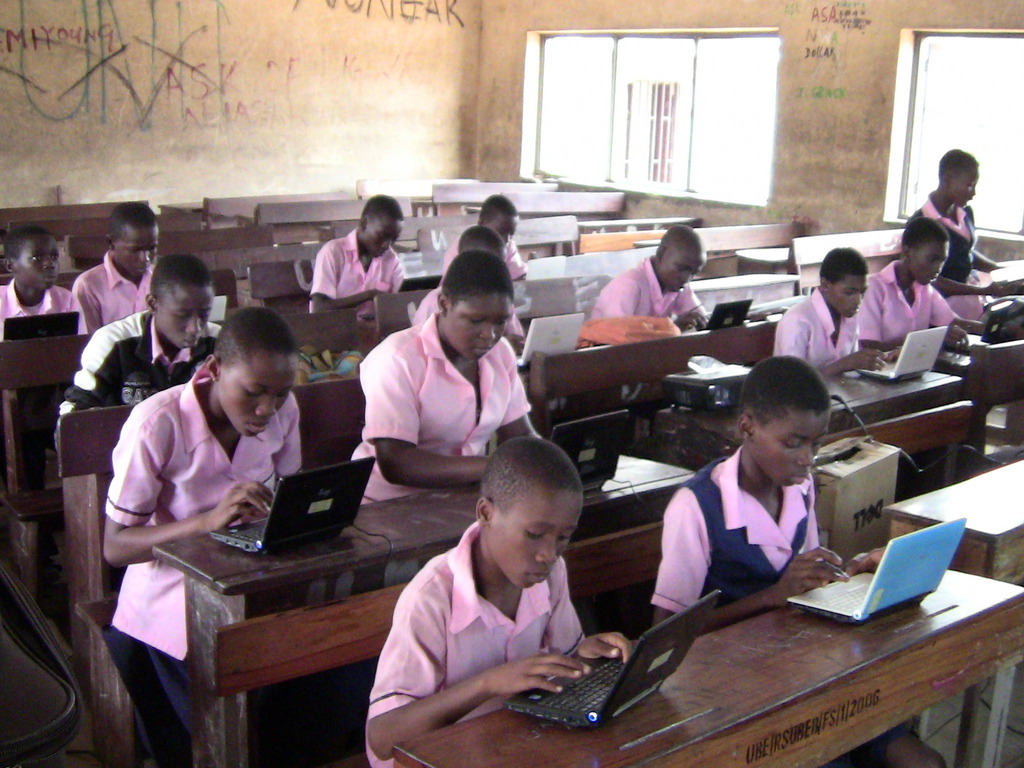
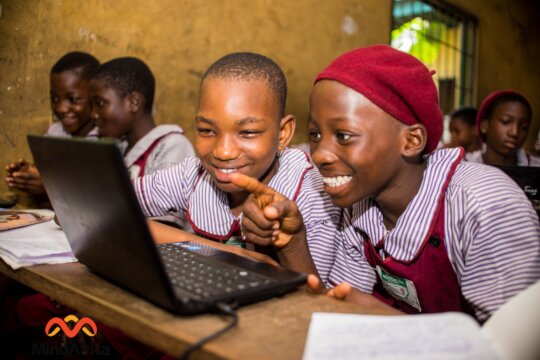
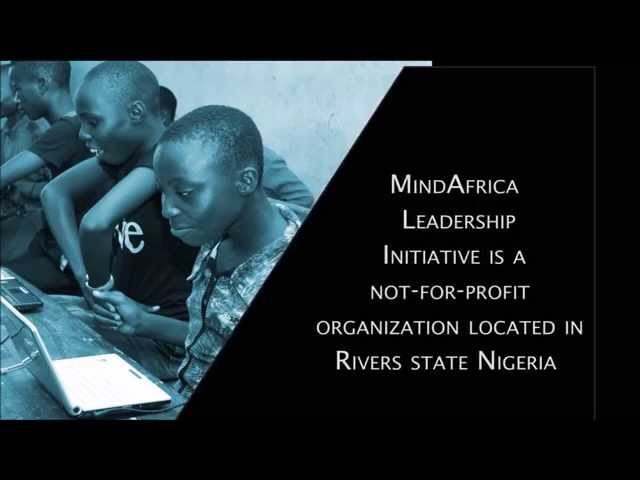
Since 2007, MIND Foundation has been working to reduce the number of digitally illiterate children and youth in Nigeria by providing access to computers for disadvantaged students in a 1:1 ratio, through a free ICT-based training program for students of resource-poor schools and rural communities.
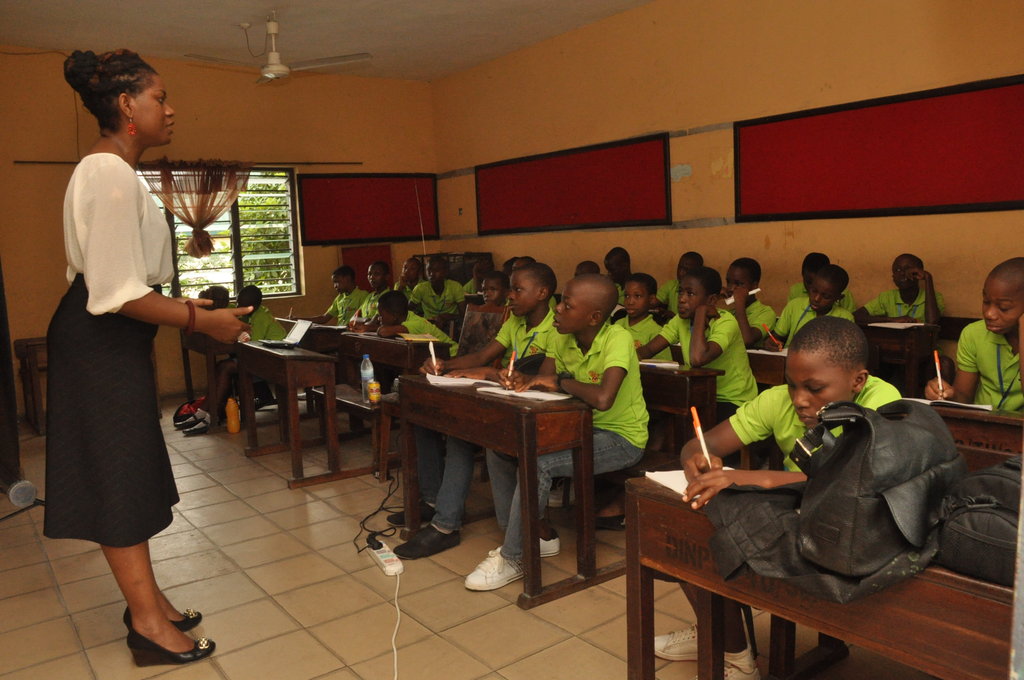
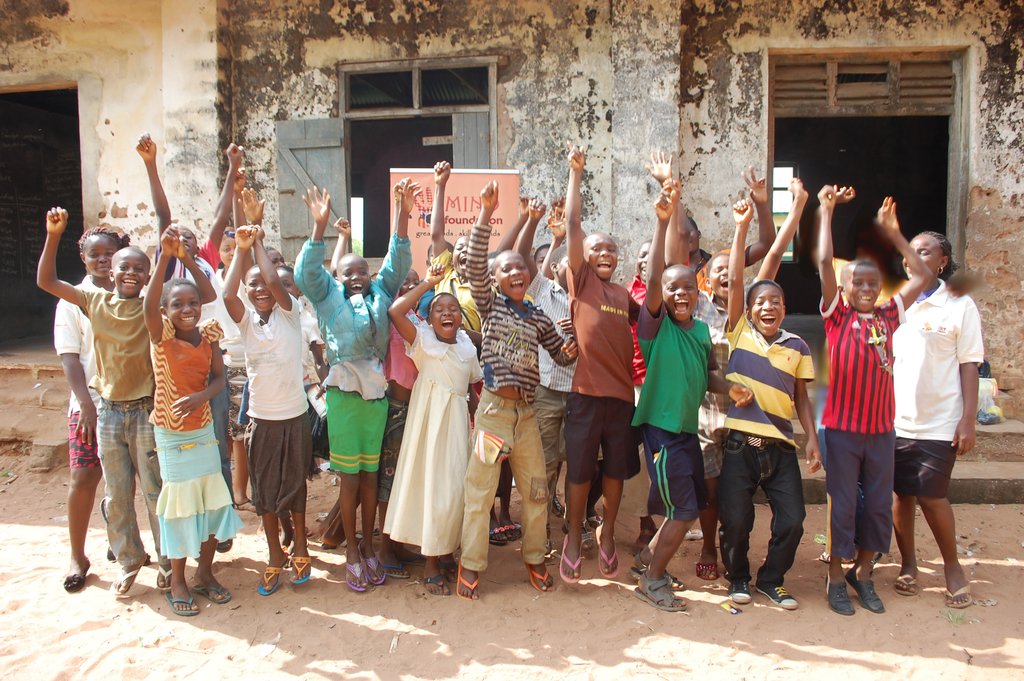
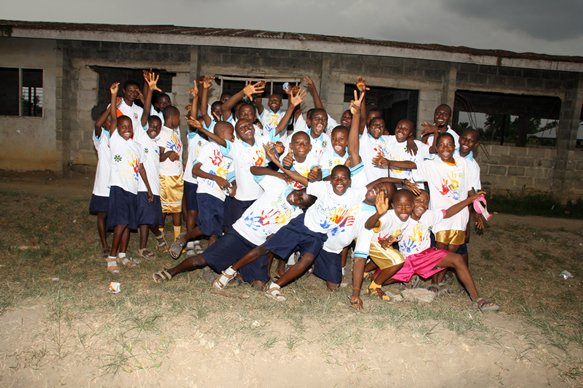
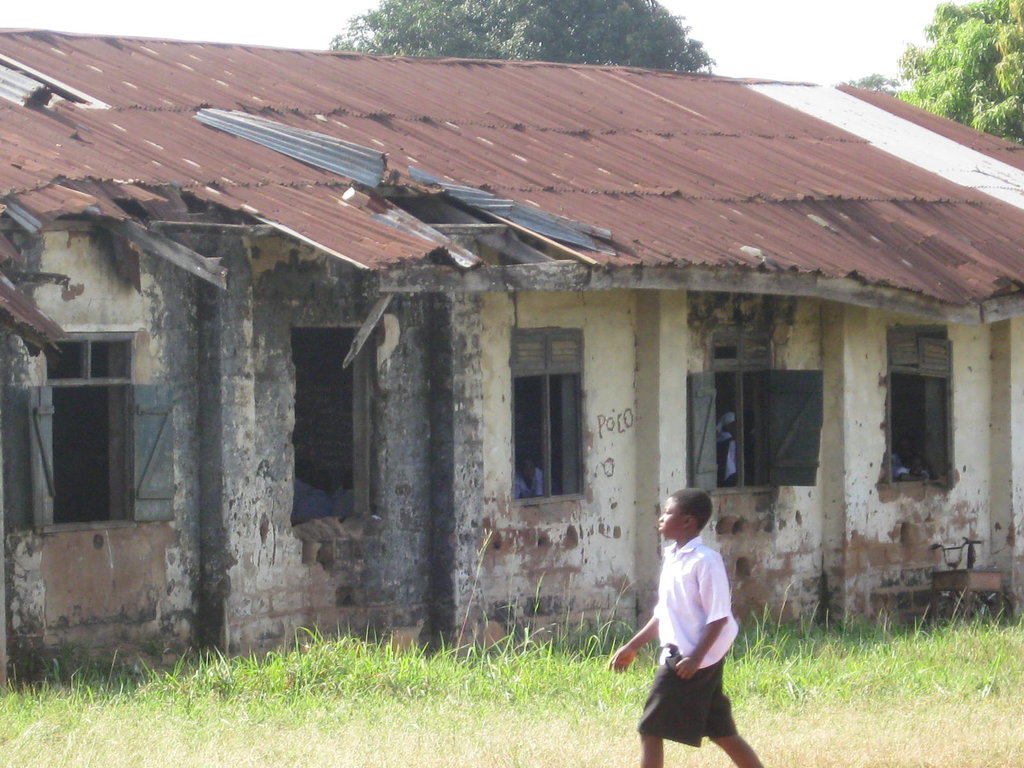
With funding from Global Giving Donors, MIND expanded this program in 2012, to include new students from 4 community schools in Rivers State namely: Community Secondary Schools in Nkpolu Oroworukwo, Onne, Oroworukwo and Igwuruta respectively. In spite of their economic circumstances, these rural students are gaining life skills and experiences to make informed decisions about their future, contribute to their communities and lead outstanding lives.
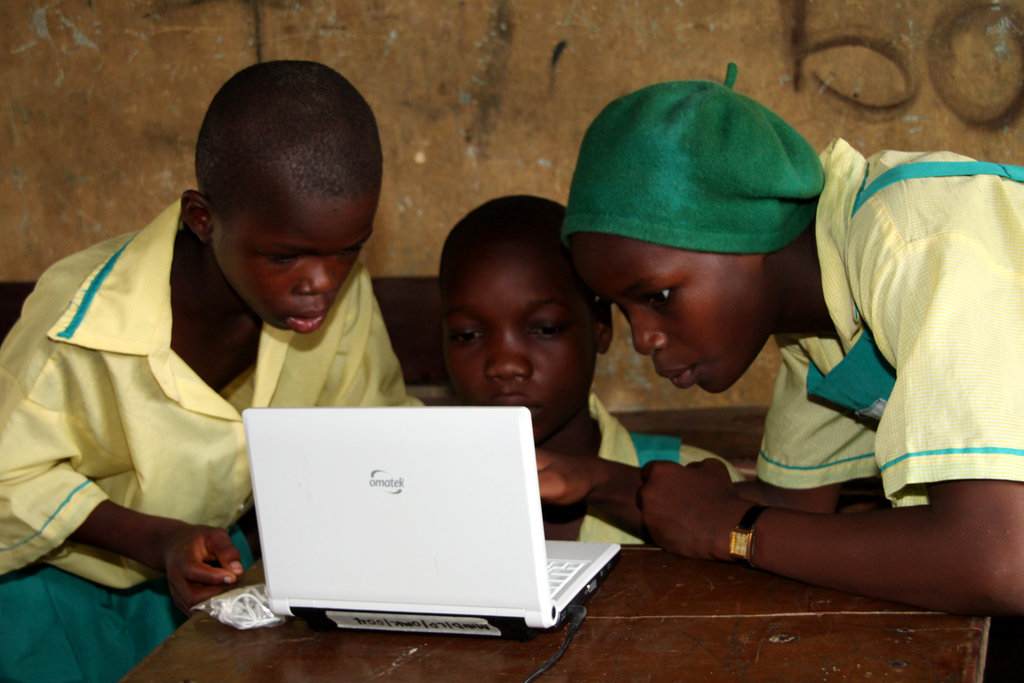
Through the use of technology, they have gained IT skills for self-learning as well as collaborative learning where the open sharing of information is helping students to work as teams and commit to finding and developing ideas or solutions that would benefit their peers, schools and communities. An example is the ‘Malaria Project’ recently carried out by MIND Kids from Comprehensive Community Secondary School, Rumukwurushe in Rivers State.
The Project: Malaria Awareness Campaign
Malaria kills children. In Africa, the death toll is estimated at 600,000 children in a year with sub-saharan Africa having the highest death record which places Nigerian children among those at higher risk.
MIND kids in Rumukwurushe recently embarked on a research to gather extensive information from the internet and discussions with professionals on the statistics, likely causes, early symptoms and preventive measures of this deadly disease. With the combination of ICT skills and knowledge gained, MIND kids carried out an awareness campaign within their school community, educating their peers (through audio/visual digital tools) on the effects of Malaria and how to keep themselves free from contacting the disease by adopting hygienic life styles and employing preventive measures such as the use of mosquito-treated nets amongst others. http://www.youtube.com/watch?v=WSrcqg9mywE
In over 5 years of providing free learning programs to disadvantaged children in Nigeria, MIND has impacted over 1,280 direct beneficiaries and we can truly say that the skills and experiences acquired in the MIND programs have positioned these children for great possibilities in future.
In accomplishing this, the support from our donors has been invaluable. We value your advice, technical expertise and financial support in enabling us reach children in various communities and we believe that together, we can achieve more. Please let us know what you think of our project and the impact it is making or how else you can support our mission so that more Nigerian children will have the resources to exploit their potential and rise above their current circumstances.
You can send us an email at info@mindafrica.org
Thank you!
Links:
Project reports on GlobalGiving are posted directly to globalgiving.org by Project Leaders as they are completed, generally every 3-4 months. To protect the integrity of these documents, GlobalGiving does not alter them; therefore you may find some language or formatting issues.
If you donate to this project or have donated to this project, you can receive an email when this project posts a report. You can also subscribe for reports without donating.