By M. Khayat | Project Staff
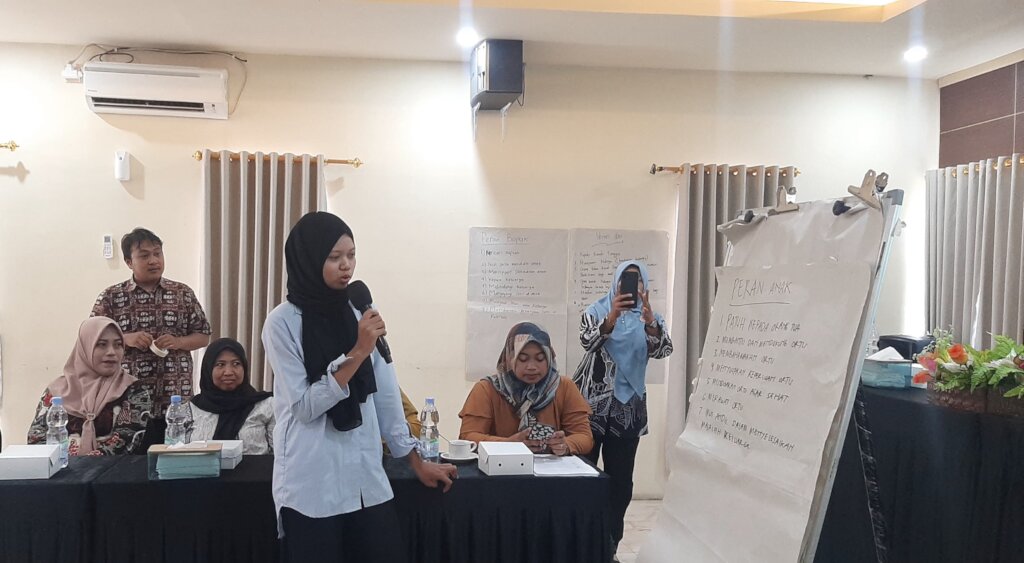
To strengthen the economic protection of women and their families, INFEST Yogyakarta, in collaboration with the Indonesian Migrant Worker Community (KOPI), organized a coordination and evaluation meeting focused on cooperative governance and business unit management. The activity was held in Ponorogo on 21 March 2025 and brought together cooperative managers, KOPI representatives, and INFEST staff involved in developing the Koperasi Konsumen Pusat Tenaga Kerja Indonesia (KPTKI).
This meeting was conducted as a follow-up to the establishment of KPTKI and the operation of the “Sobat TKI” grocery store business units in Ponorogo and Blitar, which had been running for approximately two months. During this initial operational phase, various challenges emerged related to business management, operational costs, reporting mechanisms, and cooperative governance. The meeting aimed to address these challenges through collective reflection, technical capacity-building, and the refinement of management systems.
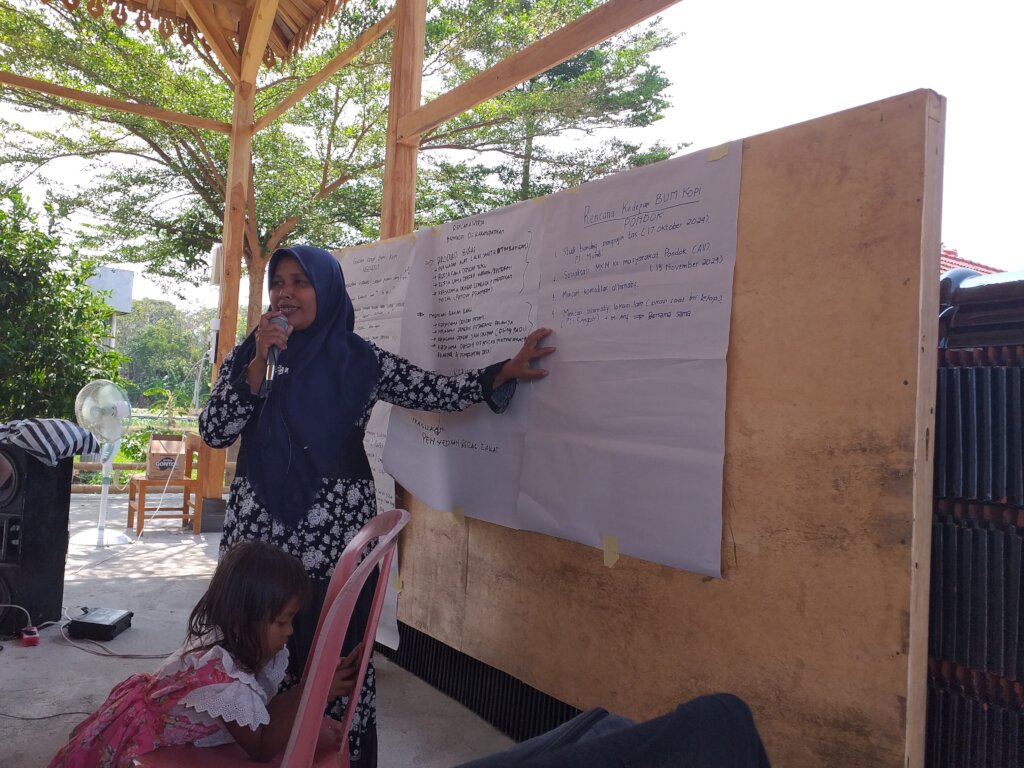
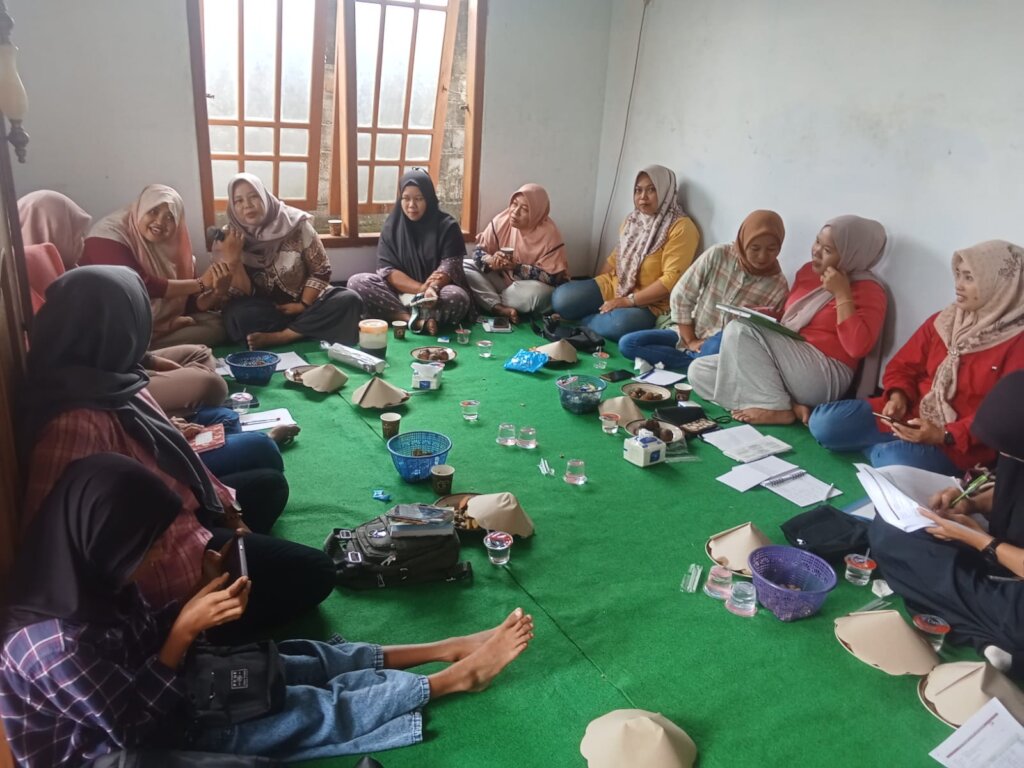
The activity was attended by 20 participants, primarily KOPI representatives and cooperative business managers from Ponorogo and Blitar, along with INFEST staff. The meeting served as a space for shared learning, coordination, and strategic alignment among actors responsible for managing cooperative business units.
Main Sessions and Learning Process
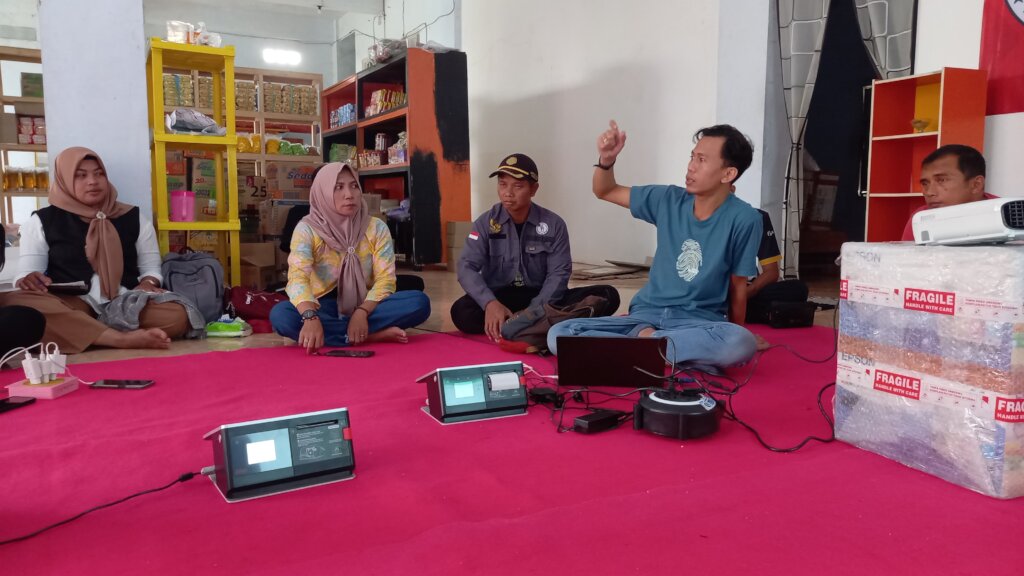
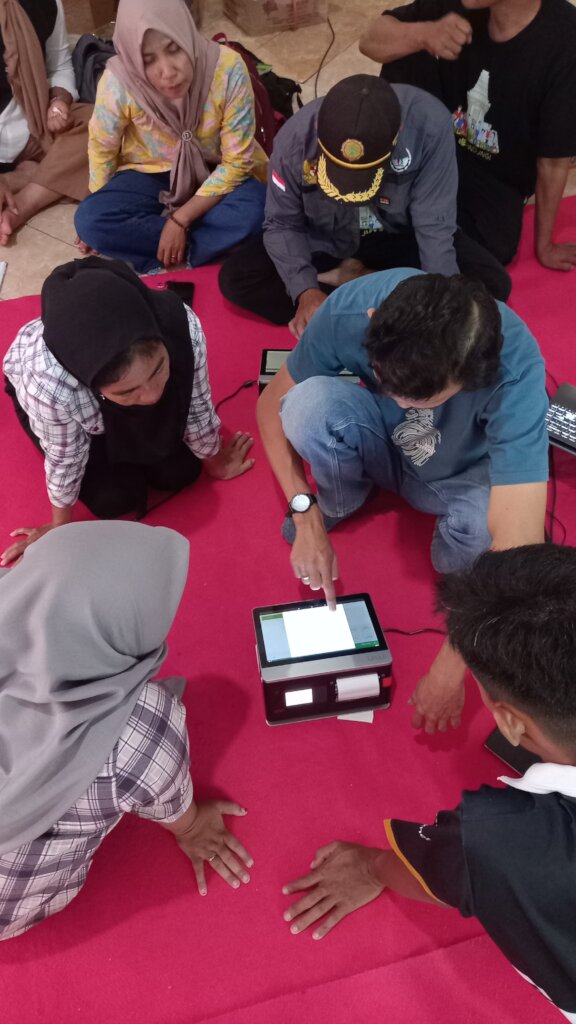
In the first session, participants were introduced to the Point of Sale (PoS) application as a digital tool to support transparent and accountable store management. Facilitators guided participants through the basic features of the PoS system, including product data entry, cashier transaction recording, and centralized data synchronization. This session aimed to improve participants’ capacity to accurately document sales transactions and strengthen financial oversight within the cooperative's business units.
The second session focused on a business performance evaluation, delivered directly by the cooperative business managers from Blitar and Ponorogo. Participants jointly reflected on operational experiences over the past two months, examining sales performance, daily operations, human resource management, and basic marketing strategies. The discussion revealed that while managers were still working to reach sales targets, early innovations had already begun to emerge in response to local contexts.
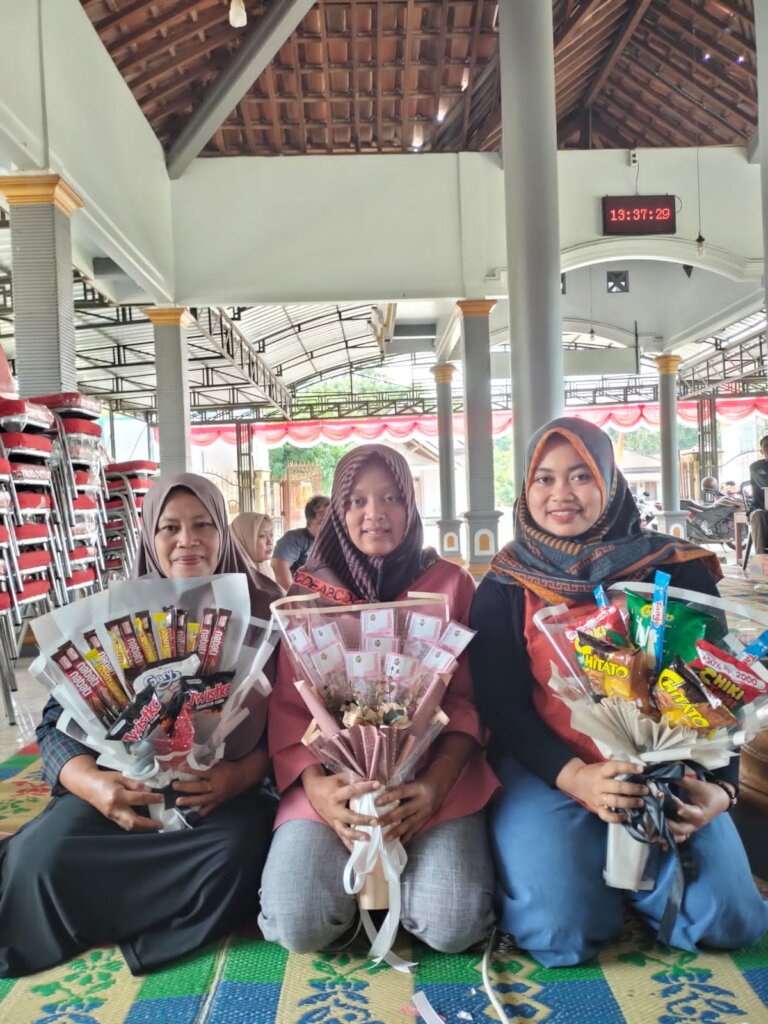
Participants shared district-specific strategies, including initiatives in Blitar during the fasting month, where grocery packages were ordered by Indonesian migrant workers abroad for their families, and outreach-based marketing efforts in Ponorogo, carried out in collaboration with village-level communities. These experiences highlighted the importance of flexibility and local adaptation in cooperative business development.
The final part of the meeting was dedicated to collective reflection on cooperative governance, including the roles and responsibilities of store managers, reporting mechanisms between business units and the cooperative, and the need for clearer operational standards. Based on shared experiences, a draft Standard Operating Procedure (SOP) for grocery store management was reviewed and refined to better reflect field conditions.
Key Achievements and Outcomes
The meeting resulted in several important outcomes. A refined draft of the SOP for grocery store management was developed, incorporating lessons learned from 2 months of operational experience. Participants gained practical knowledge of using the PoS application to document transactions and enhance financial transparency. The activity also strengthened mutual understanding among cooperative managers regarding operational challenges and opportunities for innovation.
In addition, the meeting reinforced collective awareness of the importance of structured reporting, cost efficiency, and accountability in cooperative management. Participants agreed on follow-up steps to improve business performance, including deadlines for completing product data entry in the PoS system, monthly submission of business reports, and increased use of digital marketing to support sales growth.
Project reports on GlobalGiving are posted directly to globalgiving.org by Project Leaders as they are completed, generally every 3-4 months. To protect the integrity of these documents, GlobalGiving does not alter them; therefore you may find some language or formatting issues.
If you donate to this project or have donated to this project, you can receive an email when this project posts a report. You can also subscribe for reports without donating.



Support this important cause by creating a personalized fundraising page.
Start a Fundraiser