By Edi Purwanto | Project Staff
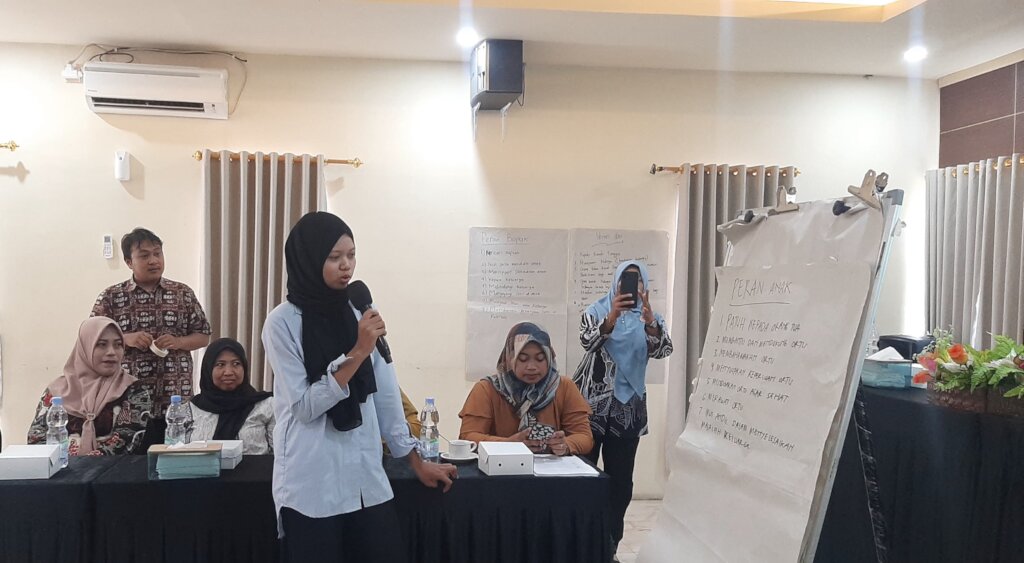
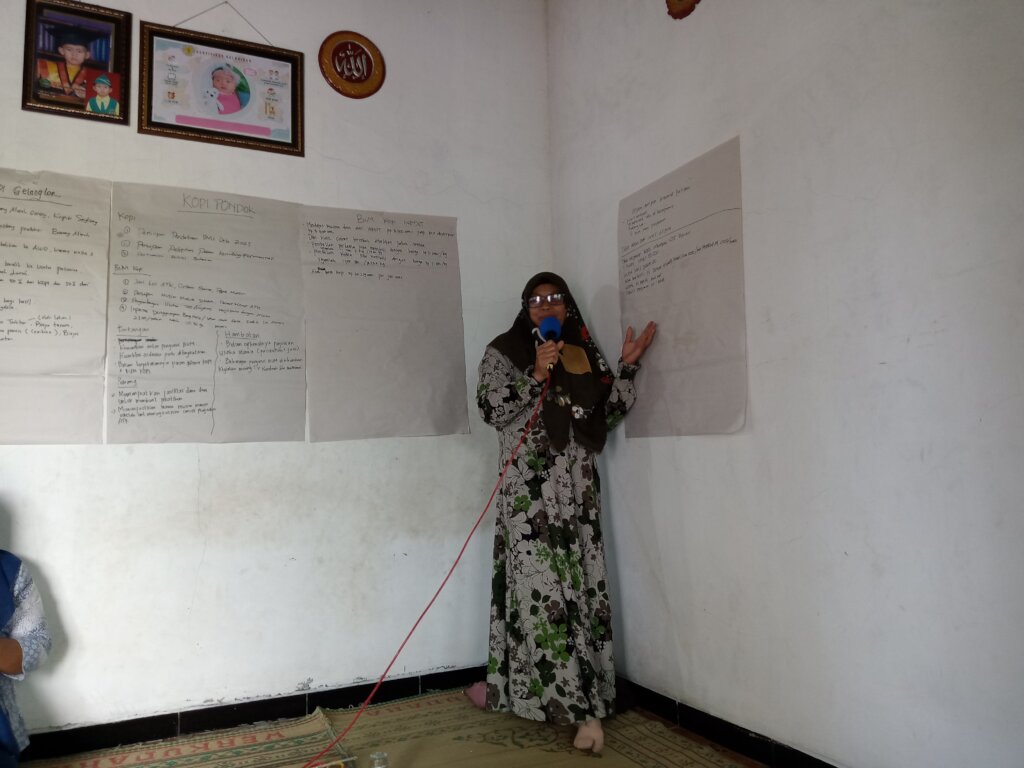
BLITAR, INDONESIA – The Indonesian Migrant Workers’ Community (KOPI) from five villages in Blitar Regency, in collaboration with the INFEST Foundation, convened a strategic planning forum to formulate the 2026 Community Business Development Plan.
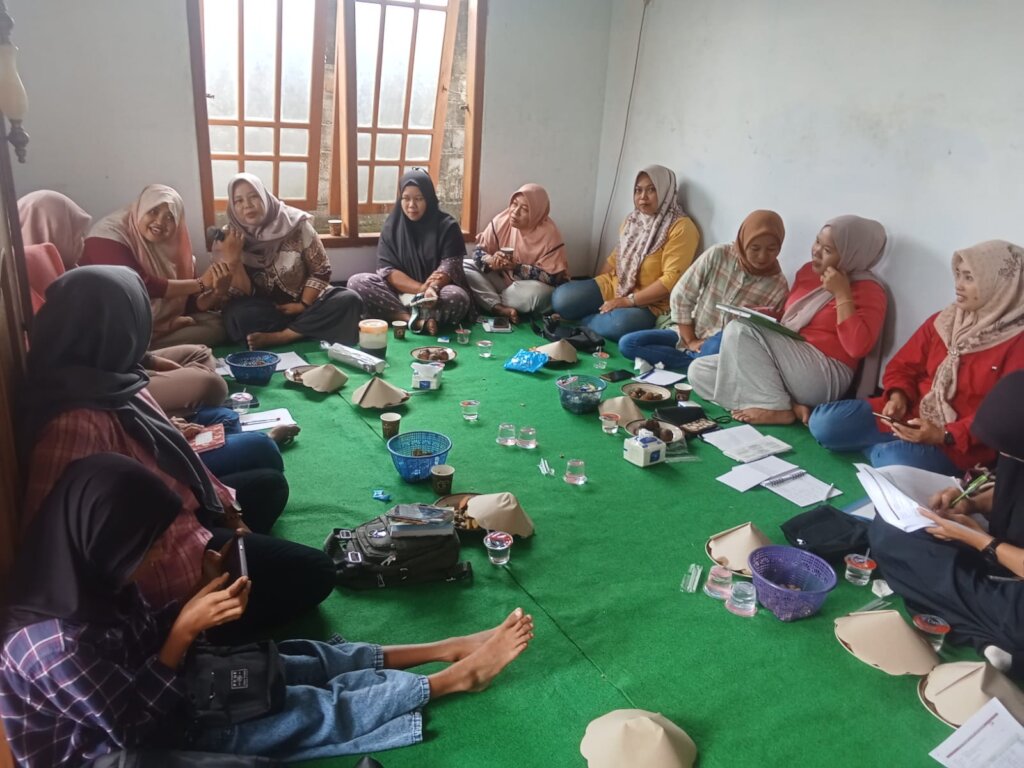
The forum, titled “Strategic Planning for Community Business Development across 5 Villages in Blitar Regency 2026,” was held on Sunday, December 14, 2025, at Puri Arta Hotel, Blitar. The meeting gathered 34 participants, including board members of KOPI and Community-Owned Enterprises (BUMKOPI) from Gogodeso, Jatinom, Pandanarum, Lorejo, and Sumberagung, alongside representatives of the Blitar Regency KOPI board and the INFEST team.
Since its establishment in late 2022, KOPI’s economic empowerment initiatives have evolved with varied outcomes. Some village enterprises have demonstrated steady growth and resilience, while others have encountered stagnation or operational setbacks. The meeting provided a structured space for evaluation, peer learning, and forward-looking strategy development.
Village Business Reflections and Strategic Directions Gogodeso: Strengthening Professional Retail Management
Naim, Chairperson of KOPI Gogodeso, which manages a basic food supplies (sembako) store, emphasized the need for stronger managerial systems.
“Our store is running, but we recognize gaps in management and marketing strategy. This meeting has opened our eyes to the importance of detailed business planning so that we do not merely operate—but truly grow.”
The 2026 roadmap includes improving bookkeeping systems, inventory management, pricing strategy, and local promotional outreach.
Pandanarum: Expanding the Organic Fertilizer Market
In Pandanarum, the enterprise focus centers on organic fertilizer production. Sudarmianto, Chairperson of KOPI Pandanarum, highlighted the main constraint: market access.
“We have a high-quality product, but access to broader markets and modern marketing technology remains limited. With the 2026 strategy, we hope to reach farmers beyond our own village.”
The new strategy includes:
Strengthening branding and packaging
Exploring digital marketing channels
Building partnerships with farmer groups in neighboring districts
Enhancing production consistency and quality assurance
Jatinom: Institutional Strengthening and Shared Ownership
Sundoko, Chairperson of KOPI Jatinom, underscored that sustainable retail operations require collective commitment.
“Our strategy moving forward focuses on institutional strengthening and fairer role distribution, ensuring the business truly belongs to the community.”
The 2026 plan prioritizes clearer task allocation, transparent financial reporting, and stronger member engagement to maintain long-term viability.
Lorejo and Sumberagung: Aligning Business with Local Capacity
Representatives from Lorejo and Sumberagung emphasized aligning enterprise models with local skills and resources. Rather than replicating identical business types, both villages aim to refine models suited to their demographic composition, market conditions, and available capital.
This approach reflects a growing maturity in community economic planning—prioritizing feasibility, risk mitigation, and adaptive management.
Strengthening the Economic Pillar of Migrant Worker Protection
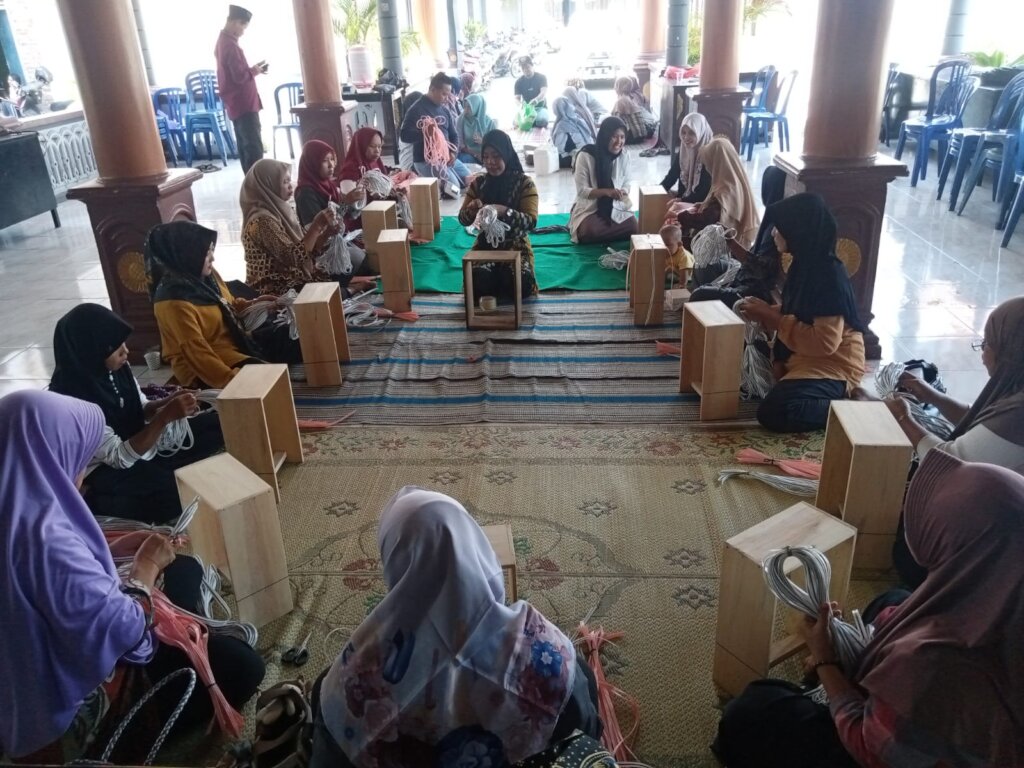
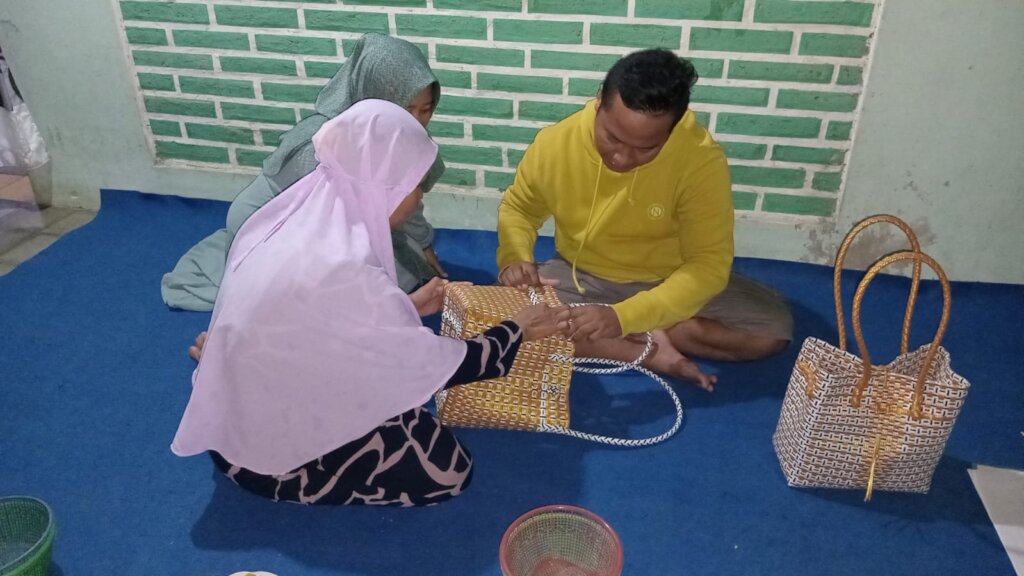
Economic empowerment within KOPI is not solely about income generation. It functions as a strategic pillar of protection for Indonesian Migrant Workers (PMI) and their families.
Hadi, Program Manager at INFEST Foundation, explained:
“KOPI was established as a support system and a partner to village governments. After successfully addressing legal assistance and human resource training, the focus is now shifting toward economic strengthening. While enthusiasm is high, business management requires a structured and methodical approach.”
He further emphasized that the meeting transformed practical experiences—both failures and successes—into a measurable and actionable Follow-Up Plan (Rencana Tindak Lanjut – RTL).
“We want to ensure these community enterprises generate genuine economic independence for migrant workers’ families.”
This reflects INFEST’s integrated empowerment framework, where economic resilience complements legal protection, social support, and institutional strengthening.
A Shared Commitment Toward 2026
The strategic planning forum concluded with a comprehensive development roadmap for 2026, including:
Strengthened financial governance systems
Diversified and risk-mitigated business portfolios
Expanded market access and marketing innovation
Enhanced institutional accountability
Capacity-building for board members and managers
The meeting marked a significant milestone in the collective journey toward community-based economic independence in Blitar Regency.
Through structured planning, collaborative learning, and shared accountability, KOPI and INFEST reaffirm their commitment to transforming remittances and migrant labor sacrifices into sustainable local prosperity—ensuring that economic empowerment becomes a foundation for long-term social resilience.
Project reports on GlobalGiving are posted directly to globalgiving.org by Project Leaders as they are completed, generally every 3-4 months. To protect the integrity of these documents, GlobalGiving does not alter them; therefore you may find some language or formatting issues.
If you donate to this project or have donated to this project, you can receive an email when this project posts a report. You can also subscribe for reports without donating.



Support this important cause by creating a personalized fundraising page.
Start a Fundraiser