By Edi Purwanto | Project Staff
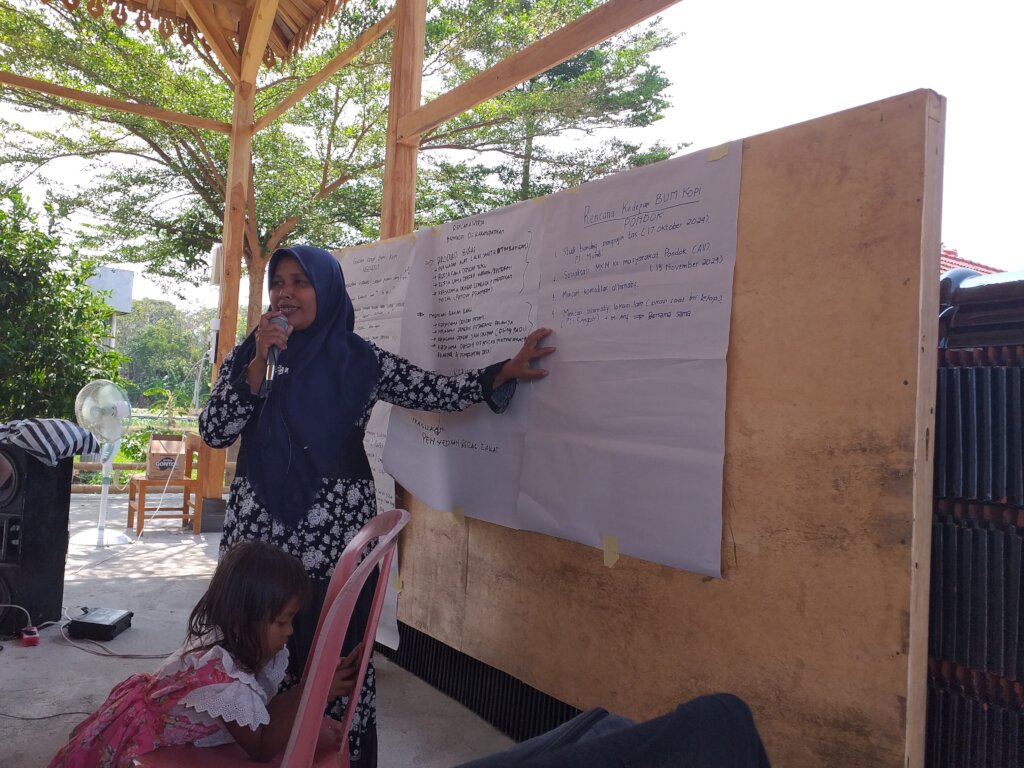
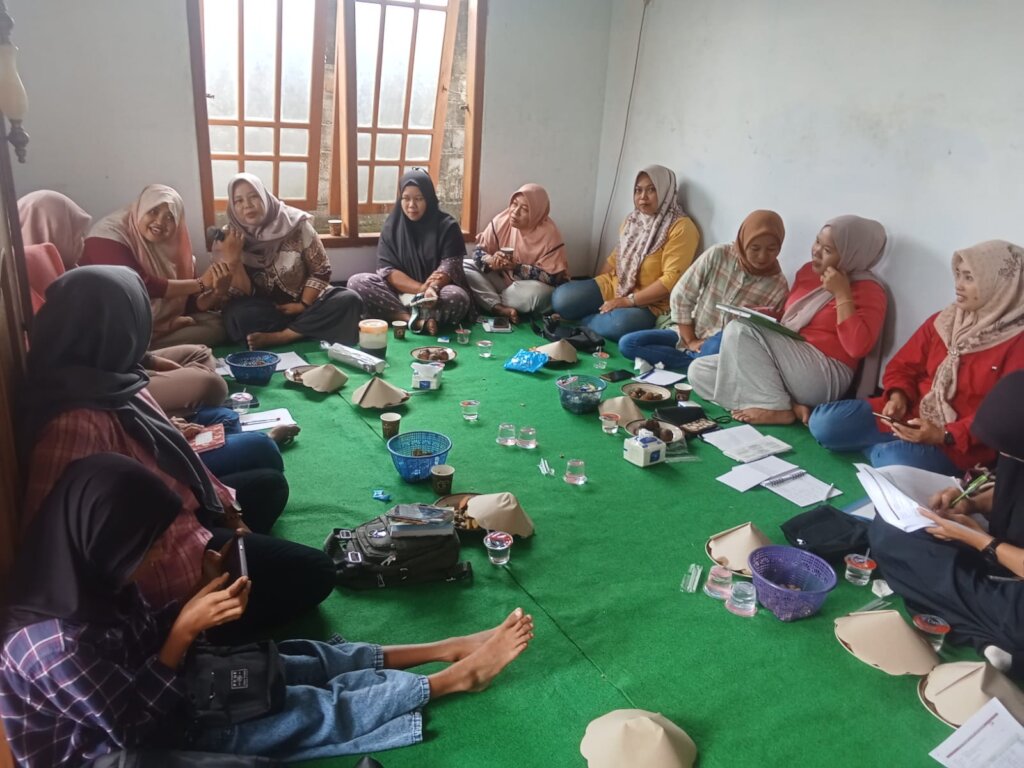
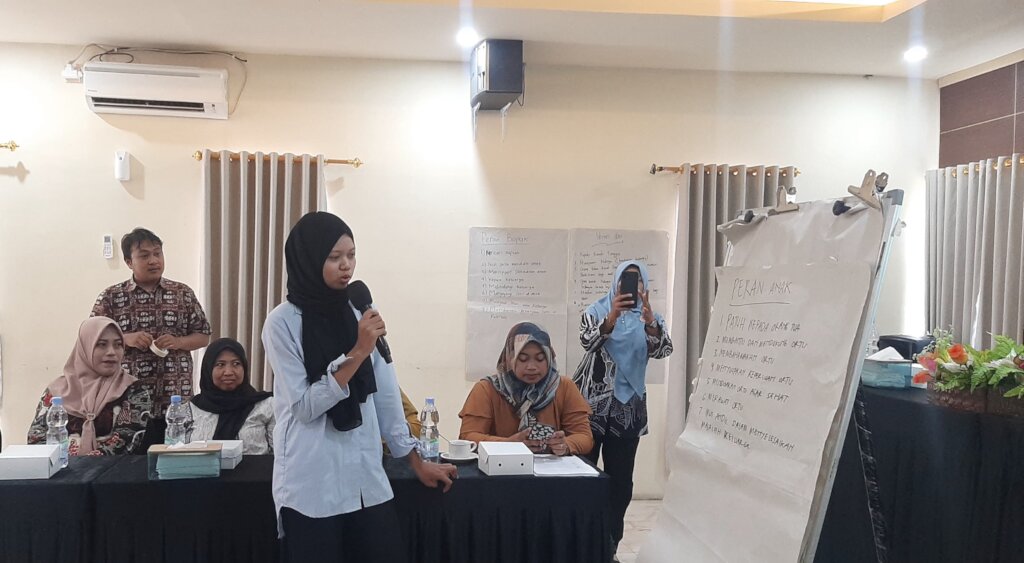
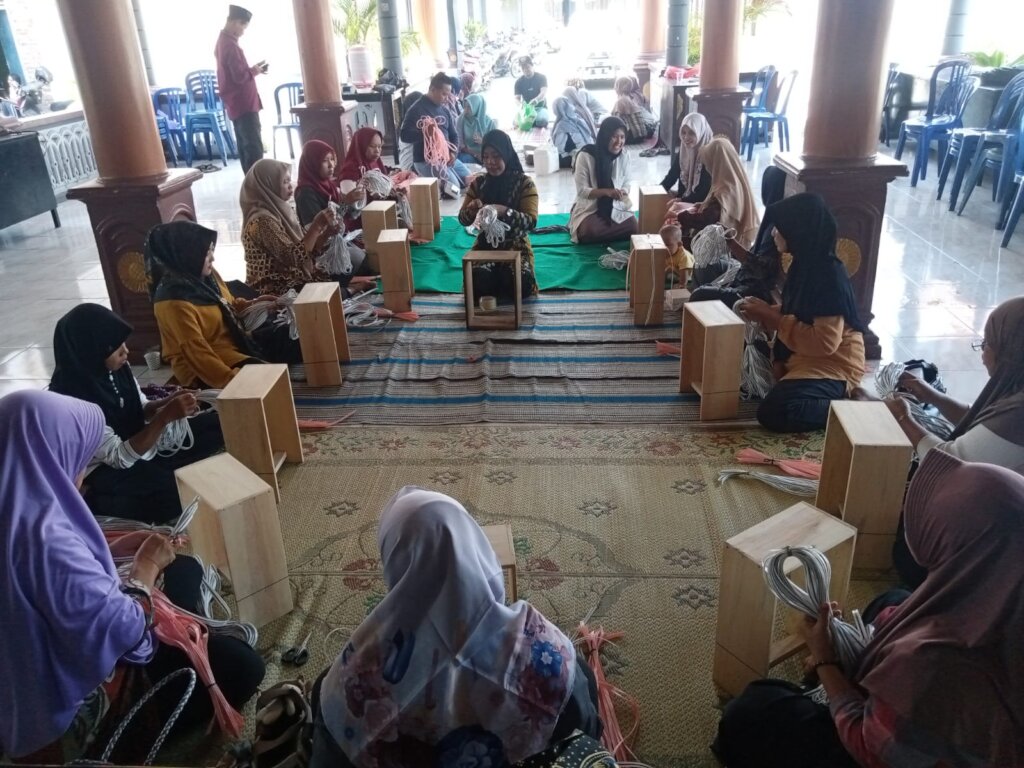
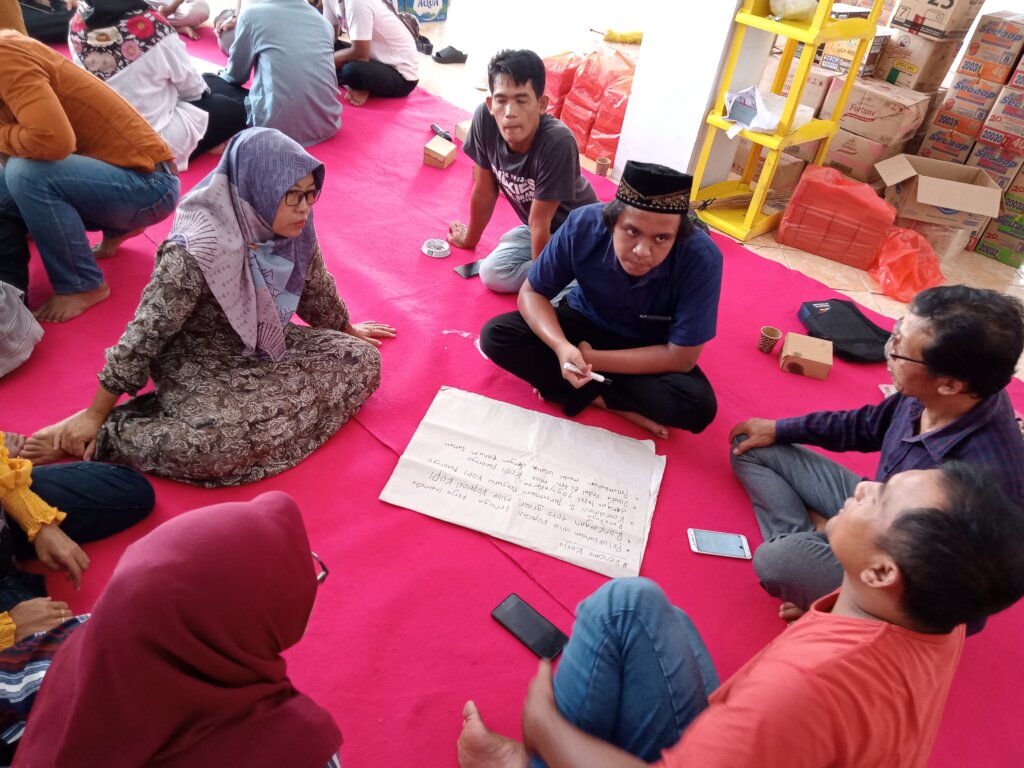
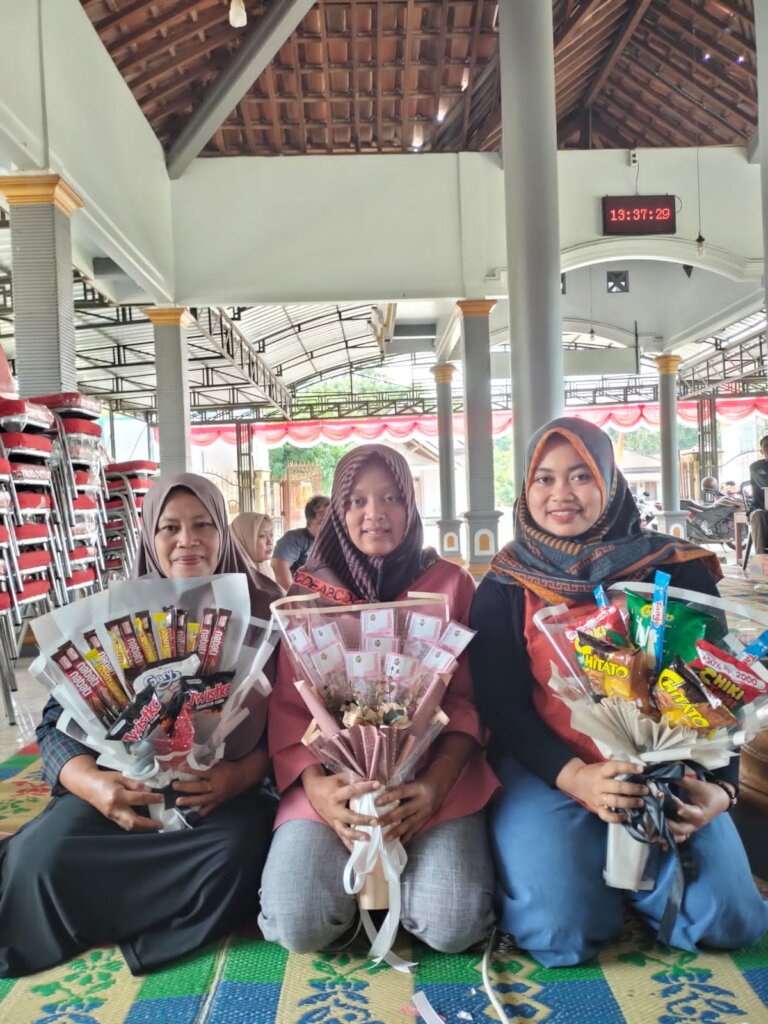
On Saturday, 1 November 2025, the INFEST Foundation facilitated a strategic community meeting in Pondok Village, attended by 38 participants representing five villages. The participants included members and management boards of the Indonesian Migrant Workers Community (KOPI) and its affiliated village-owned enterprises (BUM-KOPI).
The meeting aimed to evaluate ongoing community-based economic initiatives and to collectively assess business performance, risk management strategies, and future investment directions. The session reflected INFEST’s long-term commitment to strengthening grassroots economic governance and women-led community enterprises.
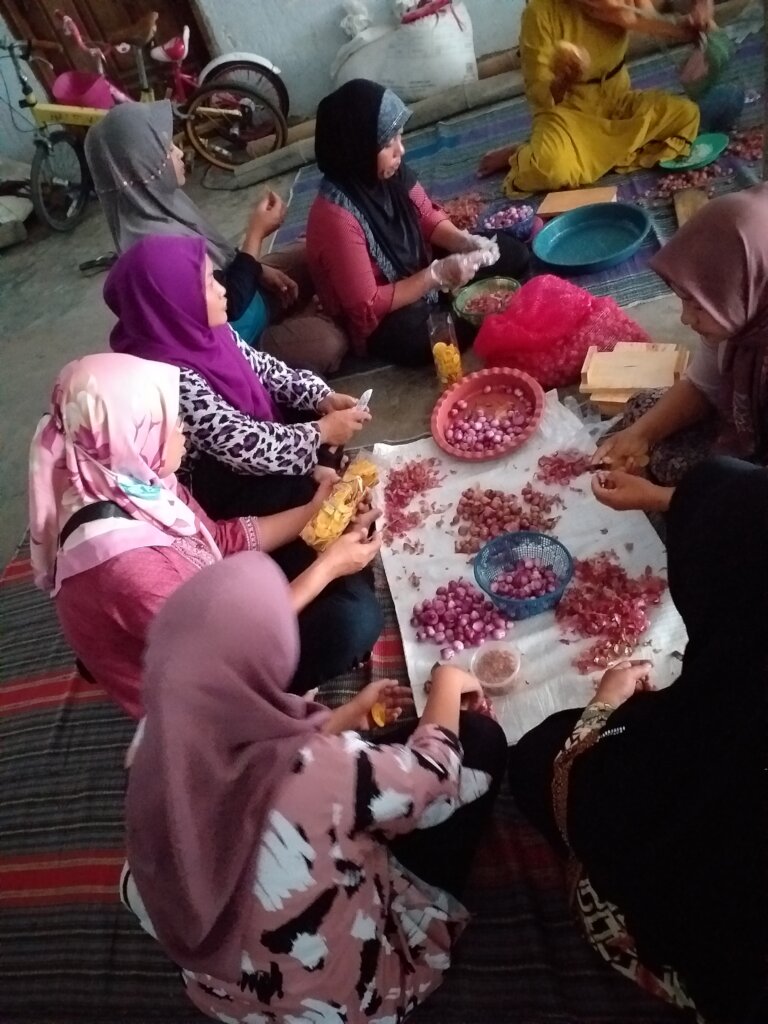
Marsudi, Chairperson of BUM-KOPI Gelanglor, reported a strategic shift from small-scale food processing (fried shallots and snacks) toward agricultural production. The previous businesses were discontinued due to limited scalability and operational constraints.
The enterprise now cultivates rice on village-owned land (tanah bengkok) allocated by the village head for KOPI management. The first planting cycle generated a net income of IDR 2,000,000, which has been fully deposited into the BUM-KOPI treasury. The group is currently entering its second planting cycle.
With the potential for three harvests annually, projected annual net income may reach approximately IDR 6,000,000. This shift demonstrates a preference for lower-risk, land-based productive activities with predictable returns.
Arif Yulianto reported that BUM-KOPI Pondok continues to operate service-based micro-enterprises, including stationery sales, printing services, and online vehicle tax facilitation. While these services remain operational, growth has been incremental.
To enhance revenue stability, the group diversified into rice farming by leasing village-owned land. With an annual rental cost of IDR 2,400,000 and a net income of approximately IDR 2,000,000 per harvest, the enterprise has completed two planting cycles and one harvest to date.
Projected annual net income is estimated at IDR 4,000,000, with plans to expand cultivated land area. This diversification strategy reflects adaptive management and risk balancing between service and productive sectors.
BUM-KOPI Karangpatihan has initiated a chair rental business in partnership with a local wedding organizer. The collaboration model reduces operational risks by leveraging existing event networks. The enterprise has generated initial revenue of IDR 500,000, now recorded in the group’s cash balance.
Though still in its early phase, this model demonstrates potential for scaling through service partnerships rather than capital-intensive expansion.
Cooperative Governance: KOPI Ponorogo
The second session focused on the KOPI Ponorogo Cooperative. Members collectively agreed to formally close the Sobat TKI shop due to operational inefficiencies.
The cooperative currently maintains a cash balance of approximately IDR 11,000,000. Through deliberative discussion, members agreed to allocate part of the funds toward:
Establishing an additional iced tea (es teh) outlet in Pondok Village, replicating a proven business model.
Investing in rice cultivation to generate relatively predictable returns and gradually restore cooperative capital.
This dual strategy reflects a balance between quick-turnover micro-retail and stable agricultural production.
Strategic Reflections
The meeting underscored several important trends:
A growing shift toward agriculture as a relatively low-risk and asset-based livelihood strategy.
Increased prudence in capital allocation and liquidity management.
Stronger collective decision-making processes within KOPI governance structures.
Adaptive learning from previous business failures and restructuring toward more sustainable models.
Beyond financial performance, the gathering reinforced social cohesion, accountability, and participatory governance—key foundations for long-term community resilience.
Conclusion
The November 2025 meeting marked an important milestone in consolidating grassroots economic institutions under KOPI and BUM-KOPI. While income levels remain modest, the enterprises demonstrate measurable progress, strategic adaptation, and strengthened financial discipline.
Most importantly, the forum reaffirmed that sustainable community enterprises are built not only through capital injection, but through collective learning, trust-building, and prudent management—principles that remain central to INFEST Foundation’s community empowerment approach.
Project reports on GlobalGiving are posted directly to globalgiving.org by Project Leaders as they are completed, generally every 3-4 months. To protect the integrity of these documents, GlobalGiving does not alter them; therefore you may find some language or formatting issues.
If you donate to this project or have donated to this project, you can receive an email when this project posts a report. You can also subscribe for reports without donating.



Support this important cause by creating a personalized fundraising page.
Start a Fundraiser