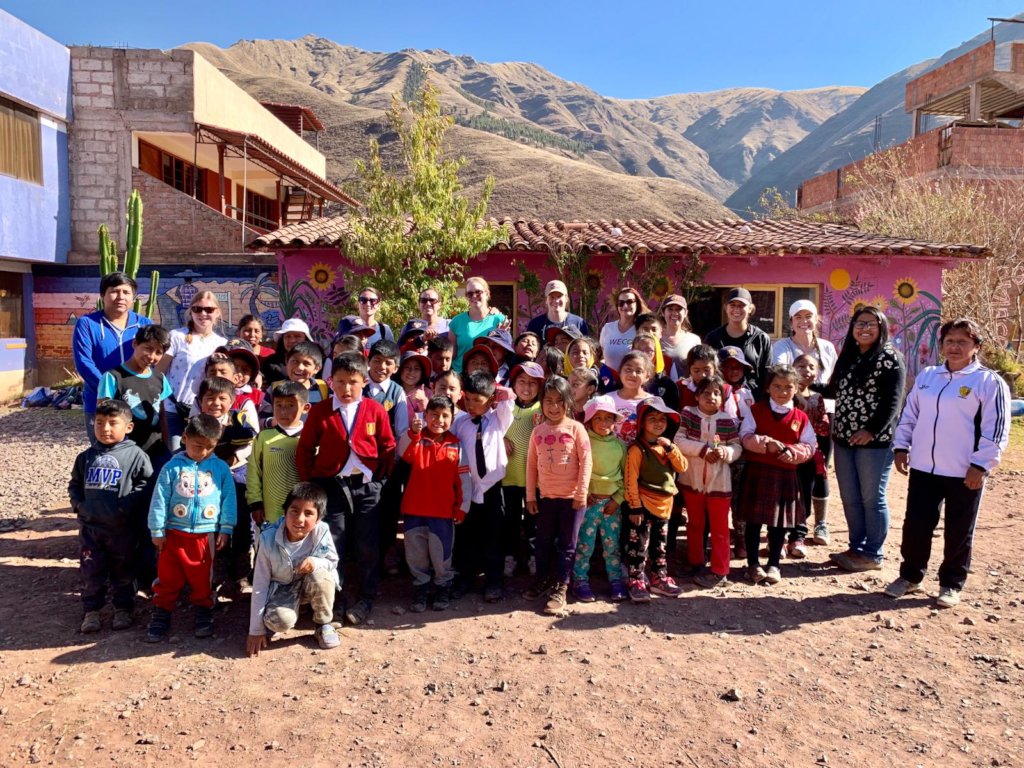
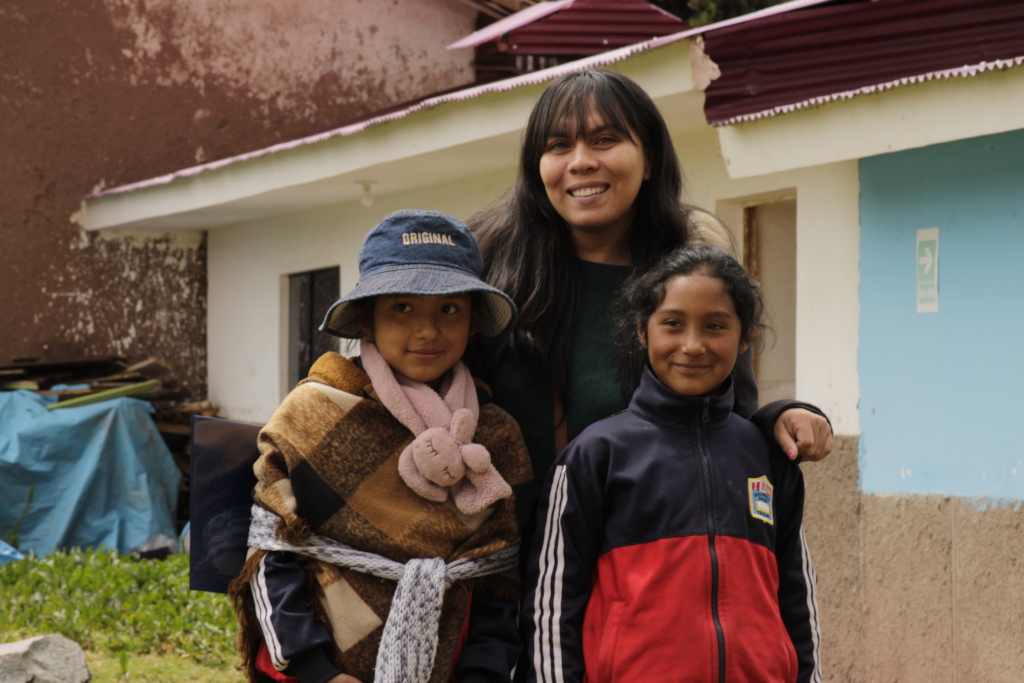
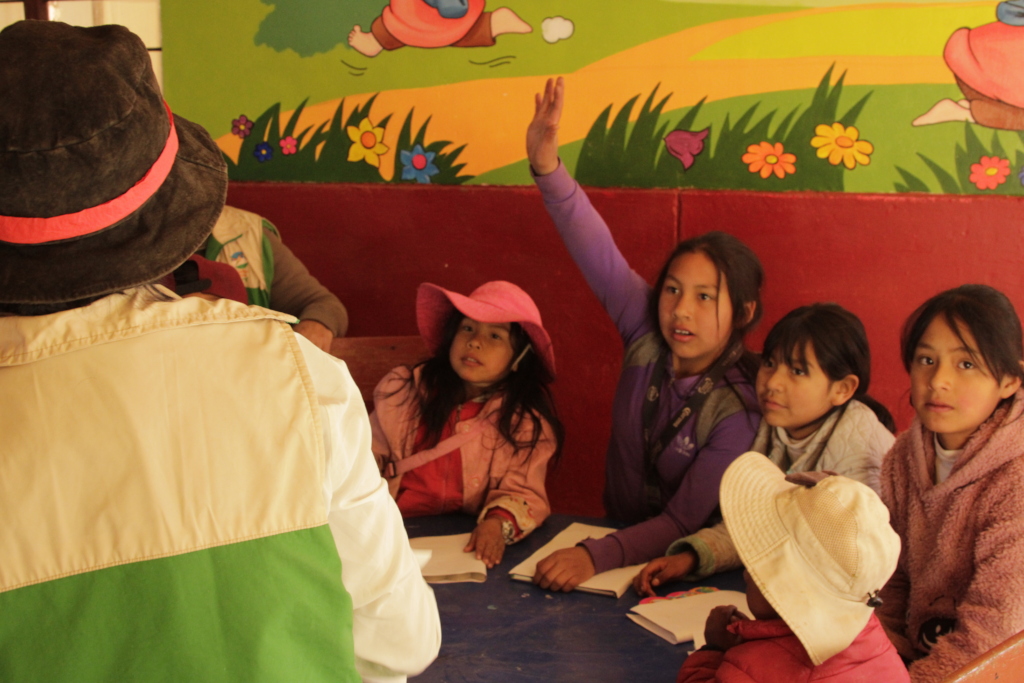
Empowering girls in Peru is crucial for several compelling reasons:
Gender Equality: Empowering girls is fundamental to achieving gender equality. By providing girls with equal opportunities, resources, and support, we can dismantle traditional gender roles and norms that limit their potential. This empowerment challenges pervasive gender disparities in Peru, creating a more equitable society where both girls and boys enjoy equal rights and opportunities.
Poverty Alleviation: Empowering girls directly impacts poverty reduction. When girls have access to education, healthcare, and economic opportunities, they are more likely to break the cycle of poverty, improving their own lives and the lives of their families and communities. By investing in girls' education and skills development, Peru can unlock their potential to contribute to economic growth and development, ultimately leading to a more prosperous nation.
Sustainable Development: Empowering girls is essential for achieving sustainable development goals. Girls and women play vital roles in various societal aspects, including education, health, environment, and governance. When girls are empowered, they become agents of change, capable of making informed decisions, advocating for their rights, and contributing to their communities' development. Investing in girls' empowerment is an investment in Peru's future, ensuring a more inclusive and sustainable development trajectory.
Empowering girls in Peru is not only a matter of social justice and human rights but also a strategic imperative for the country's progress. By addressing the barriers that hold girls back and providing them with equal opportunities, Peru can tap into the immense potential of its female population, leading to a more prosperous, equitable, and sustainable society.
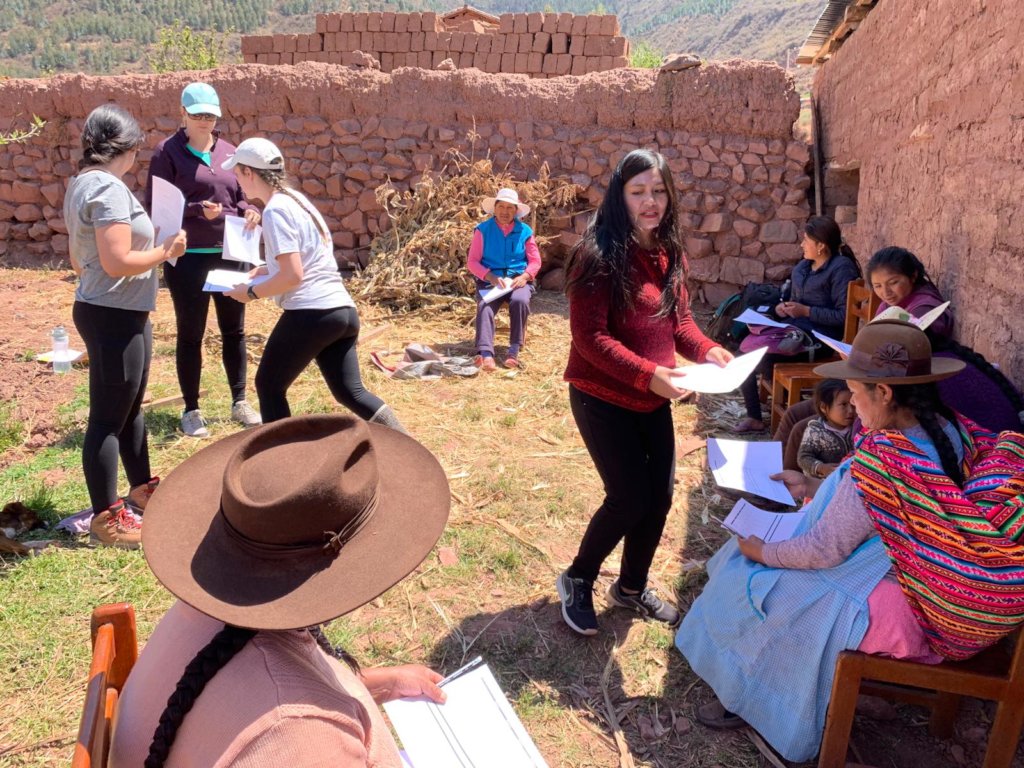
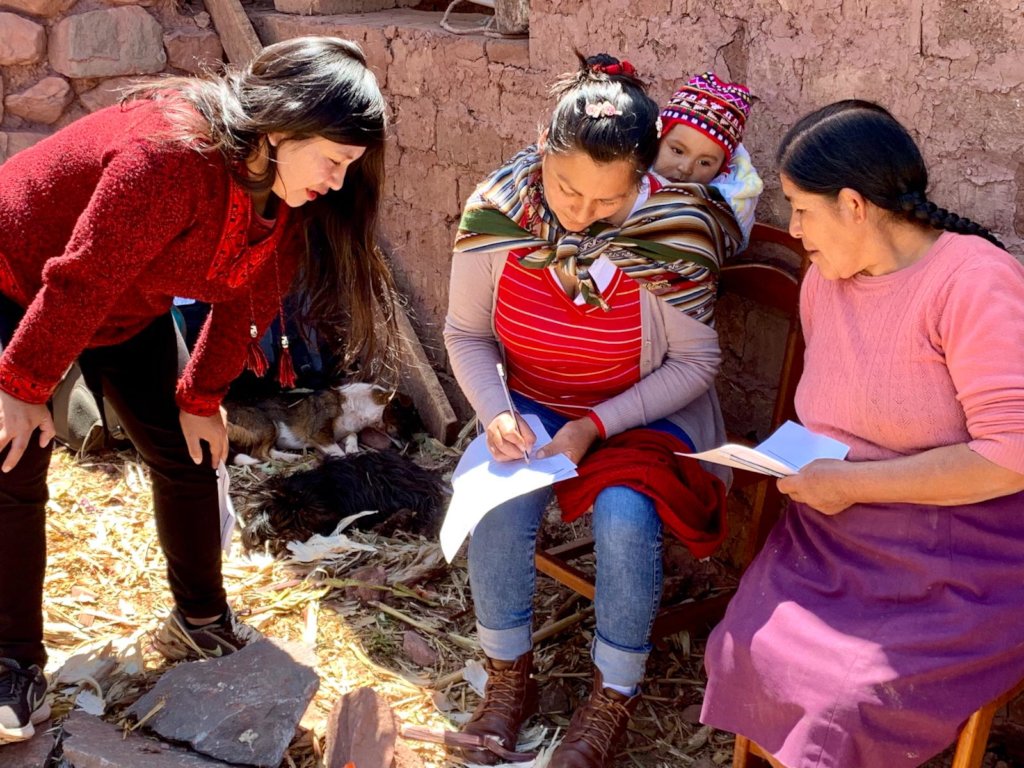
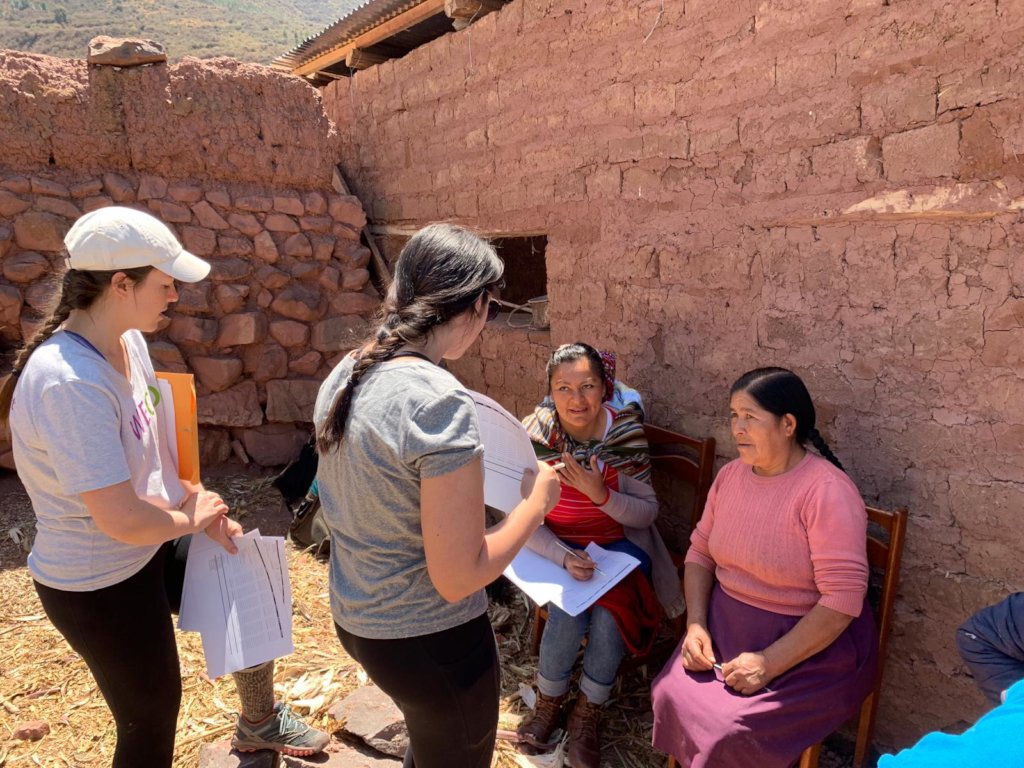
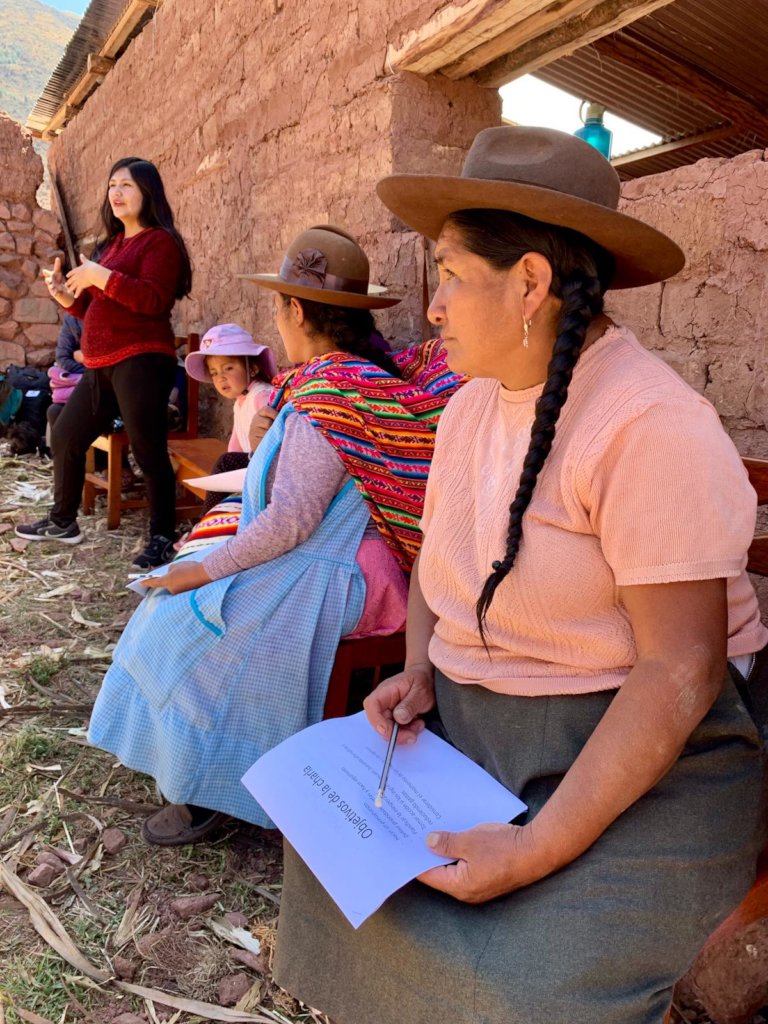
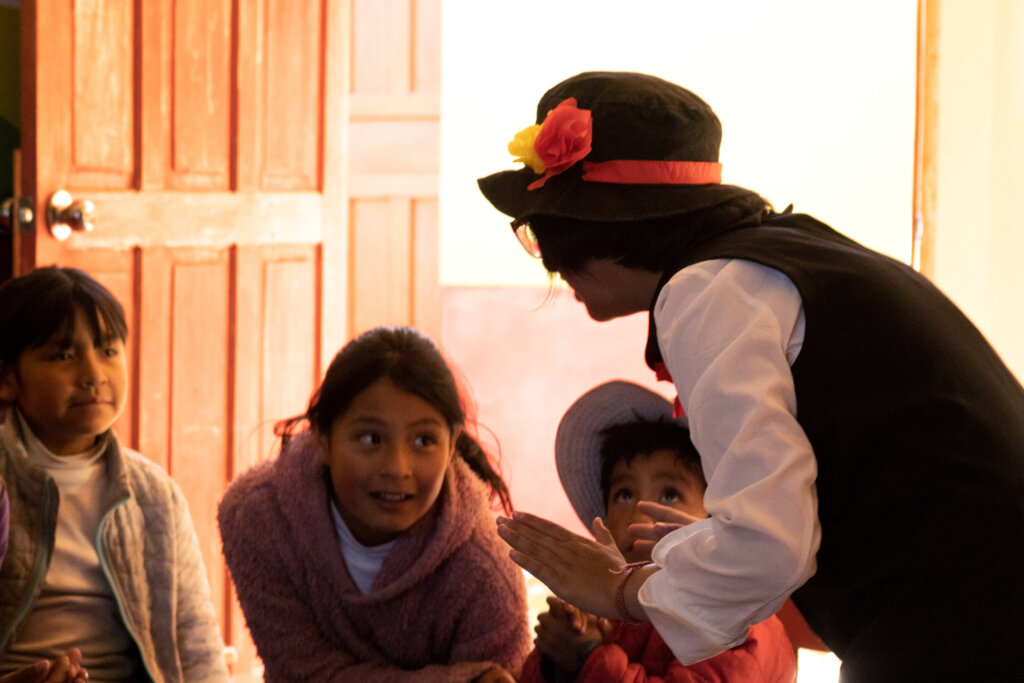
Our Workshops
Our workshops consist of eight parts, each designed to address specific aspects of girls' empowerment:
Part 1: Identity and Culture
- Aims: Identify the issues affecting girls in Cusco and explore ways to address them.
Part 2: Relationships with Family and Friends
- Aims: Establish safe routes for girls to report danger and highlight the dangers of social media.
Part 3: Violence and Staying Safe
- Aims: Recognize support systems and identify three trustworthy adults in their lives.
Part 4: Girls' Rights and Values
- Aims: Emphasize the importance of girls' voices and ensure their views are heard and valued.
Part 5: Gender Norms and Equality
- Aims: Discuss future aspirations, challenge workplace gender norms, and break stereotypes about equality in the workplace.
Part 6: The Body and Development
- Aims: Provide information about puberty and sexual development in a comfortable, open setting.
Part 7: Sexuality and Reproductive Health
- Aims: Create a safe space to discuss sexuality and reproductive health, topics often neglected in school.
Part 8: Skills for Future Well-being
- Aims: Reinforce learning through games and activities, and review how to apply these tools in future life.
Challenges and the Way Forward
Despite significant progress, several challenges remain in empowering girls in rural Peru. Persistent gender stereotypes, cultural norms, and socioeconomic barriers continue to hinder girls' advancement. Ongoing advocacy and awareness campaigns are necessary to challenge these norms and promote gender equality. Sustaining and expanding existing programs is crucial for continued progress. Collaboration between the government, NGOs, and local communities is vital to develop comprehensive strategies addressing the multifaceted challenges faced by these girls, providing them with equal opportunities to thrive.
Thank you for your continued support in empowering girls in Peru. Together, we can create a brighter future for all.
Warm regards