Project Report
| Oct 28, 2024
Saidika Organization Quarterly Report Quarter: Q3
![]()
Executive Summary
In Q3 2024, Saidika Organization made significant strides in addressing Gender-Based Violence (GBV) and Sickle Cell Disorder through community education, support services, and partnerships. This quarter, we reached over 500 individuals in awareness campaigns, provided direct support to survivors of GBV, and initiated screenings for Sickle Cell Disorder in underserved areas. Partnerships with local healthcare providers and community leaders were instrumental in expanding our impact.
2. Introduction
Saidika Organization is committed to creating a safer, healthier community by addressing the challenges posed by GBV and Sickle Cell Disorder. Our quarterly activities focus on raising awareness, offering direct support, and advocating for change. This report outlines our activities, achievements, and impact from [July to September 2024].
3. Gender-Based Violence (GBV) Program UpdatesAwareness Campaigns
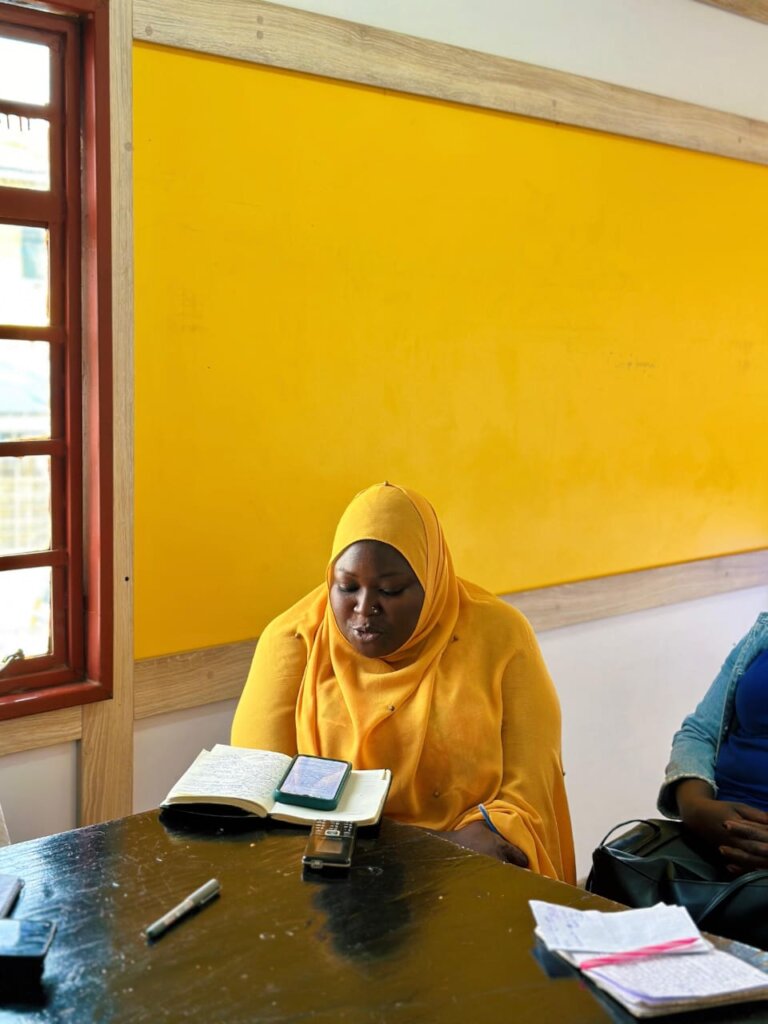
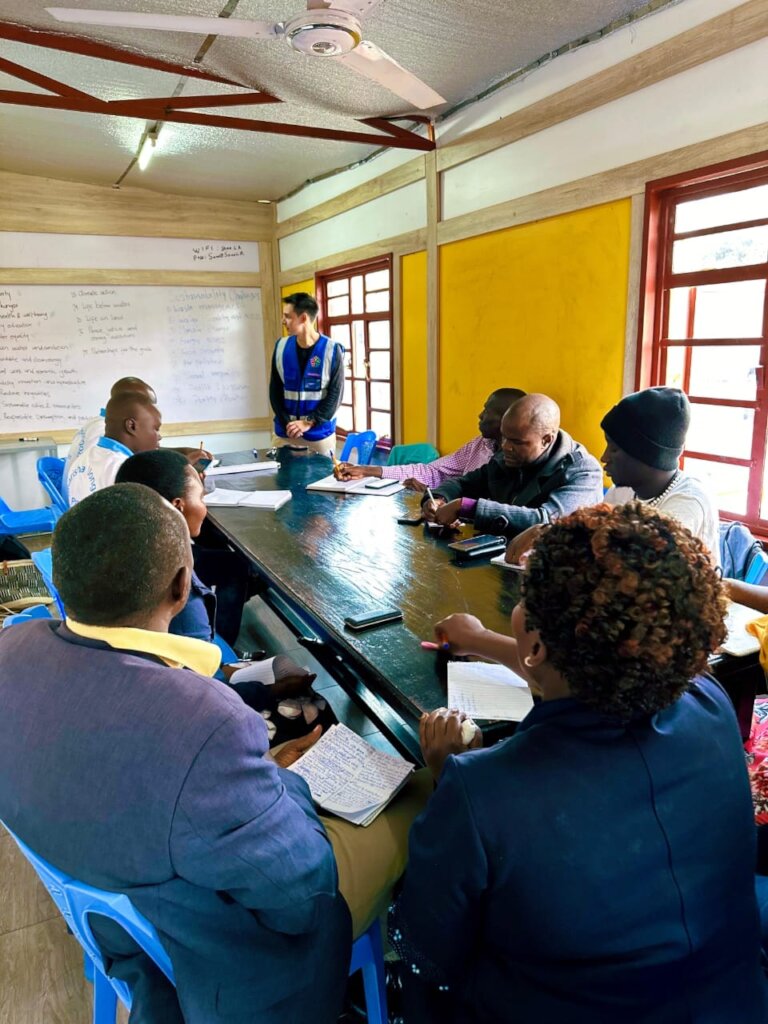
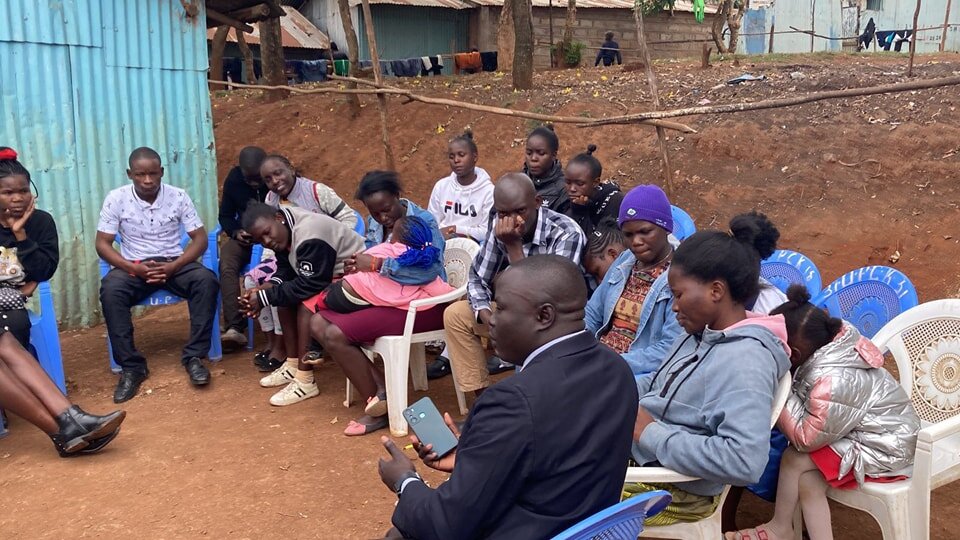
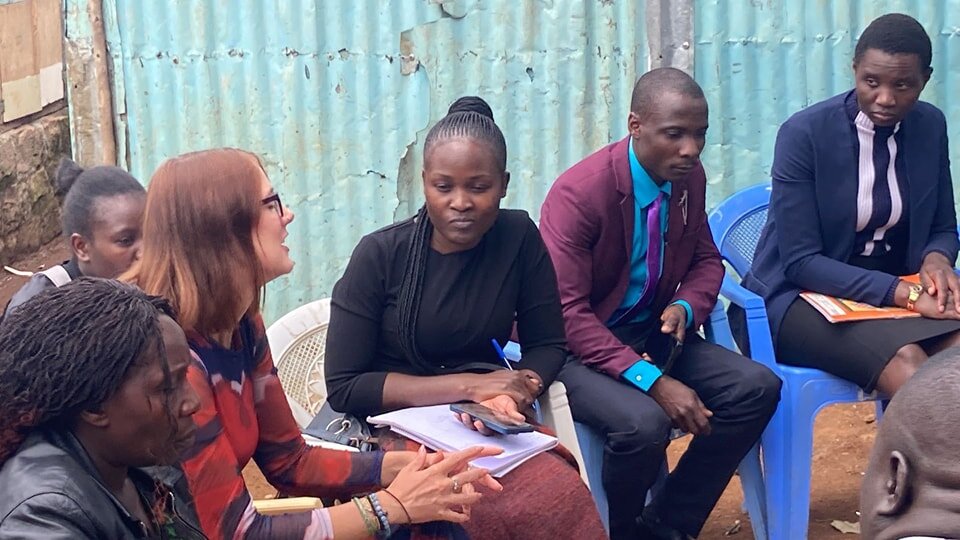
- Community Workshops: Held five workshops across [locations, e.g., Kibera, Kajiado, Nairobi], engaging over 300 participants. Key topics included recognizing signs of abuse, understanding support systems, and the importance of reporting cases.
- Youth Outreach: Collaborated with schools to educate students on healthy relationships and GBV awareness, reaching over 150 young individuals.
Support Services
- Counseling Services: Our team provided individual and group counseling to 30 survivors, focusing on emotional recovery, empowerment, and resilience.
- Legal Aid and Referrals: Partnered with [legal partners] to support victims in navigating the legal system, helping five individuals to pursue justice and secure protection orders.
Advocacy and Policy Efforts
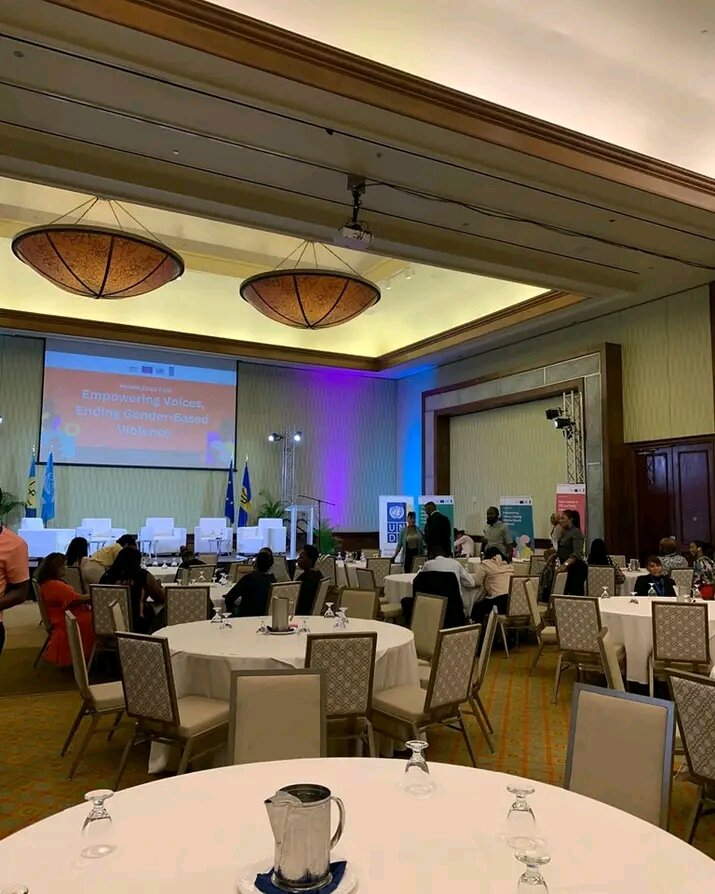
- Policy Roundtable: Engaged with local authorities to advocate for increased funding and resources for GBV prevention and survivor support. Discussions led to proposed improvements in local GBV response units.
Statistics and Data
- Reported Cases: This quarter, 40 cases were documented, primarily affecting young women aged 18-30.
- Referrals: Made 15 referrals to healthcare providers for medical evaluations, ensuring comprehensive support for each case.
4. Sickle Cell Disorder Program UpdatesHealth Awareness Campaigns
- Community Education: Conducted two seminars reaching over 120 participants, focusing on early symptoms, diagnosis, and care options for Sickle Cell Disorder.
- Collaborations with Clinics: Partnered with [healthcare providers] to distribute informational materials and increase local awareness of treatment options.
Screening and Testing Initiatives
- Screening Drives: Held two free screening events, identifying eight new cases and connecting them with necessary medical support.
- Follow-up Services: Each individual diagnosed received a personalized care plan, and family members were educated on symptom management and support strategies.
Medical and Support Services
- Patient Support Groups: Established monthly meetings for families affected by Sickle Cell Disorder, offering a space to share experiences and access counseling.
- Emergency Medical Aid: Assisted three individuals with financial aid for emergency hospitalizations related to sickle cell crises.
Data and Findings
- New Diagnoses: Eight cases identified, primarily among children aged 4-12.
- Awareness Needs: Surveyed participants indicated a need for more education on genetic counseling and preventive care, highlighting a gap to address next quarter.
5. Challenges Encountered
- GBV: Limited funding restricted the number of workshops, limiting the scale of outreach efforts.
- Sickle Cell: The lack of specialized healthcare facilities in rural areas hampered access to advanced treatments, underscoring the need for expanded mobile clinics.
6. Partnerships and Collaborations
- Healthcare Partners: Collaborated with [names of clinics/hospitals] to provide free screenings and medical support.
- Legal Aid Organizations: Partnered with [legal organizations] to assist GBV survivors in obtaining legal protection and representation.
7. Financial Overview
- GBV Program: Total expenditure of KSh 500,000, covering awareness campaigns, support services, and legal aid.
- Sickle Cell Program: Total expenditure of KSh 300,000, allocated to screening, counseling, and emergency medical support.
8. Future Plans and Objectives
For the next quarter, Saidika Organization aims to:
- Increase GBV outreach by 25% through more workshops and community events.
- Expand Sickle Cell Disorder screenings to three new regions.
- Strengthen our partnerships for funding and resources to continue expanding these critical programs.
9. Acknowledgments
We extend heartfelt thanks to our partners, donors, and volunteers. Special thanks to [partner organizations, e.g., Nairobi City County, County of Kajiado, Tuele Kenya Children’s Home] for their continued support.
![]()
![Share on Twitter]()
![Share on Facebook]()