By Mbabazi | Busingye
Reproductive rights are central to HIV advocacy. All individuals, including those living with HIV, have the right to make informed, autonomous decisions about whether to bear a child and, for women, the appropriate care during pregnancy and childbirth. For people with HIV, reproductive decisions can be more complex, involving medical decisions that can drastically reduce the risk of transmission during insemination, pregnancy, childbirth, and feeding.
Women account for more than half the number of people living with HIV in Rwanda. Young women (10-24 years old) are twice as likely to acquire HIV as young men the same age
HIV disproportionately affects women and adolescent girls because of vulnerabilities created by unequal cultural, social and economic status.Unaccommodating attitudes towards sex outside of marriage and the restricted social autonomy of women and young girls can reduce their ability to access sexual health and HIV services.
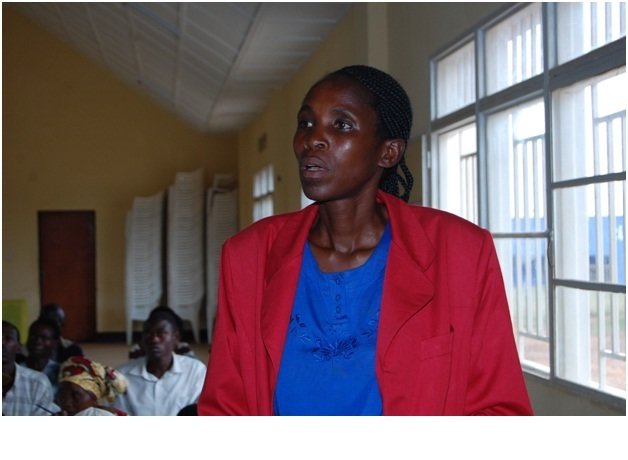
It is aginst such backround that Human rights First Rwanda embarked on a campaign targeting young girls and mothers teaching them on making informed decisions by using safe methods of protecting themselves against unwanted preganacies by using female condoms and also in the hope of protecting themselves from acquiring or getting infected by HIV/AIDS.
The campaign is on going and hopes to reach out to 20,000 young mothers and young gilrs in Both Kamonyi and Ruhango districts.
Project reports on GlobalGiving are posted directly to globalgiving.org by Project Leaders as they are completed, generally every 3-4 months. To protect the integrity of these documents, GlobalGiving does not alter them; therefore you may find some language or formatting issues.
If you donate to this project or have donated to this project, you can receive an email when this project posts a report. You can also subscribe for reports without donating.



Support this important cause by creating a personalized fundraising page.
Start a Fundraiser