By MUSANGWA Jonathan | Executive Director
1. Introduction
This report presents an update on the implementation and progress of the project “Empowering 500 Rwandan Women Living with HIV/AIDS.” The initiative is designed to address the intersecting challenges faced by women living with HIV/AIDS in Rwanda, including economic vulnerability, limited access to healthcare and psychosocial support, and persistent stigma and discrimination within communities.
The project adopts a holistic and community-based approach, combining economic empowerment, health support, and awareness-raising interventions. Through targeted activities such as vocational skills development, psychosocial counseling, and facilitated access to essential health and legal services, the project seeks to strengthen the resilience and self-reliance of beneficiaries.
In addition, the project actively engages community members and local leaders to foster a more inclusive and supportive environment for women living with HIV/AIDS. By addressing both individual and structural barriers, the initiative contributes to improved quality of life, enhanced treatment adherence, and increased social inclusion.
2. Project Progress and Key Achievements
During the reporting period, the project registered meaningful progress across its key intervention areas, despite operating within limited financial resources. Activities were strategically prioritized to ensure maximum impact on the most vulnerable beneficiaries.
Economic Empowerment:
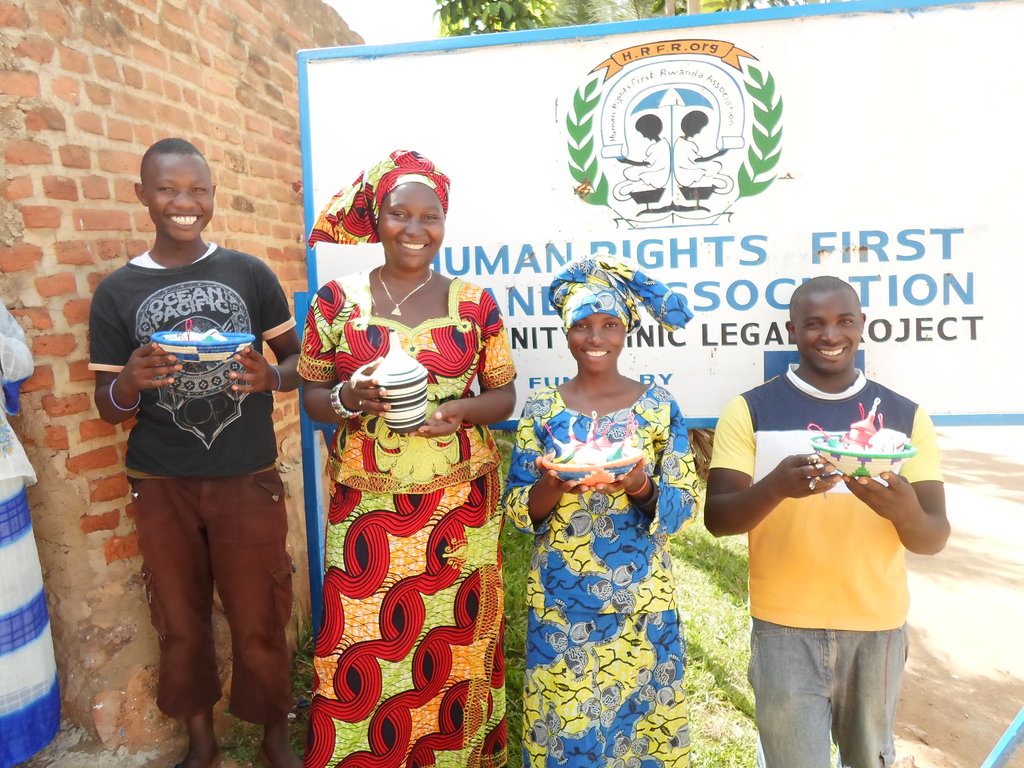
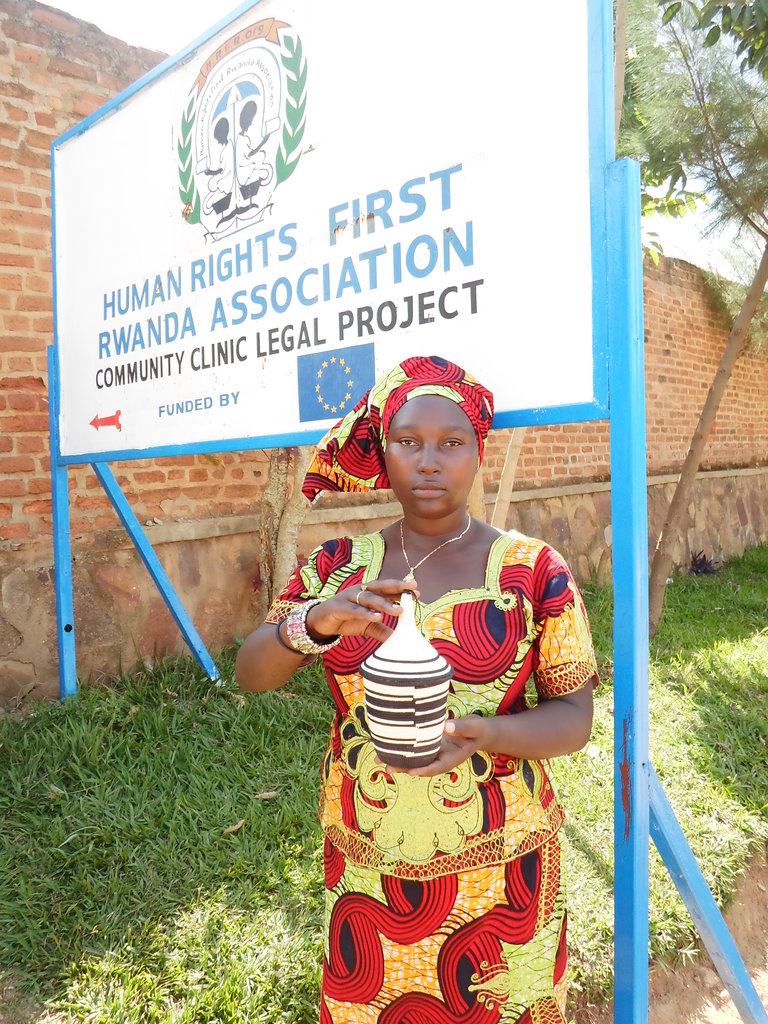
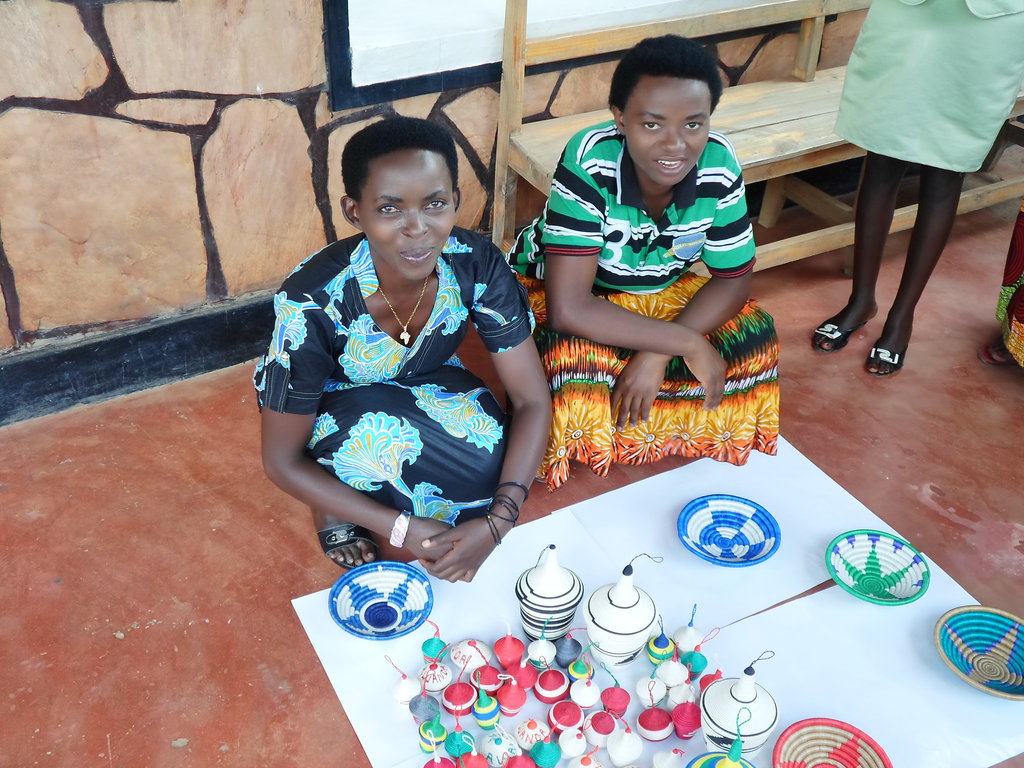
The project supported 85 women through small-scale vocational training and income-generating activities, with a focus on practical and locally viable skills such as tailoring and small trade. In addition to technical skills, beneficiaries participated in basic financial literacy sessions covering savings, budgeting, and small business management. As a result, several women have initiated or strengthened their own income-generating activities, contributing to improved household stability.
Health and Psychosocial Support:
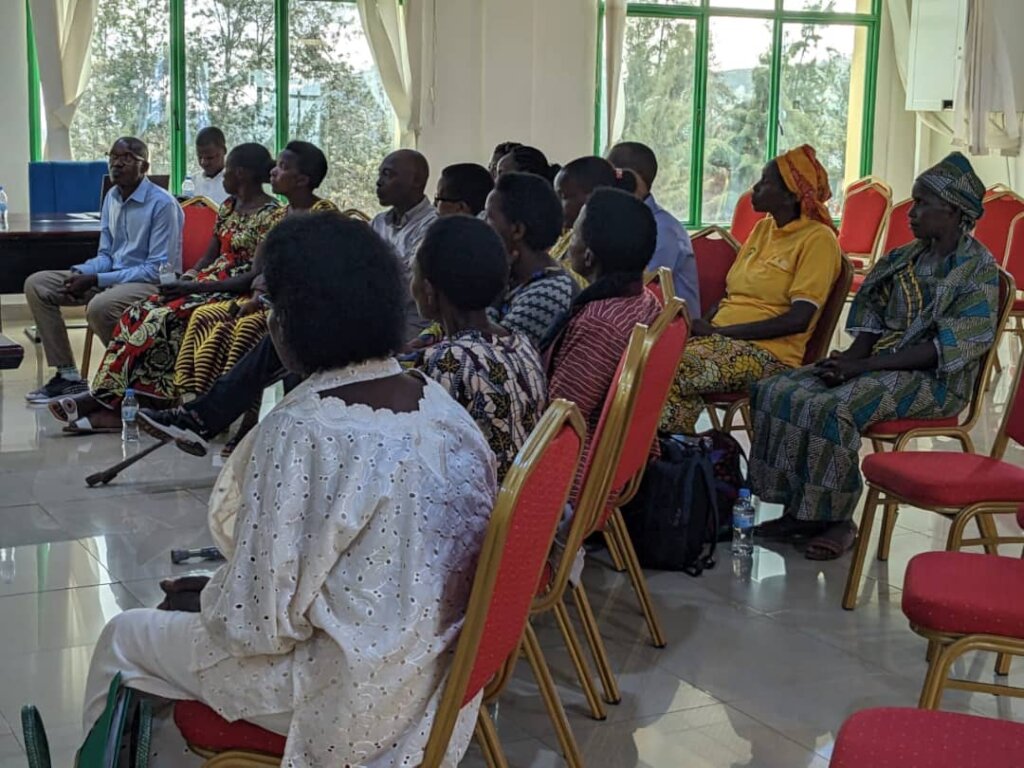
A total of 33 women benefited from psychosocial counseling and peer support sessions. These interventions provided safe spaces for sharing experiences, addressing stigma, and building mutual encouragement. The support contributed to improved emotional well-being and strengthened adherence to antiretroviral therapy (ART), which remains critical for long-term health outcomes.
Awareness and Advocacy:
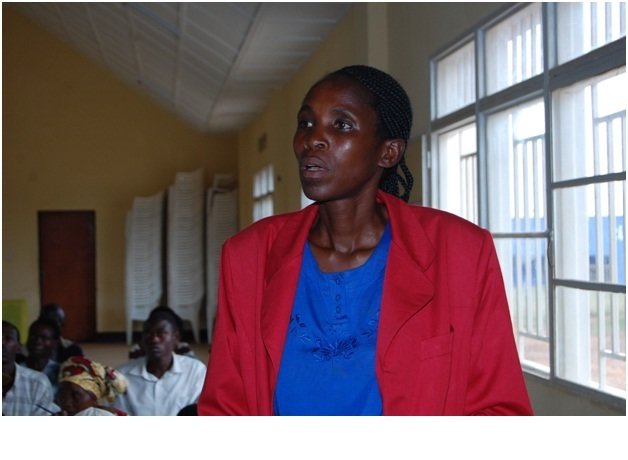
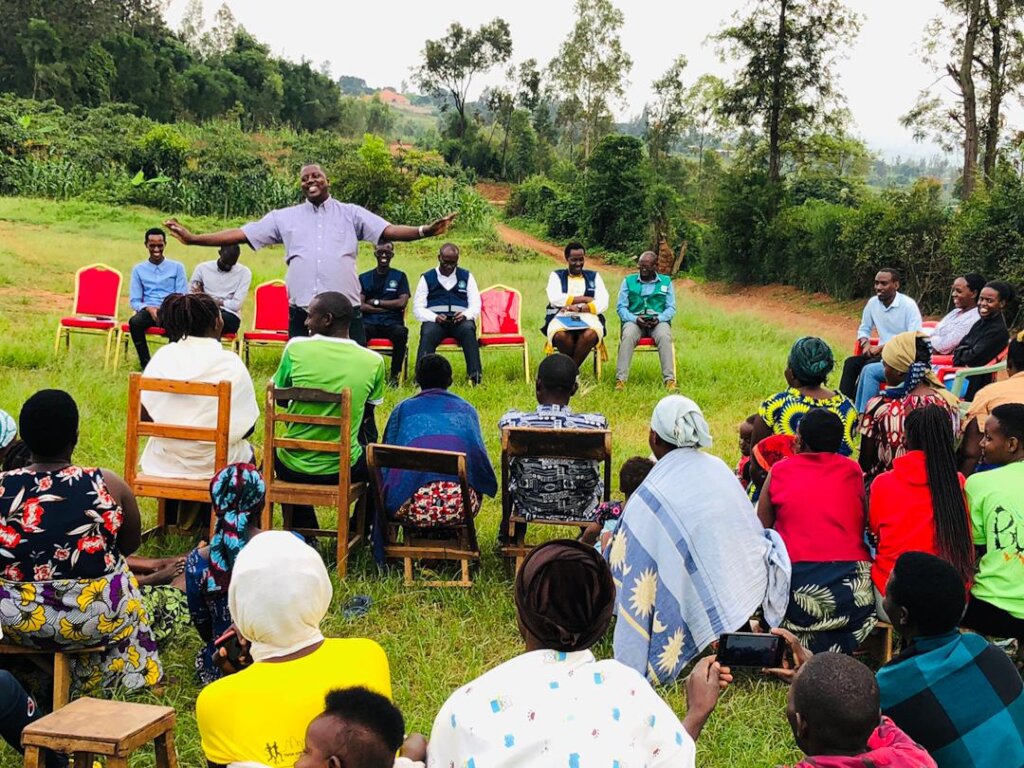
Community outreach and awareness activities reached approximately 100 individuals. These sessions focused on increasing understanding of HIV/AIDS, promoting gender equality, and addressing stigma and discrimination against women living with HIV/AIDS. Engagement with community members and local leaders helped foster more supportive attitudes and environments for beneficiaries.
Access to Services:
The project facilitated referrals for 30 women to access essential services, including healthcare and legal assistance. This ensured that beneficiaries received comprehensive support beyond the project’s direct interventions, particularly in addressing health needs and protecting their rights.
3. Challenges Encountered
During the reporting period, the project faced several challenges that affected the scale and pace of implementation:
4. Mitigation Measures
In response to the challenges encountered, the project adopted a set of practical mitigation measures to ensure continuity and effectiveness of implementation:
5. Beneficiary Impact
The project has generated tangible positive changes in the lives of participating women, particularly in strengthening their livelihoods, health practices, and self-confidence. Through the combination of economic support and psychosocial interventions, beneficiaries have been better equipped to manage both their financial and health-related challenges.
Many women have reported improved capacity to engage in small income-generating activities, enabling them to contribute to household needs such as food, healthcare, and children’s education. Even at a modest scale, these economic gains have reduced dependency and increased their sense of autonomy.
In terms of health outcomes, beneficiaries demonstrated better adherence to treatment and a more proactive approach to their well-being. Psychosocial support sessions played a critical role in reducing feelings of isolation and anxiety while fostering peer encouragement and shared resilience.
Additionally, the project has contributed to increased self-esteem and confidence among participants. Women expressed a greater sense of dignity and empowerment, as well as an improved ability to participate in community life despite ongoing stigma-related challenges.
6. Next Steps
Building on the progress achieved during this reporting period, the project will focus on the following priorities:
7. Conclusion
Despite operating under limited funding, the project has made meaningful and measurable progress toward empowering women living with HIV/AIDS. The achievements recorded demonstrate that even modest resources, when strategically utilized, can create significant positive change in the lives of beneficiaries. Continued support will be essential to scale up interventions and extend the project’s reach and impact.
Acknowledgment
We sincerely express our gratitude to GlobalGiving and all donors for their continued support and commitment to improving the lives of women living with HIV/AIDS in Rwanda. Their contributions remain instrumental in sustaining this important work.
Links:
Project reports on GlobalGiving are posted directly to globalgiving.org by Project Leaders as they are completed, generally every 3-4 months. To protect the integrity of these documents, GlobalGiving does not alter them; therefore you may find some language or formatting issues.
If you donate to this project or have donated to this project, you can receive an email when this project posts a report. You can also subscribe for reports without donating.



Support this important cause by creating a personalized fundraising page.
Start a Fundraiser