By Jason Graber | Resource Development Officer
International Medical Corps’ Women in Leadership (WiLead) project began in August 2012 with the goal of strengthening existing and creating new women leadership roles and promoting an environment that supports and encourages future women leaders in Eastern Democratic Republic of Congo (DRC). This project was designed to train women in organizational development and management skills, empowering them to become more effective leaders; increase the understanding of women’s leadership roles in their communities; and teach communities the importance and benefits of establishing women-friendly leadership structures.
The WiLead project partnered with 434 religious, traditional and political leaders (159 of which were women) and challenged them through training sessions, workshops, discussions and debates, to change traditional laws that discriminate against women and girls and create space for women’s participation in leadership positions. After the program, and with the support of local women’s associations, women experienced tangible gains in their communities: 21 women were nominated in the council of elders in Kalonge; religious leaders offered a piece of land for women to construct a small hut for meetings instead of meeting at the river or farms where they are at risk of attack by armed groups; one women was nominated to the tribal council in both Bukavu and Bunyakiri; and women representatives are now attending security briefing meeting held each week at the Bunyakiri Administration office.
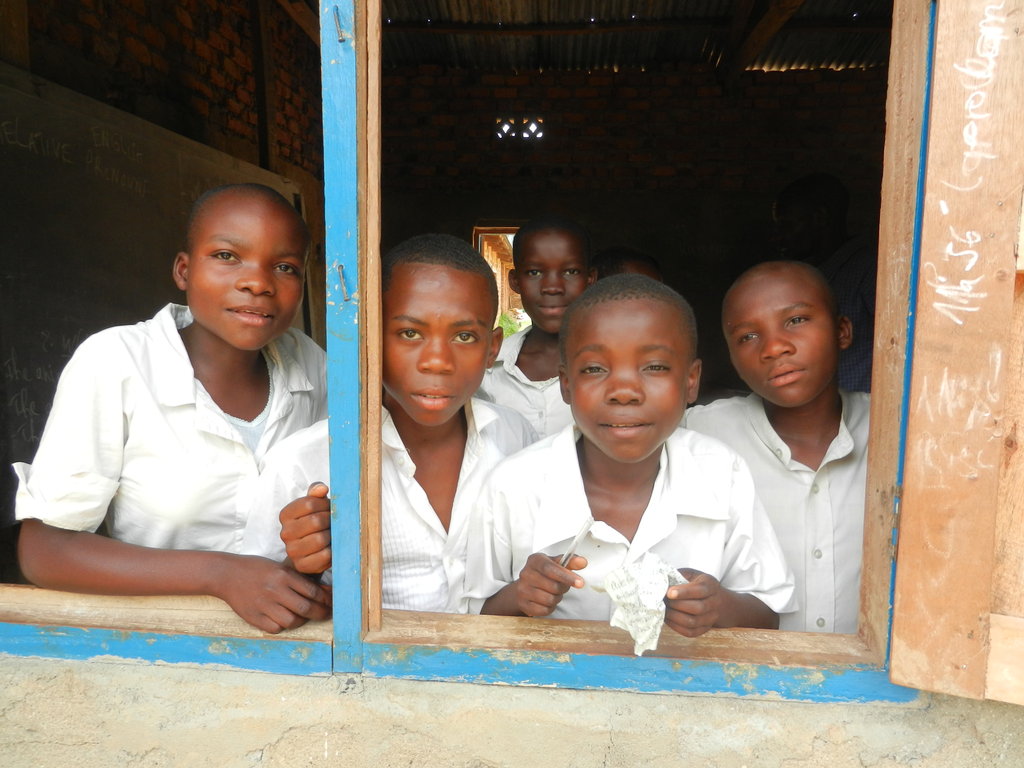
To further nurture future women leaders and educate adolescents on gender equality, International Medical Corps supported the creation of adolescent clubs where mentors worked to develop a positive perception of women and girls in their community. In total, 28 adolescent clubs were created and educated participants through open discussions between boys and girls on gender issues, good citizenship, peaceful coexistence, and positive ambitions. Girls-only sessions helped young women develop positive ambitions and draw on female leaders from their communities as role models. A total of 672 adolescents (332 girls) participated in the adolescent club activities.
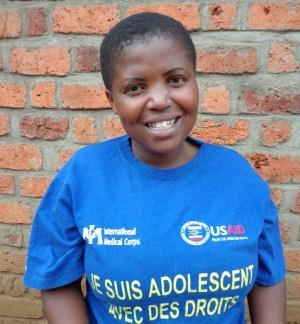
Below is a story from a female participant in an International Medical Corps-supported adolescent club:
I am a 16 year old student at Cholobera institute, and I started participating in adolescent club discussions in August, 2014. It was the first time that I participated in a discussion where everyone was expected to express their own point of view. At the beginning, it was difficult for me and all the girls to speak before the boys and give a different opinion, because it is against our culture to disagree with boys in front of other boys. Little by little, the facilitator encouraged us to express ourselves, and I started gaining enough confidence to do so without feeling shame or fear. We continued having discussion sessions, and as we went along, I realized the sessions were helping me recognize my potential as a leader instead of simply helping me express myself in front of others.
Before joining the club, I had no ambitions and lacked knowledge regarding many things. I never knew what rights men and women had, nor did I know that there were special laws that protected children. I was also never taught about hygiene; sexually transmitted infections; the consequences of unwanted pregnancies; or even the menstrual cycle, because these subjects are not taught in school. The mentors at the adolescent club taught me about these legal and health subjects, which empowered me to take ownership of my future and become an active participant in my community. If I had not joined the adolescent club, I may have taken a very different path.
When I was 14 years old, I thought about dropping out of school to get married just as my older sisters had done. Fortunately, the Women in Leadership project started and I realized that it was not the time to think about marriage, because there were more important things to do. After participating in the program, I decided to get my certificate and then go to university in Bukavu. I started taking my studies more seriously and I became the second best student in my class. My parents noticed a change in my behavior and achievements, and are now giving me the same responsibility as my older brothers. My father wants my sisters to join the adolescent club, and he is encouraging me to avoid relationships with boys so that I can focus on my dreams. When I am done with university, I plan on coming back to shape the future of Kalonge.
I believe that I can truly make a difference in my community, because International Medical Corps already helped us deliver a project rehabilitating water sources in Kalonge. Access to clean water represents one of the biggest needs in Kalonge, and through this project, we were able to show the community that young people had an important role to play in its development while helping resolve a problem that even adults had not been able to solve.
With the support of Kalonge women leaders, our club decided to expand into the neighboring village to continue safe-guarding our leadership ambitions, and to give a similar chance to young women in other communities.”
Project reports on GlobalGiving are posted directly to globalgiving.org by Project Leaders as they are completed, generally every 3-4 months. To protect the integrity of these documents, GlobalGiving does not alter them; therefore you may find some language or formatting issues.
If you donate to this project or have donated to this project, you can receive an email when this project posts a report. You can also subscribe for reports without donating.