By Keilah Creedon | Project Coordinator
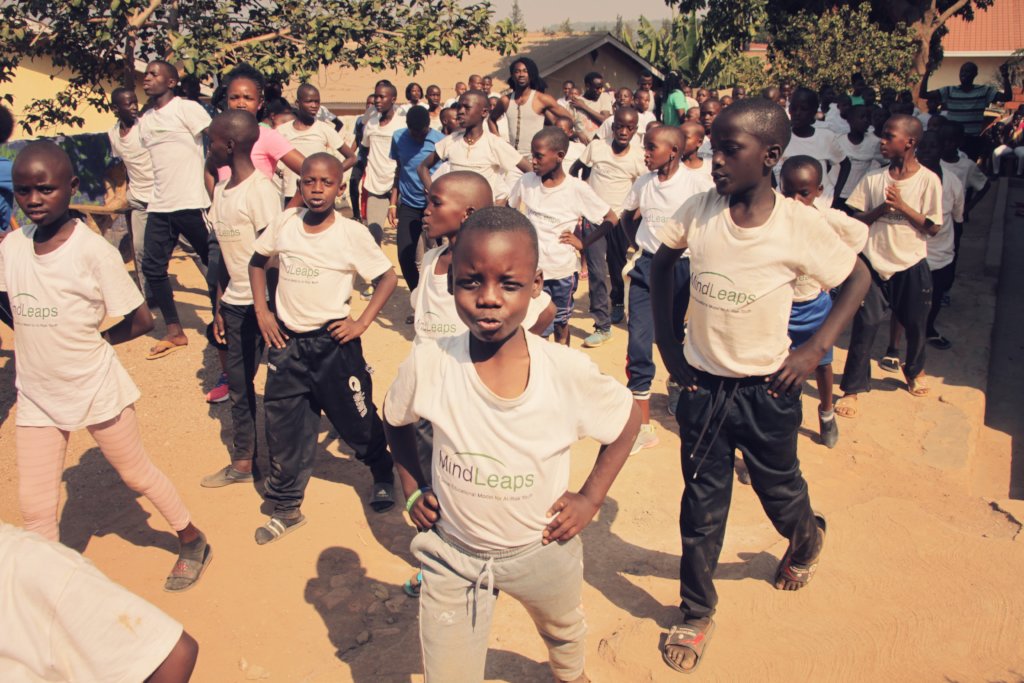
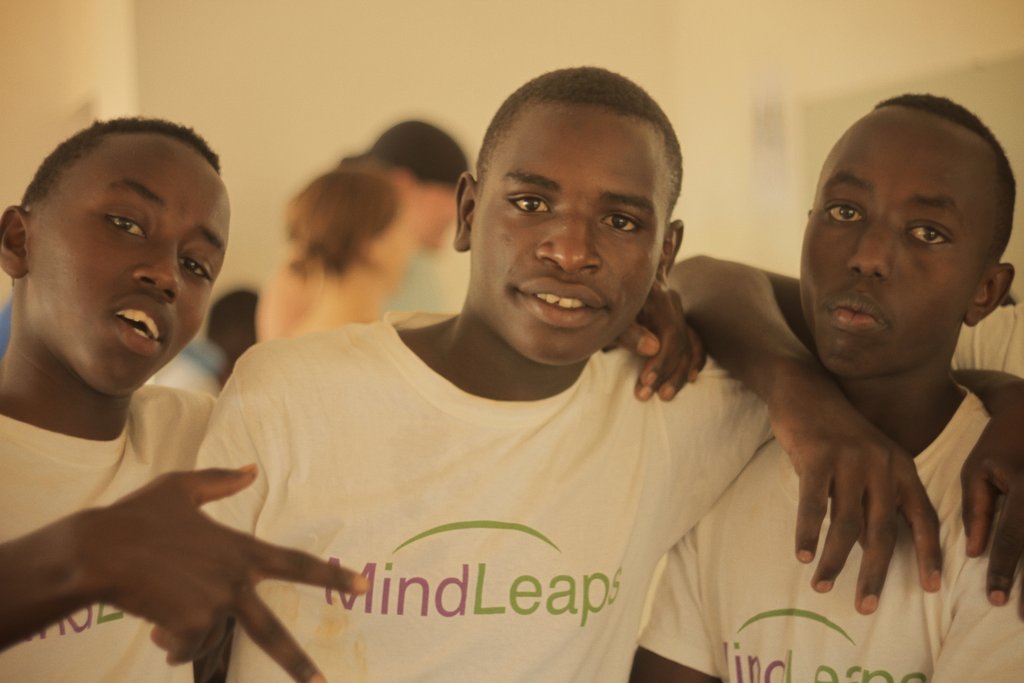
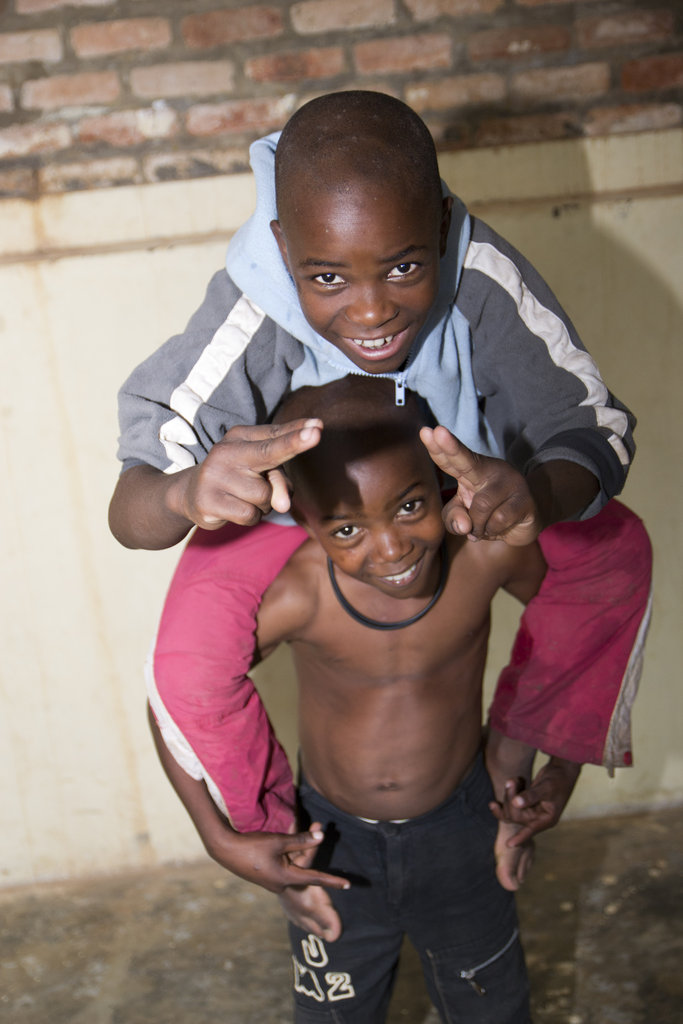
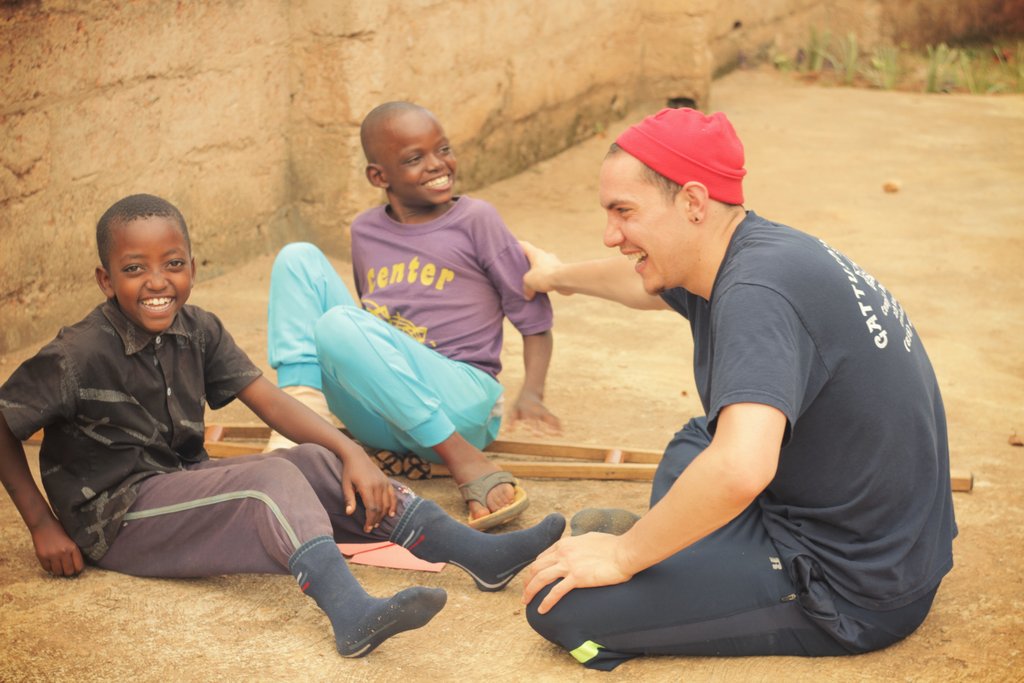
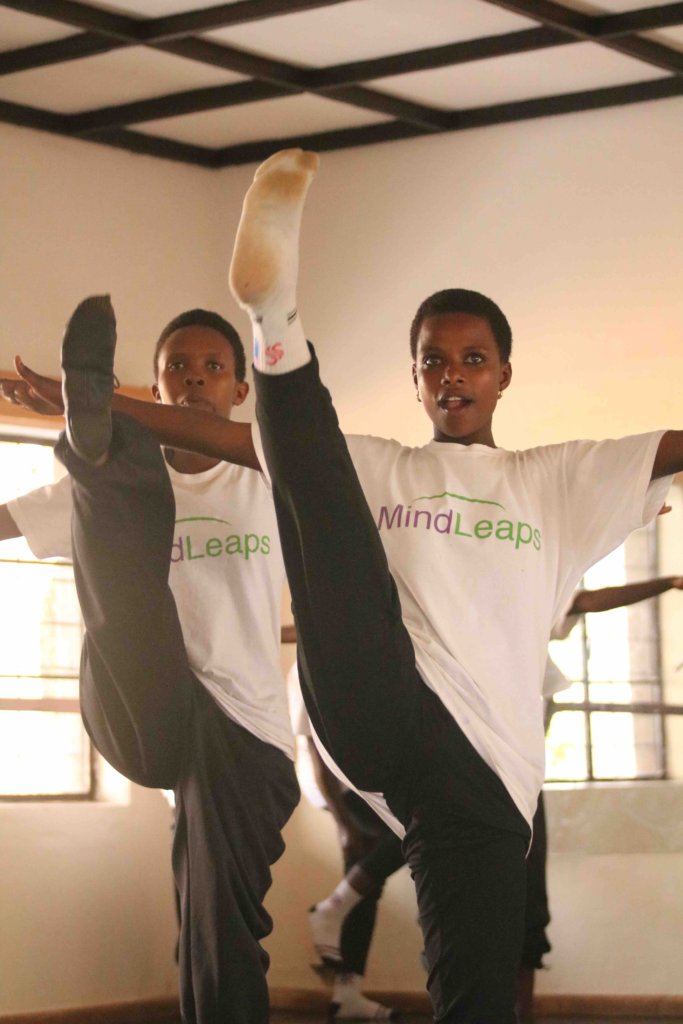
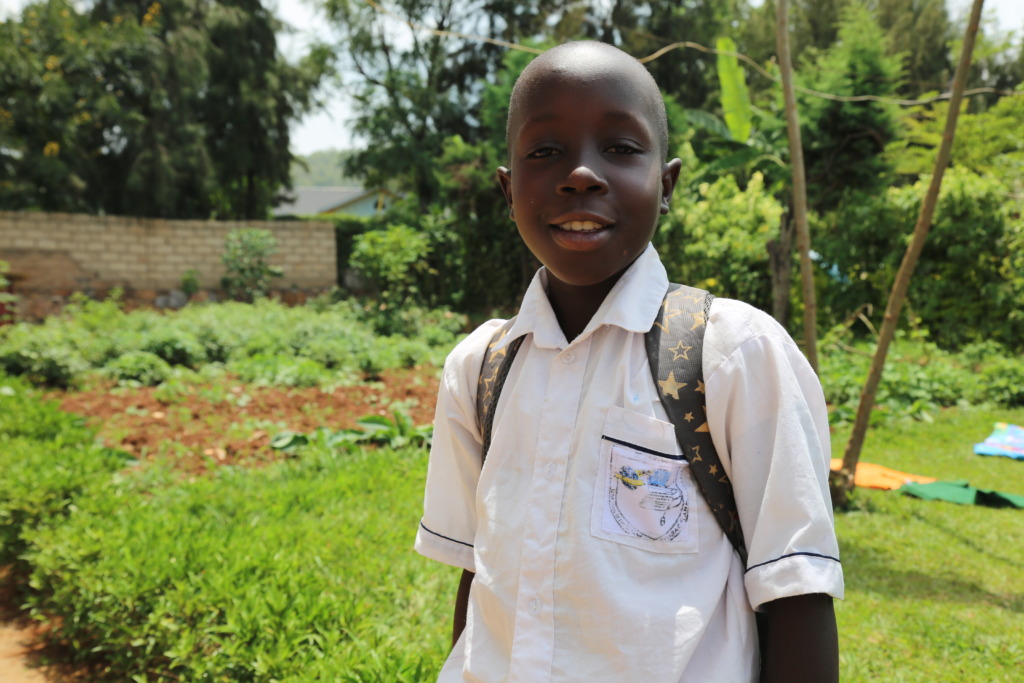
MindLeaps has witnessed many success stories in our years of working with vulnerable youth in Rwanda. Students have entered our program with poor behavior, low self-esteem, and an inability to focus. Just six months later they seem like totally different children. They are confident, eager to learn, and have minimal behavioral issues. While qualitatively recognizing the change that has taken place in our students’ lives is important, this alone is not enough.
Evaluating students’ progress:
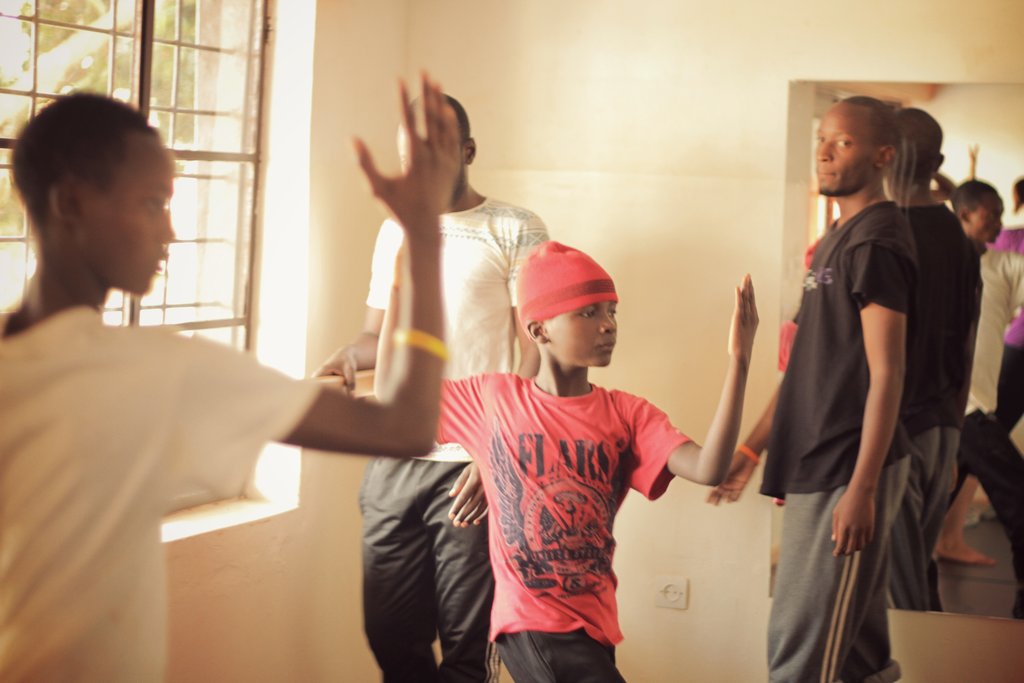
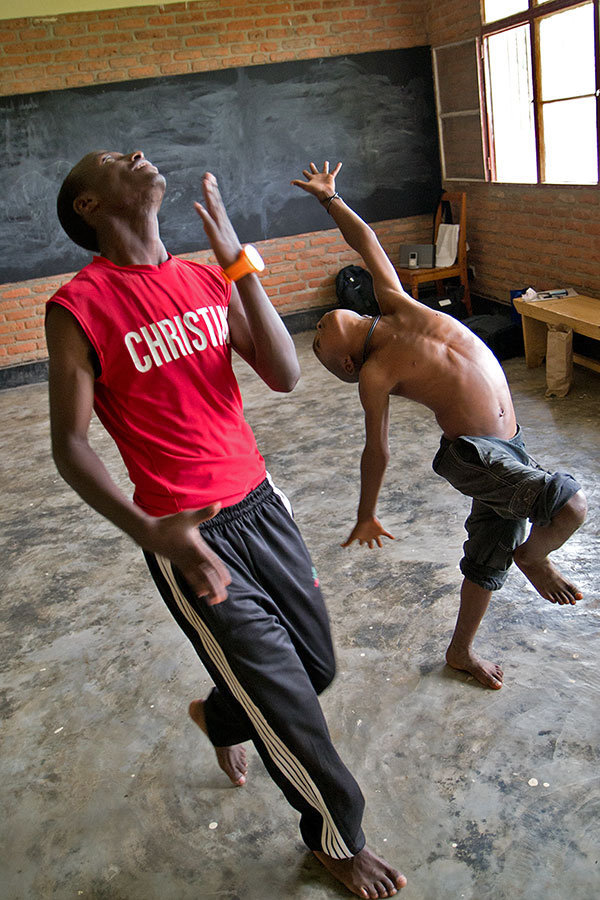
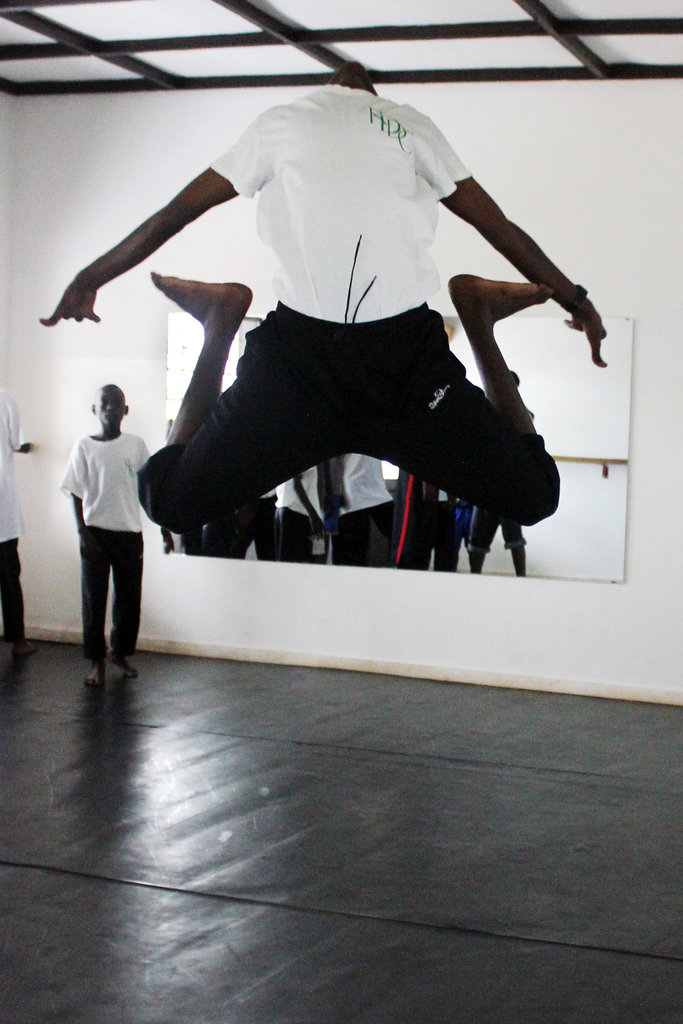
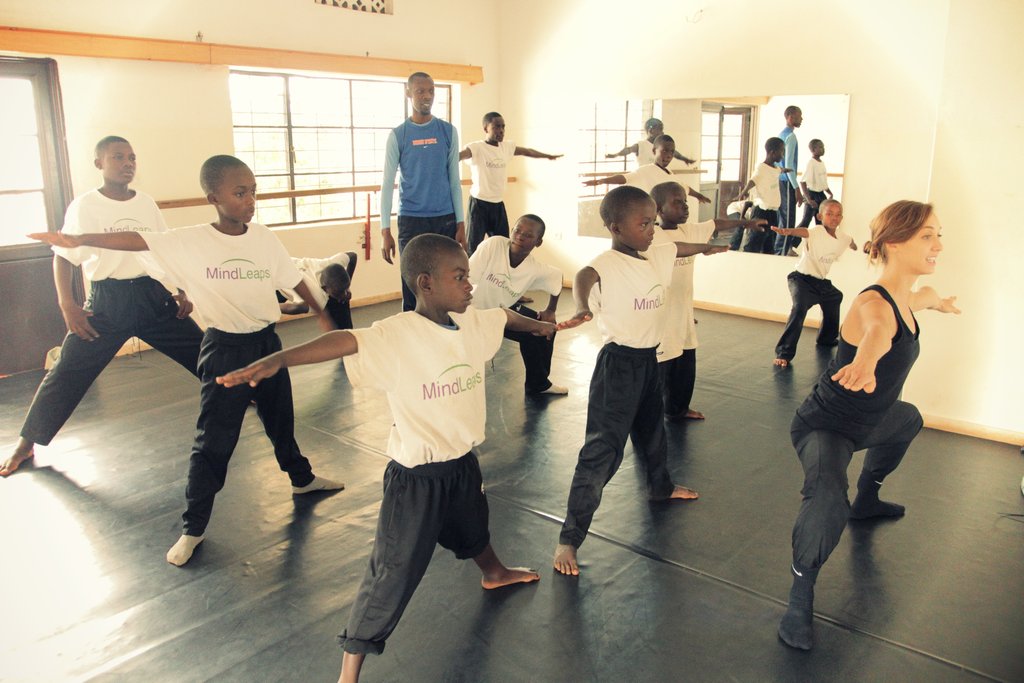
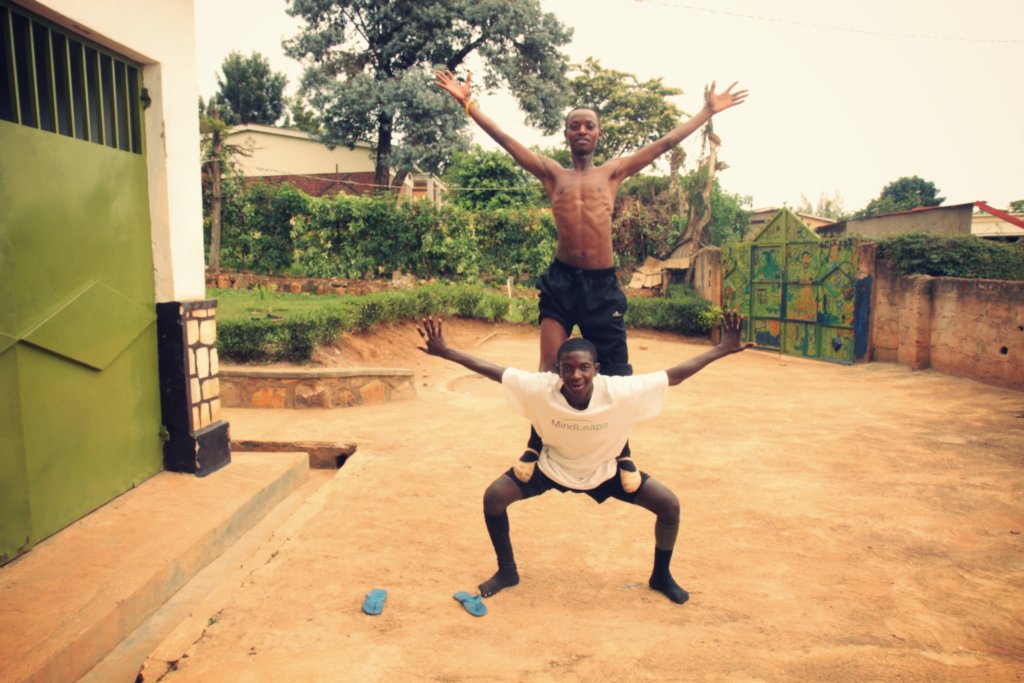
One of the critical elements of MindLeaps’ methodology that makes our work successful is our monitoring and evaluation system. Each dance class taught at MindLeaps is taught from a highly structured curriculum that strategically targets two cognitive skills: memorization and language. It also targets five non-cognitive skills: teamwork, self-esteem, discipline, creativity & self-expression, and grit (commitment).
Students are then graded on these skills everyday through a data collection system. Through this, we are able to monitor each child’s improvement over time in each of the above listed skills. Over time, we are able to gain very important information from this data, such as whether or not the child is showing a new level of mental/emotional stability. This allows us to make critical decisions, such as determining whether or not they are ready to go to school.
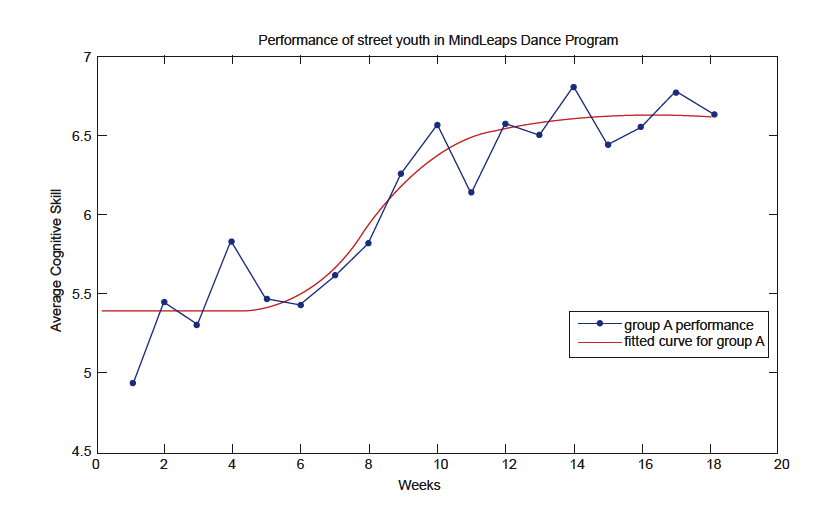
In the attached graph, you will see that we typically notice a child’s skills consistently increase from week 6 – week 18 in the program (roughly the first 4-5 months in the program). After this, their skills maintain consistently high levels, which shows us that they will soon be ready to be re-integrated into a formal school environment. This period of growth for our students is very important. We’ve witnessed that students who do not go through a bridge program like this are often not mentally and emotionally ready to return to school even if given the opportunity and are likely to drop out.
What does this look like on the ground?
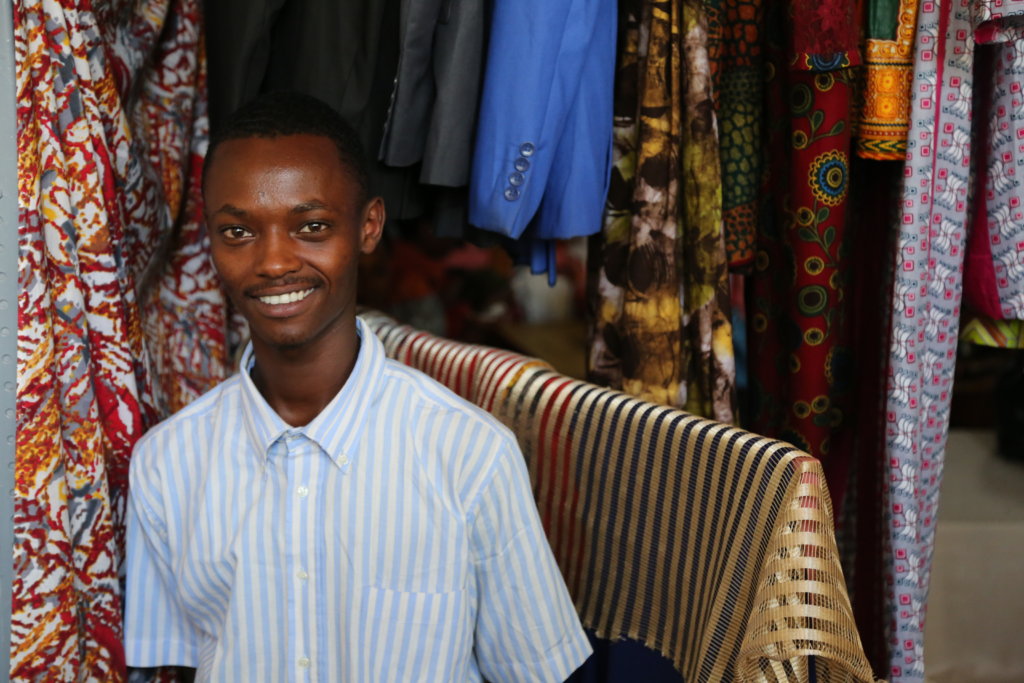
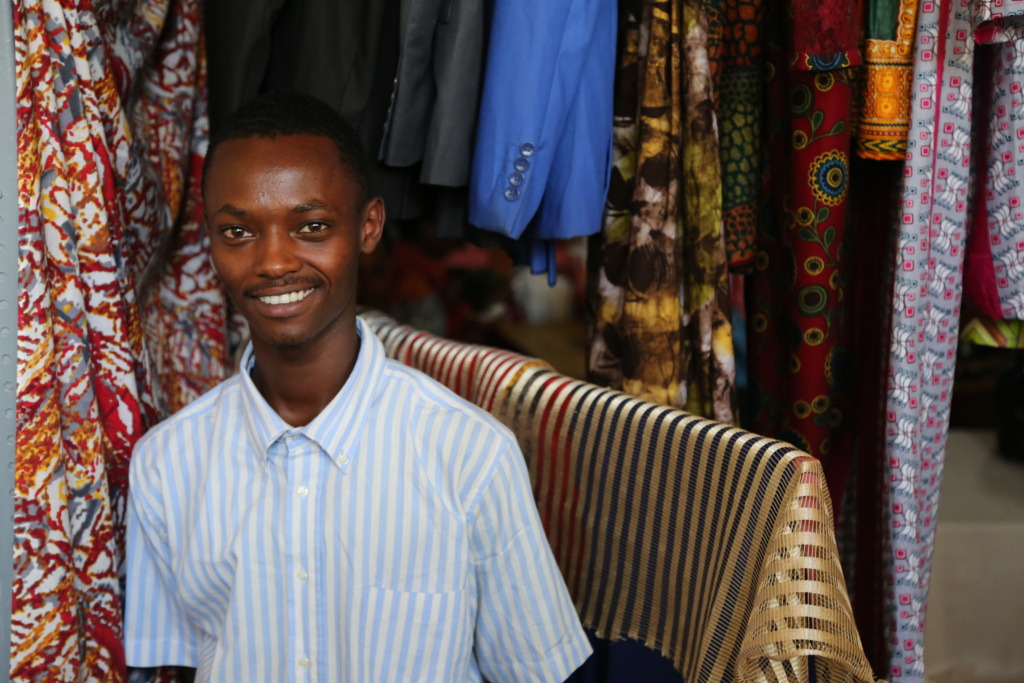
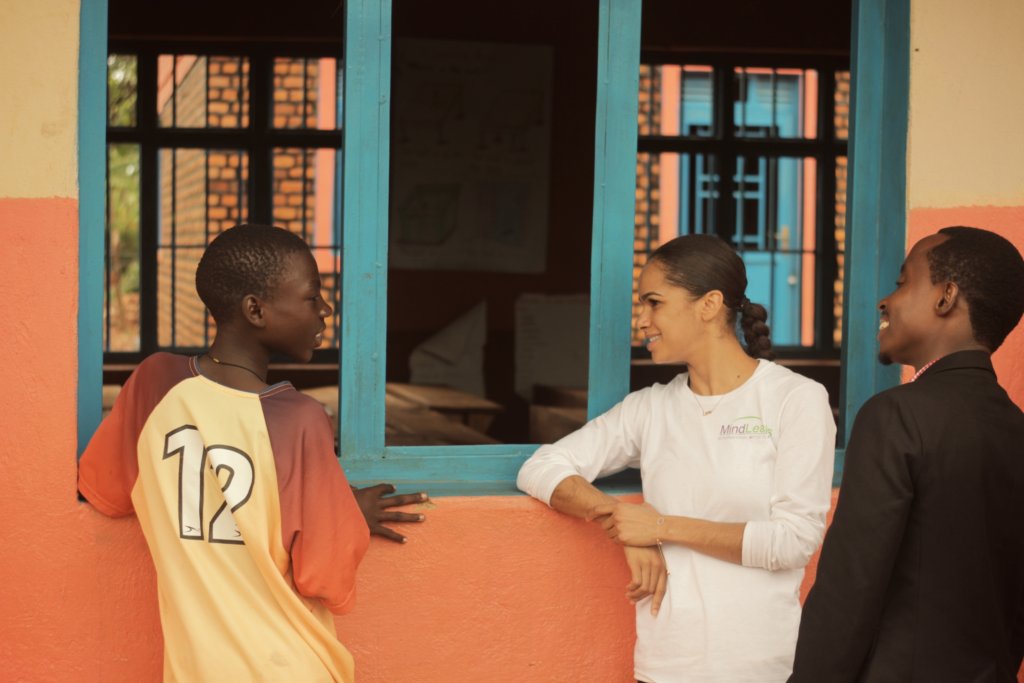
We asked Bashir, one of our dance teachers and the Assistant Director of MindLeaps in Rwanda, to share his experience working with the grading system:
Overall, the grading system has helped me to be a much more effective teacher. Knowing that I have to grade my class helps me make sure that I am targeting the right skills while I am teaching. The grading system also helps me monitor the daily development of my students in a way that I would not be able to if I was simply following the curriculum without grading. When I grade, I can see certain skills that are lower and choose to focus on those skills in future classes. For example, if I see that the self-esteem grades are low in one of my classes, I will design some exercises to boost self-esteem in my next few classes.
In general, I’ve seen that the skill of "memorization" grows the fastest. Typically students struggle in the first three weeks of class, but then increase their memorization ability rapidly over the next six months. This skill is also reflected in their performance in the other subjects they study at MindLeaps, like IT.
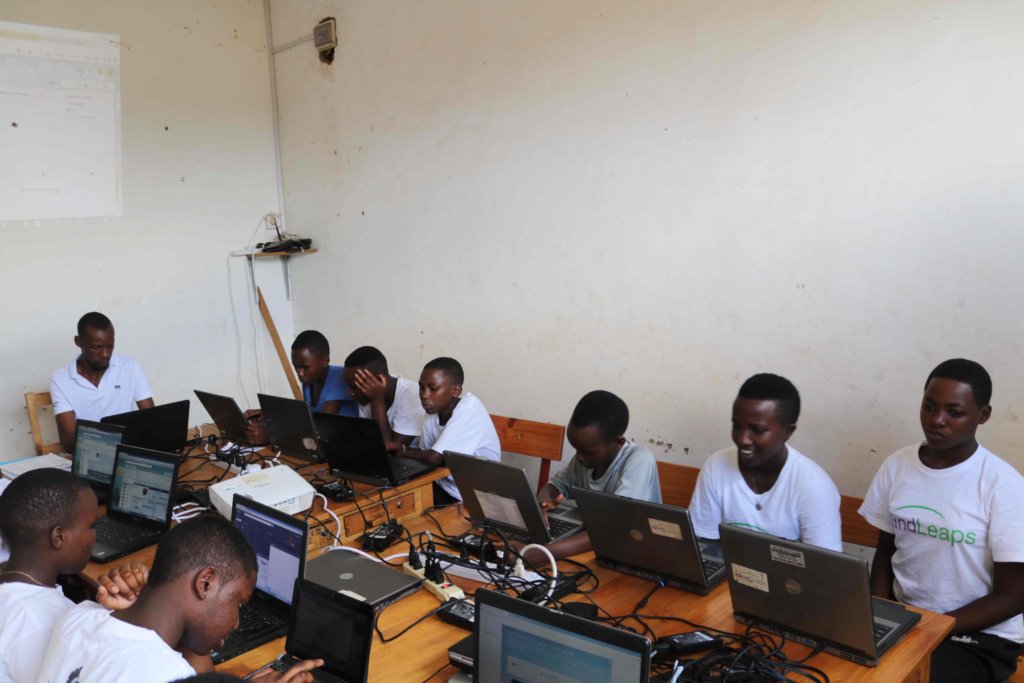
Dance class opens up our students’ minds to retain new information and vocabulary. This skill easily translates to IT where they are then able to grasp new computer vocabulary much faster than they would have without dance training. For example, after learning directions (moving right versus left) in dance class, it becomes very intuitive for us to teach them the right and left side of a mouse. Or, when I tell them to move the pointer accurately on the computer screen, they have a natural understanding of what this means because of their training in movement in dance class. This connection doesn’t usually come naturally to someone who is learning to use a computer for the first time.
Building a stronger model
We are in the middle of revamping and fine-tuning our grading system in Rwanda this month with the help of an American volunteer, Briana Giordano. Briana is delivering training to our teachers based on the work of MindLeaps' researcher, Janelle Junkin of Drexel University. We know that as we improve in collecting data on our students' progress, we will better be able to serve youth and ensure that our efforts create long-term change.
Thank you for being a key player in helping us continue to execute our dance program so that we can can impact the lives of 350 vulnerable youth around the world.
Links:
By Keilah Creedon | Program Coordinator
By Keilah Creedon | Project Coordinator
Project reports on GlobalGiving are posted directly to globalgiving.org by Project Leaders as they are completed, generally every 3-4 months. To protect the integrity of these documents, GlobalGiving does not alter them; therefore you may find some language or formatting issues.
If you donate to this project or have donated to this project, you can receive an email when this project posts a report. You can also subscribe for reports without donating.