By Benedicto Hosea | Project Leader
Preparing Rural Communities for Climate-Related Food Security Challenges
The Tanzania Meteorological Authority (TMA) has issued information warning of potential El Niño conditions during the 2026/2027 rainy season. Government authorities, including the Prime Minister and sectoral ministries, have communicated preparedness messages through regional and local administrative structures to support communities in preparing for potential adverse impacts.
At Mboni ya Vijana, we recognize the importance of early preparedness, particularly for rural farming communities whose livelihoods and food security depend heavily on seasonal agriculture. We are therefore strengthening our efforts to help smallholder farmers understand climate-related risks, improve agricultural practices, and identify practical solutions that can protect food production, incomes, and household resilience.
We invite our partners and supporters on GlobalGiving to stand with rural communities in Tanzania. Your contribution can help us expand farmer training, strengthen food production, and support families facing increasing agricultural and climate-related challenges.
Our Progress and Impact
1. Cassava Value Chain Development
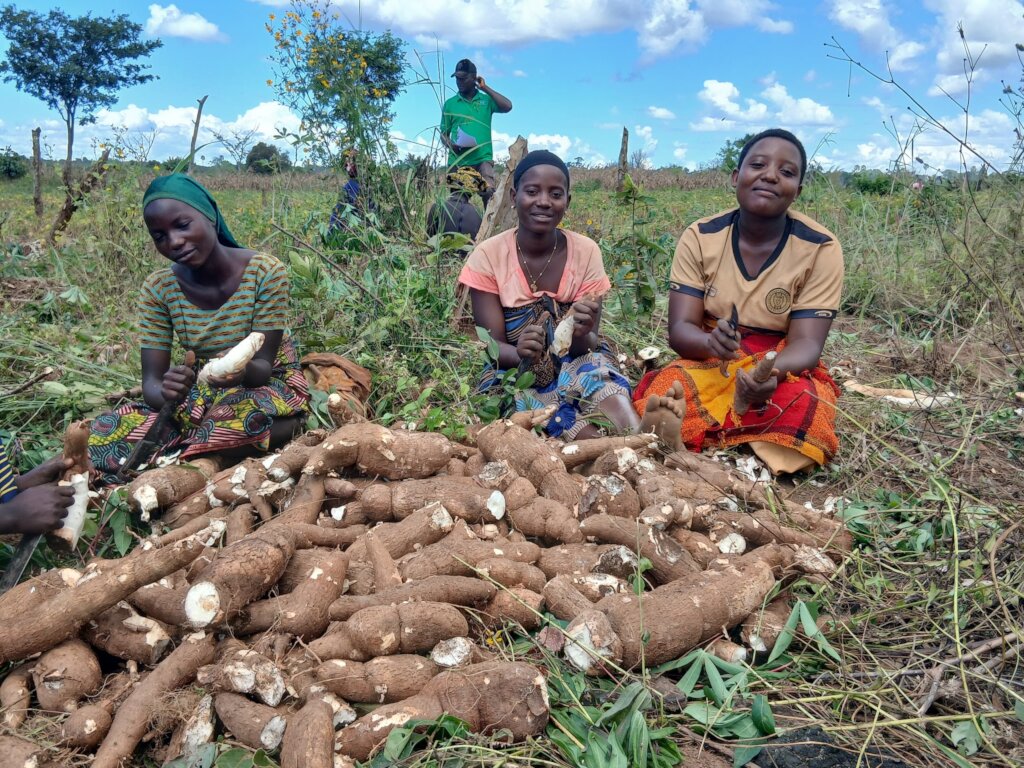
During July–September 2026, Mboni ya Vijana continued supporting smallholder cassava farmers to improve harvesting, processing, drying, storage, and marketing. Through training and practical support, farmers are gaining better access to markets and opportunities to increase the value of their cassava produce.
We also provided storage facilities for dried cassava, enabling farmers to preserve their produce and pursue better market prices rather than selling immediately after harvest.
Key achievements:
2. Vegetable Production and Household Nutrition
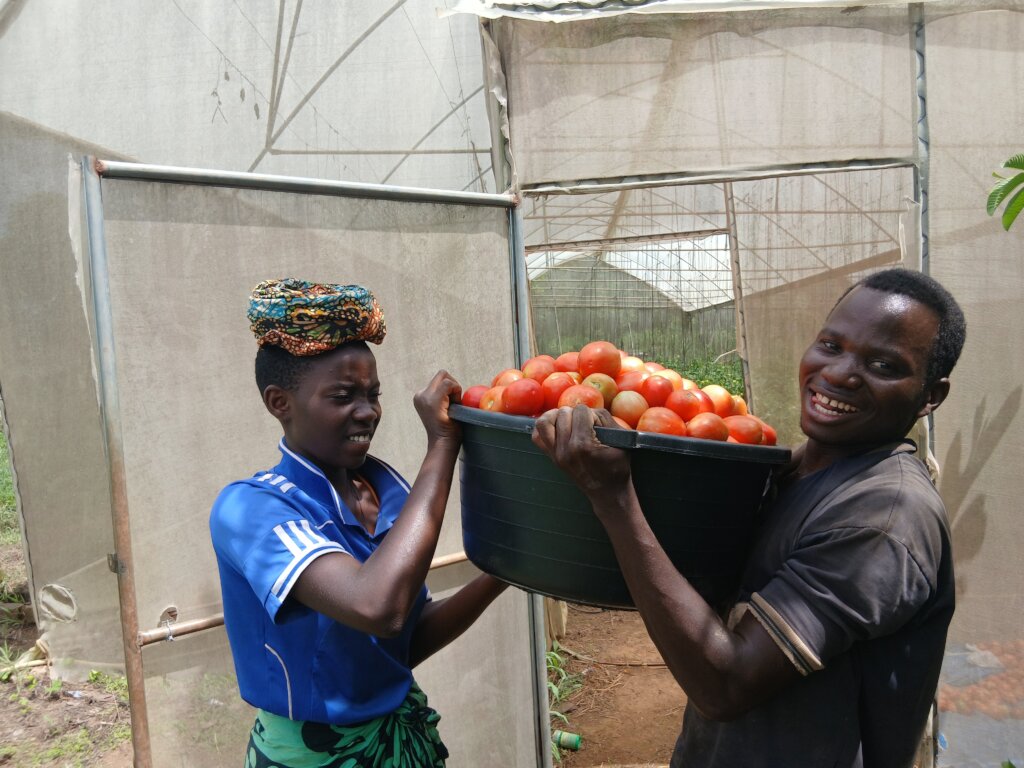
Mboni ya Vijana supported 214 women and youth engaged in vegetable production and marketing, helping them strengthen access to food and income for their households and communities.
Vegetable farming provides an important source of nutritious food and livelihood opportunities for smallholder farmers. By supporting women to grow and sell vegetables, we are helping strengthen household food access, income generation, and the availability of affordable produce in local markets.
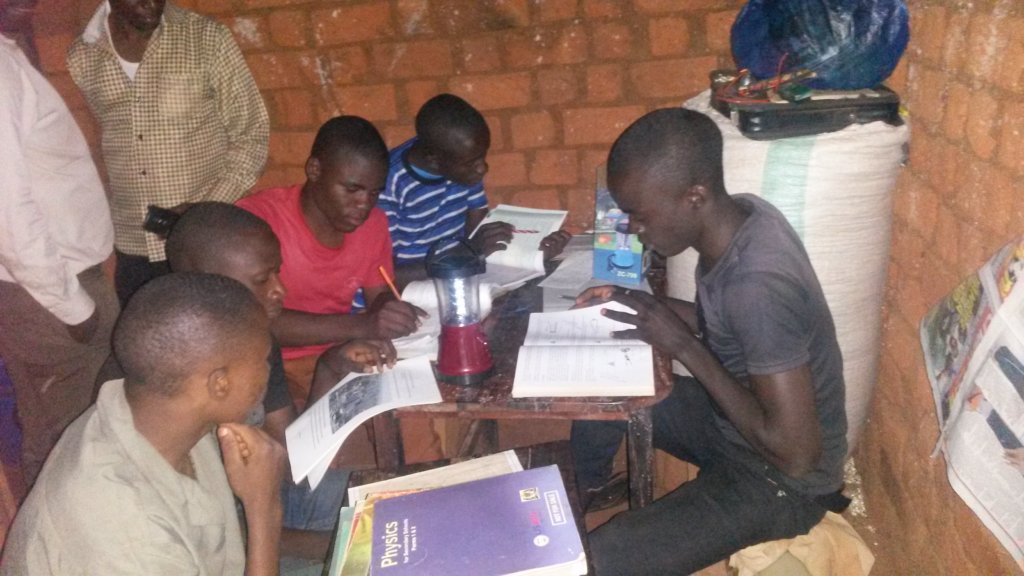
3. Farmer Mobilization, Training, and Preparedness for the 2026/2027 Farming Season
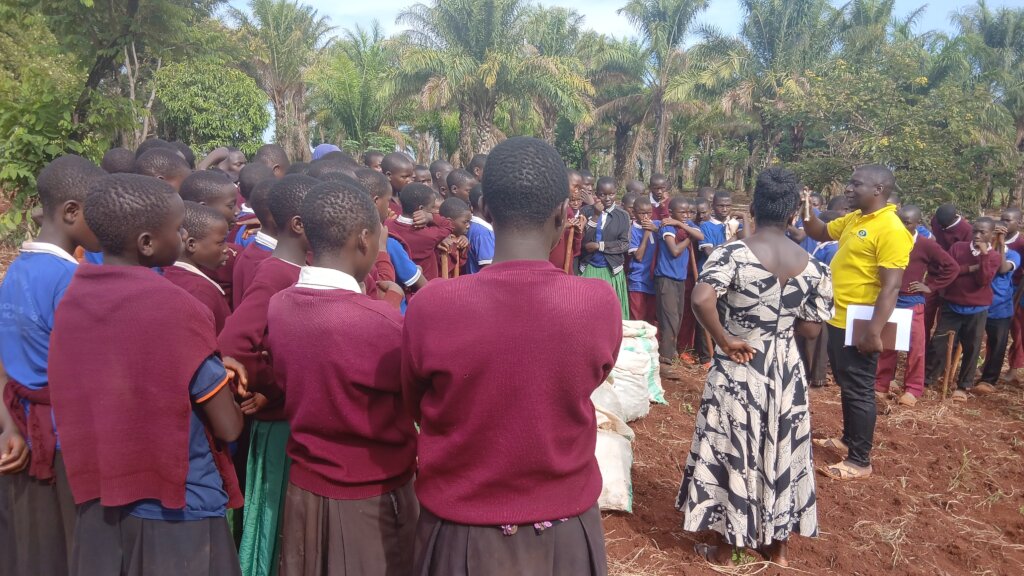
In preparation for the upcoming farming season, Mboni ya Vijana mobilized 76 women and youth groups across Kigoma, Katavi, and Tabora.
Training, agricultural input planning, and resource allocation are currently underway. Our goal is to reach 2,000 smallholder farmers during the 2026/2027 farming season, equipping them with practical knowledge and resources to improve food production, strengthen livelihoods, and prepare for potential climate-related challenges.
4. Collaboration and Participation in the Africa Food System Forum
Mboni ya Vijana was invited to participate in the Africa Food System Forum held in Kigali, Rwanda, from 31 August to 4 September 2026.
The invitation came through our collaboration with the International Institute of Tropical Agriculture (IITA), particularly in the development and multiplication of clean and high-yielding seeds.
During the forum, Mboni ya Vijana was represented by Benedicto Hosea, who participated as a panelist in the session titled:
“Unlocking Africa’s Roots, Tuber and Banana Potentials.”
The panel brought together ministers, agricultural researchers, and investors working to strengthen Africa’s food systems.
Participation in this forum created opportunities to showcase the work of Mboni ya Vijana, strengthen relationships with agricultural stakeholders, and explore potential partnerships that could help us reach more smallholder farmers in Tanzania.
We believe that collaboration, knowledge exchange, and investment in local agricultural solutions are essential to building resilient food systems across Africa.
Stories of Change
Elina: Creating Livelihood Opportunities Through Vegetable Trading
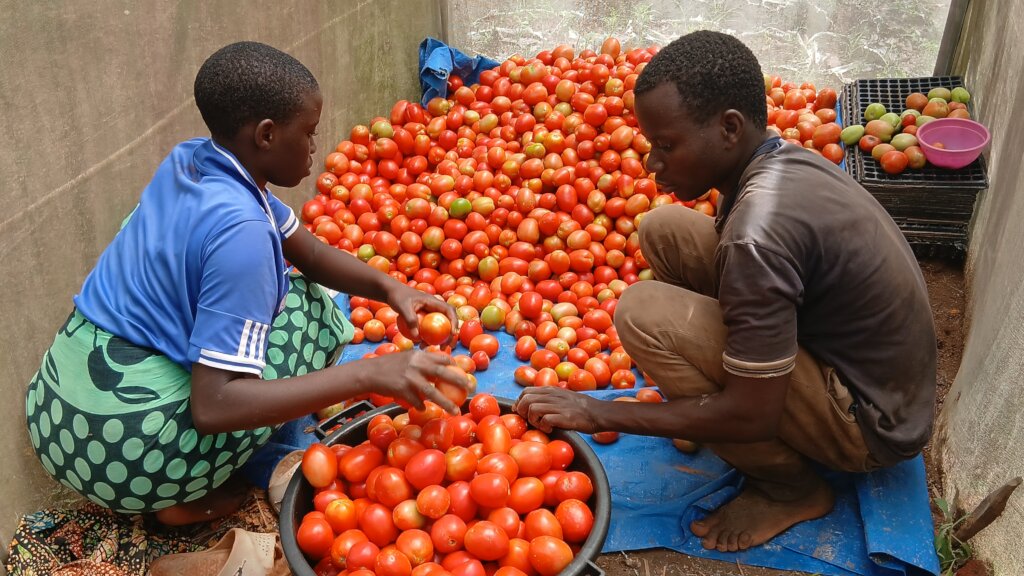
Elina, 21, does not own farmland, but she has found an opportunity to earn a living through buying and selling vegetables sourced from smallholder farmers.
She supports her elderly grandparents, who are no longer able to work to meet their food and household needs. Through access to locally available agricultural produce, Elina has established a small trading activity that enables her to earn income while serving local markets.
“My grandparents are very old and can no longer work to provide food. I do not have a farm, and my grandparents sold all their land. I sell vegetables to earn money for food and family needs. I am happy because the business is working well. I can access commodities locally, which reduces my walking time and allows me to earn a fair profit.”
Elina’s experience illustrates how strengthening local agricultural value chains can create livelihood opportunities beyond farming itself. By improving access to produce and markets, rural agriculture can support young people and women to build income-generating activities and contribute to household food security.
Felista: Building Income and Savings Through Agricultural Employment
Felista is a young woman who earns income through agricultural labor. She has benefited from increased opportunities for employment during periods of improved agricultural activity.
“I do not ask my parents for money for personal use because there are opportunities to earn income from agriculture. When yields were very poor, many farmers did not need laborers. Now, farmers cannot harvest everything on their own. I earn TZS 7,000 per day after food. I save TZS 5,000 every day I work for farmers, and I want to use my savings to start my own business.”
Felista’s story demonstrates how agricultural activities can create opportunities for young people to earn, save, and work toward greater economic independence. Her experience highlights the importance of investing in productive rural livelihoods that benefit not only farmers but also the wider community.
Looking Ahead: Our Priorities for the 2026/2027 Farming Season
As we prepare for the upcoming farming season, Mboni ya Vijana is focused on expanding practical support to rural farmers and strengthening community resilience.
Our priorities include:
Your Support Can Make a Difference
The progress achieved during this reporting period demonstrates what is possible when rural communities receive practical agricultural support, access to markets, and opportunities to build sustainable livelihoods.
However, the potential challenges associated with the upcoming rainy season make continued investment in preparedness and food security particularly important.
Your donation through GlobalGiving can help Mboni ya Vijana reach more rural farmers, strengthen food production, create livelihood opportunities, and support families across rural Tanzania.
Together, we can help communities move from vulnerability toward resilience, one farmer, one household, and one village at a time.
Thank you for standing with Mboni ya Vijana and the rural communities we serve.
Benedicto
Project reports on GlobalGiving are posted directly to globalgiving.org by Project Leaders as they are completed, generally every 3-4 months. To protect the integrity of these documents, GlobalGiving does not alter them; therefore you may find some language or formatting issues.
If you donate to this project or have donated to this project, you can receive an email when this project posts a report. You can also subscribe for reports without donating.



Support this important cause by creating a personalized fundraising page.
Start a Fundraiser