By Doris Kananu | Program Director
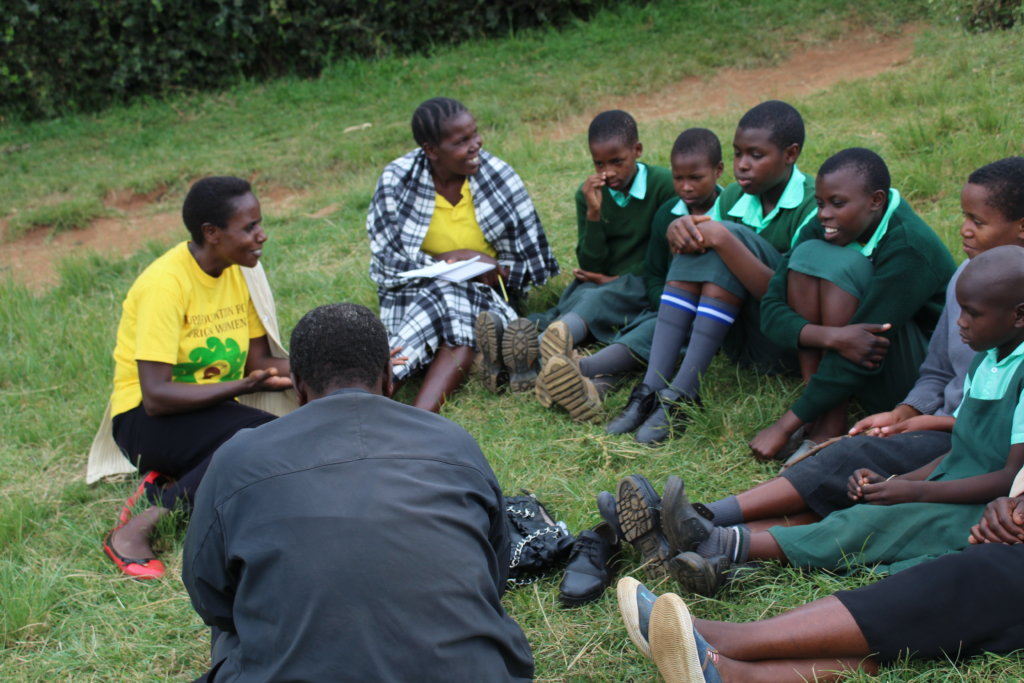
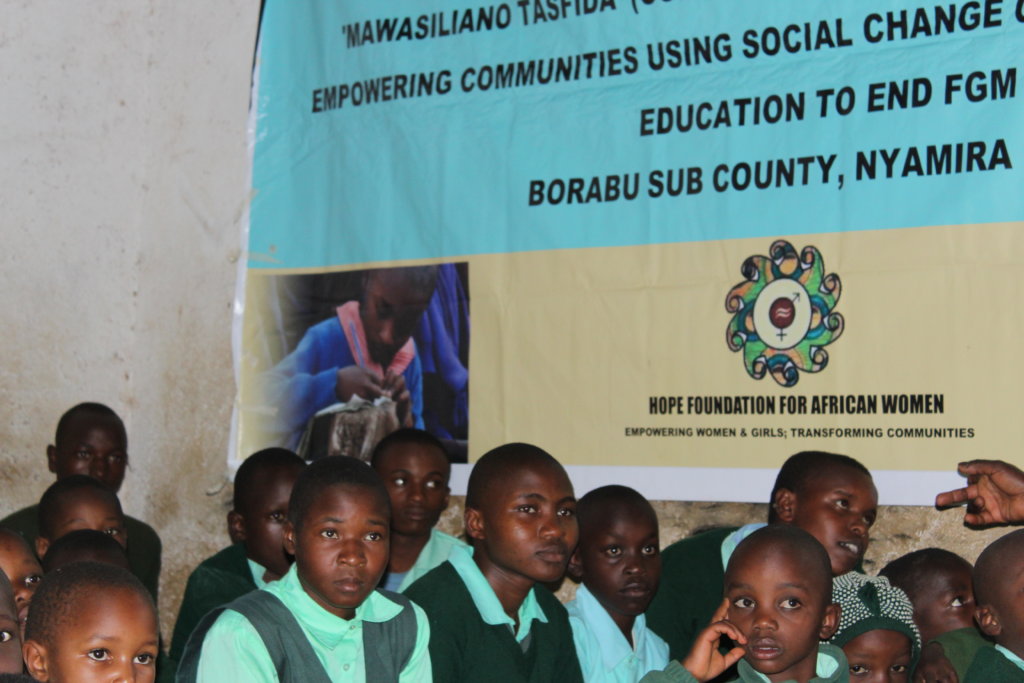
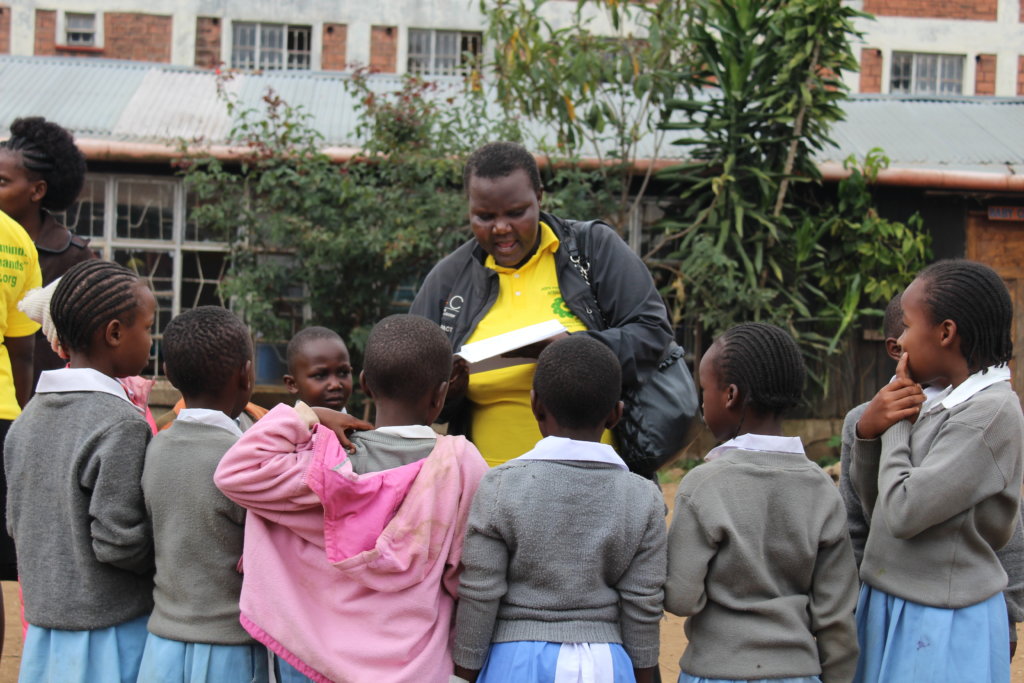
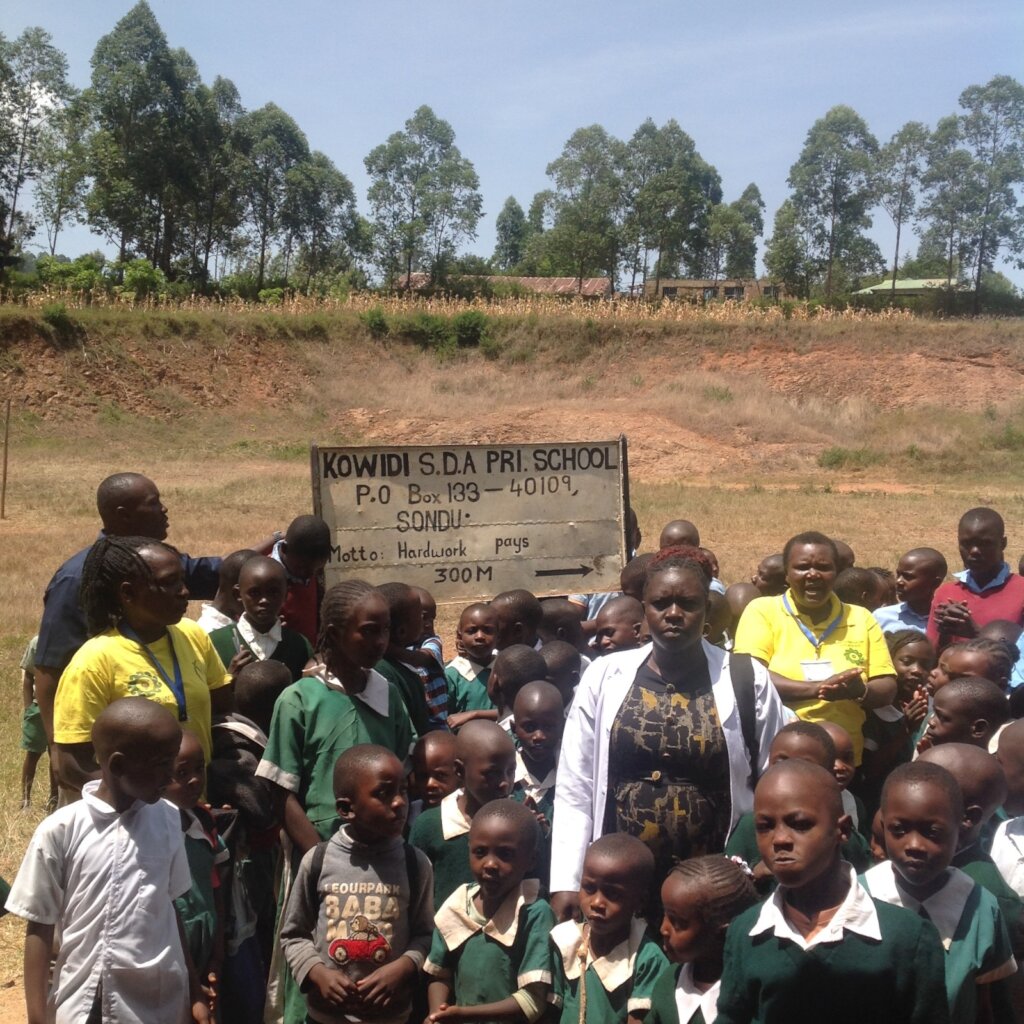
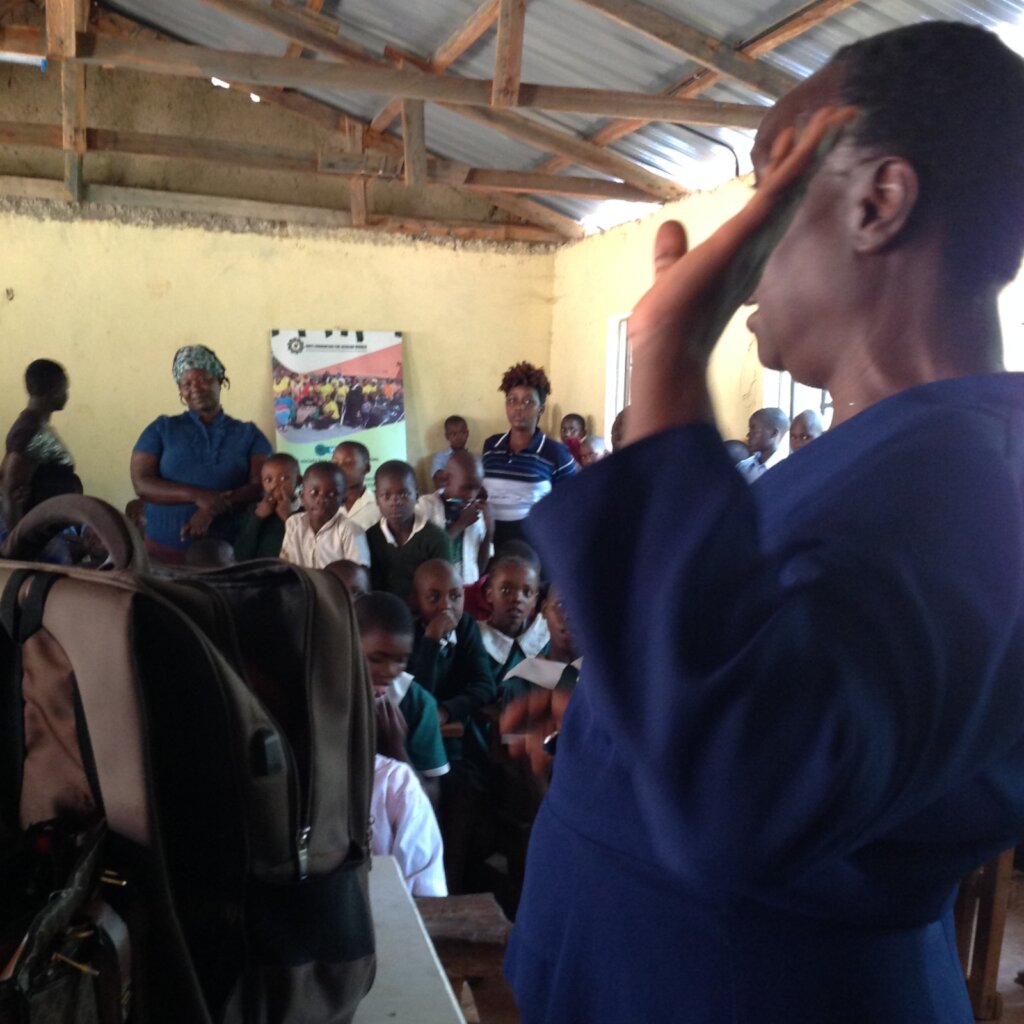
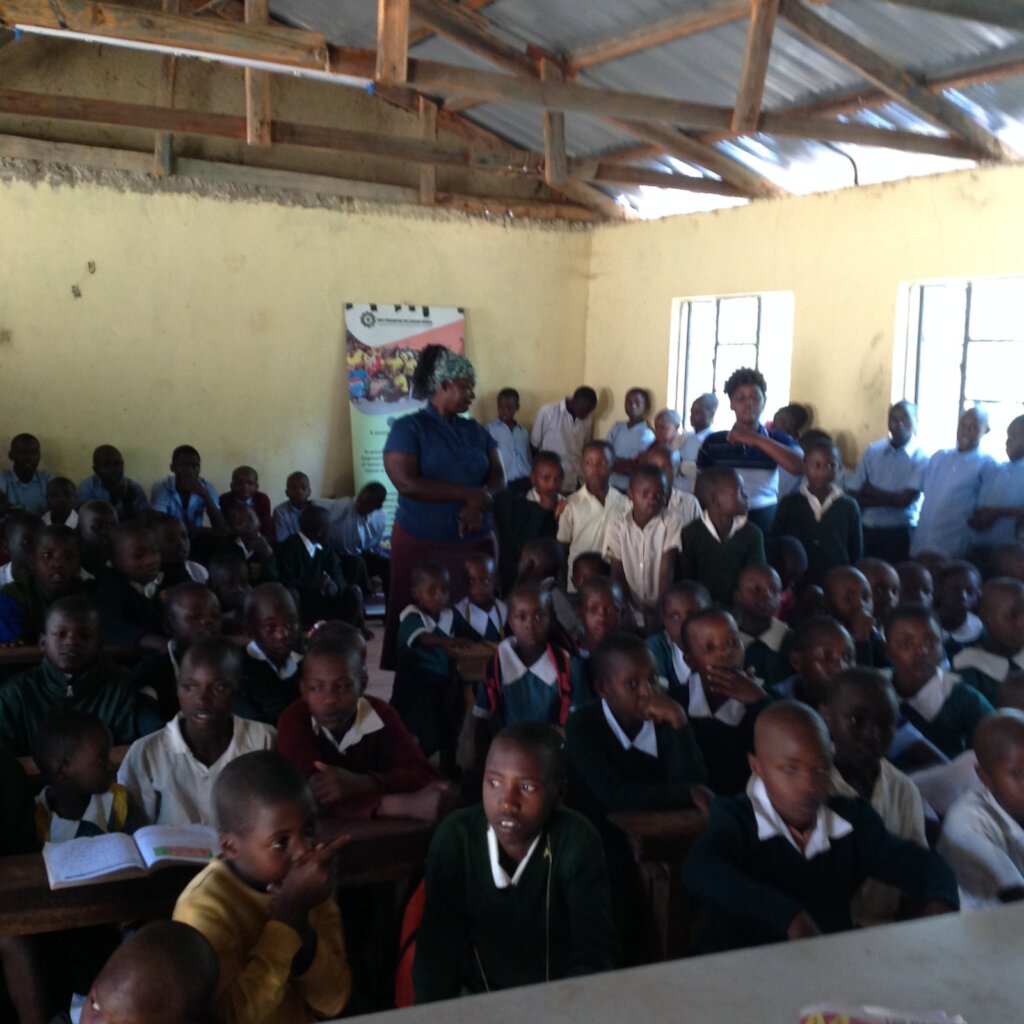
HFAW conducted an advocacy session at Kowidi School, reaching a total of 205 learners (113 boys and 92 girls), 11 teachers (5 male and 6 female), and 2 support staff (1 male and 1 female). The school is located at the border of Luo and Kisii communities, where cultural intermarriages are common, creating a unique setting for dialogue on harmful cultural practices.
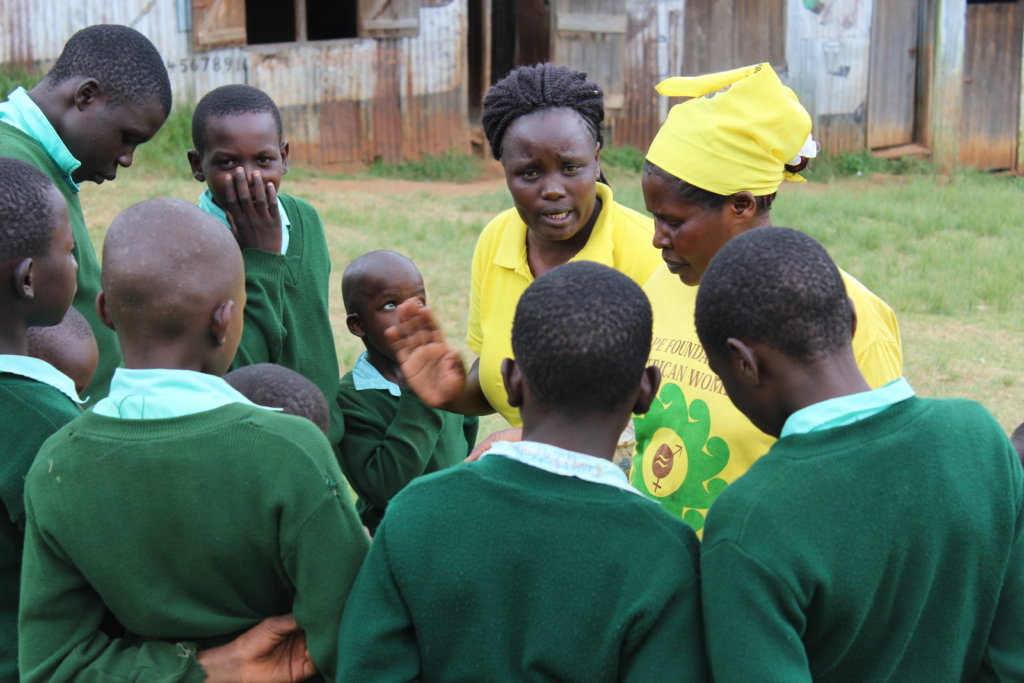
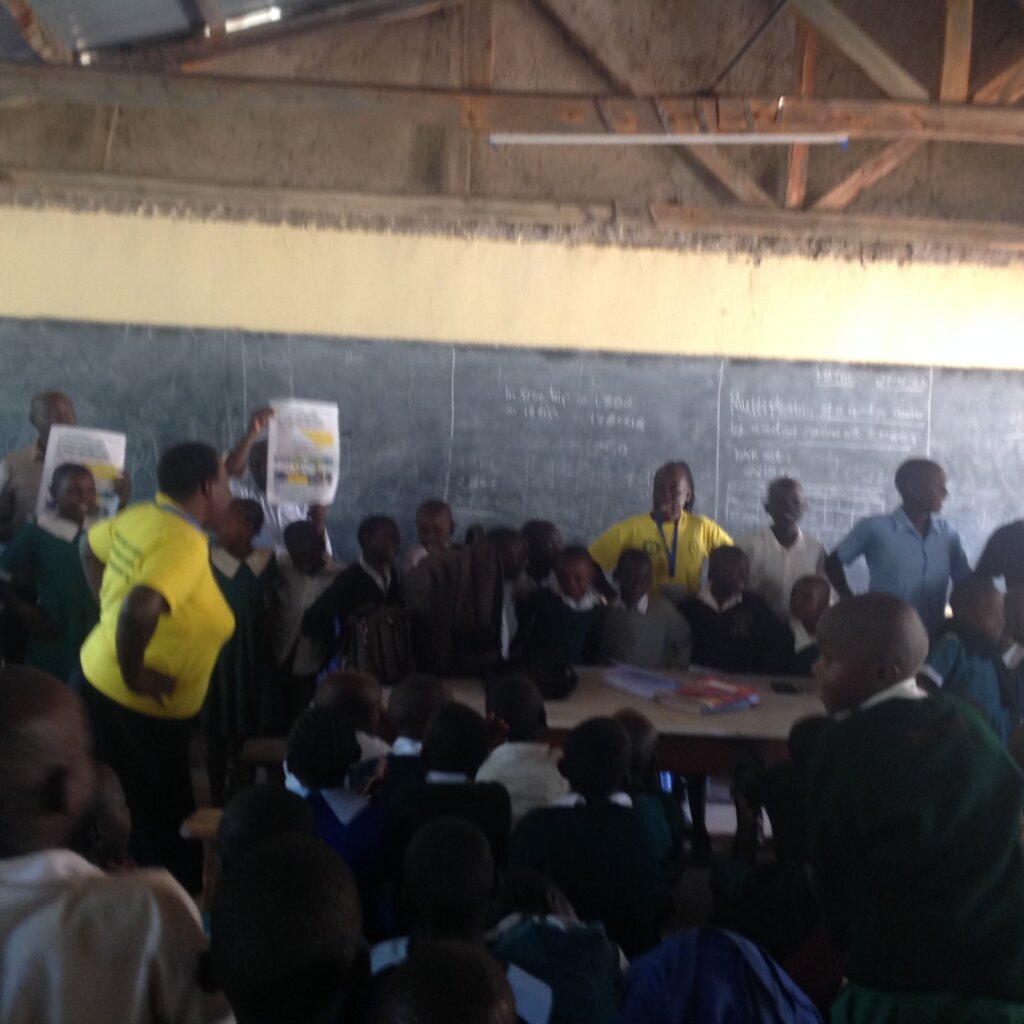
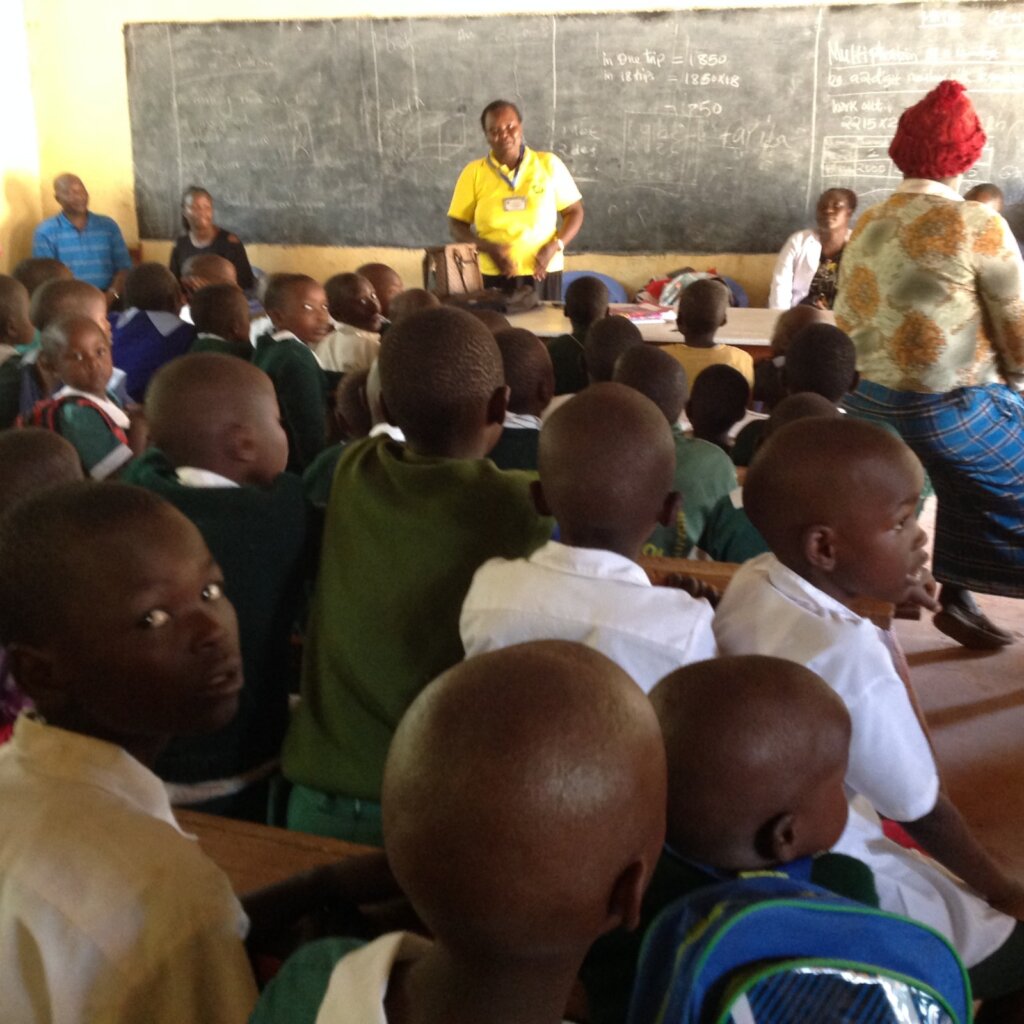
The session focused on raising awareness about the harmful effects of Female Genital Mutilation (FGM) as a form of Gender-Based Violence (GBV) and a violation of girls’ rights. Learners were educated on what FGM entails, its physical and psychological consequences, and its long-term impact on the wellbeing and future of girls.
A key approach was peer learning, where Luo students—coming from a community where FGM is not practiced—served as role models. They engaged Kisii girls in open discussions, helping challenge myths and normalize alternative, safe cultural identities without FGM. During the discussions, some boys questioned the logic behind the practice, with one noting, “Girls, why are you being cut and yet you don’t have foreskin?” while another added, “Why do you accept the cut when it was not meant for you?” Others challenged its perceived religious basis, asking, “Where in the Bible are we told a woman was cut? Is it Mary or Dorcas?”
The facilitators also addressed the link between FGM and other risks such as early teenage pregnancy, school dropout, early marriages, and exposure to sexually transmitted infections. Emphasis was placed on how FGM disrupts girls’ education and limits their life opportunities.
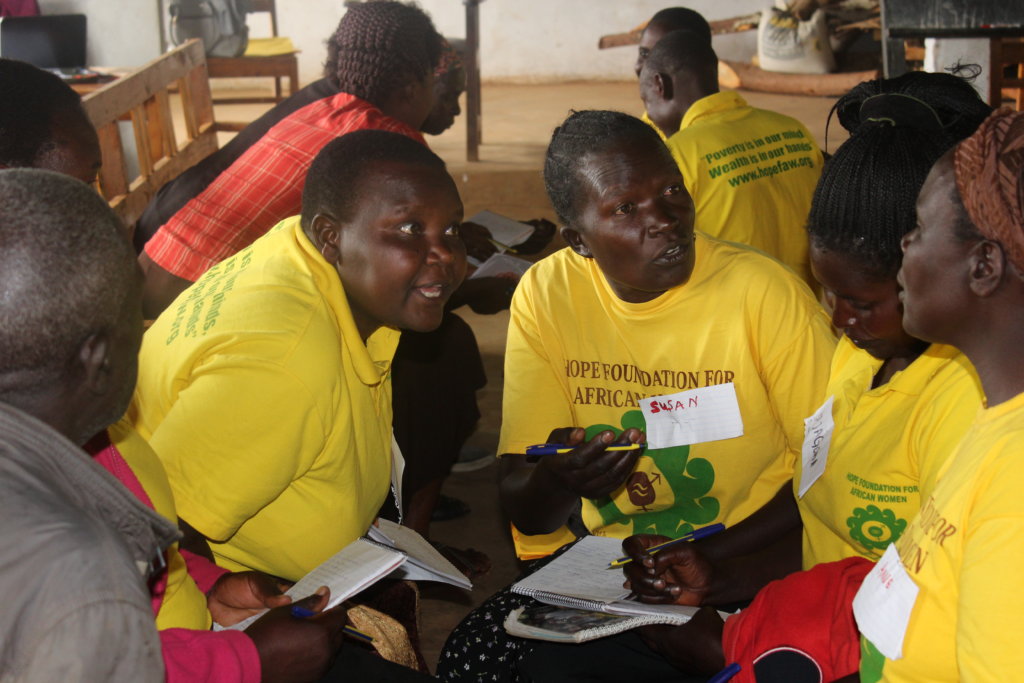
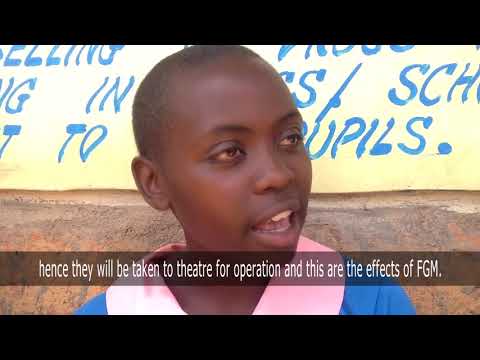
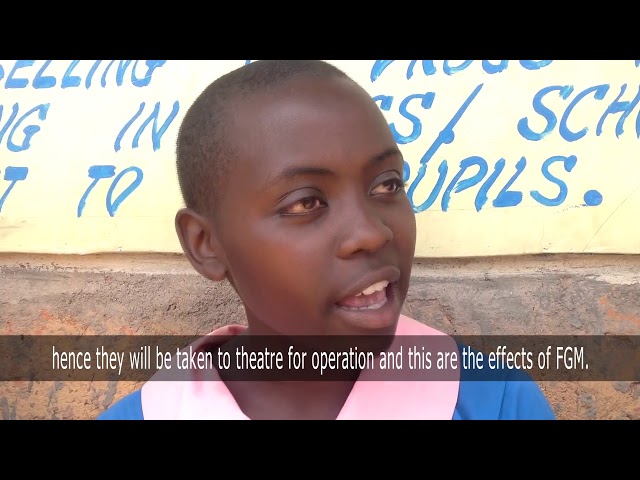
The interactive session allowed learners to openly share their perspectives. Some girls revealed that they are often forced into the practice by parents, with one stating, “We are being dragged forcefully by our parents.” Others expressed how social incentives influence decisions, noting, “I admired how they were treated—good meals and being bought new clothes and shoes.” At the same time, cultural influence emerged strongly, as one learner explained, “We are not to be blamed—the culture should; we found it ongoing and only follow suit.” This prompted further reflection among peers, with another learner challenging this view: “If something is wrong, why follow it? Did you try to question it?”
Discussions also reflected internal conflict among learners, with some acknowledging cultural pressure while others demonstrated growing critical awareness and willingness to challenge harmful traditions.
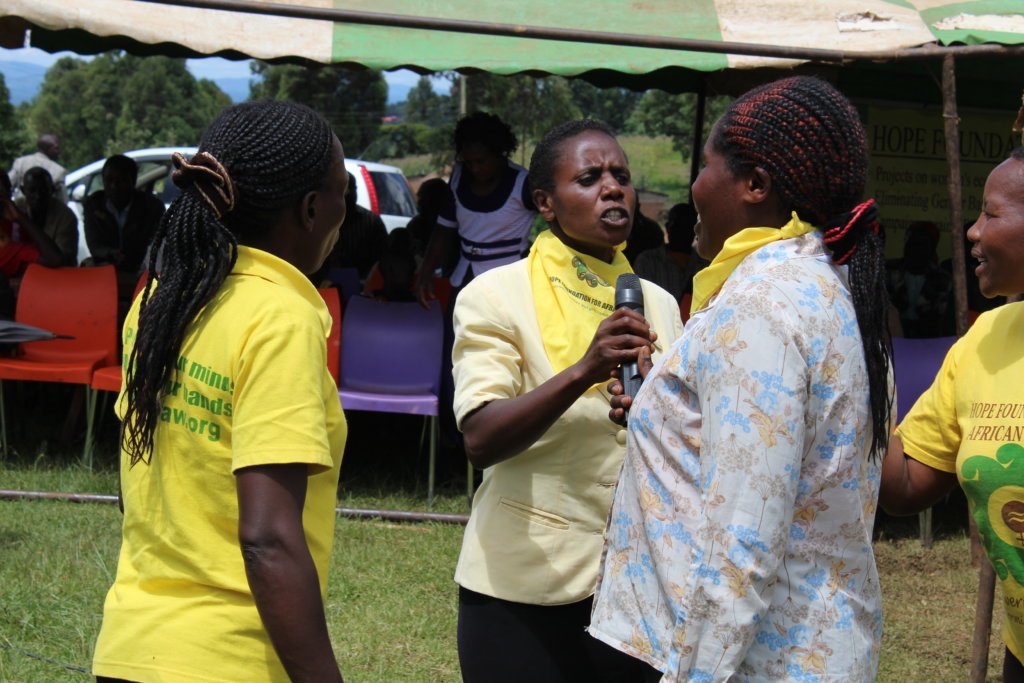
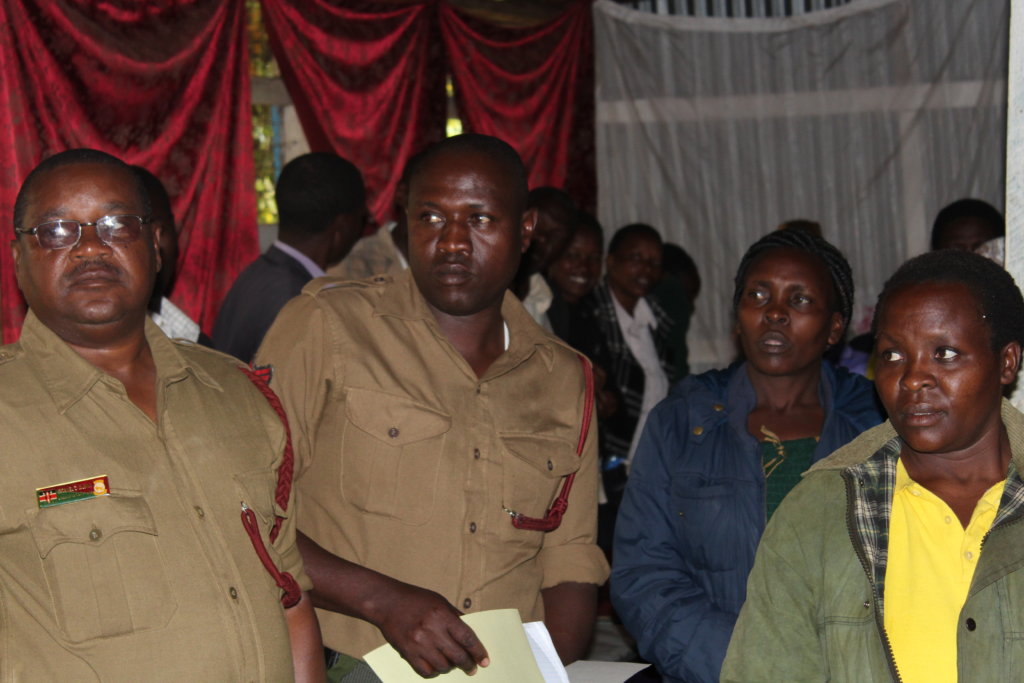
Local leadership reinforced the message, with the area chief emphasizing accountability and legality, stating, “If this practice exists, it is hidden. You must report it because it is unconstitutional.” Learners were encouraged to become ambassadors of change within their communities by speaking out against FGM and GBV.
The session concluded successfully, with increased awareness, active participation, and strengthened commitment among learners to advocate for the protection of girls’ rights and the elimination of FGM and GBV.
The advocacy session at Kowidi School highlighted the transformative power of open dialogue in challenging harmful norms and advancing efforts to end Female Genital Mutilation and Gender-Based Violence. Learners not only gained knowledge about the risks and consequences of these practices but also demonstrated a growing willingness to question cultural expectations and take on the role of advocates for change within their communities. The discussions reflected a shift in mindset, with both girls and boys engaging critically and expressing a desire to protect the rights and wellbeing of girls.
Despite this progress, the need for sustained engagement remains clear. Many communities, particularly those in border regions, continue to face deeply rooted cultural pressures, limited awareness, and inadequate support systems for prevention and response. Without consistent interventions, safe reporting channels, and community-wide involvement, gains made through such sessions risk being short-lived.
Project reports on GlobalGiving are posted directly to globalgiving.org by Project Leaders as they are completed, generally every 3-4 months. To protect the integrity of these documents, GlobalGiving does not alter them; therefore you may find some language or formatting issues.
If you donate to this project or have donated to this project, you can receive an email when this project posts a report. You can also subscribe for reports without donating.



Support this important cause by creating a personalized fundraising page.
Start a Fundraiser