By Amy Edwards | Senior Coordinator, PolioPlus
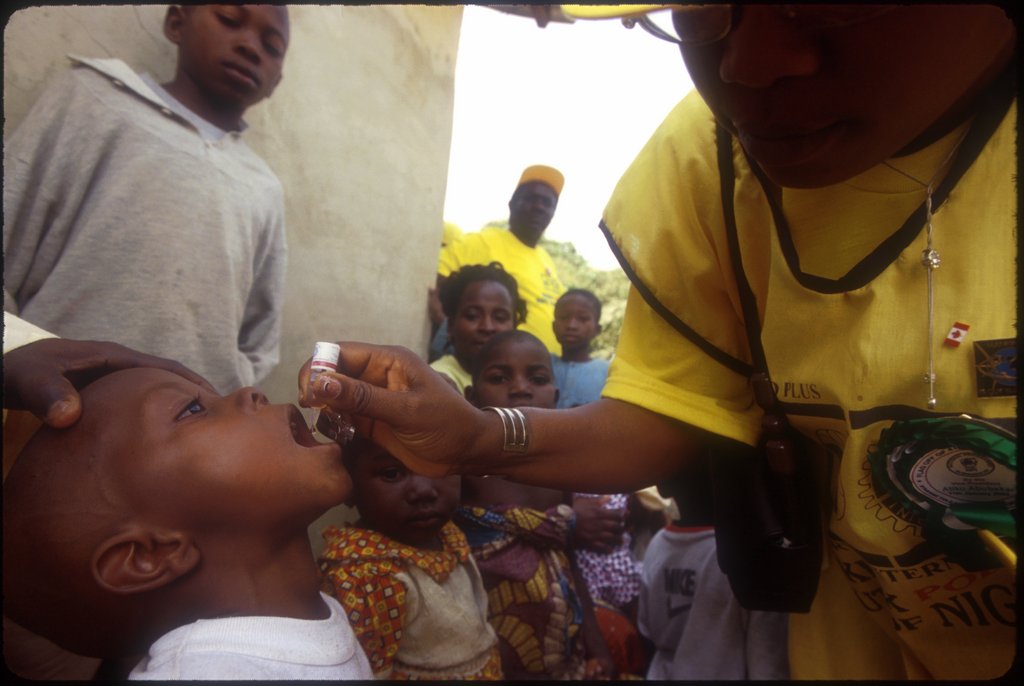
Rotary’s top global initiative is polio eradication. While there is still work to be done to finish the job, we can be proud of the incredible progress we’ve made, working with our partners in the Global Polio Eradication Initiative (GPEI). As we begin 2019, here are five ways Rotary is making progress toward our top goal.
1. We’ve come a long, long way
In 1988, the year when Rotary led the formation of the GPEI, the world had 350,000 cases of polio in 125 countries where polio was endemic. In 2018, there were 33 cases of wild polio in two countries, Afghanistan and Pakistan, which represents more than a 99.9 percent reduction in global polio cases.
2. Nigeria remains at zero
Although Nigeria is officially on the list of countries where polio is endemic, it is approaching the third anniversary of its last reported case of wild polio. Steady scheduling of immunization days, routine surveillance, and engagement at all community levels and institutions are a few of the reasons for Nigeria’s success.
3. Bold strategies are widening our reach
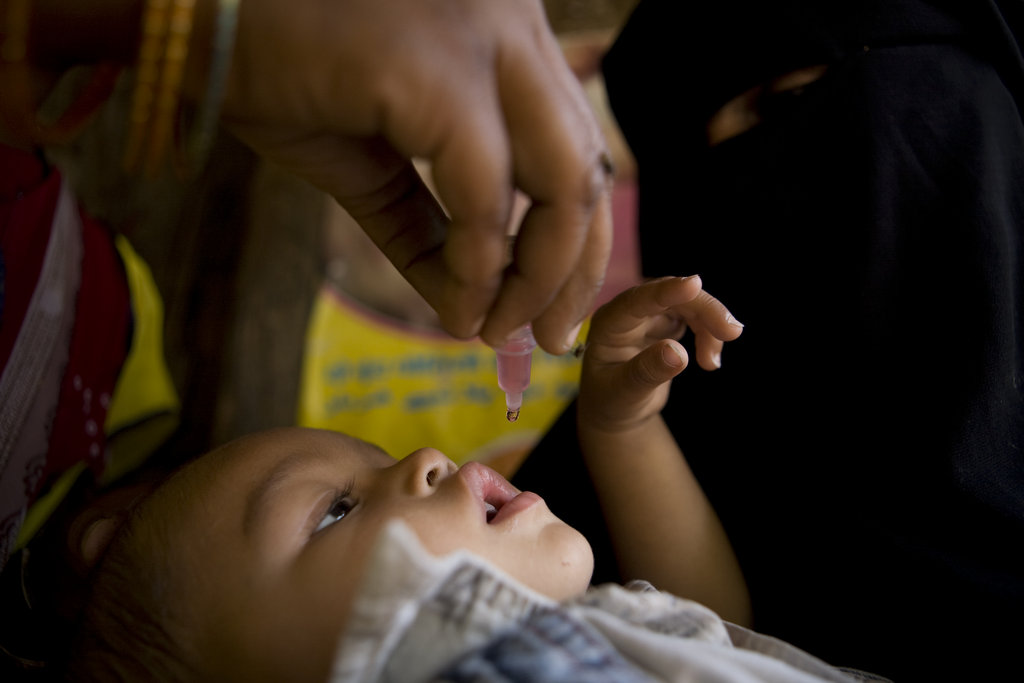
The GPEI is using new approaches aimed at reaching more children. Some are high-tech, such as using geographic information system mapping. Others are low-tech — yet just as critical — such as deploying boats to deliver vaccines to the remote islands of the Lake Chad region.
4. New solutions are advancing our work in Afghanistan
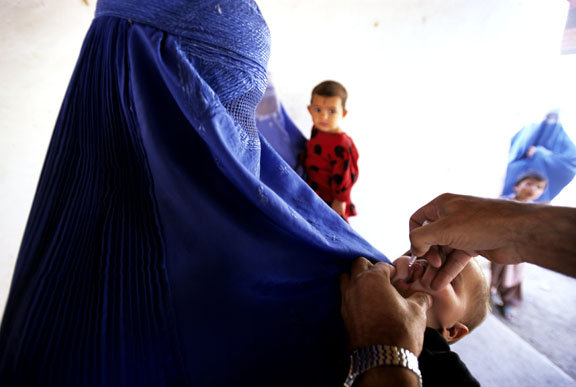
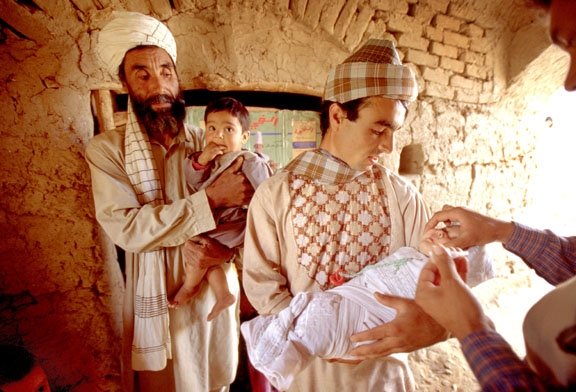
Rotary is doing its part to turn obstacles into opportunities in this war-torn country. Afghan Rotarians are working side by side with the government and other GPEI partners, often in dangerous places, to meet with local leaders who can foster community acceptance of the vaccine. Rotary-funded permanent transit points also help reach populations on the move between Afghanistan and Pakistan.
5. Complementary service projects are bolstering eradication efforts.
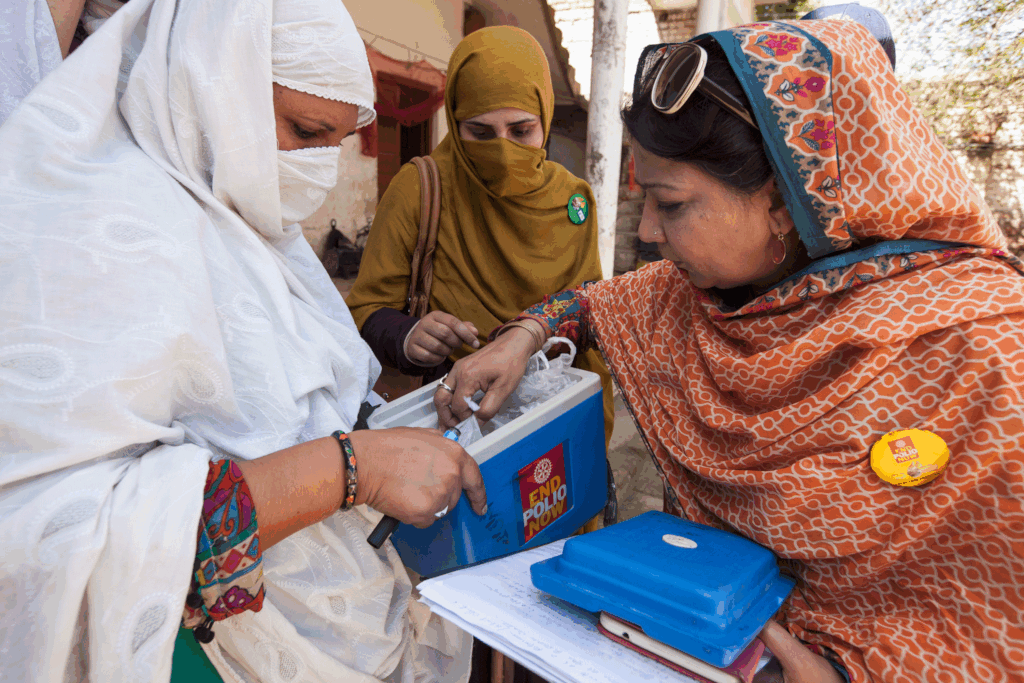
Polio is not an isolated problem. The communities where polio thrives are also affected by other health issues and lack clean water and proper sanitation. To respond to multiple health needs at the same time, Rotary is focusing on projects that complement polio eradication efforts — putting the “plus” in PolioPlus. One example: In Pakistan, Rotary clubs have partnered with The Coca-Cola Company and the United Nations Development Programme to build water filtration plants in Karachi’s highest-risk areas.
Project reports on GlobalGiving are posted directly to globalgiving.org by Project Leaders as they are completed, generally every 3-4 months. To protect the integrity of these documents, GlobalGiving does not alter them; therefore you may find some language or formatting issues.
If you donate to this project or have donated to this project, you can receive an email when this project posts a report. You can also subscribe for reports without donating.



Support this important cause by creating a personalized fundraising page.
Start a Fundraiser