By Amy Edwards | Senior Program Coordinator
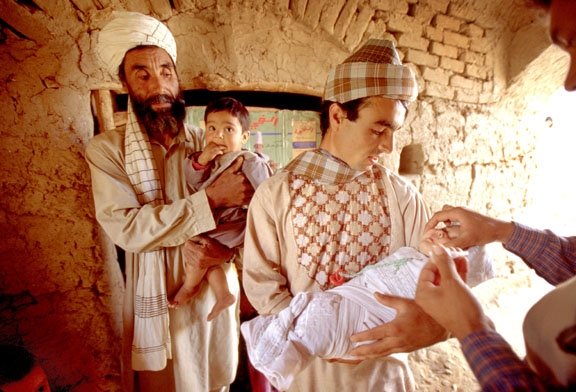
The COVID-19 pandemic has created health challenges that go beyond the disease itself. In May 2020, the World Health Organization reported that, worldwide, 80 million children under age one were not receiving vaccines for a variety of diseases. Pausing vaccinations — which involve close contact between vaccinators, infants, and their families — was necessary in the face of the pandemic. But as UNICEF Executive Director Henrietta Fore warns, “We cannot exchange one deadly outbreak for another.”
Amid these challenges, Rotary’s contributions toward polio eradication are more important than ever. In January 2020, the Bill & Melinda Gates Foundation and Rotary renewed their longstanding partnership, committing to raise an additional $450 million for polio eradication over the next three years. Rotary is committed to raising $50 million each year, with every dollar to be matched with two additional dollars from the Gates Foundation. “While response to the COVID-19 pandemic is an urgent global health priority, we cannot let our progress against polio backslide,” says Michael K. McGovern, chair of Rotary’s International PolioPlus Committee and a member of the Global Polio Eradication Initiative (GPEI) Polio Oversight Board. “Our recent success in Africa shows that a polio-free world is achievable, but renewed focus and support for ongoing efforts in the two remaining endemic countries must be prioritized in order to deliver on our promise of a polio-free world.”
In March, the GPEI helped mount a worldwide response to the COVID-19 pandemic, tapping the infrastructure created for polio vaccination and surveillance. All the while, it dedicated funds and other resources to resuming polio vaccination efforts as soon as it was safe to do so, and to adjusting the vaccination and surveillance infrastructure as needed.
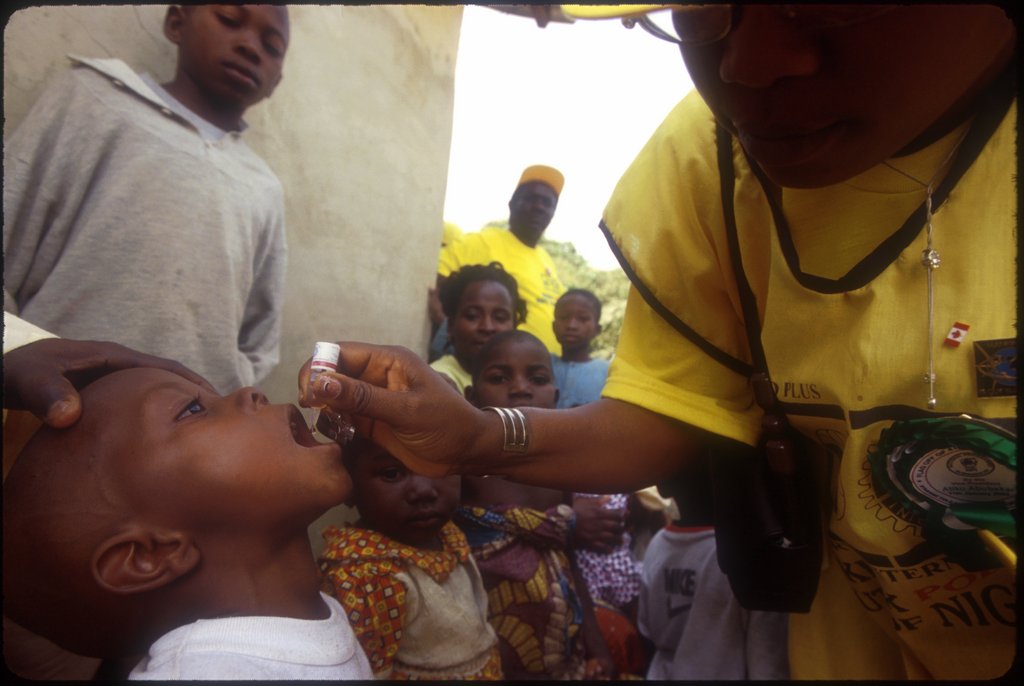
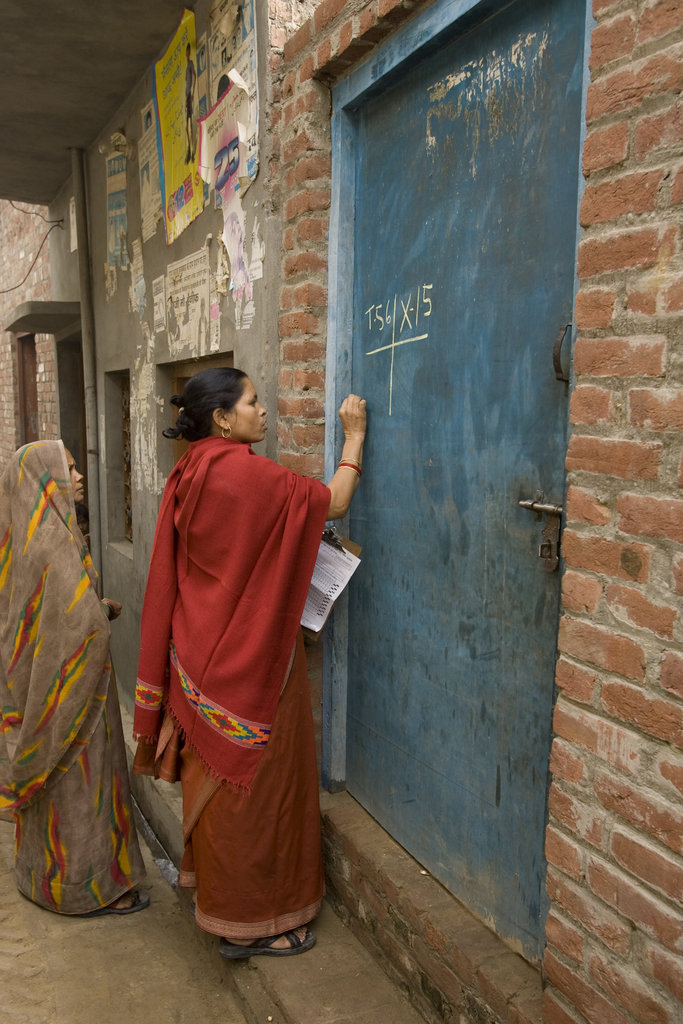
When COVID-19 emerged, the GPEI brought decades of experience to the response. While critical functions of the polio eradication effort continued, polio workers became involved in contact tracing, testing, and educating communities about hand washing and other ways to reduce transmission of and exposure to COVID-19. In many cases, they carried out both polio eradication and COVID-19 response activities simultaneously.
The polio eradication infrastructure has proved invaluable in the pandemic: GPEI hotlines, emergency operations centers, computers, and vehicles were all enlisted to support the COVID-19 response. In Nigeria, World Health Organization field offices, which are used to coordinate polio eradication efforts, have doubled as hubs for WHO teams focused on COVID-19. In Pakistan, hundreds of polio surveillance officers have been trained in COVID-19 surveillance. In Afghanistan, volunteers who educate communities about polio have been trained to teach people about COVID-19, including hand washing and other preventive measures.
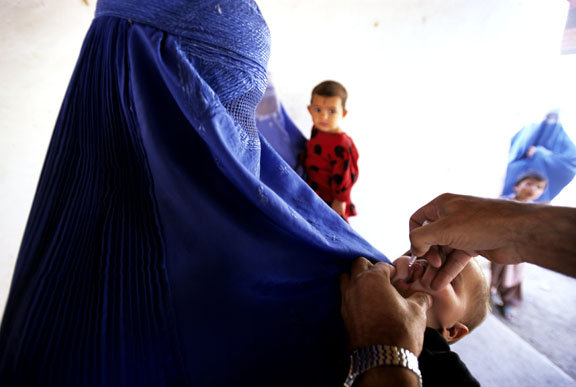
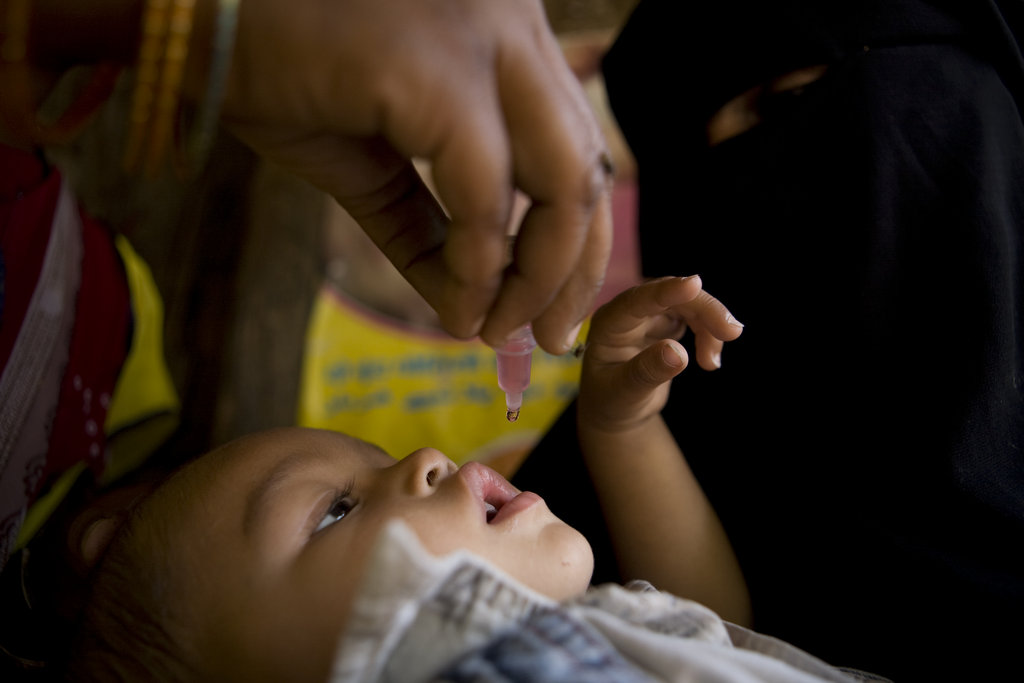
Polio immunization activities began resuming in July, with precautions taken to protect frontline workers and communities. With funding from Rotary members, Rotary issued more than $50 million in PolioPlus grants in June to support polio eradication work in Afghanistan and Pakistan (the last two countries where wild polio remains endemic) and across Africa. In Afghanistan, communications and community outreach work (called “social mobilization”) is crucial; this has included distributing 3 million bars of soap to promote hygiene, protect against polio and COVID-19, and improve local reception of vaccination efforts. In Pakistan, the social mobilization effort has a special focus on outreach to local religious leaders, who can promote vaccinations in mosque announcements and sermons.
In June, WHO committed to funding a Subnational Immunization Day in the Democratic Republic of Congo in the first quarter of 2021. A $3 million grant from Rotary will help fund vaccinations for an anticipated 8.4 million children in that country.
The WHO Regional Office for Africa continues polio surveillance in 47 countries across the continent. A $4 million PolioPlus grant will fund lab and surveillance activities such as collecting and transporting stool samples and conducting training. It will also support procedural changes made necessary by COVID-19.
As Rotary marked World Polio Day in October 2020, members knew that even in the face of a pandemic, the important work of fighting polio must continue.
Links:
Project reports on GlobalGiving are posted directly to globalgiving.org by Project Leaders as they are completed, generally every 3-4 months. To protect the integrity of these documents, GlobalGiving does not alter them; therefore you may find some language or formatting issues.
If you donate to this project or have donated to this project, you can receive an email when this project posts a report. You can also subscribe for reports without donating.



Support this important cause by creating a personalized fundraising page.
Start a Fundraiser