By Amy E Edwards | Program Specialist
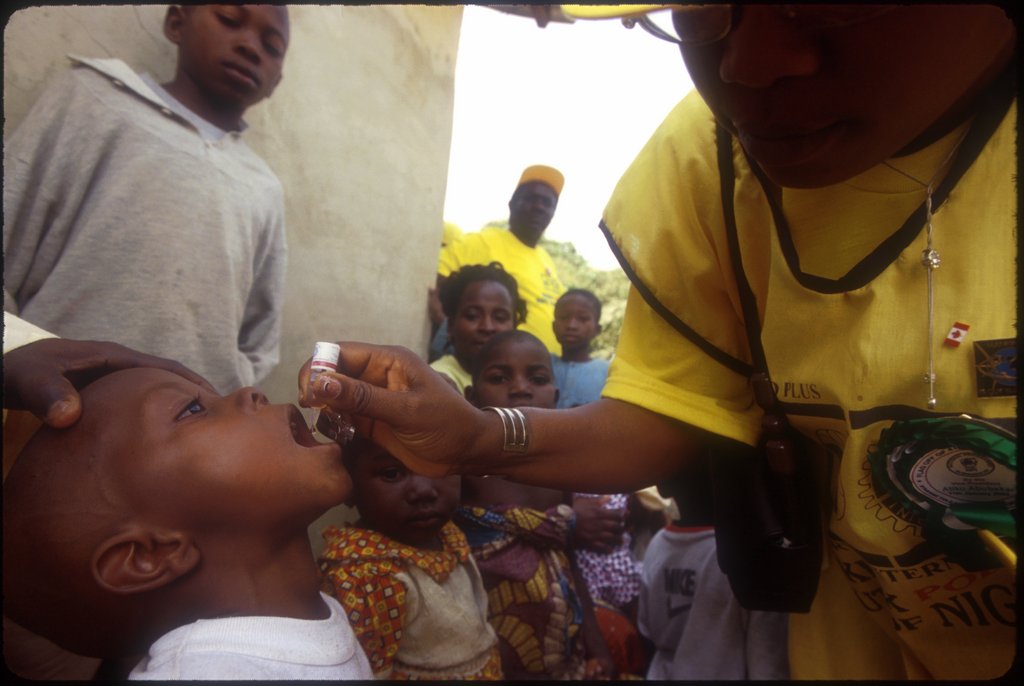
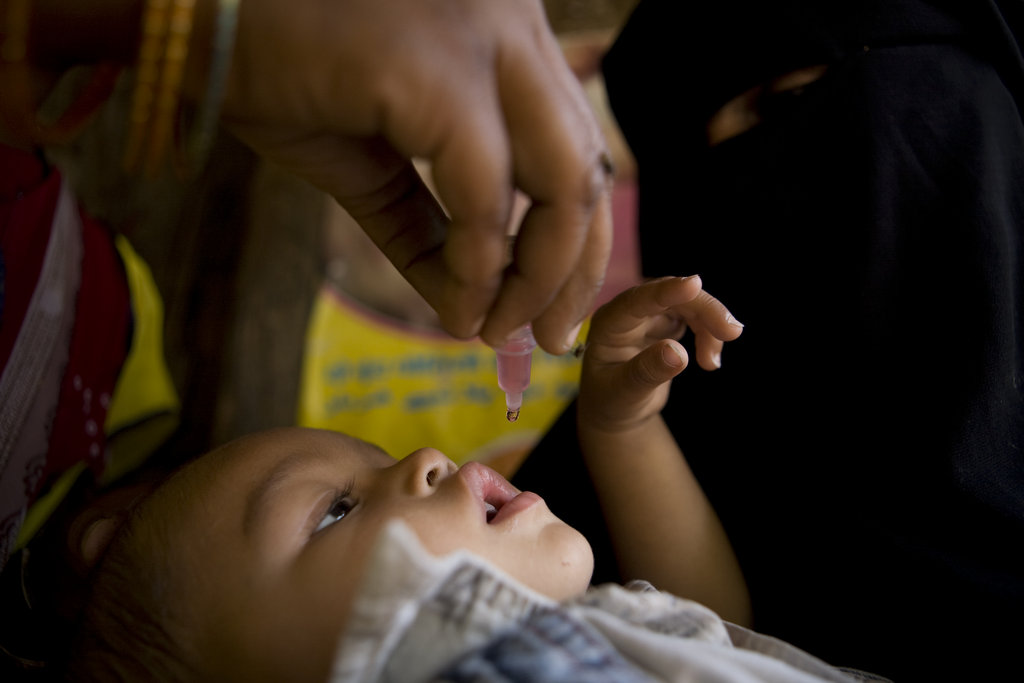
2023 is a critical year for the global effort to eradicate polio. It is the year where all remaining poliovirus transmission globally is slated to be fully interrupted according to the current program strategy. A unique epidemiological window of opportunity has presented itself, and it is one that the program must capitalize on. So what is the programme’s focus for achieving success this year? The answer is reaching zero-dose children in the most consequential geographies.
In the two countries which remain endemic to wild poliovirus – Pakistan and Afghanistan – virus transmission is more geographically restricted than ever before. In Pakistan all cases in 2022 were concentrated in just six districts of one province, out of a total of 180 districts in the country. The biodiversity of the virus (ie the individually-distinct virus lines that actively circulate in the country) also continues to decline. In 2020, the country was affected by 11 separate and individual chains of transmission. This was reduced to four in 2021, and to just one single chain in 2022. This means that individual virus lines are being successfully knocked out. The situation in Afghanistan is very similar, and we saw the same thing in other countries as they approached their final eradication efforts, including India, Nigeria and Egypt.
The virus is at its weakest now, and the opportunity to wipe it out completely has never been greater. How do we do this? It means prioritizing our efforts on the most consequential geographies, which will have the greatest impact on the global eradication effort and our progress.
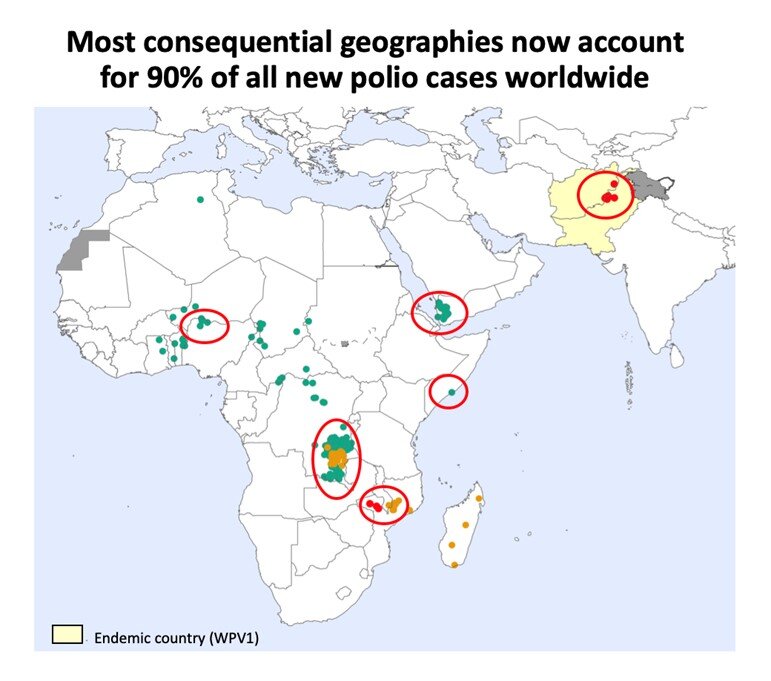
Where are these consequential geographies? They are seven subnational areas around the world (eastern Afghanistan; southern Khyber Pakhtunkhwa, Pakistan; Tete province and its hinterland in northern Mozambique; eastern Democratic Republic of Congo; northern Yemen; northern Nigeria; south-central Somalia). These areas share certain key programmatic characteristics: they feature some of the highest and most densely-populated proportions of zero-dose children (children who are either un- or under-vaccinated), and they are also affected by broader complex humanitarian emergencies, including in some areas insecurity, which means reaching these marginalized and last-remaining under-vaccinated communities is all the more challenging.
Our overarching goal must be to adapt our operations to reflect the nature of the complex humanitarian emergencies in each of these seven subnational geographies to reach the remaining zero dose children. This means operating effectively within the realities of this humanitarian context. We must work with other humanitarian partners through a network of coordination organized around emergency operations centers (EOCs), to ensure that we deliver polio vaccine, alongside broader interventions, in the most culturally-relevant and appropriate manner.
Polio has re-emerged over the past year in places that had long been polio-free. These outbreak are currently being actively managed by local public health authorities but they serve as a stark reminder of the need to complete the job of global eradication or face resurgence of polio around the world. It is the nature of a highly infectious disease to spread among population movements, and that will continue to happen until it is gone from all areas. It is critical that countries continue with their own national efforts to protect themselves in both the short- and long-term, by continuing to maintain strong disease surveillance and high vaccination coverage, and by fully implementing containment activities.
In 2023, a very real window of opportunity for success presents itself. But this window will not remain open for long.
To achieve success now, we must be sharply focused on reaching zero-dose children in the most consequential geographies. We have a collective responsibility to do all that we can to protect every child from polio. If we keep this focus, success will follow.
Links:
Project reports on GlobalGiving are posted directly to globalgiving.org by Project Leaders as they are completed, generally every 3-4 months. To protect the integrity of these documents, GlobalGiving does not alter them; therefore you may find some language or formatting issues.
If you donate to this project or have donated to this project, you can receive an email when this project posts a report. You can also subscribe for reports without donating.



Support this important cause by creating a personalized fundraising page.
Start a Fundraiser