By Amy Young | Senior Coordinator
Rotary stands with its partners on the brink of eradicating polio. When we succeed, it will be only the 2nd disease in history behind smallpox that has been completely wiped off the face of the earth. That historic effort has taken the work of many, from Rotarians to public health officials, governments and NGOS - all have contributed to the current status of the polio eradication effort. So far in 2015 we have ony 24 cases of polio, with most of those found in some of the most geographically challenging regions in the world. Still, we are finding new ways to reach children and ensure they not only receive the polio vaccine, but also other basic health services, proving that universal health care is achievable.
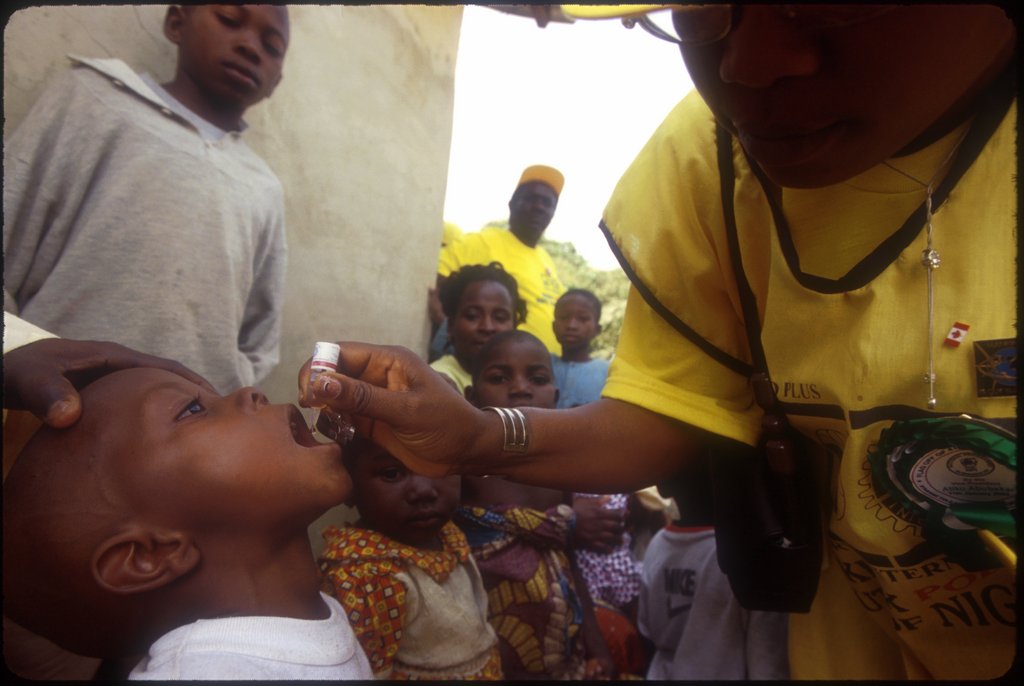
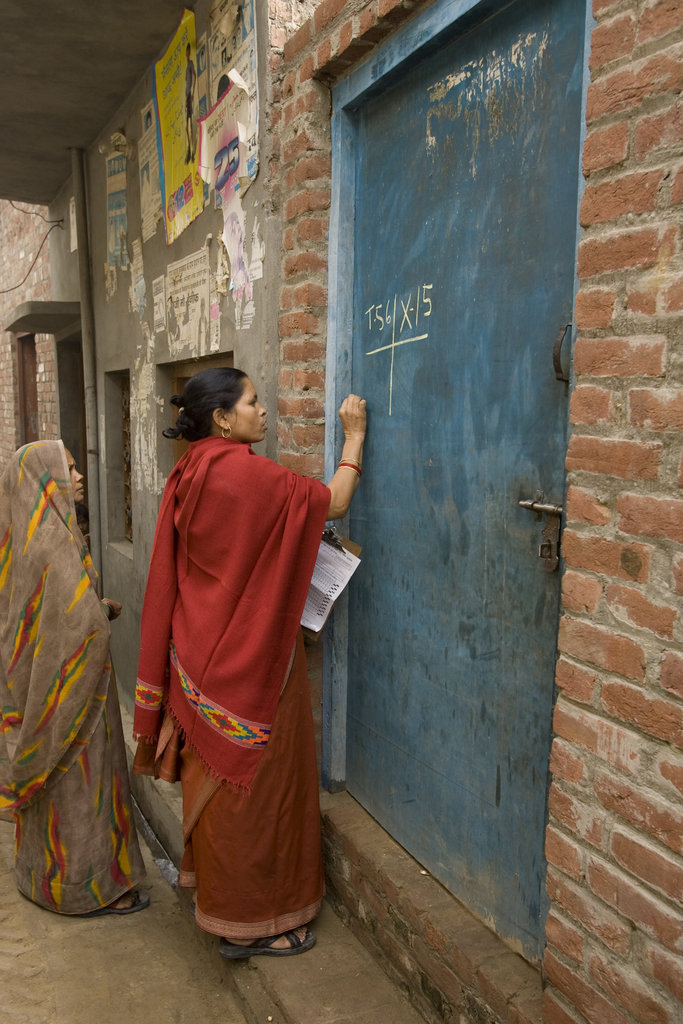
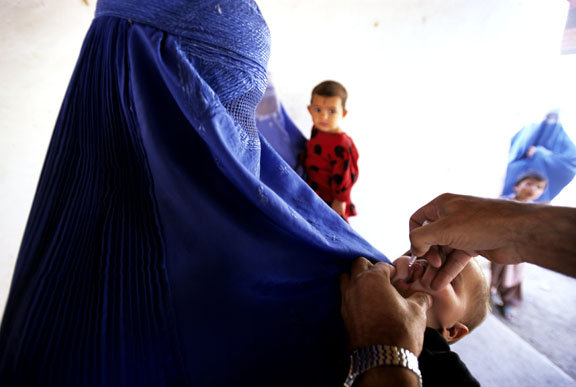
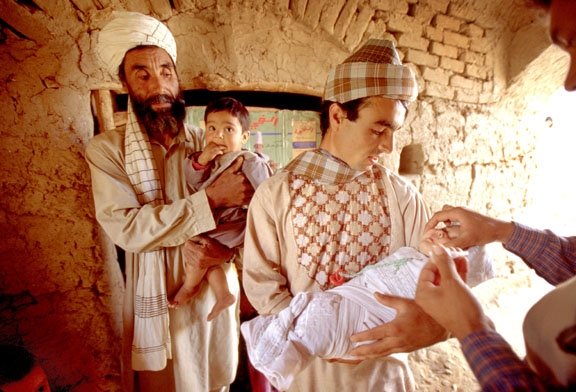
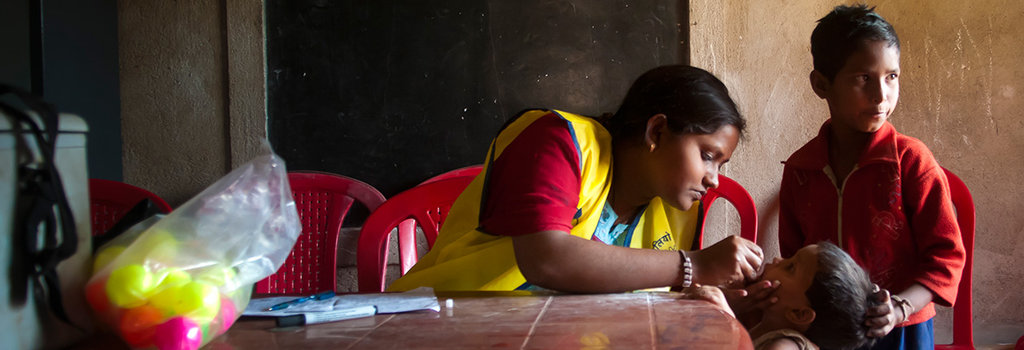
While Rotary and its partners have played an important role in the progress, the true recognition belongs to those who stand on the front lines of a long standing war with the polio virus, which has demonstrated itself a formidable foe. The vaccinators face a creative and persistant virus that finds its way into security challenged, remote areas. It crosses borders, it intervenes in armed conflict and adapts itself to new environments. Despite these challenges, the vaccinators are proving to be more persistent. Since 2013, these frontline workers have been attacked and killed in conflict areas of Pakistan and Nigeria, two of the three remaining countries where the polio virus still circulates. There was talk that this might threaten progress to the program, but the vaccinators proved them wrong. They kept going to work, reaching out to children in need, seeing in the faces of those children the hopes and dreams of their own. It is with this courage and persistance that the program is able to move forward, reducing cases, reaching children, helping to educate and support families who are in need.
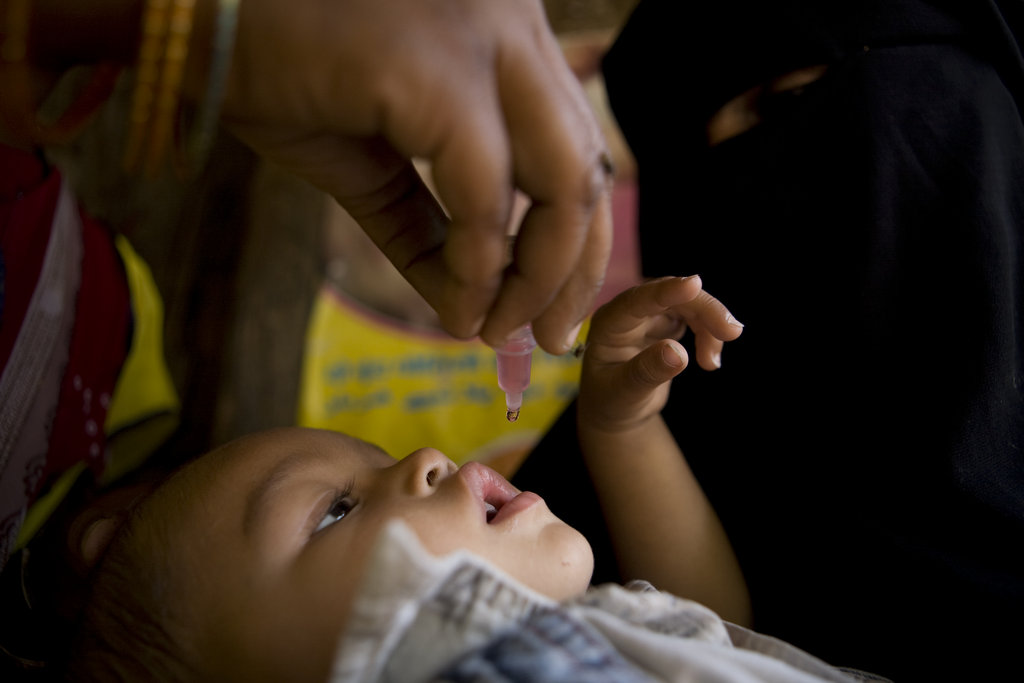
Nigeria has not seen a case of polio since July of 2014, and if they go a full year without a case they will be removed from the list of endemic countries, leaving just Pakistan and Afghanistan where the wild virus still circulates. The polio network in Nigeria helped to quickly end the Ebola outbreak, illustrating the broader benefits the polio infrastructure is providing. And despite ongoing challenges in Pakistan, they are beginning to get their program back on track. Rotarians are helping to make that progress happen, through permanent transit posts, health camps, and through incentives for the front line works who are at the heart of the battle. We continue to marvel at the way each person plays an important role in this global effort to end a disease that has paralyzed too many children for far too long. Thanks to the bravery of those who face the elements every day, one drop at a time, it won't be long before polio is a distant memory. That is a legacy worth fighting for.
Project reports on GlobalGiving are posted directly to globalgiving.org by Project Leaders as they are completed, generally every 3-4 months. To protect the integrity of these documents, GlobalGiving does not alter them; therefore you may find some language or formatting issues.
If you donate to this project or have donated to this project, you can receive an email when this project posts a report. You can also subscribe for reports without donating.



Support this important cause by creating a personalized fundraising page.
Start a Fundraiser