By Amy Young | Senior Coordinator, PolioPlus
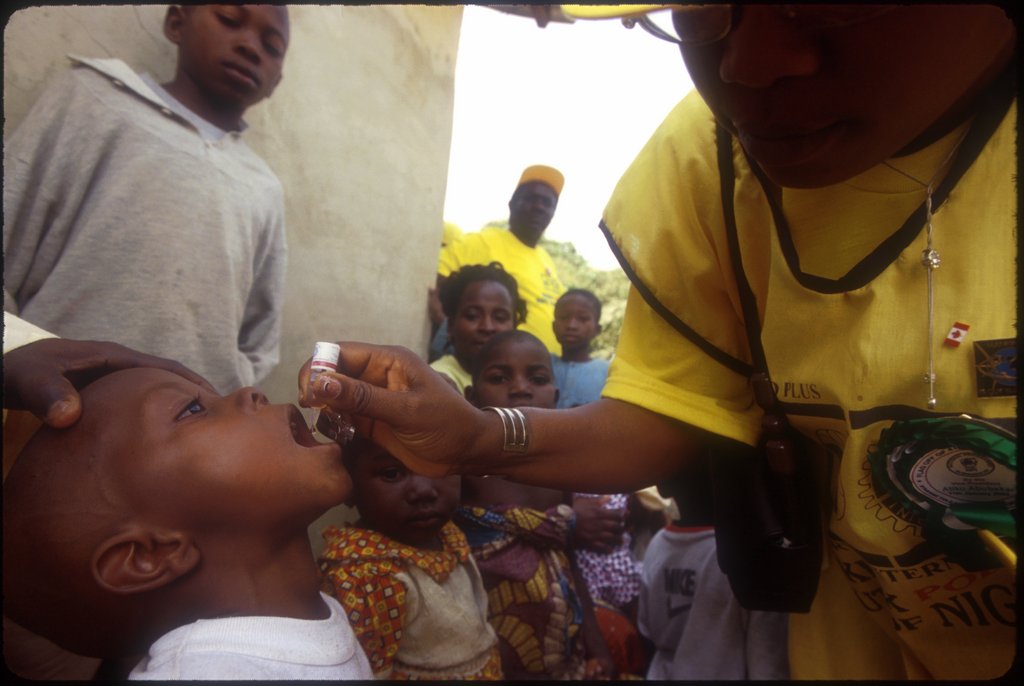
July 24th marked one year since the last case of polio in Nigeria, the only remaining polio-endemic country in Africa. This achievement – the longest period Nigeria has gone without a case of the paralyzing disease – could signal the world will soon see a polio-free Africa, a significant global health milestone.
Rotary has been a leader in the fight to eradicate polio since 1985, when it launched the first global initiative to immunize the world’s children against polio: its flagship PolioPlus program. Rotarians have donated more than $1.4 billion to end polio globally along with countless volunteer and advocacy hours.
Nigeria’s last polio case occurred on July 24, 2014, in southern Kano state, and the continent of Africa has not seen a polio case since August 11, 2014. The World Health Organization (WHO) may soon remove Nigeria from the list of polio endemic countries. When Nigeria and every country in Africa go three years without a case of polio, WHO will certify the region as polio-free. Most recently, WHO declared India and its Southeast Asia region polio-free in 2014.
Experts caution that while today marks a noteworthy milestone, the world cannot take its sights off polio. The next two years will be critical to ensuring Nigeria remains on-track and prevent a resurgence of the disease. The support of donors, governments and partners is needed more than ever to ensure high-quality polio campaigns.
Last month, Rotary announced US$19 million in grants for continued polio eradication activities in Africa, including nearly $10 million for Nigeria. Over the past thirty years, Rotarians have given $688.5 million for polio eradication throughout Africa, and $207.4 million for Nigeria.
“Rotary’s 1.2 million members around the world – including the 6,890 in Nigeria – have played an important role in this progress. Rotary has worked with partners to successfully pioneer unique and innovative solutions to the challenges facing polio eradication in Nigeria,” said Dr. Tunji Funsho, Rotary’s National PolioPlus Committee chair for Nigeria. “However, it is too soon to celebrate. The world needs to keep polio eradication a high priority to ensure the disease does not return within our borders.”
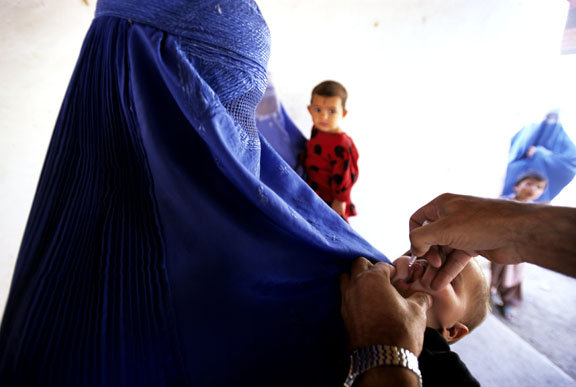
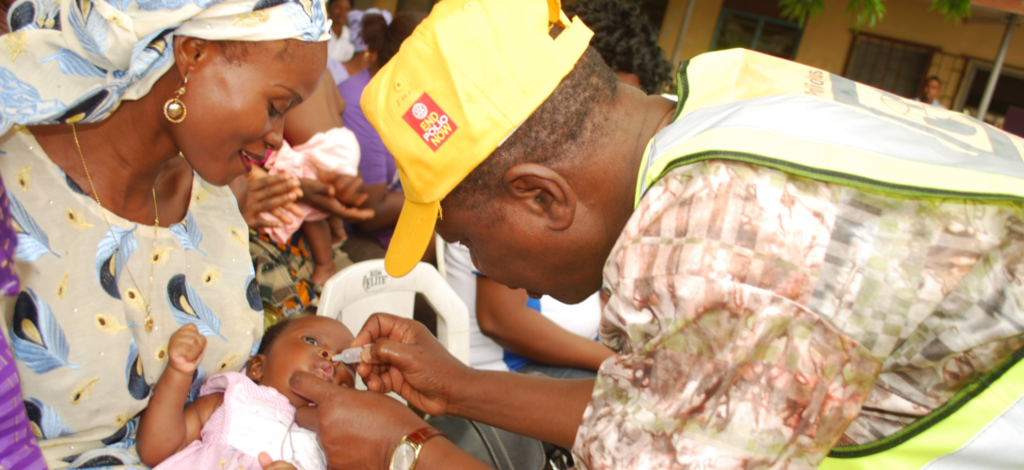
One of the unique ways Rotarians are getting involved in Nigeria is through the use of health camps, where polio vaccines are given along with a range of other health services and basic health supplies such as first aid kits, soaps and bed nets. Rotarians volunteer their time and also help pay for the medical supplies, which is helping to provide much needed access in at risk communities. This is helping to build trust and secure a strong foundation for future public health initiatives in the country.
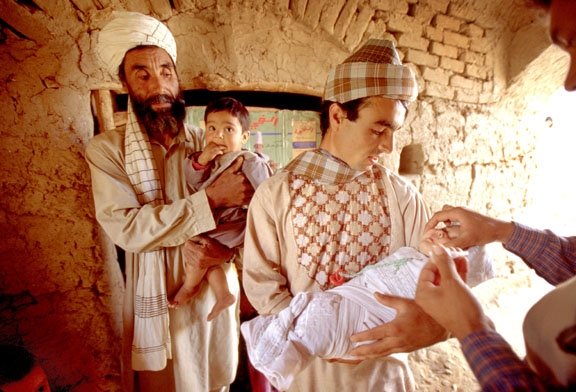
Beyond Nigeria, only Pakistan and Afghanistan remain polio-endemic. According to experts, Pakistan will prove the biggest challenge to global eradication efforts, with the country accounting for nearly 90% of the world’s cases in 2014. However, there has been recent progress in Pakistan, with the country reporting a nearly 70% reduction in cases in the first half of 2015 compared to the same time in 2014. Rotarians in Pakistan have adopted similar approaches to the ones utilized in Nigeria, and are hopeful that similarly success results will soon bring Pakistan and the world ever closer to the polio free goal.
Links:
Project reports on GlobalGiving are posted directly to globalgiving.org by Project Leaders as they are completed, generally every 3-4 months. To protect the integrity of these documents, GlobalGiving does not alter them; therefore you may find some language or formatting issues.
If you donate to this project or have donated to this project, you can receive an email when this project posts a report. You can also subscribe for reports without donating.



Support this important cause by creating a personalized fundraising page.
Start a Fundraiser