By Jennifer Schechter | CEO
Integrate Health replicates impact results through larger, controlled study.
Integrate Health’s expansion study (2018-2023) indicate that when children receive care from the Integrated Primary Care Program (IPCP), they have a 29% lower risk of death. The new findings mirror the 30% reduction in under-five mortality (U5M) seen in the pilot study (2015-2020). These new results demonstrate that the IPCP can maintain effectiveness and impact at scale.
The reduction in U5M was observed alongside improvements in health center quality and access, facility-based deliveries, home-based Community Health Worker (CHW) visits, and key facilitators of accessibility related to caregiver trust and engagement in care. While many of these factors are known to contribute to improved care, this study demonstrated both a reduction in mortality and supporting evidence for attribution to that impact at scale.
Integrate Health (IH) completed over 50,000 household surveys, 105 health center assessments, and 79 key informant interviews in four districts to assess the impact of the expanded program. To measure changes in U5M, IH used Cox Proportional Hazard modeling, a rigorous analytic method, and controlled for known confounding factors.
The findings contribute to a growing body of evidence demonstrating the effectiveness of comprehensive, community-based primary care interventions integrated with facility-based care in reducing U5M. While numerous studies have highlighted the impact of various strategies, such as improving access to health facilities, increasing skilled birth attendance, increasing home-based CHW visits, and promoting immunization, this study demonstrates the significant impact of a real world, integrated intervention at scale.
In recognition of the strong collaboration with government partners and other stakeholders, IH hosted a dissemination workshop in Lomé, Togo on February 28, 2025. Representatives from the Ministry of Health, research institutions, civil society, and the private sector participated in the discussion. Participants expressed strong support for IH’s research-driven approach, recognizing the importance of sharing findings to inform national health policies and drive innovative strategies to improve care for vulnerable populations.
Results of the study were shared by Dr. Kevin Fiori, IH’s co-founder and Principal Investigator of the study, at an online dissemination event in April. A video of the event is available here. The manuscript for the study has been submitted to the journal of Pediatrics and will be shared widely once published.
Togo Highlights
Successes
Kozah Handover Mid-Term Evaluation: In February, a mid-term evaluation of the transfer of program ownership to local government in the Kozah district was completed, and results were shared with government partners. The evaluation focused on four areas: quality of care, utilization of care, financial management, and transparency and accountability. The evaluation was overall positive and also identified key areas for improvement. Regarding patient care, health facilities scored an average of 82% in a quality-of-care assessment, meeting the target. Evaluation results also found that 80% of indicators for care utilization, such as the attendance rate at health facilities for children under five, were met by February 2025. IH implemented a new financial management strategy for the handover sites, shifting from an operating grant model to a reimbursement model, which was found to reduce costs and increase stock availability—a big win that the team will now replicate in other sites. Finally, the evaluation identified opportunities for improvement in transparently communicating the package of care included in the reimbursement model. These learnings will be taken on board as IH and government partners design the next phase of government ownership of the Integrated Primary Care Program.
New National Plan to Advance Universal Health Care: In February, IH signed on to support a new health plan to further advance Universal Health Care in Togo. The Passage à Grande Échelle (PAGE) plan is based on WHO best practice guidelines aiming to integrate family planning, maternal and child health, and nutrition services to increase access to and quality of essential healthcare. The Ministry of Health launched the strategic plan at a roundtable event that convened technical and financial partners from over 20 institutions to gain buy-in and mobilize resources for its implementation.
The PAGE plan is patient-centered, integrated, and moves away from vertical programing silos, crowding domestic and partner resources into essential care for the most vulnerable: women and young children. The rollout of the PAGE plan is expected to start in 2026 and presents an opportunity for IH to strengthen our engagement with national health leaders, advocate for our integrated healthcare approach, and contribute to shaping sustainable healthcare service expansion in Togo. Stay tuned for rollout updates in the coming months.
Challenges
Childhood Vaccination Rate in Binah: For several years, the Binah district has faced challenges with the childhood vaccination rate indicator, which measures the proportion of children aged 0-11 months who received three doses of DTP-HepBHib3 vaccine out of the total estimated children in that same age range. This indicator has consistently fallen short of the 96% target set in accordance with national guidelines, resting at 84% in FY23 and 88% in FY24. After conducting some analyses at the end of 2024, the immunization division of the MOH adjusted the target population estimate, which was reduced from approximately 4% to 3% of the total population. This readjustment of the calculation method is reflected in the updated coverage rate in many districts, particularly in Binah where the rate is 128% and where most health facilities now show that they have reached or exceeded their targets. IH analysis shows that IH-supported health centers also provide care to patients outside the catchment area, so a vaccination rate above 100% indicates that IH is reaching all children targeted as well children outside the catchment area who access care at IH-supported sites.
Guinea Highlights
Successes
Local Financing for Community Health Pilot: In January, IH facilitated a workshop and collaborated with key government stakeholders to draft and validate the Sustainable Community Health Financing concept note, an action plan and advocacy tool for integrating salaries of Community Relays into district government budgets. The high-level workshop was attended by 17 key stakeholders, including government officials and international and local organizations in Guinea. This progress builds on Guinea’s decentralization framework, which allocates local development funds through the national local development fund and aligns with the Building Integrated Readiness for Community Health (BIRCH) pilot project, supported by IH and the Global Fund, to strengthen communal investment in community health in ten communes across the Kindia and Mamou regions. As a next step, IH will partner with the Ministry of Administration to create, and strategize on how to fund, the local administrative budget line. For more information about Project BIRCH, read this blog on IH’s website here.
Kouroussa District Health Director Visit to Togo: In March, the IH team in Togo hosted a field visit to the Kara region by the district health director of Kouroussa, Dr. Kourouma Lancine. The objective of the visit was to have a learning exchange with program stakeholders in Kara and was conducted in two parts: observation of and interaction with a Community Health Worker in action, and a discussion session with various stakeholders involved in the implementation of the Integrated Primary Care Program. Dr. Kourouma also gathered feedback from program beneficiaries on their experiences with the program. The trip is an example of the knowledge sharing that IH facilitates between our implementation sites in Togo and Guinea and is based on the recognition of IH’s expertise and experience in implementing the IPCP. In Kara, Dr. Kourouma was happy to be able to see firsthand the work invested into the program in Togo and plans on continuing such efforts to ensure the success of the program in Guinea as well.
Challenges
Health Data Review: In February, IH facilitated a quarterly review of health data in the Kouroussa district to assess data quality and identify areas for improvement. The session brought together 24 participants from local, regional, and national government teams. Through a detailed analysis of collected data, participants worked to pinpoint gaps, propose solutions, and strengthen collaboration among key health actors. Some challenges identified and discussed included incomplete filling out of reporting templates and poor data analysis of DHIS2 data.
This data review meeting coincided with a site visit of IH’s Monitoring and Evaluation senior leaders who support both Togo and Guinea country programs. The team identified areas of improvement in data collection: for example, a discrepancy between the way Community Health Worker (CHW) visits were reported in Togo and Guinea, which caused underreporting in Guinea. As of February 2025, both countries report the number of CHW visits with the correct definition. With this adjustment, Guinea reported 17,000 Community Relay visits this quarter, up from under 6,000 the past two quarters. We expect this number to continue to increase. IH will continue to work on data accuracy, and this initiative underscores IH’s commitment to improving data management and fostering a more coordinated approach to healthcare decision-making.
Organizational Highlights
Recruitment Updates: As part of IH’s organizational restructuring process started in July 2024, two executive leadership roles have been filled. Dr. Tiguida Sissoko has joined as Senior Director of Programs, bringing over a decade of experience in public health, including leadership roles with Save the Children and MSI Reproductive Choices across Mali and Burkina Faso. Rhochell Williams has been appointed as Senior Director of Human Resources (HR), with a strong background in international HR leadership across Europe, West Africa, and Central America. Her expertise in organizational psychology and inclusive workplace strategies will further strengthen IH’s internal culture. Please join us in welcoming the two newest members of IH’s executive team!
Community Health Worker Spotlight: Ramata Seny Bangoura
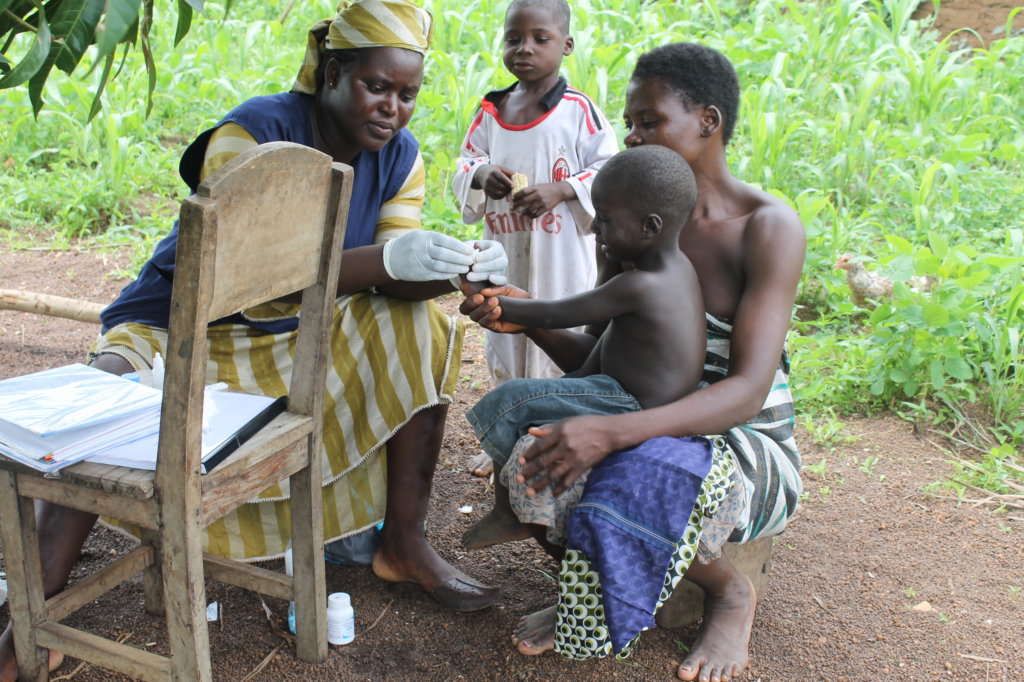
Ramata Seny Bangoura, a mother of five, has been a Community Health Worker for four years in Koumana, a sub-district of Kouroussa in Guinea. Ramata starts her day at six o'clock with a program that often includes home visits, nutrition awareness-raising activities, monitoring of pregnant women, and surveillance for cases of common childhood illnesses. Her work has helped transform attitudes in her community. She remembers a period when several families refused vaccines because of persistent rumors in the community about adverse effects of vaccines. With patience, she led information sessions, used real-life examples, and established dialogue with these families. Today, these same families now seek her out when they need care.
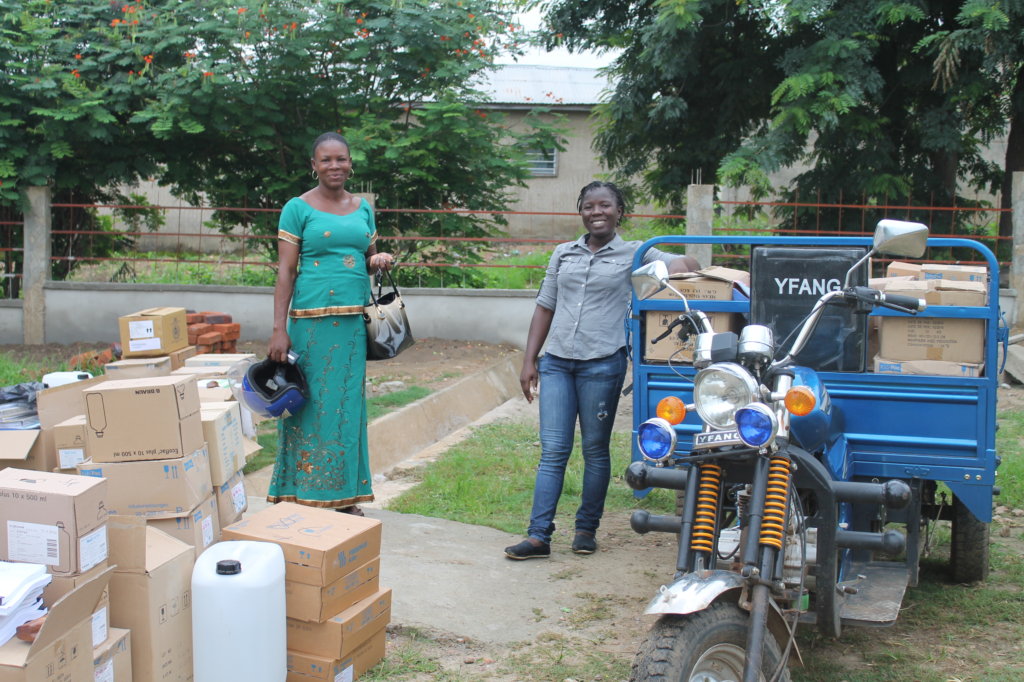
Ramata has also observed that since IH started providing free services in Koumana, more people now come to the health center, more women are informed of their health rights, children are better monitored, and the community is more confident in the health system.She is able to travel to the most isolated homes on a daily basis, thanks to the motorcycle provided and regularly maintained by IH. This logistical support enables her to stay close to the community, even in the most remote areas.
Ramata is committed to her work as a CHW and tries to balance her work with her role as a mother. She credits being organized with maintaining this balance and is appreciative of her husband, who is supportive, and her children who understand the importance of her work. She dreams of one day becoming a public health expert to be able to train other women and inspire other young people. And to those who may be reluctant to get involved, she has a strong message:
"Being a CHW is no ordinary job. It's a vocation. It takes heart and patience, but the results are there: lives saved, children who grow up healthy, women who give birth safely. That's what I'm most proud of.”
Financial Highlights
Links:
Project reports on GlobalGiving are posted directly to globalgiving.org by Project Leaders as they are completed, generally every 3-4 months. To protect the integrity of these documents, GlobalGiving does not alter them; therefore you may find some language or formatting issues.
If you donate to this project or have donated to this project, you can receive an email when this project posts a report. You can also subscribe for reports without donating.



Support this important cause by creating a personalized fundraising page.
Start a Fundraiser