By Charles Olupot | Project Leader
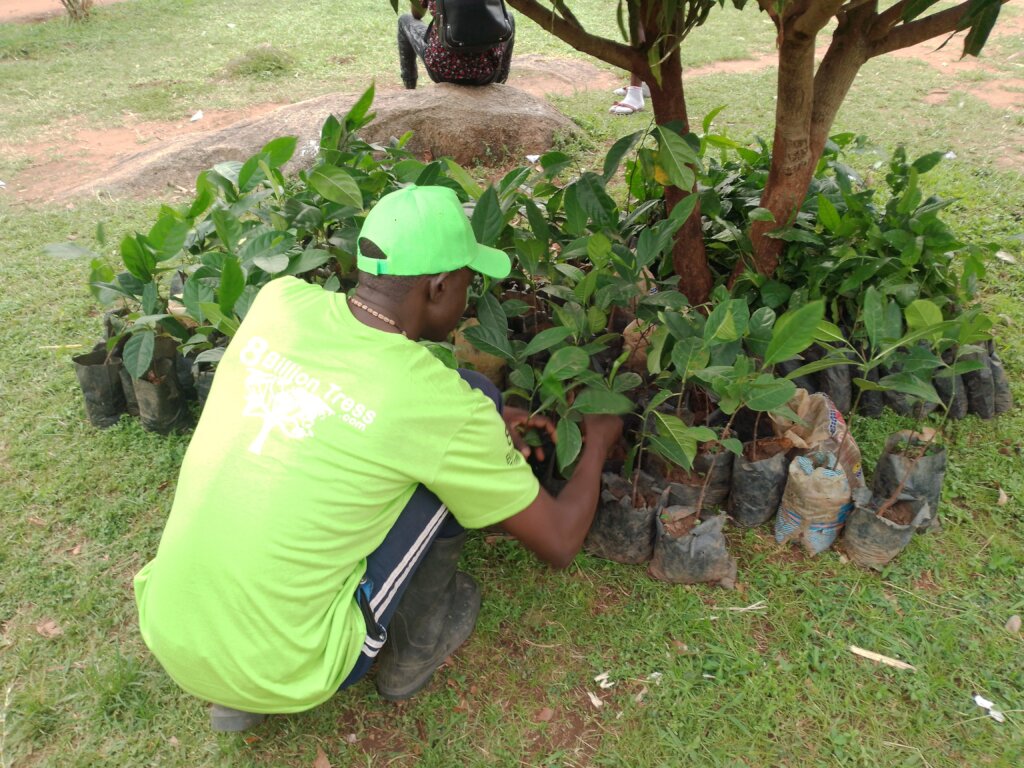
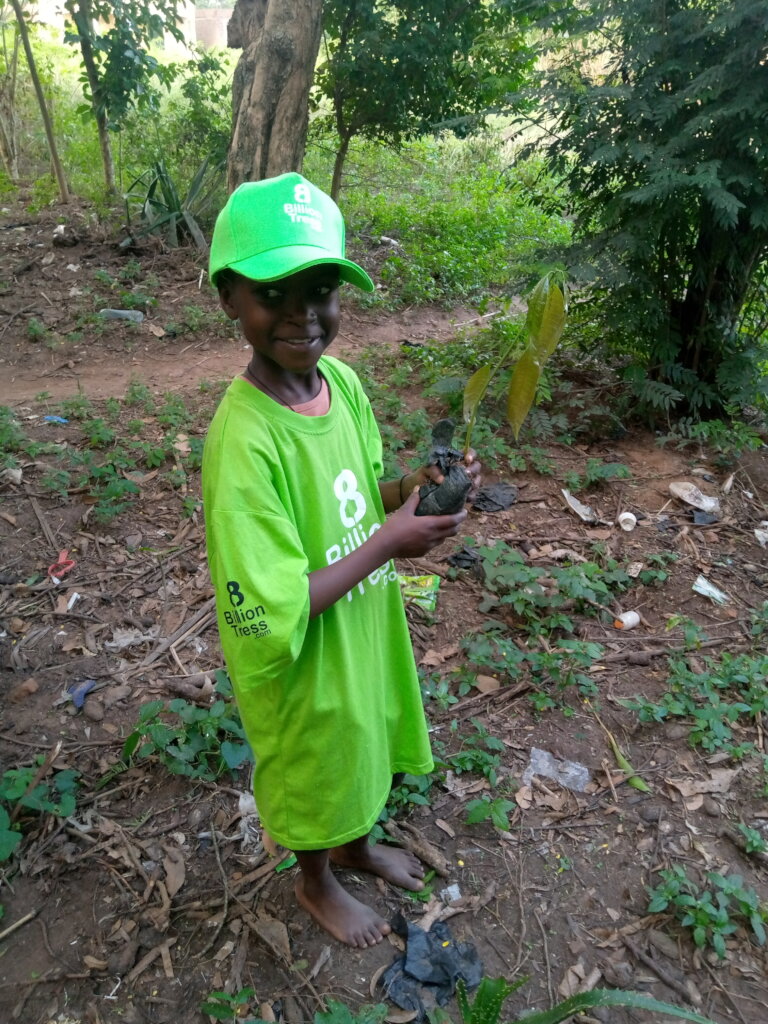
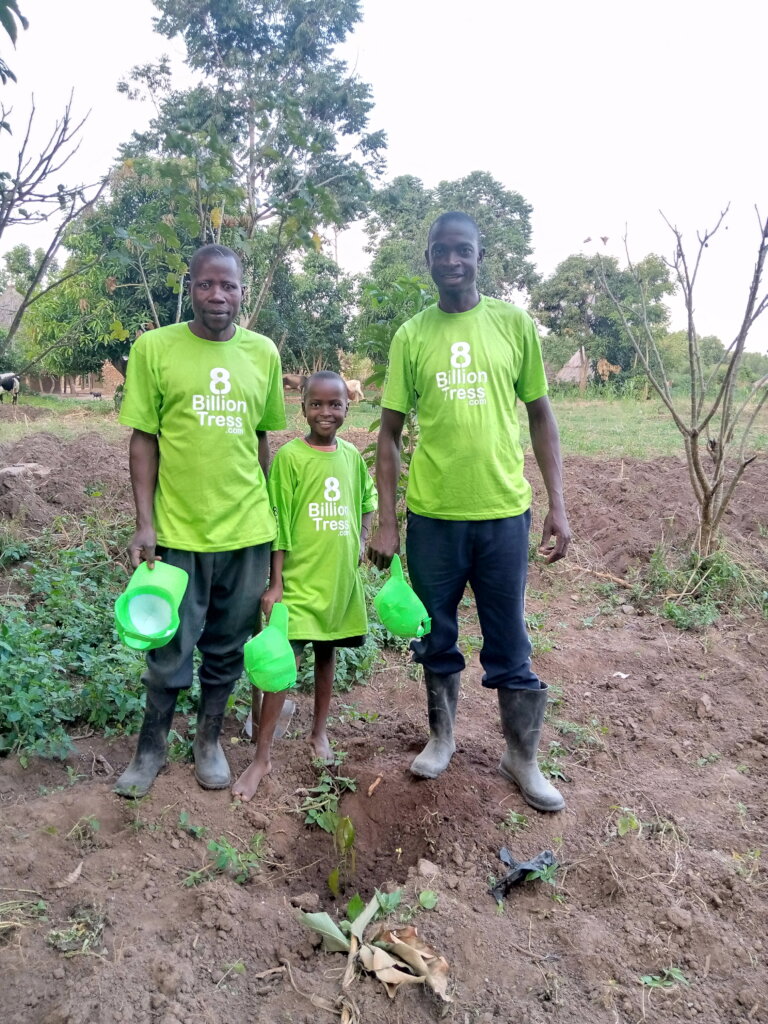
As local community, we are committed to build local communities capacity to climate change adaptation through our Community Tree Planting Project,
Forest cover has been lost to deforestation
Trees are a vital resource for rural poor farming families in Africa. Tree planting is one of the most effective ways to mitigate climate change effects.
Tree planting improves wildlife habitat connectivity and supports biodiversity. Trees remove harmful pollutants from the air and act as our natural air filter.
Humans are Responsible for all Global Heating!
Our local efforts with tree planting volunteers (Youth) provides the most comprehensive, best available scientific assessment of climate change.
It also makes details the devastating consequences of rising greenhouse gas (GHG) emissions around the world —
The destruction of homes,
The loss of livelihoods and
The fragmentation of communities, for example — as well as the increasingly dangerous and irreversible risks should we fail to change course.
To avoid these intensifying risks. Our report identifies readily available, and in some cases, highly cost-effective actions that can be undertaken now to reduce GHG emissions, scale up carbon removal and build resilience.
While the window to address the climate crisis is rapidly closing, the IPCC affirms that we can still secure a safe, livable future. Here are some key findings you need to know:
1. Human-induced global warming of 1.1 degrees C has spurred changes to the Earth’s climate that are unprecedented in recent human history.
2. Climate impacts on people and ecosystems are more widespread and severe than expected, and future risks will escalate rapidly with every fraction of a degree of warming.
3. Adaptation measures can effectively build resilience, but more finance is needed to scale solutions.
4. Some climate impacts are already so severe they cannot be adapted to, leading to losses and damages.
5. Global GHG emissions peak before 2025 in 1.5 degrees C-aligned pathways.
6. The world must rapidly shift away from burning fossil fuels — the number one cause of the climate crisis.
7. We also need urgent, systemwide transformations to secure a net-zero, climate-resilient future.
8. Carbon removal is now essential to limit global temperature rise to 1.5 degrees C.
9. Climate finance for both mitigation and adaptation must increase dramatically this decade.
10. Climate change — as well as our collective efforts to adapt to and mitigate it — will exacerbate inequity should we fail to ensure a just transition.
Looking Ahead!
The risks of inaction on climate are immense and the way ahead requires change at a scale not seen before.
Limiting global temperature rise to 1.5 degrees C (2.7 degrees F) is still possible, but only if we act immediately.
We’ll also need an all-hands-on-deck approach to guarantee that communities experiencing increasingly harmful impacts of the climate crisis have the resources they need to adapt to this new world.
Governments, the private sector, civil society and individuals must all step up to keep the future we desire in sight. A narrow window of opportunity is still open, but there’s not one second to waste
Conclusion!
This report also serves as a reminder that we have never had more information about the gravity of the climate emergency and its cascading impacts — or about what needs to be done to reduce intensifying risks.
Project reports on GlobalGiving are posted directly to globalgiving.org by Project Leaders as they are completed, generally every 3-4 months. To protect the integrity of these documents, GlobalGiving does not alter them; therefore you may find some language or formatting issues.
If you donate to this project or have donated to this project, you can receive an email when this project posts a report. You can also subscribe for reports without donating.



Support this important cause by creating a personalized fundraising page.
Start a Fundraiser