By Charles Olupot | Project Leader
Dear Donors,
SHARE emphasizes the need to plant trees as one way of increasing forest coverage which was 21% of total land coverage in Uganda in 1960s, but came down to 14% by 2016. Unabated, the percentage continues to go down.
Our Green Growth strategy which is an inclusive low emissions economic growth process that emphasizes effective and efficient use of natural resources, it focuses on green tourism, water resources management and sustainable use of forests and wetlands, as its key strategic interventions to address Climate Change
Disaster's in Uganda.
Planting a single tree may seem like one, small act of kindness to our planet. But when thousands of people unite, together we can grow entire forests that help protect our world as we know it.
Eastern Uganda is highly vulnerable to climate change. In recent years, the country has suffered from both severe flooding and droughts linked to our warming world.
In July 2022 alone, flash flooding killed 90 people, destroyed communities, homes, and livelihoods across the country, and left thousands displaced.
Local youth volunteers are experienced in responding to disasters like these—deploying quickly to provide lifesaving first aid and rescue services, food, water, shelter, health services, and long-term support to recover.
But as well as just responding to climate-related disasters, SHARE is increasingly working to prepare for them, and even prevent or reduce their impact on communities.
And to do that, they’re working with nature. Specifically, our planet’s superheroes: trees.
Trees play a critical role in fighting climate change. Most people know that by absorbing carbon, producing oxygen, providing shade and cooling, and maintaining soil health, trees contribute to the overall health of our planet.
But did you also know that trees can also help protect us from weather-related disasters?
Example! Trees can:
Soak up excess water during floods and prevent, or slow down, run-off
Hold rainwater in the ground to reduce damage caused by droughts
Protect coastal communities from tidal surges
Help stop or slow down avalanches and mud flows
Hold down soil to stabilize the ground during earthquakes and landslides
Understanding this power of trees to protect communities, the Iranian Red Crescent Society launched a nation-wide tree-planting campaign earlier this year to help mitigate the impacts of climate change across the country.
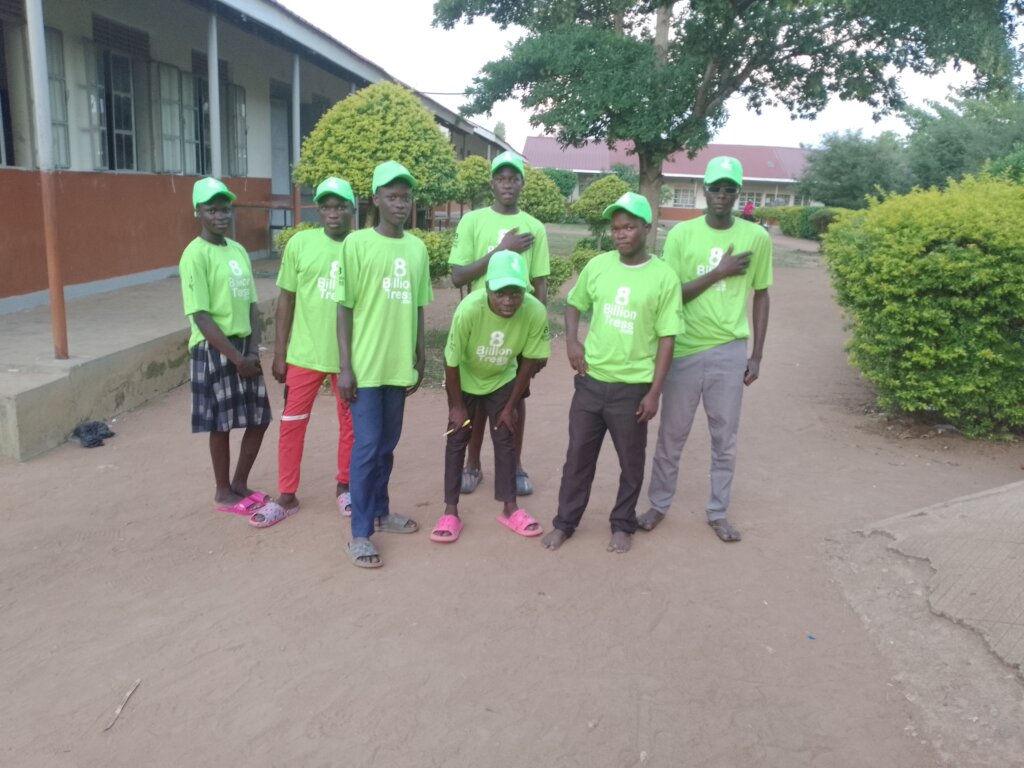
Aim of our Youth volunteers
To mitigate the effects of climate change, restore ecosystems, and foster community development
Collective + immediate action is essential for strengthening the resilience of people and the planet. Learn more about our landscape restoration initiatives funded through philanthropy and carbon.
Youth volunteers!.
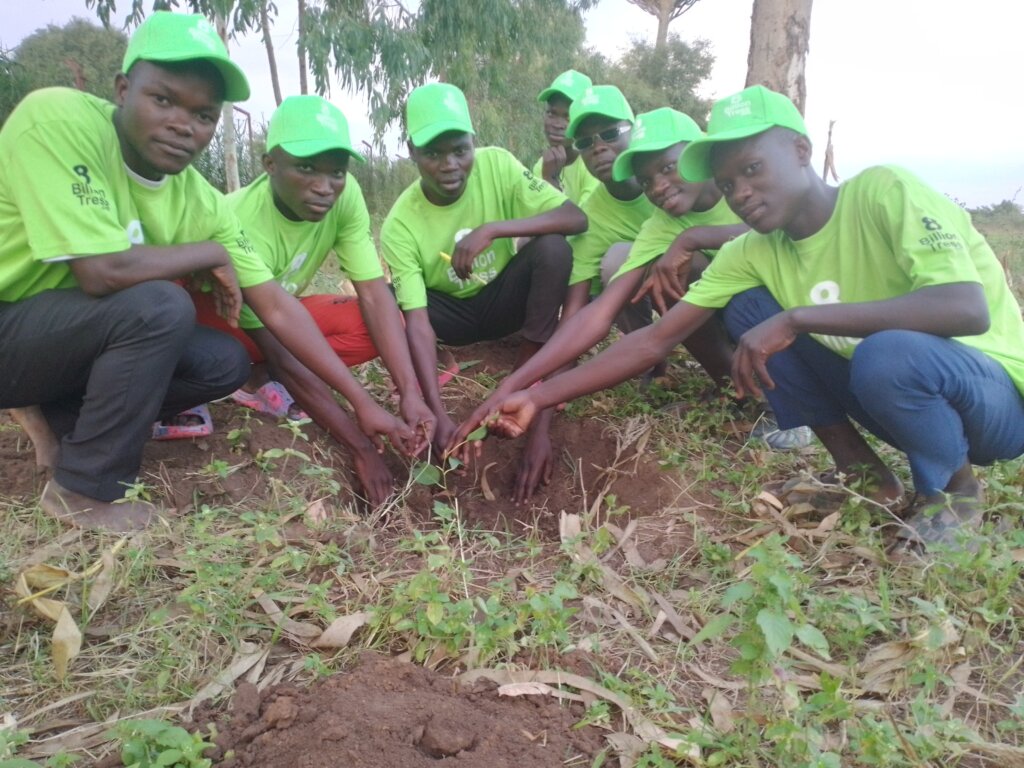
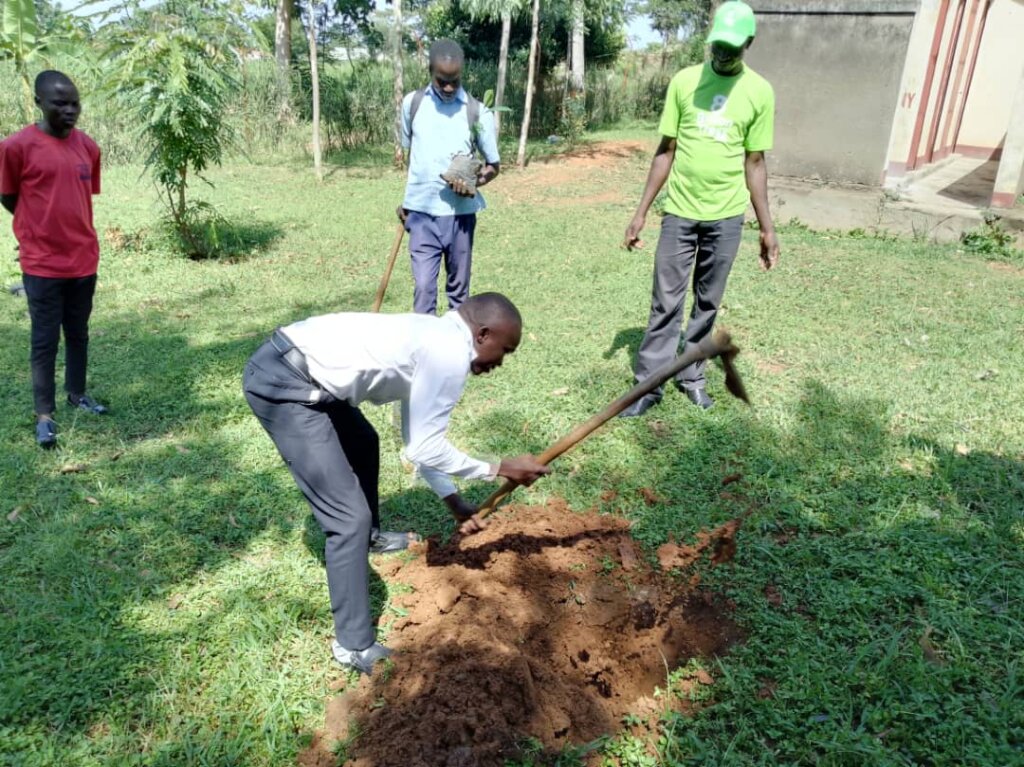
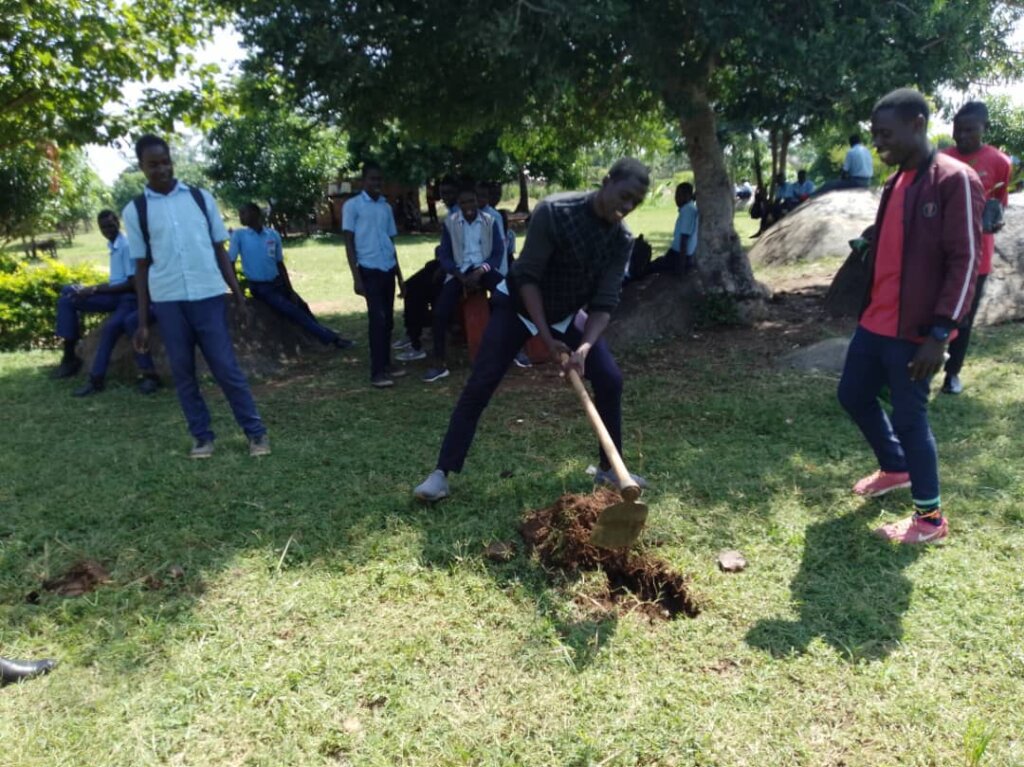
Equipped with shovels, watering cans, bags of soil, and tree saplings, more than 10,000 youth volunteers got to work digging holes and planting trees at an incredible pace— showing unity and positive action in the face of the climate crisis.
Appeals to donors!
Every individual can make a difference, whether it's through volunteering with local organizations, supporting policies that promote sustainability, or making individual lifestyle changes. I encourage volunteers and non-volunteers around the world to come together and act on climate change
Climate change is a complex problem that requires urgent action at the local, national, and global level. But by working together, and by working with nature, we can make a difference and help protect our communities.
Youth volunteers are not alone in taking climate action, by supporting them you can join the fight.
Take Action - Climate Change!
Climate change poses a major threat to economic growth and human livelihoods.
The direct effects of climate change that manifests locally through damage of property and a drop in agricultural yields can also spillover across regions and sectors due to the interconnected nature of socio-economic and financial systems.
Youth are not only victims of climate change but are also the harbingers of climate action. With a growing youth population, young people are the most vulnerable section of society who are forced to migrate, thereby causing displacements due to extreme weather disasters, nutritional deficiencies and communicable diseases spread from the environment.
Benefits of Youth involvement! Climate Change Action!
The first pillar of stakeholder activism involves persistent advocacy and lobbying by young people, jeopardised by climate risk to gain greater legitimacy, involvement, and leadership in climate action. Consequently, stakeholder activism can be the driving force for businesses and governments to act voluntarily and become more transparent by disclosing climate change related information. .
The second pillar is to promote green growth through sustainable development initiatives. Although the vision sounds great, the challenge of going green lies in the skyrocketing costs of environmental compliance and reconciling the opposing considerations of economic, social and environmental well-being.
The third pillar, technology, an integral element in the fight against climate change, serves as the third pillar. Technologies used to address climate risk are called climate technologies which help to reduce greenhouse gas emissions, forecast disasters, and develop climate-resilient agricultural methods, among others.
Conclusion!
Climate risk necessitates the involvement and leadership of young people in addressing climate inequalities.
A systemic change to enhance intergenerational solidarity is essential to tackle structural barriers, as underlined on International Youth Day.
The three pillars of youth activism, green skilling, and innovative technology solutions to fight climate change will ensure that the growing apprehensions of young people regarding their displacement are obliterated.
Appropriate policy responses can transform climate-induced youth migration from a challenge into an opportunity. With this hope, a holistic framework for protecting youth rights in global climate agreements is a pressing priority to act as a barrier against climate change related fears, anxiety, and distres
IN AFRICA, THE PEOPLE LEAST RESPONSIBLE FOR CLIMATE CHANGE ARE FEELING ITS WORST EFFECTS.
SELF HELP AFRICA SUPPORTS COMMUNITIES TO PLANT TREES: WHICH PROVIDE SHADE, SHELTER, FOOD, FERTILISER AND INCOME.
PLANT TREES. REDUCE CARBON AND COMBAT POVERTY.
Together we can create a global partnership in the fight against climate change.
To get involved these are these are the steps involved
WHAT WE DO
We collaborate with local schools, Youth volunteers and GlobalGiving organization to address the interrelated pressures of climate change, ecosystem degradation, and poverty through standards-based initiatives.
How You Can Help
While the world has made progress towards meeting international sustainability goals, more remains to be done to combat climate change, address environmental degradation, and support community development. We cannot do it alone. Join us to restore and conserve vital ecosystems for the well-being of both people+planet.
BECOME A PARTNER
SPONSORS!
Fulfill your SDG + ESG commitments by planting trees or restoring hectares of land per product sold or % of sales.
Individuals
Help plant trees, restore landscapes, conserve biodiversity, and foster community livelihood opportunities.
Carbon Investors.
SUPPORT SHARE Plant More Tree's!
Help us build power in the climate movement by contributing a one-time or recurring donation that will go to supporting our global work as well as various activities and campaigns in communities in different regions.
Our Partner Schools involved!
We know children are passionate and very knowledgeable about climate change and the main causes of it, and we firmly believe that getting them to plant trees could be the perfect way for them to become part of the solution. We hope using your tree planting as a starting point, you can donate a tree, tree's to extend pupils’ learning inside the classroom
Project reports on GlobalGiving are posted directly to globalgiving.org by Project Leaders as they are completed, generally every 3-4 months. To protect the integrity of these documents, GlobalGiving does not alter them; therefore you may find some language or formatting issues.
If you donate to this project or have donated to this project, you can receive an email when this project posts a report. You can also subscribe for reports without donating.



Support this important cause by creating a personalized fundraising page.
Start a Fundraiser