By Charles Olupot | Director
Dear Sponsor's,
The situation
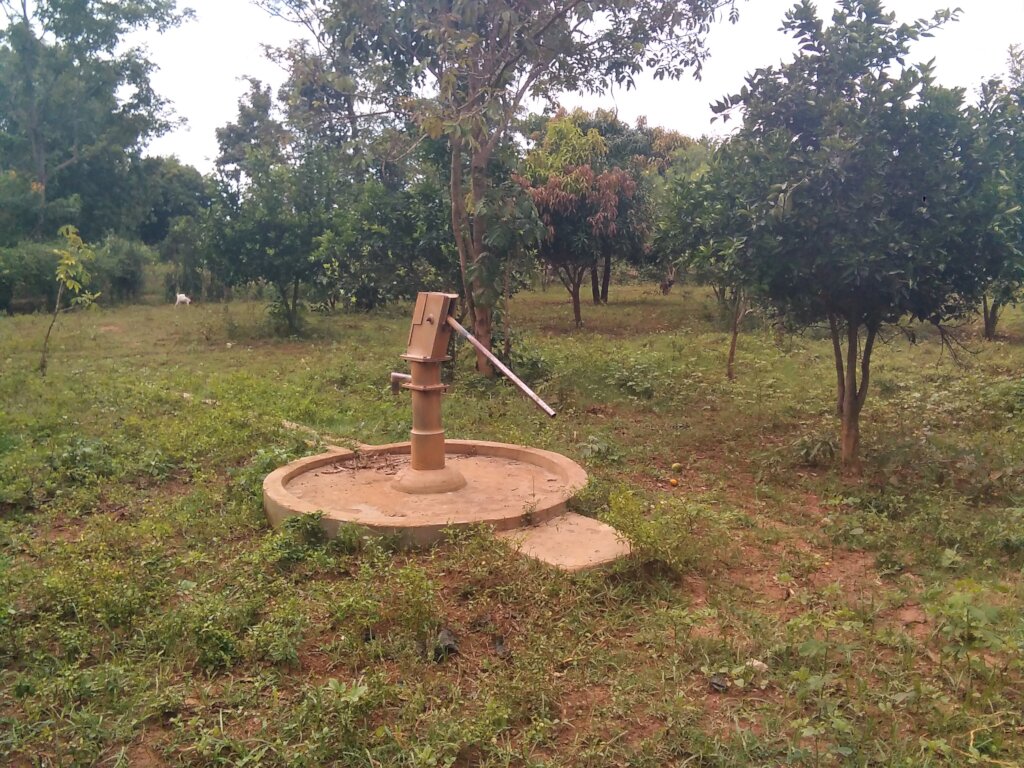
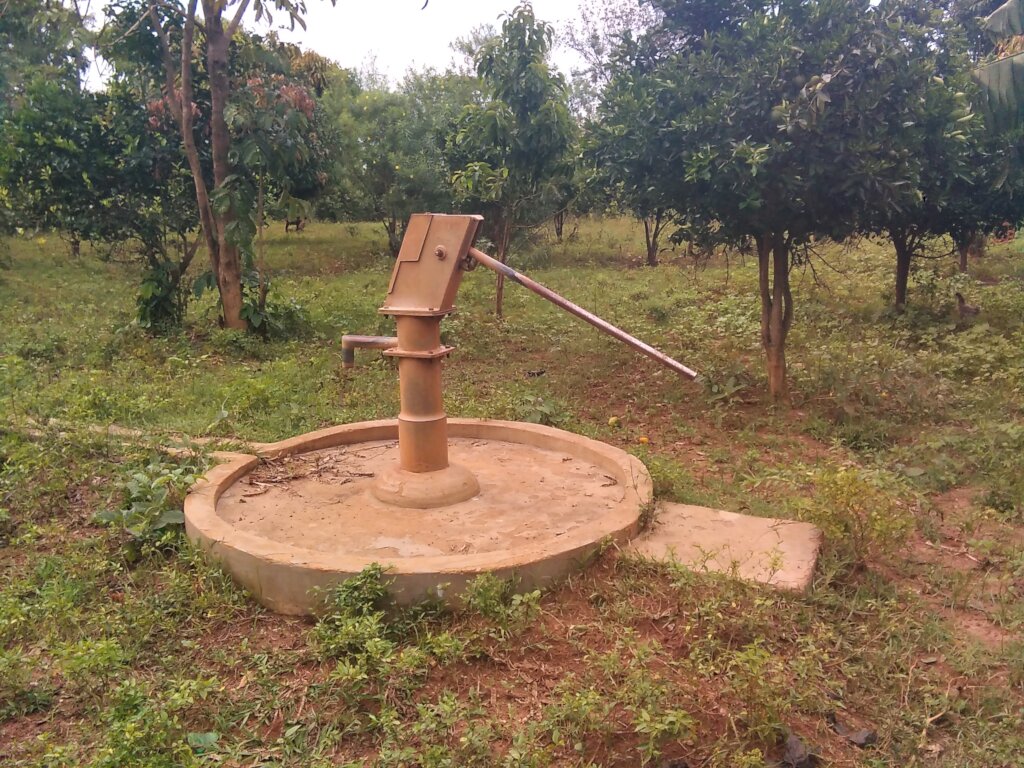
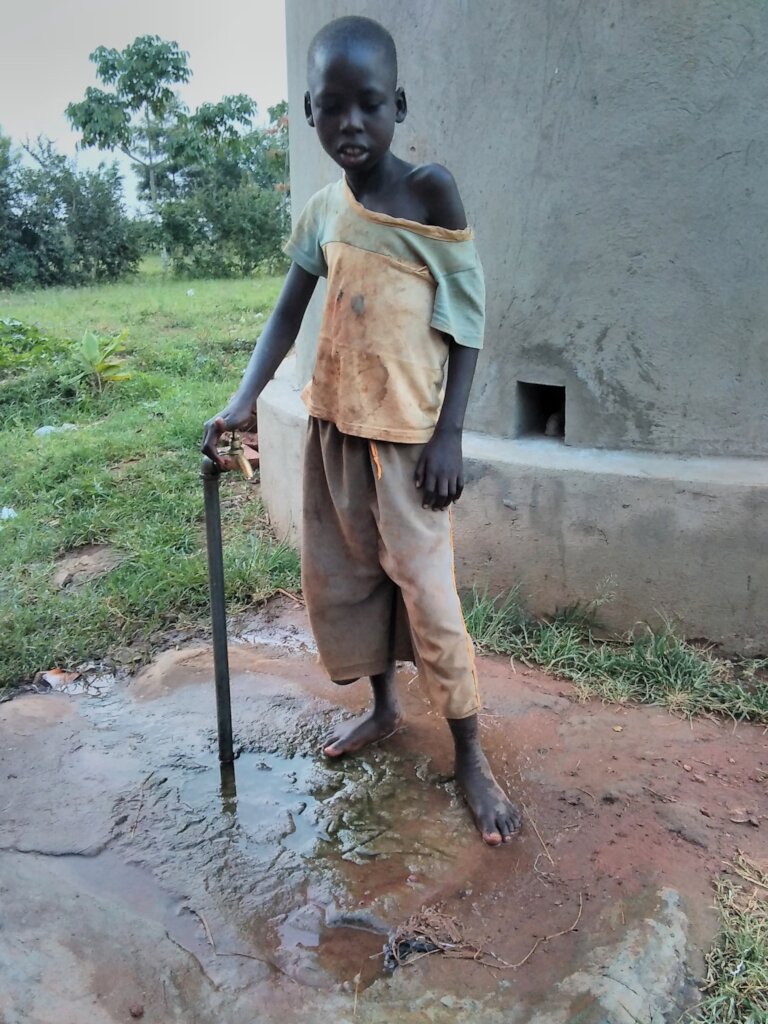
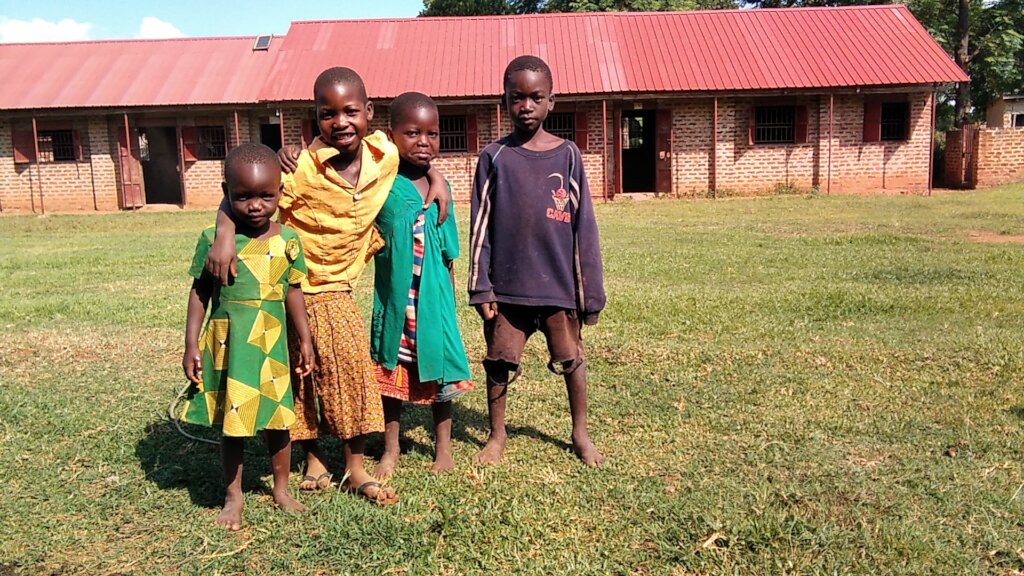
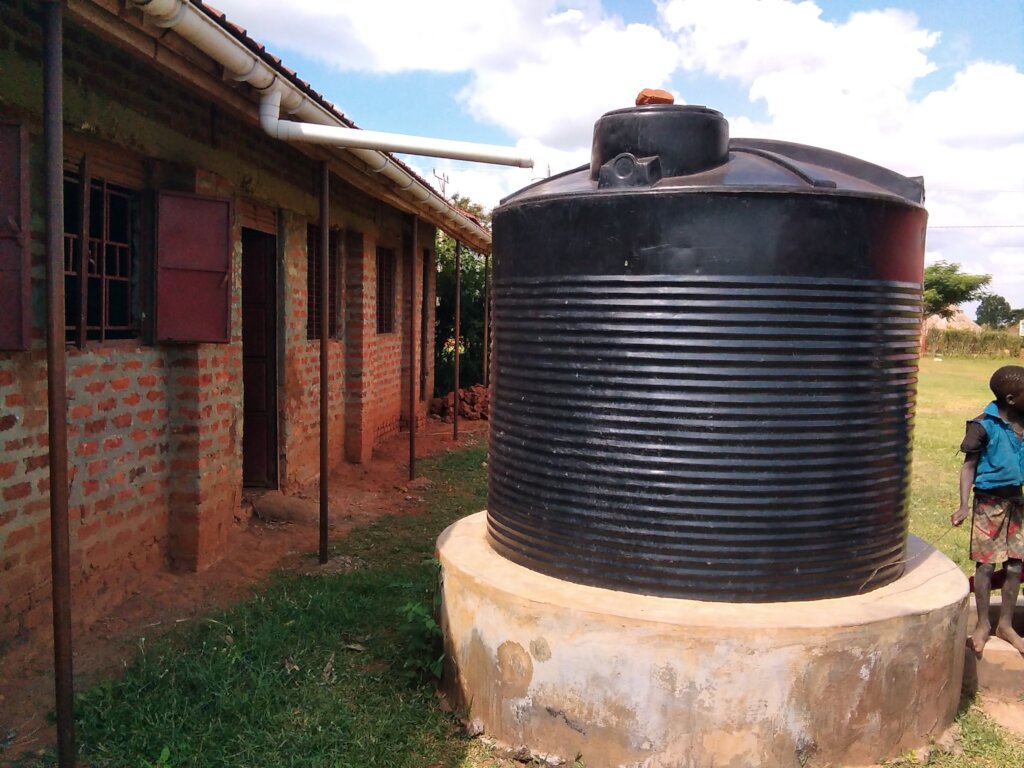
Water and sanitation are essential for life and health, but they are also essential for dignity, empowerment and prosperity. Water and sanitation are human rights, fundamental to every child and adult. But in Aparis village, Kumi Uganda, poor sanitation and hygiene, as well as unequal access to safe drinking water, make thousands of children very sick and at risk of death.
Diarrhoea alone, one of three major childhood killers in Uganda, kills 33 children every day.
In most cases, children get the disease by drinking unsafe water or coming into contact with contaminated hands — theirs or parents or caregivers — that have not been washed with soap.
Early childhood diarrhoea is not only deadly; it also contributes to Uganda’s high levels of stunting, which in turn affects children’s cognitive development and performance at school. In school, lack of proper sanitation facilities also leads to high absenteeism and dropouts, especially for girls.
Access to improved water and sanitation facilities does not, on its own, necessarily lead to improved health. It needs another step: there is now very clear evidence showing the importance of hygienic behaviour — especially hand washing with soap after defecating and before eating or preparing food — to health improvement.
Another key to reducing childhood illness and death is to stop using open fields or the bush as toilets. In Uganda, nearly a tenth of the population practices open defecation, and two thirds of households do not wash with soap.
It is poor people who carry the greatest burden of poor sanitation. The poorest 20 percent of the population is 13.5 times more likely to defecate in the open than the wealthiest 20 percent, according to the World Bank.
As of late 2025, 1 in 4 people globally (2.1 billion) lack safely managed drinking water, with poor populations in rural areas and fragile contexts most affected. Lack of access to clean water, sanitation, and hygiene (WASH) services causes millions of deaths from waterborne diseases, disproportionately affecting children under five. Urgent, targeted investment is needed to achieve SDG 6.
Key Findings on Safe Water Access
The Scale of Poverty: 106 million people drink directly from untreated surface sources. People in least-developed countries are more than three times more likely to lack basic hygiene services than others.
Health Crisis: Contaminated water causes over 1 million deaths annually. Hundreds of children under 5 die daily from diarrhoeal diseases linked to unsafe water, sanitation, and hygiene.
Inequality and Fragility: Water scarcity is worsened by climate change, including floods and droughts. Safe water access is 38 percentage points lower in fragile, conflict-ridden settings.
Gender and Poverty: Women and girls are often responsible for gathering water and face significant hurdles with menstrual hygiene.
Key Recommendations and Solutions
Tailored Interventions: Tailoring water services for specific, underserved groups (such as in low-income urban settlements) is crucial to ensure affordability and access.
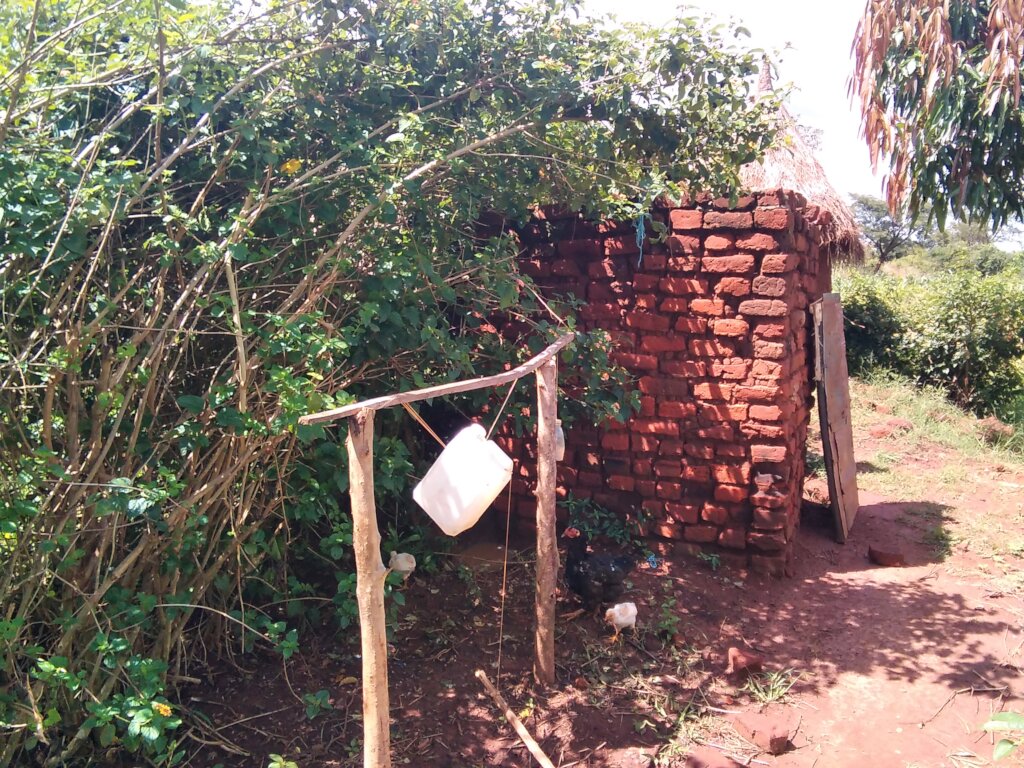
Community-Based Management: Projects like those by World Vision highlight the importance of engaging local communities in building and maintaining water infrastructure, such as wells and hand-washing stations.
Improve Wastewater Management: Using treated, safe waste-water and sewage sludge in a circular economy can provide water and nutrients for food in impoverished areas.
Prioritize Climate Resiliency: Investing in water solutions that can withstand climate-related extremes like floods and droughts is critical.
Prioritize Hygiene: Access to soap and handwashing facilities is as critical for preventing disease as the water source itself.
If current trends continue, about 1.6 billion people will still lack safely managed drinking water at home by 2030, according to WHO/UNICEF projections.
Conclusion
In Aparis village,. Lack of access to safe water and sanitation is particularly harmful in childhood,. Inadequate and unsafe water affects early childhood development, and time spent fetching water, inadequate sanitation and hygiene and droughts or floods disrupt learning and lead to school dropouts.
School attendance and economic welfare. Developing countries disproportionately rely on water-dependent sectors, particularly agriculture, for employment. Globally, over 800 million people are at high-risk of droughts and twice as many live in flood-risk hotspots
Project reports on GlobalGiving are posted directly to globalgiving.org by Project Leaders as they are completed, generally every 3-4 months. To protect the integrity of these documents, GlobalGiving does not alter them; therefore you may find some language or formatting issues.
If you donate to this project or have donated to this project, you can receive an email when this project posts a report. You can also subscribe for reports without donating.



Support this important cause by creating a personalized fundraising page.
Start a Fundraiser