By Gregg Tully, PASA | Executive Director
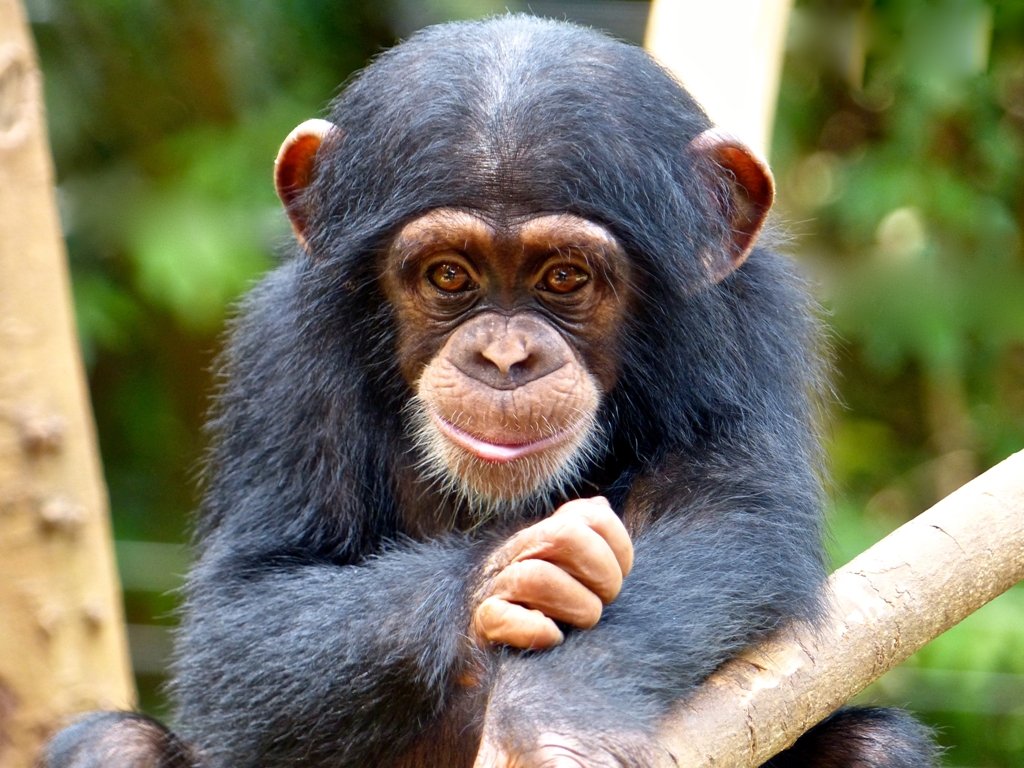
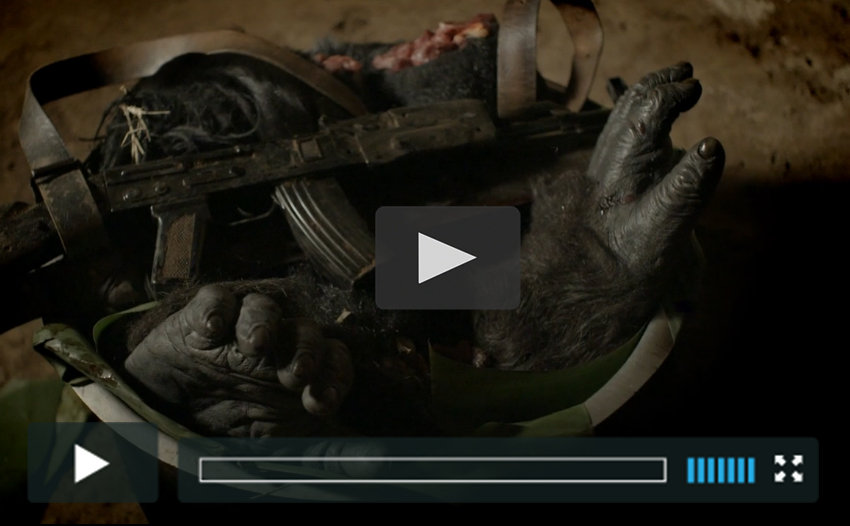
The Issue • Our closest relatives are nearer to extinction than ever before, and it is possible that some great ape subspecies will be driven to extinction within decades if significant measures are not taken to stop these threats. An estimated 3,000 great apes are lost every year due to wildlife smuggling, and millions of acres of their forest habitat disappear every month. The horrific and rapidly growing bushmeat trade is now considered the most significant danger to the future of Africa’s wildlife. For every baby ape who is rescued, up to ten are slaughtered. Entire families of chimpanzees, gorillas, and monkeys are routinely shot down to be butchered and sold in markets. Some animals are smuggled to the Middle East or China to spend their lives in small cages as exotic pets or tourist attractions.
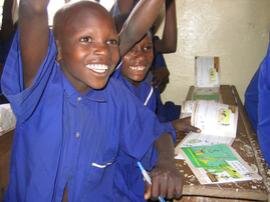
A root cause of these problems is a pervasive lack of awareness among the people of Africa about animal welfare and conservation. Many are unaware that the hunting and consumption of wildlife is robbing Africa of its natural heritage and that many species are alarmingly close to extinction. Huge tracts of land are granted to logging and mining companies, and the palm oil industry, which has devastated so much orangutan habitat in Asia, is now destroying vital habitat in Africa. However, the general public largely does not realize that the current rate of habitat loss will soon leave Africa without enough forest to sustain some wildlife populations. In order to save great ape species from extinction, there is an urgent need for widespread humane education, which is the goal of the Ajani Edutainment Films Program.
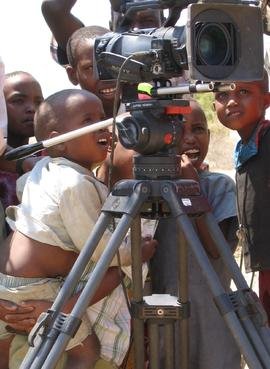
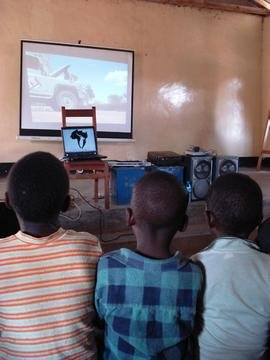
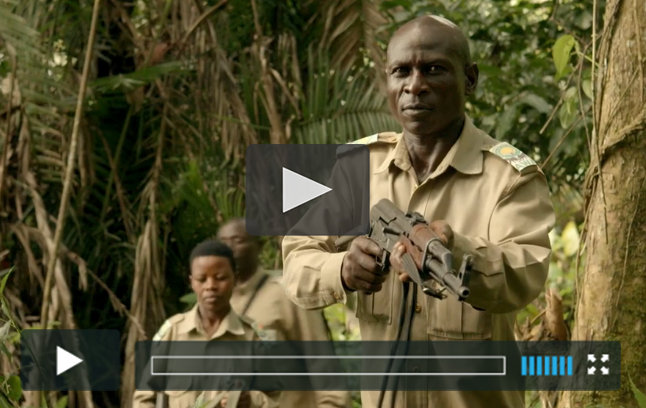
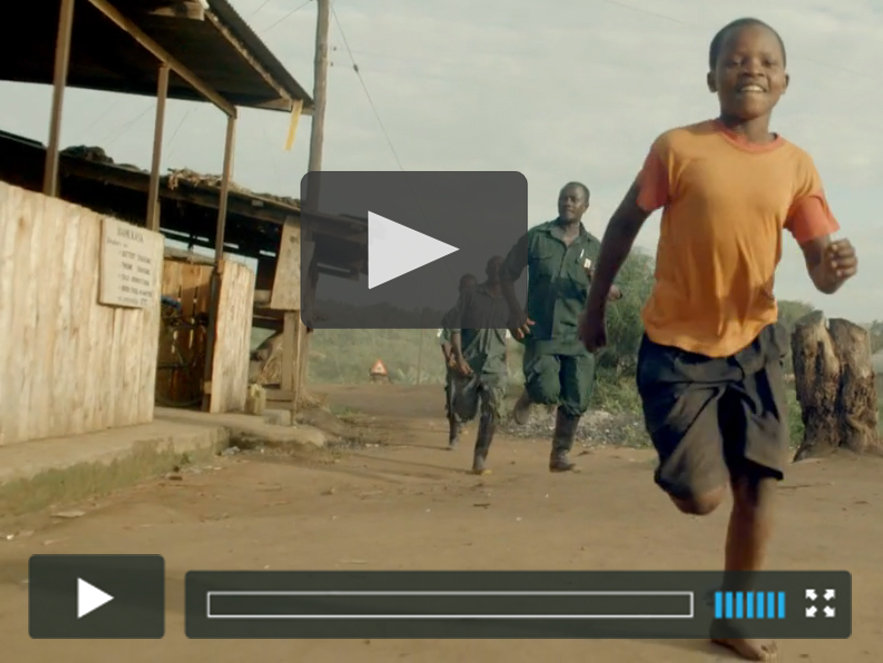
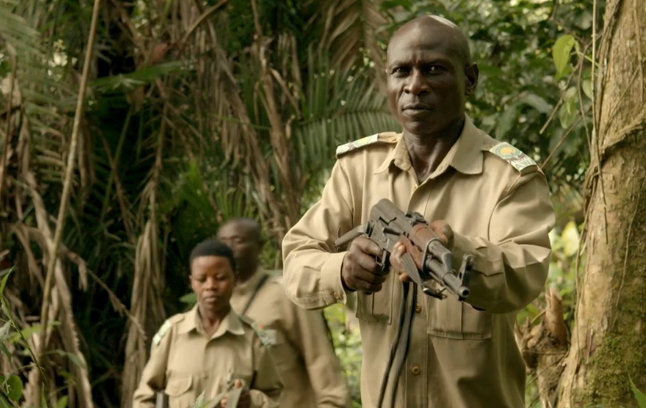
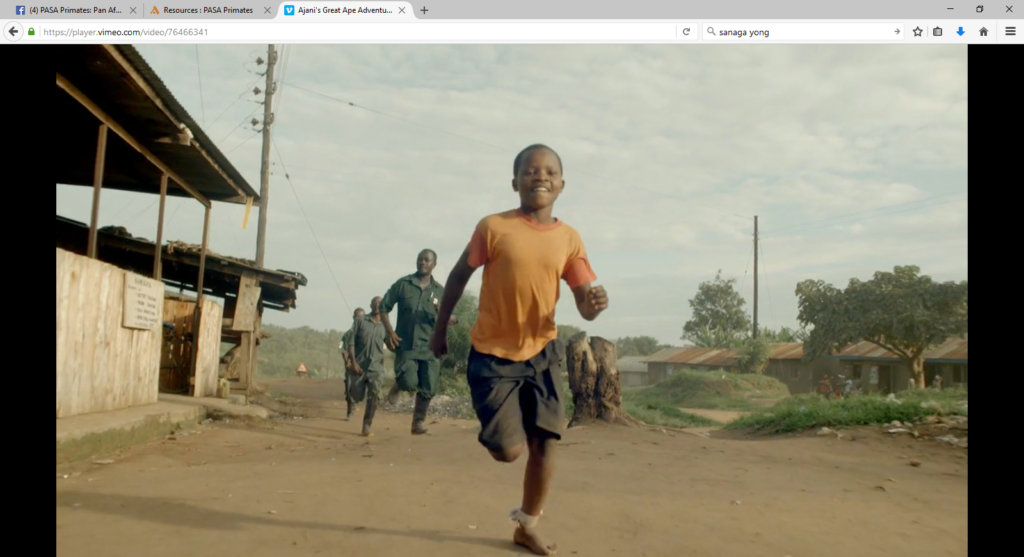
The Program • The goal of the program is to educate millions of people in ten African nations about the consequences of their behaviors, in order to change their current and/or future actions in ways that reduce their negative impact on great apes and their habitat. The Pan African Sanctuary Alliance is collaborating with our 22 member organizations across Africa and several filmmakers to distribute films that are highly entertaining and engaging and contain messaging about wildlife conservation that targets people of Africa. The use of films that the public enjoys and is enthusiastic to watch will enable the program to reach millions of Africans and will help the viewers to retain the films’ messages for the long term.
Project reports on GlobalGiving are posted directly to globalgiving.org by Project Leaders as they are completed, generally every 3-4 months. To protect the integrity of these documents, GlobalGiving does not alter them; therefore you may find some language or formatting issues.
If you donate to this project or have donated to this project, you can receive an email when this project posts a report. You can also subscribe for reports without donating.