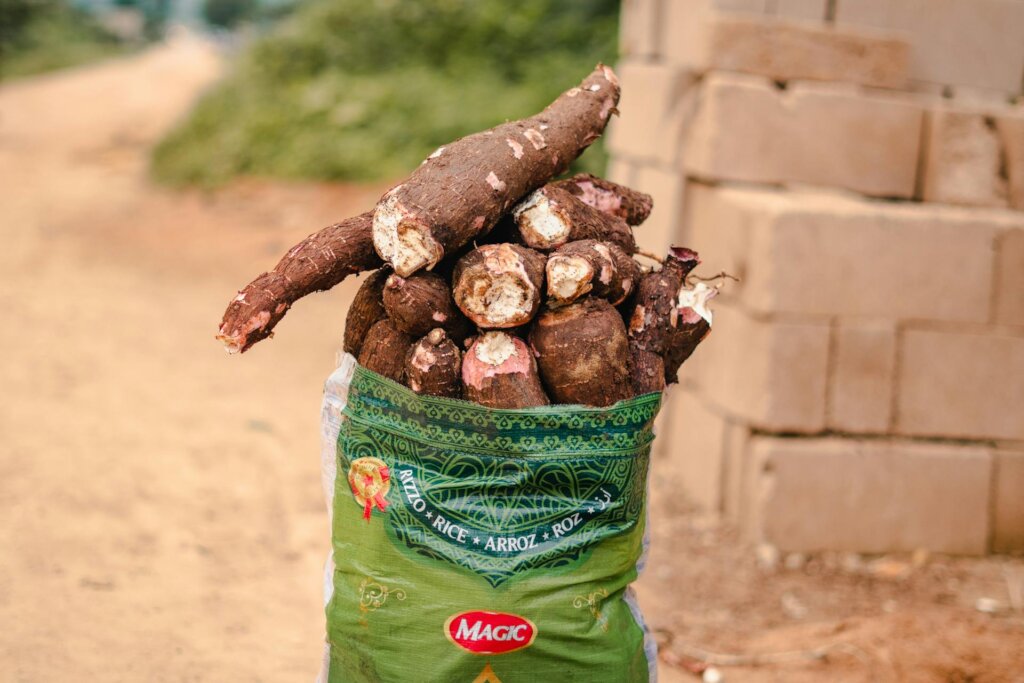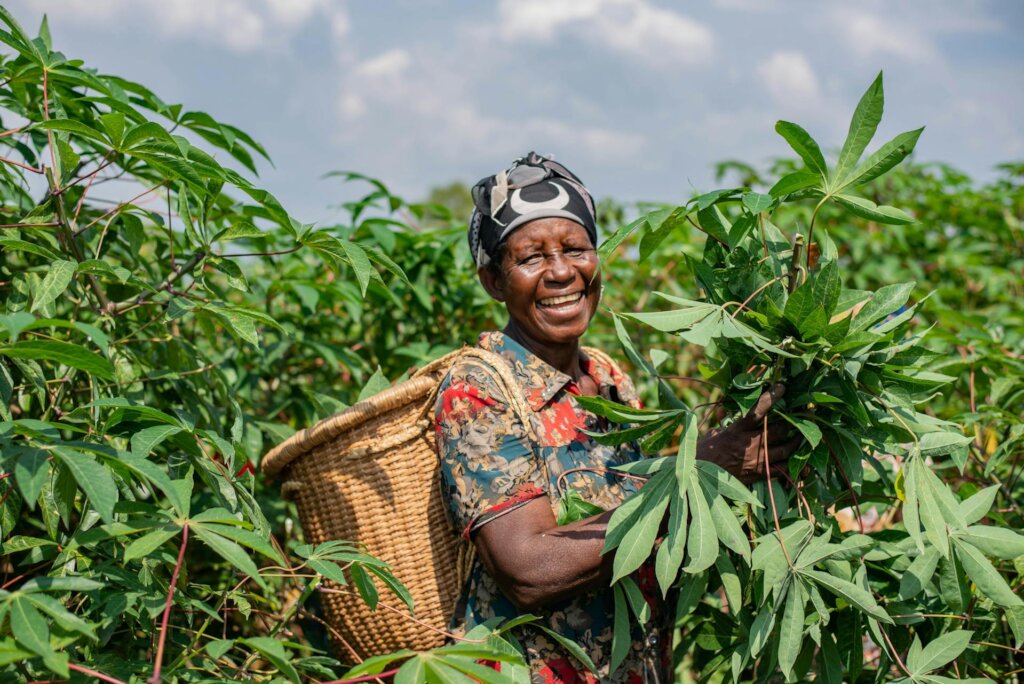
Thousands of women in rural Nigeria depend on cassava farming but lack processing tools to turn their harvest into marketable products. This project by Equitable Medicaid and Clinical Research will provide cassava processing machines such as graters, pressers, and fryers to women farmers' cooperatives. These tools will reduce manual labour, cut production time, and increase income for women who rely on cassava to feed their families and earn a living.
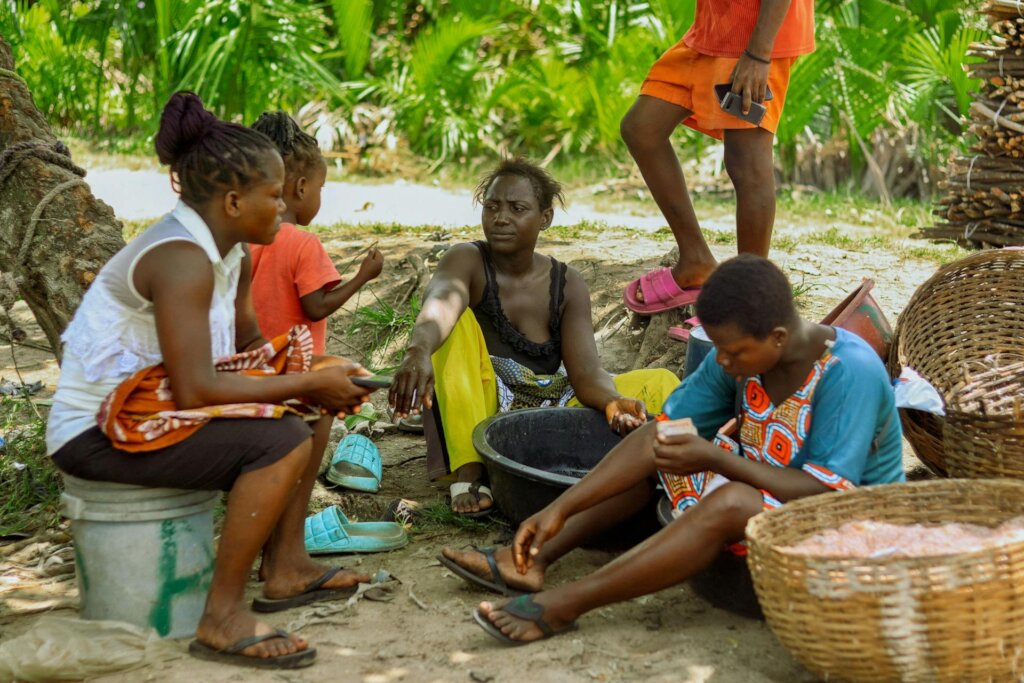
In many rural Nigerian communities, women process cassava manually using local tools. This method is slow, stressful, and limits production. Without access to processing machines, large portions of cassava spoil before being sold. The result is income loss, food waste, and increased poverty. Many women remain trapped in small-scale farming with little profit despite their hard work and contribution to local food security.
The project will equip women's farming cooperatives with cassava graters, pressers, dryers, and fryers. Training will be provided on machine operation, maintenance, and product packaging. With modern processing tools, women will be able to produce garri, fufu, and flour efficiently, increasing output and earnings. This will improve food supply, create small-scale jobs, and strengthen women's economic independence in rural communities.
Access to cassava processing tools will empower women to grow their businesses and provide food for their communities. Increased production will raise household income, reduce food waste, and promote local trade. Over time, women's cooperatives will become self-sufficient, training others and expanding operations. The project will help lift families out of poverty and build lasting economic stability in rural Nigeria.



Support this important cause by creating a personalized fundraising page.
Start a Fundraiser