By Yusli Harini | EBPP Health Programme Coordinator
Transforming Nutrition in Ban: Final Study Preview
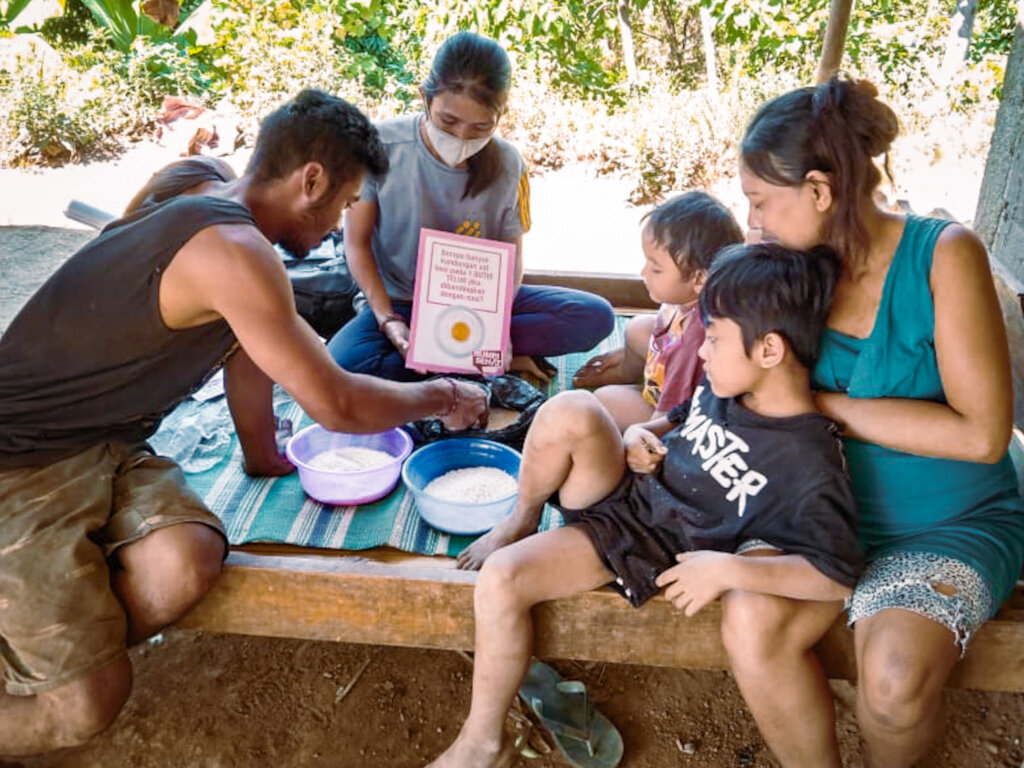
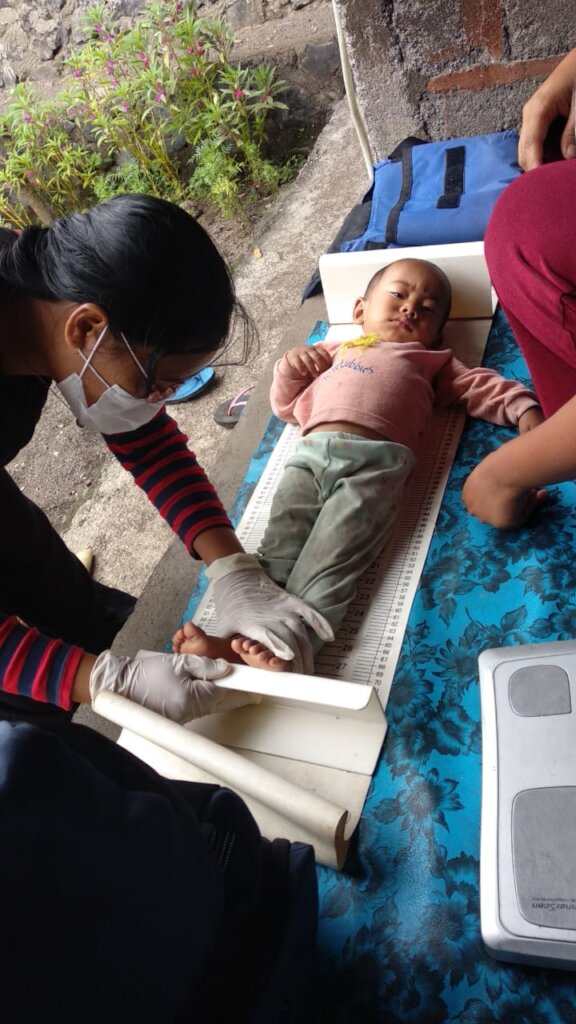
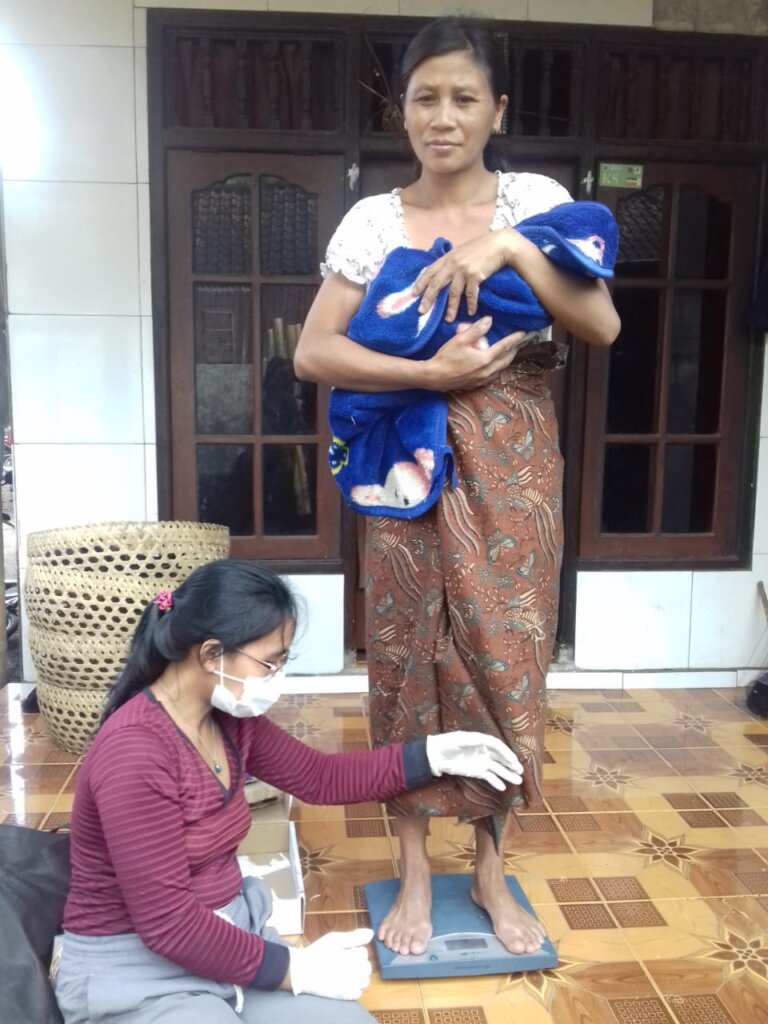
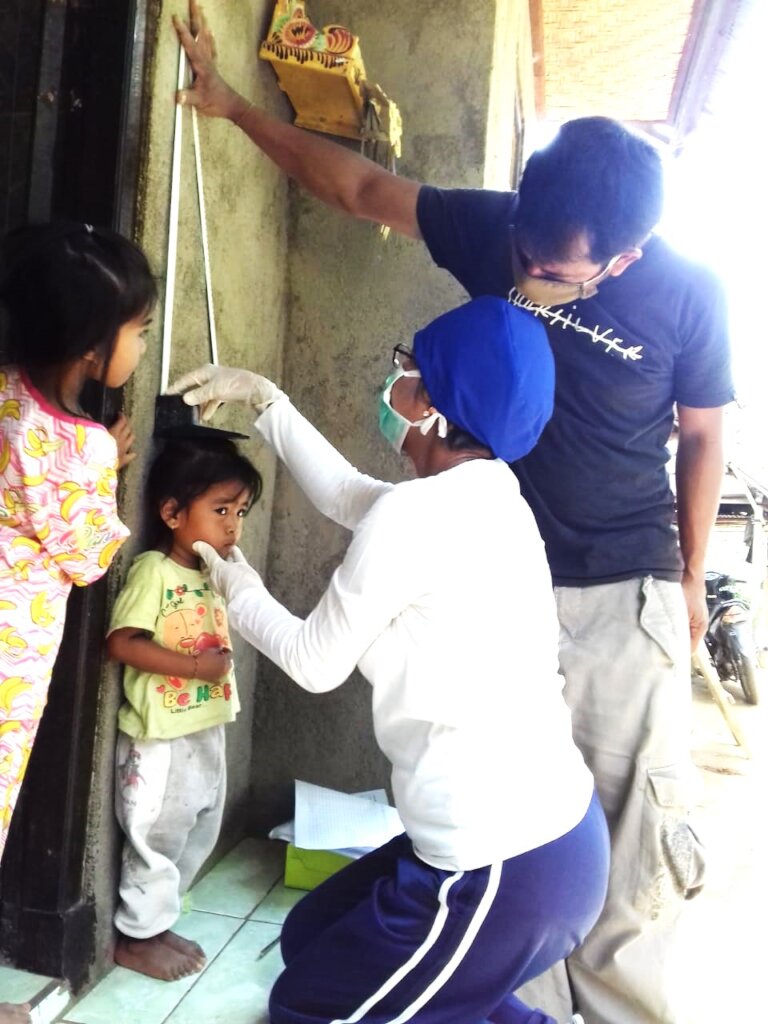
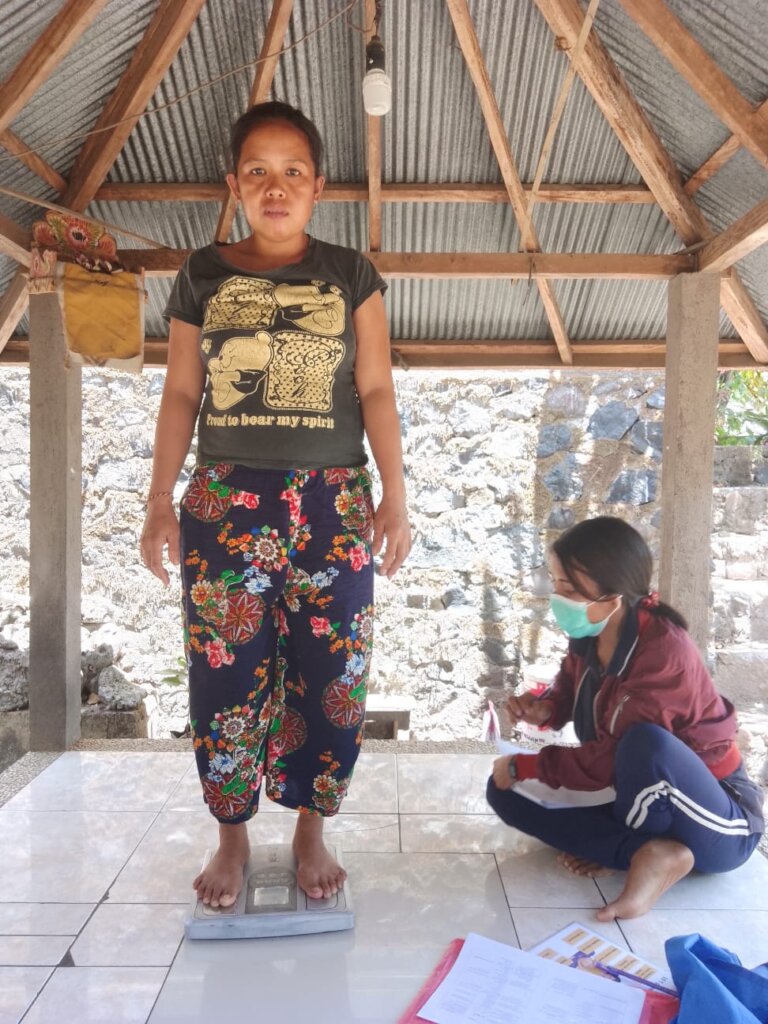
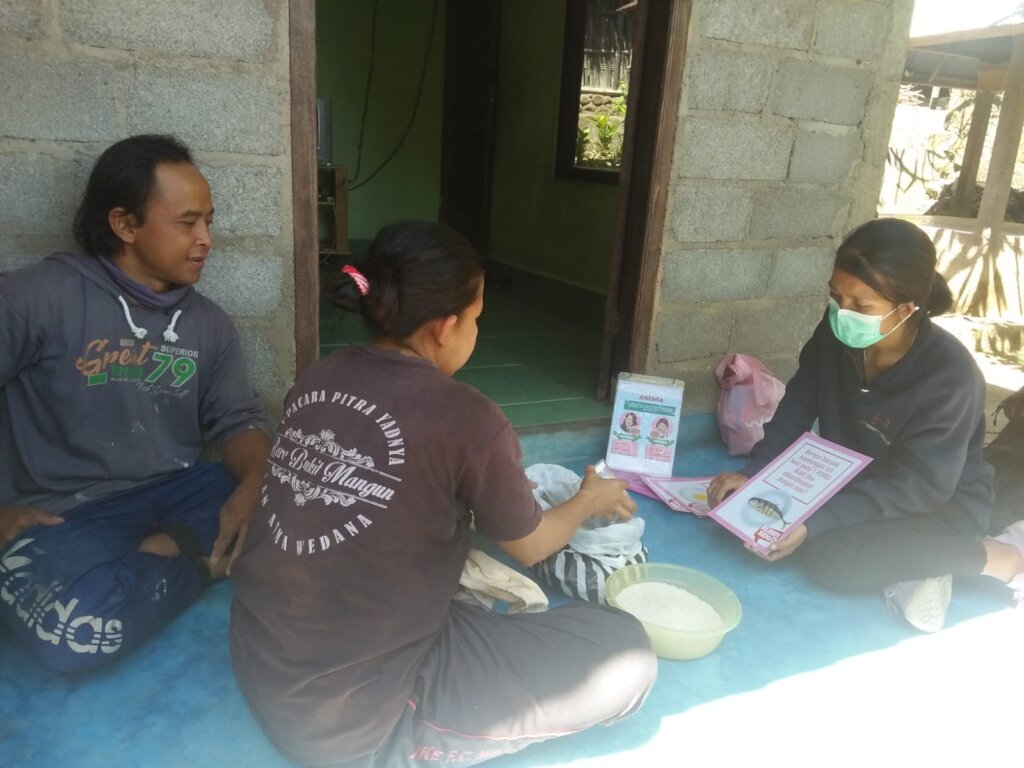
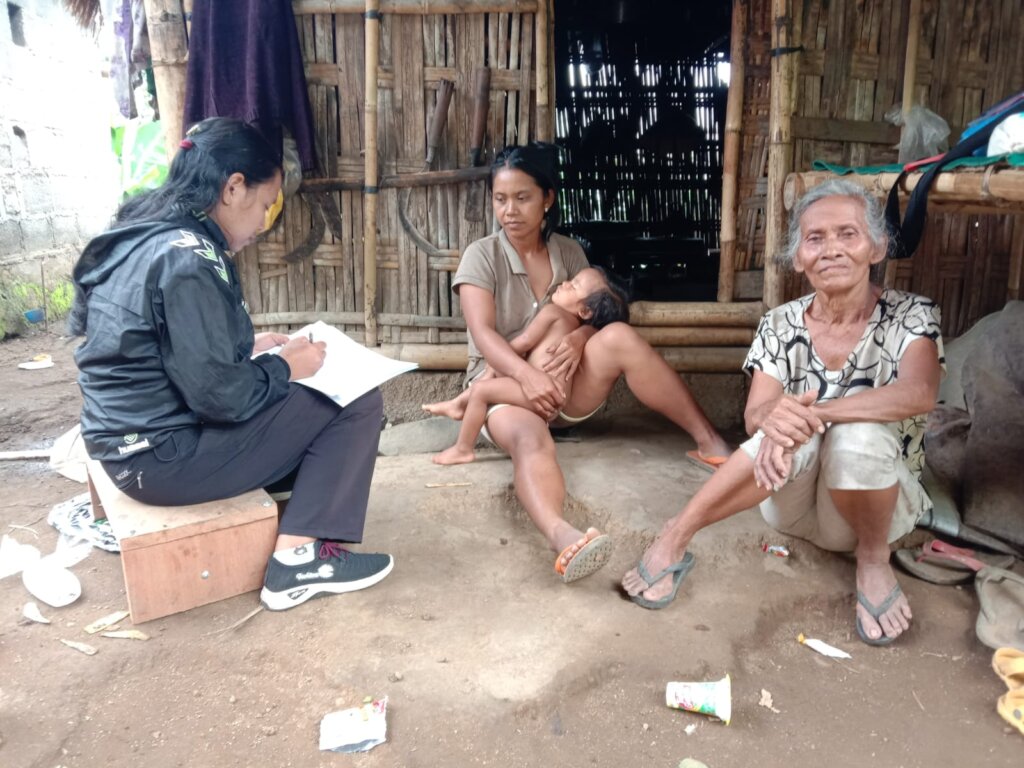
We are pleased to share the progress on our groundbreaking 5-year malnutrition study, "Developing a Family-Based Nutrition Intervention Model in Ban Village," conducted in collaboration with Udayana University's Faculty of Medicine. As we enter the final evaluation stage, our dedicated field team successfully completed comprehensive data collection from 302 families by the end of March. We are excited to report that Udayana University experts completed their analysis in early July, which has revealed transformative insights, summarised below:
Pregnant Women’s Knowledge and Family Support:
The majority of pregnant women have good knowledge about Chronic Energy Deficiency (CED) and anaemia and understand the importance of balanced nutrition.
Families of pregnant women also share this knowledge and show strong support by providing nutritious food and prohibiting smoking near pregnant women.
Husbands are very supportive of important practices such as Immediate Mother and Child Contact, exclusive breastfeeding, and breast care.
Support for Breastfeeding Mothers:
Most families with children under two years old understand the importance of balanced nutrition for breastfeeding mothers and husbands strongly support exclusive breastfeeding and breast care. Husbands and other family members provide significant support providing nutritious food, and reducing maternal fatigue.
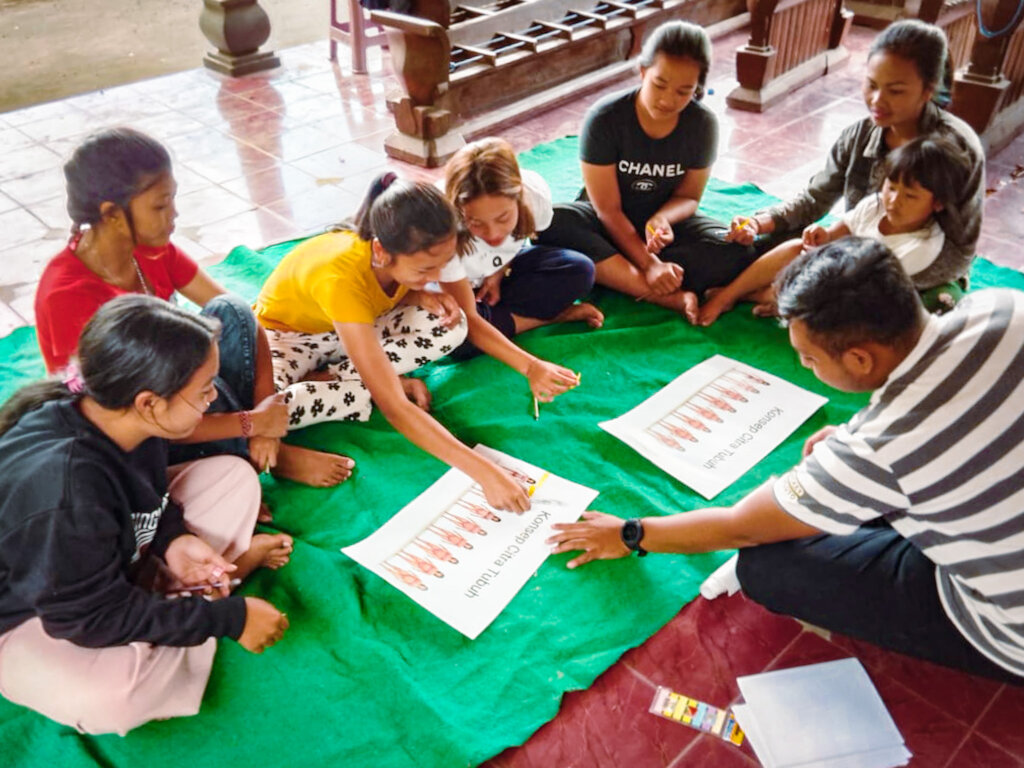
Adolescent Females’ Awareness:
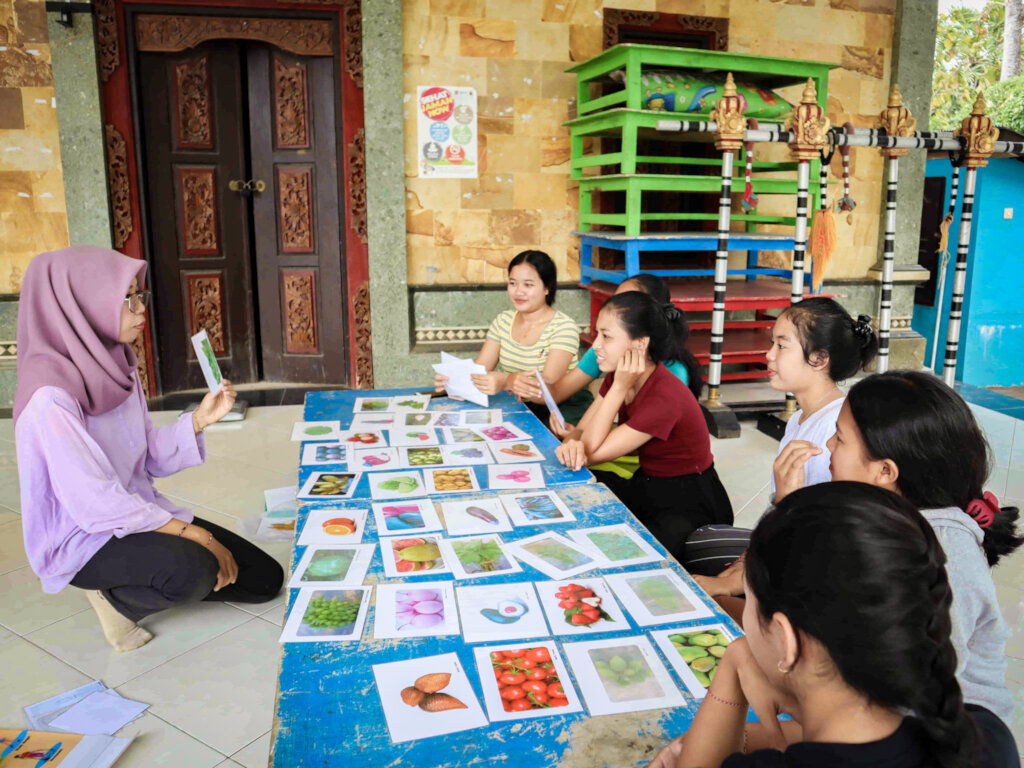
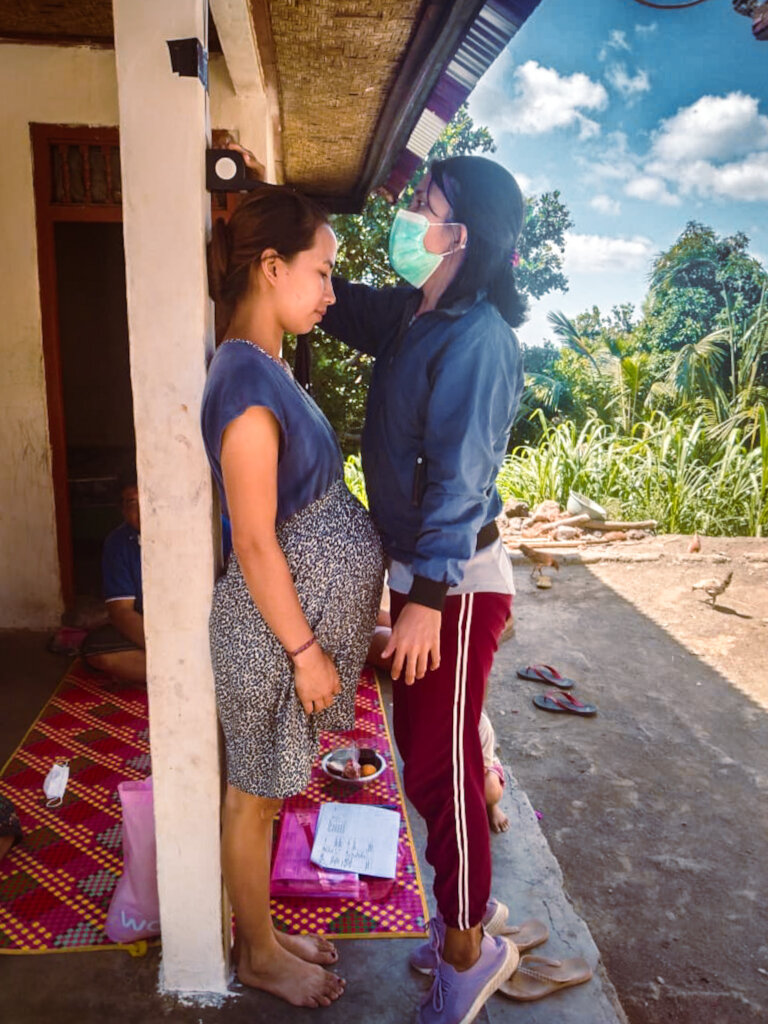
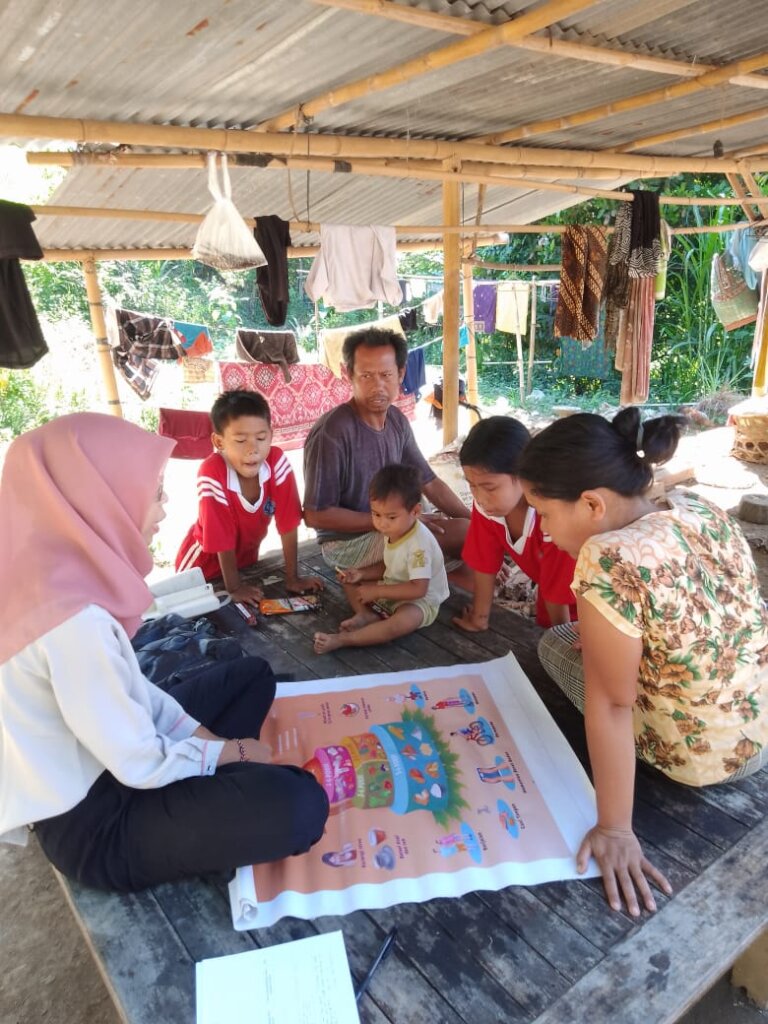
The majority of teenagers understand the causes of anaemia and how to prevent it as well as recognizing the importance of measuring upper arm circumference to detect Chronic Energy Deficiency (CED). Teenagers had varying understandings of body image, with some recognizing its negative impact on self-confidence and eating patterns and physical activity was rare among most girls, and many occasionally experienced exposure to second hand smoke.
These very positive results demonstrate the effectiveness of our developed ‘family model’ method, which will significantly help to address malnutrition in Ban Village through sustainable family involvement. The findings will be disseminated to key stakeholders on July 30, such as the village government, local health centre, health services, and related government agencies whose roles are essential in the child malnutrition program.
Intensive Malnutrition Treatment Program
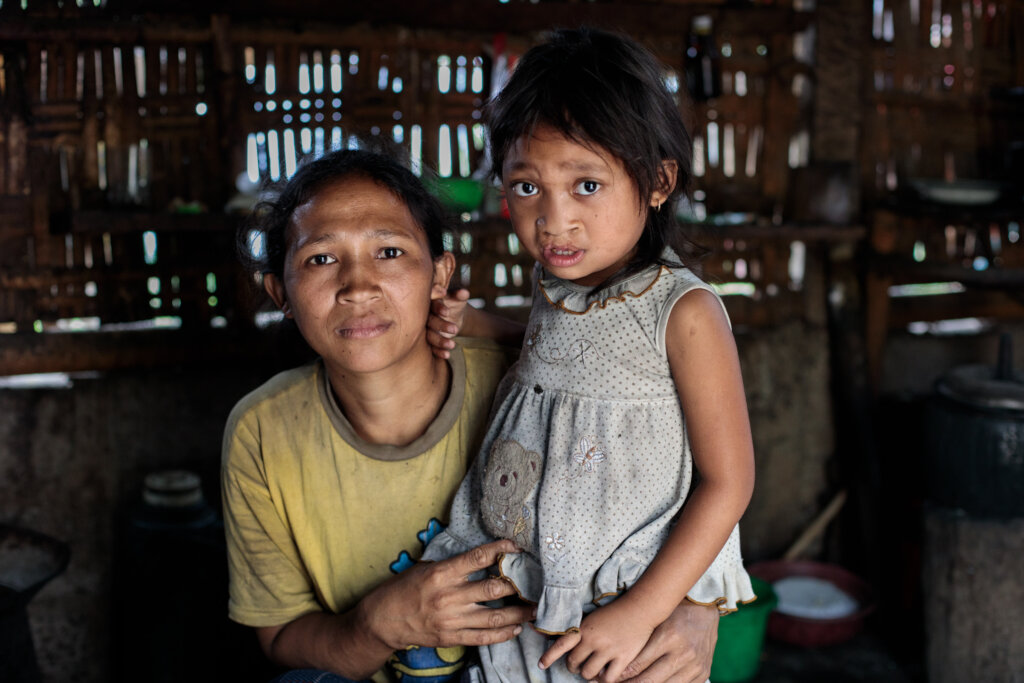
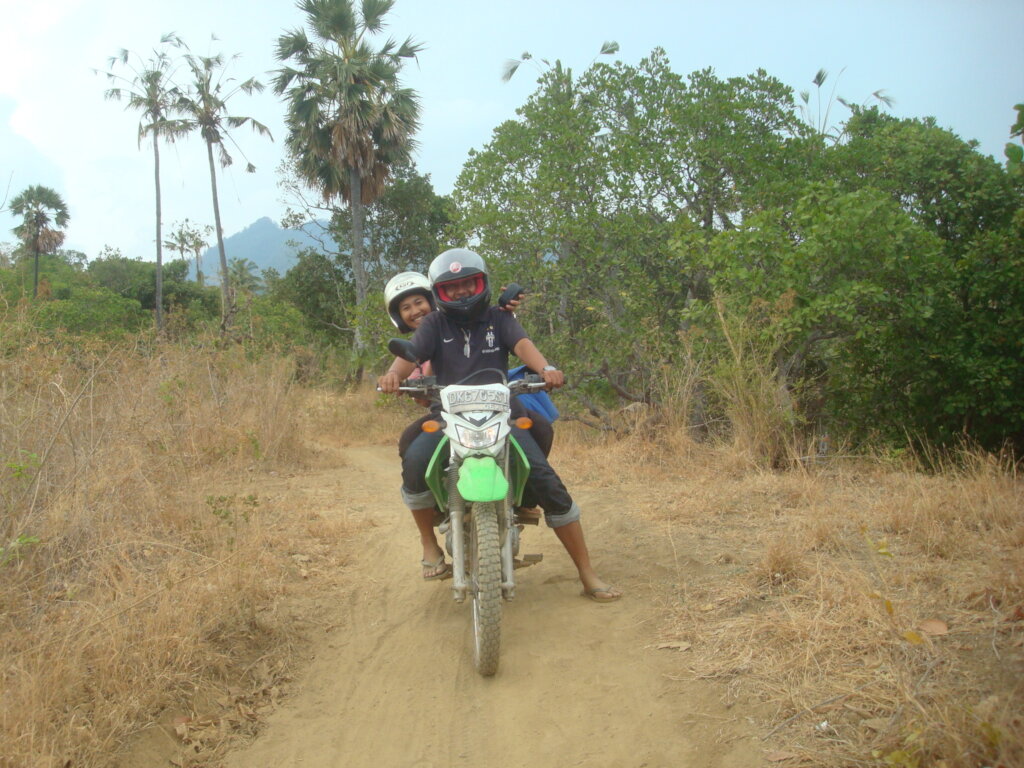
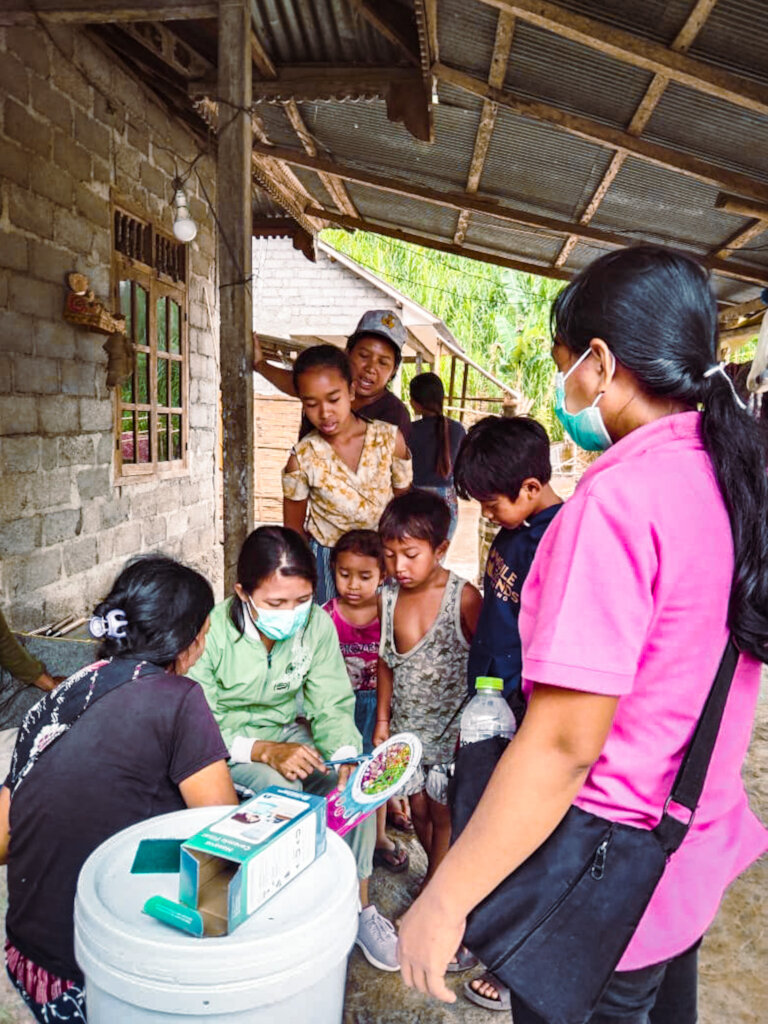
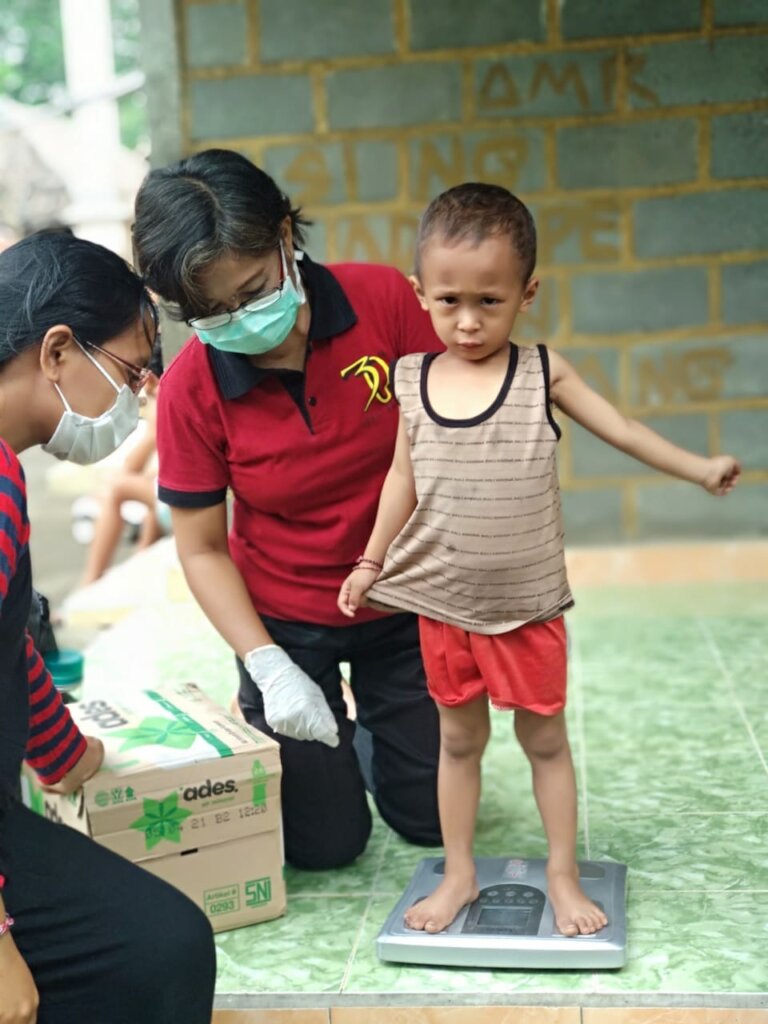
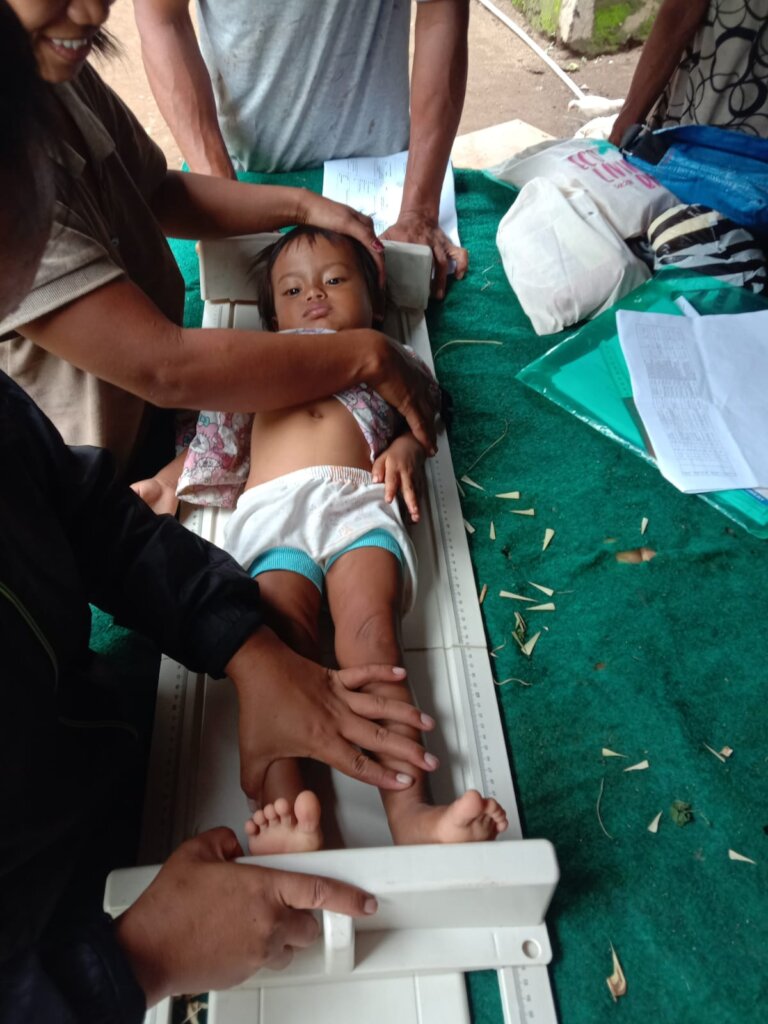
In April, we launched our intensive malnutrition treatment programs for toddlers suffering from severe malnutrition. The program focuses on improving their nutritional status through family assistance, monthly home visits, nutritional monitoring, nutrition education, and providing nutritious food packages.
Looking ahead, we plan to roll out the family-based intervention method across Ban Village, working closely with the community health centre and village leaders. Our plan includes extensive outreach through the posyandu (community health posts) to ensure every family receives the support and education they need. However, to transform these plans into reality and extend our impact, we need your continued support.
Your contributions are vital in sustaining and expanding these life-changing programs. Together, we can make a lasting difference in eradicating malnutrition and ensuring a healthier future for the children of Ban Village.
Project reports on GlobalGiving are posted directly to globalgiving.org by Project Leaders as they are completed, generally every 3-4 months. To protect the integrity of these documents, GlobalGiving does not alter them; therefore you may find some language or formatting issues.
If you donate to this project or have donated to this project, you can receive an email when this project posts a report. You can also subscribe for reports without donating.



Support this important cause by creating a personalized fundraising page.
Start a Fundraiser