By Ulfa Ratriana | EBPP Health Programme Coordinator
Dissemination of the Study’s Findings: A Key Takeaway
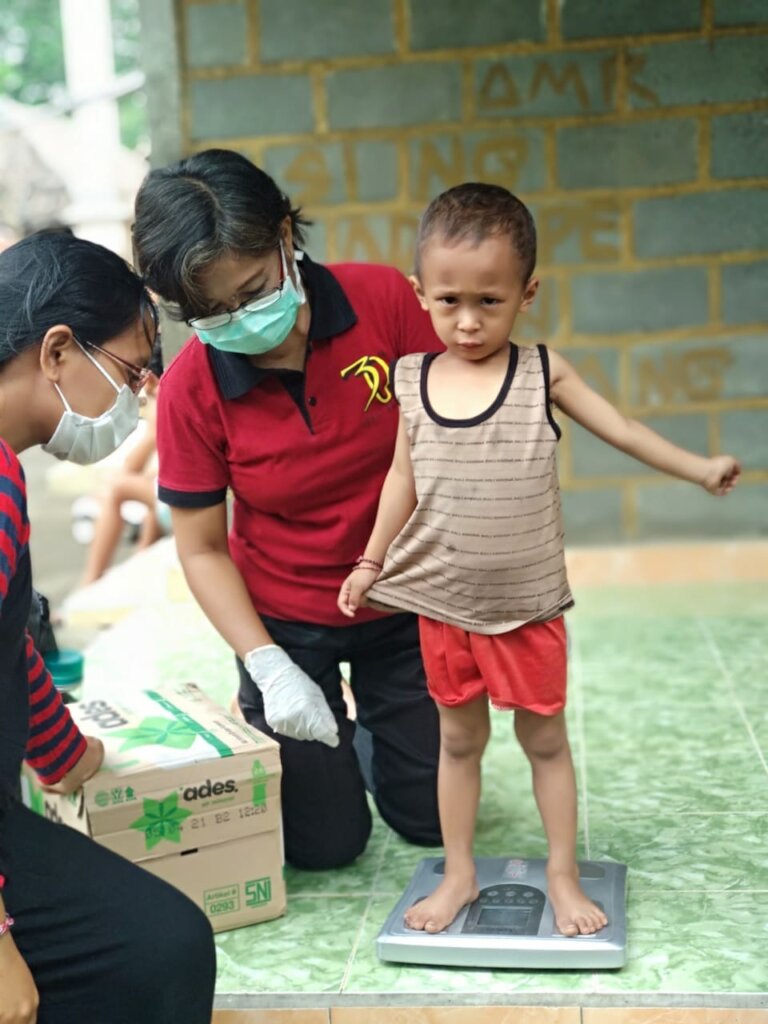
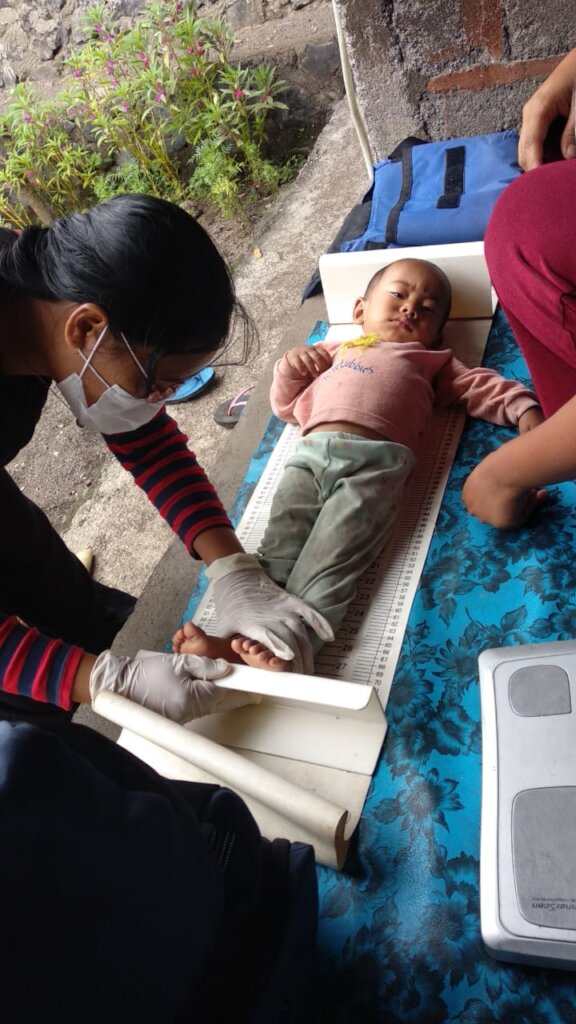
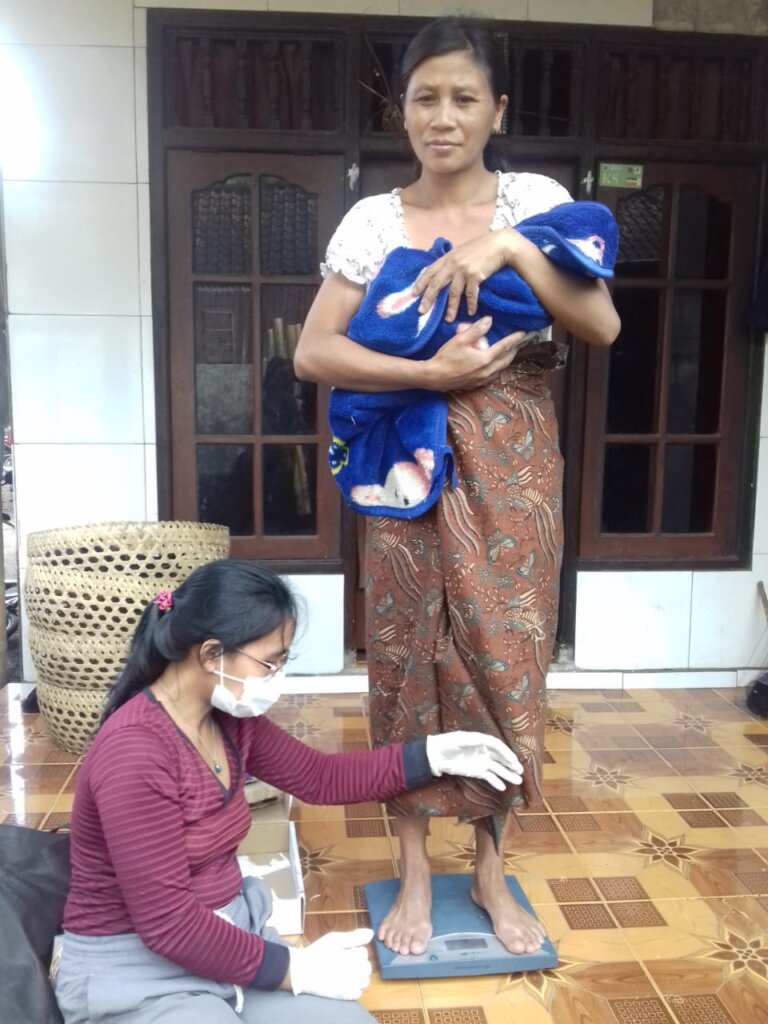
This year marks the conclusion of our 5-year malnutrition study, “Developing a Family-Based Nutrition Intervention Model in Ban Village” conducted in collaboration with the Faculty of Medicine, Udayana University. To share the study’s findings, we held a dissemination event on Thursday, August 1st, 2024, at Puskesmas (Community Health Care) Kubu II. The event gathered 33 participants, including representatives from key Karangasem government departments, the head of Ban Village, and local health cadres. This event was a crucial opportunity to communicate our findings to stakeholders.
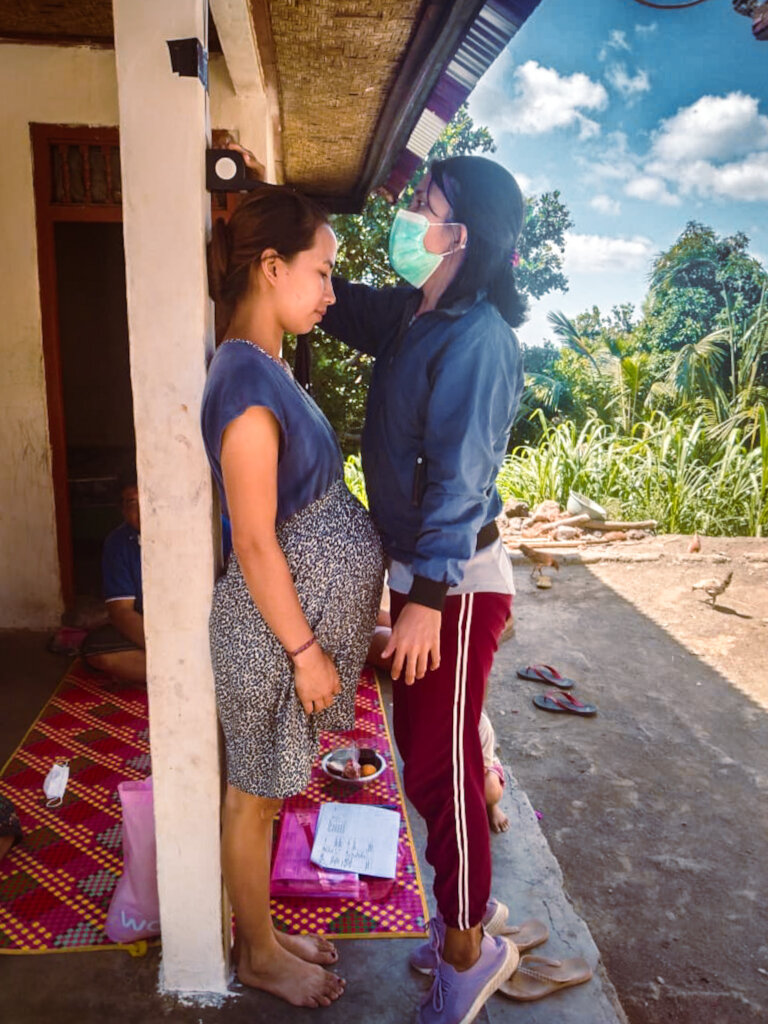
A key takeaways from this event is the vital role of all family members, particularly husbands and in-laws, in supporting balanced nutritional intake for pregnant women, children under two years old, and female adolescents. Emotional support from husbands is also crucial in ensuring successful breastfeeding efforts for infants.
Another important insight is the importance of ensuring that female adolescents, who no longer receive free iron supplements after graduating from school, continue to consume iron supplements. Many tend to stop taking these supplements when they must obtain it themselves.
Partnering with 1000Days Fund to End Stunting
As we will work closely with the respective community leaders in scaling up the Family-Based Nutrition Intervention Model across Ban Village’s 19 communities, we have partnered with the 1000Days Fund to empower Posyandu (Community Health Post) cadres with the knowledge and skills they need to prevent stunting by exclusive breastfeeding, and complementary feeding practices among families in their communities.
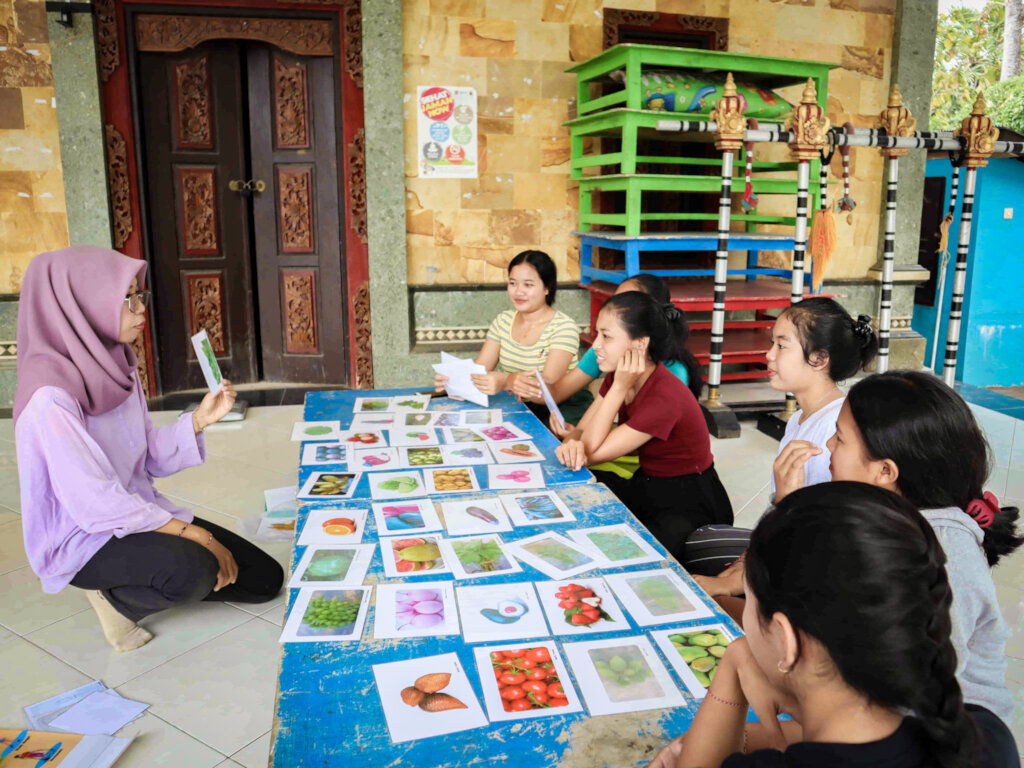
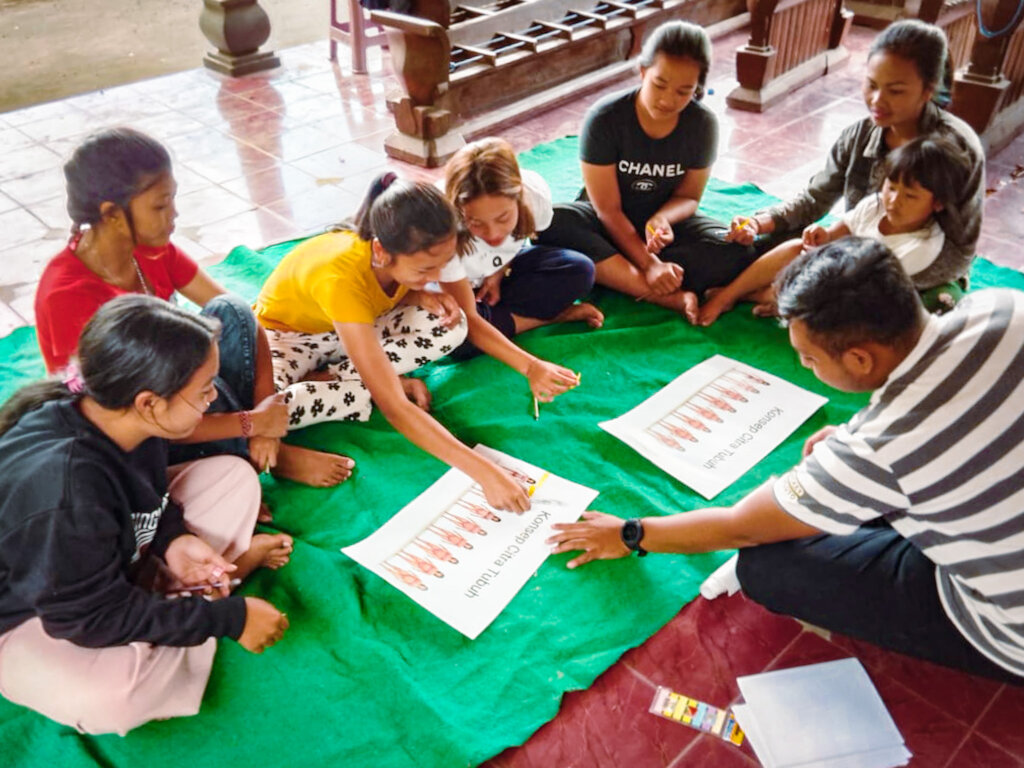
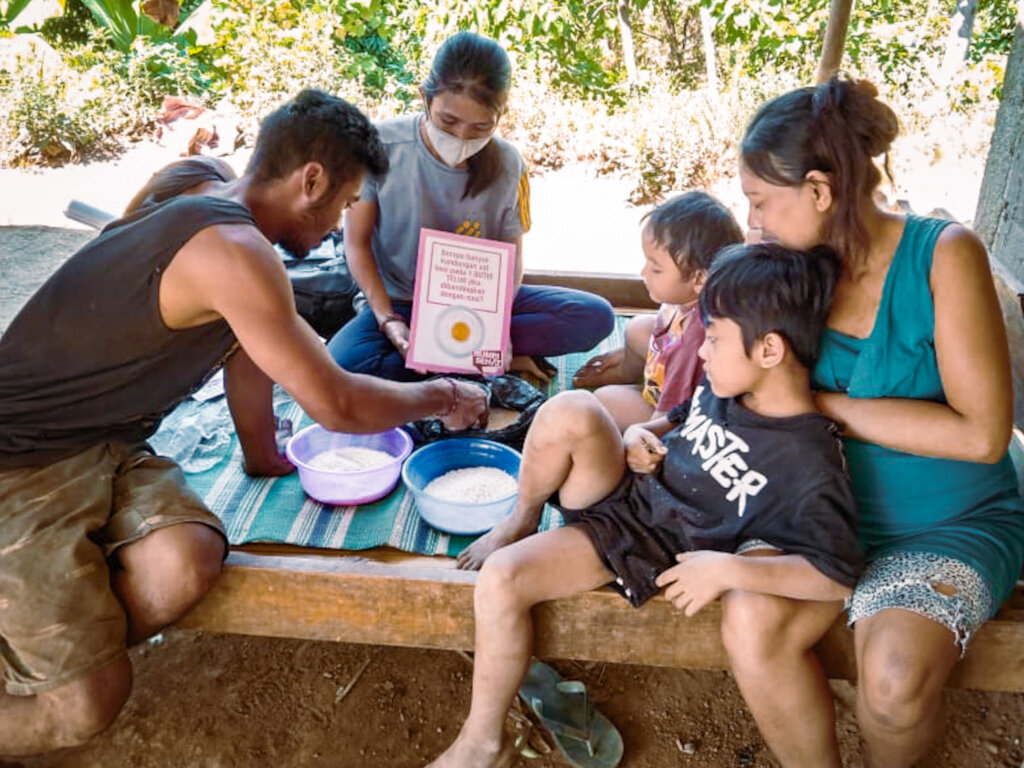
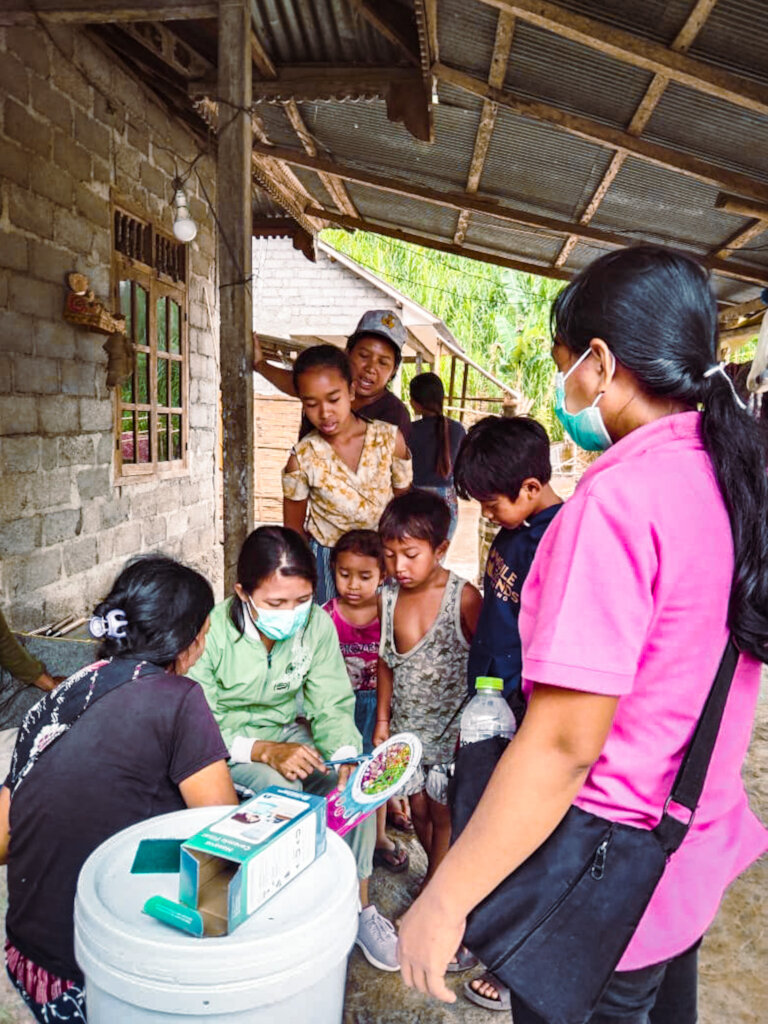
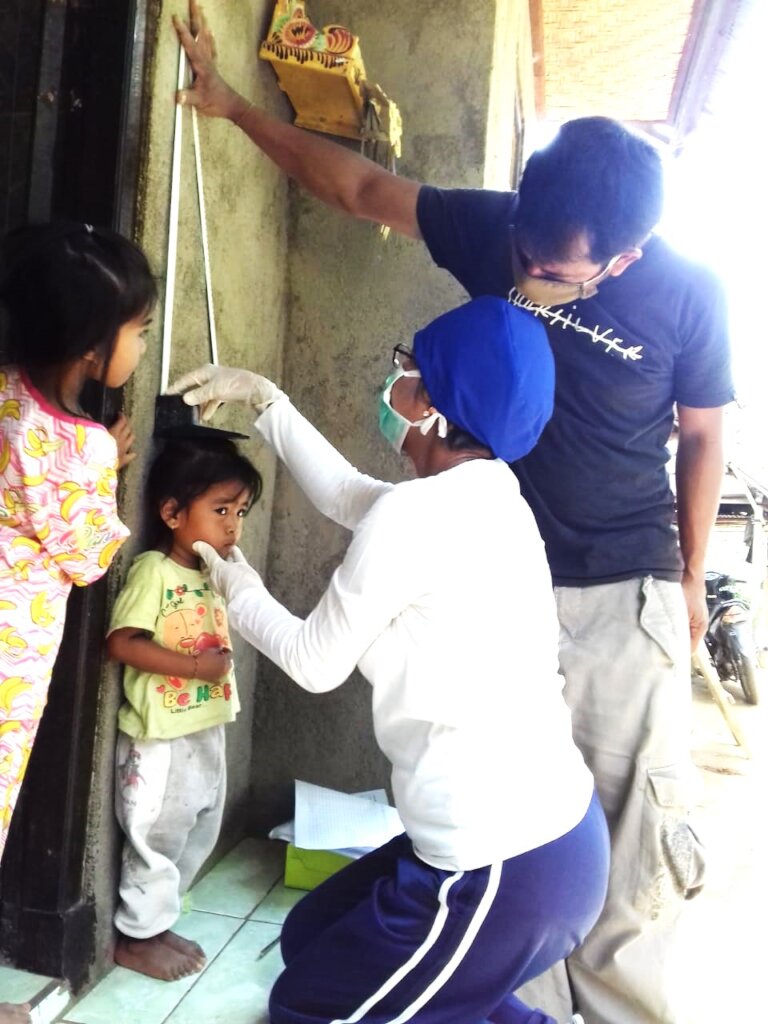
The first training was held on 16 October at the Ban Village Office, attended by 12 Posyandu cadres. The focus of this session was stunting: its definition, impacts, prevention strategies, and the way to effectively communicate this information to the community. In this training, we also introduced a smart chart poster developed by the 1000Days Fund which will be fixed to the inside wall of the families home so that they can check their child’s height daily. Cadres can use this chart as a media to educate families about stunting and an early detection tool for stunting. A variety of other methods were taught, including presentations, emo-demo (emotion-based demonstration games), and simulations. This training is crucial, as many cadres admit that they lack confidence in educating their communities due to a lack of prior knowledge and experience.
Through this training, they are expected to be able to conduct family-based nutrition interventions by themselves, ensuring the sustainability of our effort to eradicate infant malnutrition in East Bali.
Project reports on GlobalGiving are posted directly to globalgiving.org by Project Leaders as they are completed, generally every 3-4 months. To protect the integrity of these documents, GlobalGiving does not alter them; therefore you may find some language or formatting issues.
If you donate to this project or have donated to this project, you can receive an email when this project posts a report. You can also subscribe for reports without donating.



Support this important cause by creating a personalized fundraising page.
Start a Fundraiser