By Ulfa Ratriana | EBPP Health Programme Coordinator
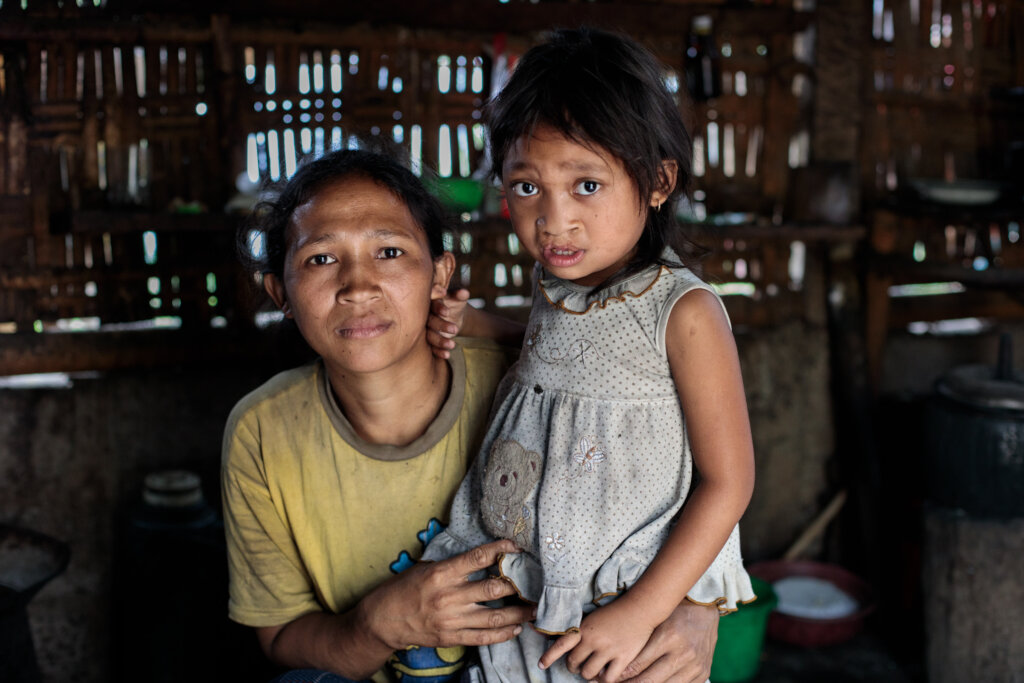
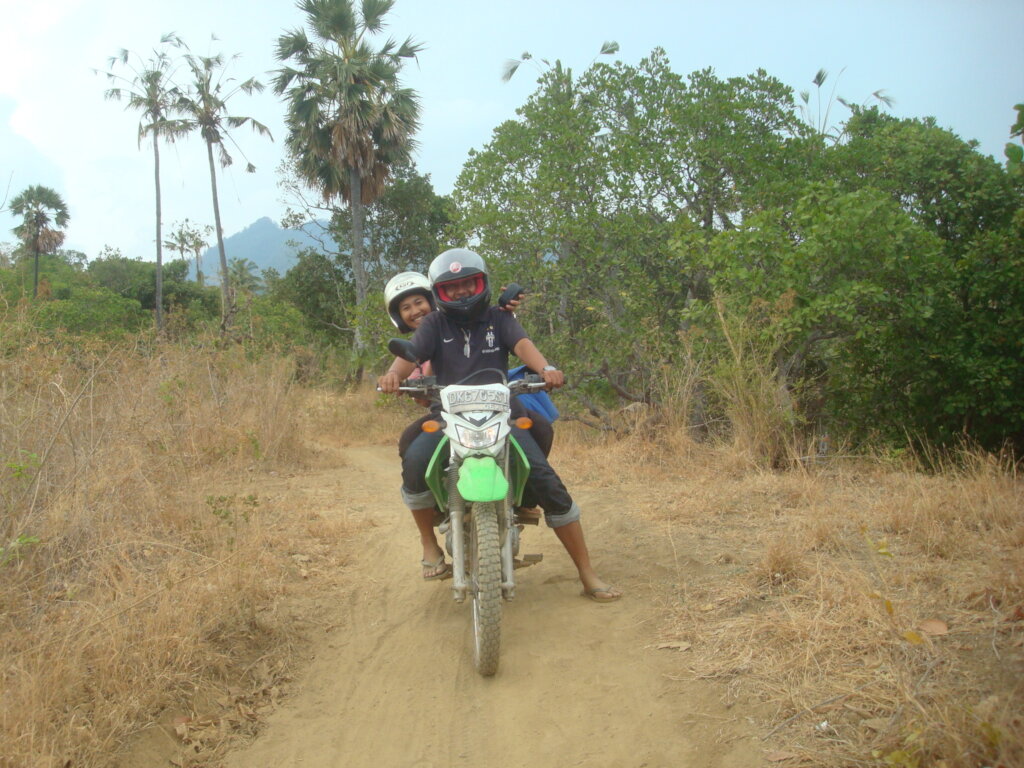
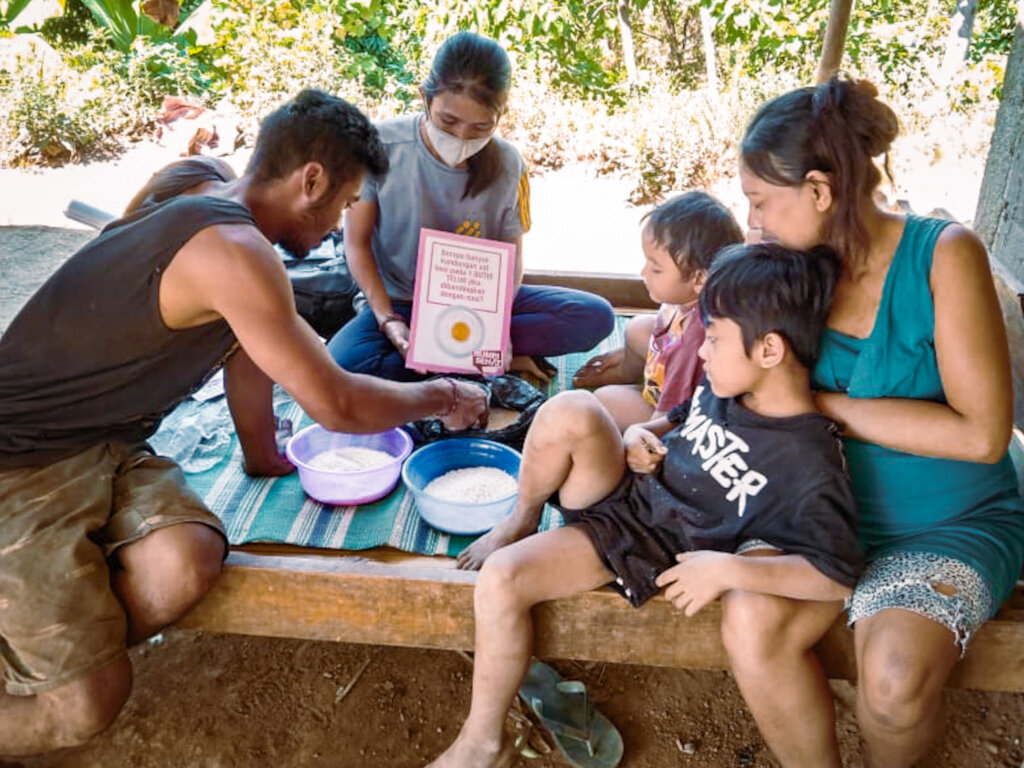
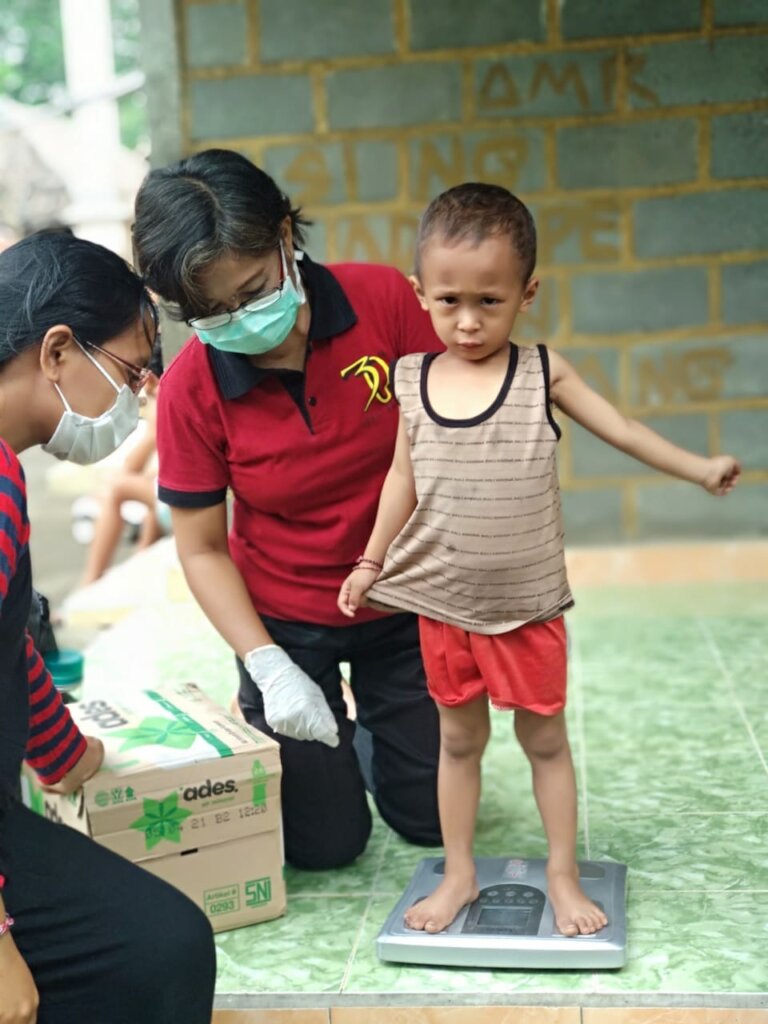
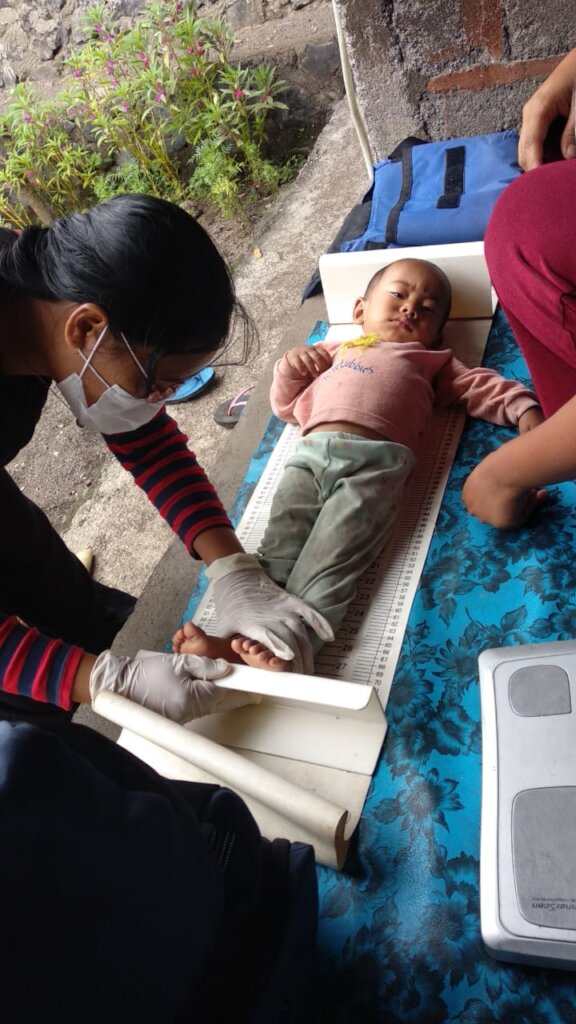
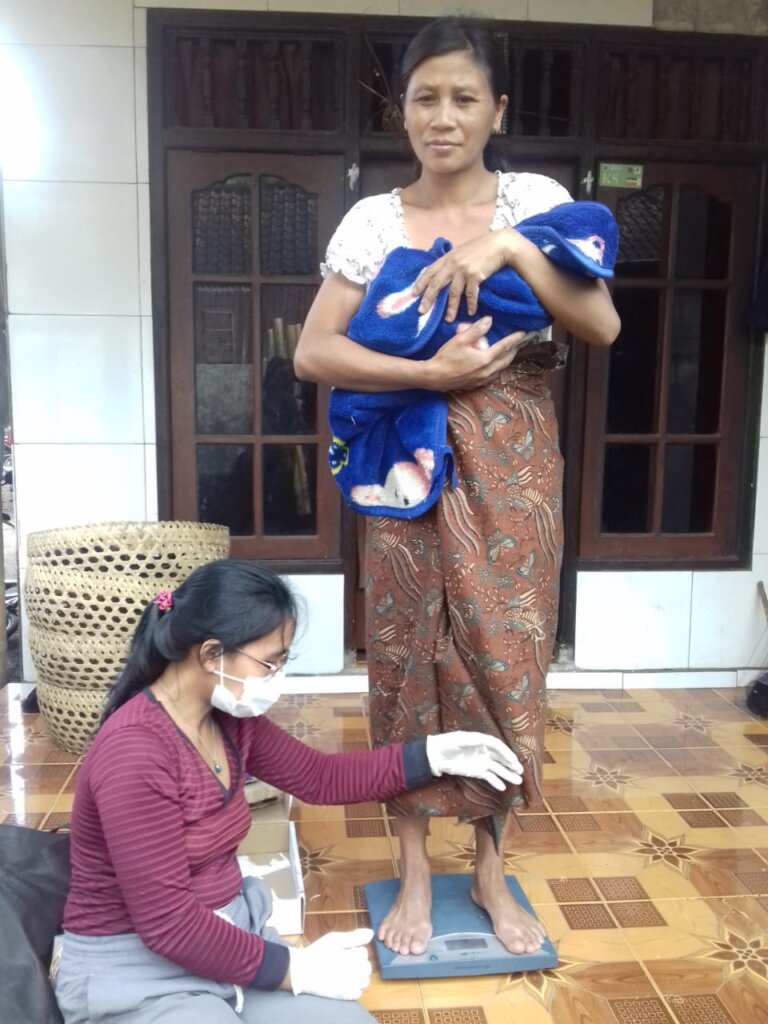
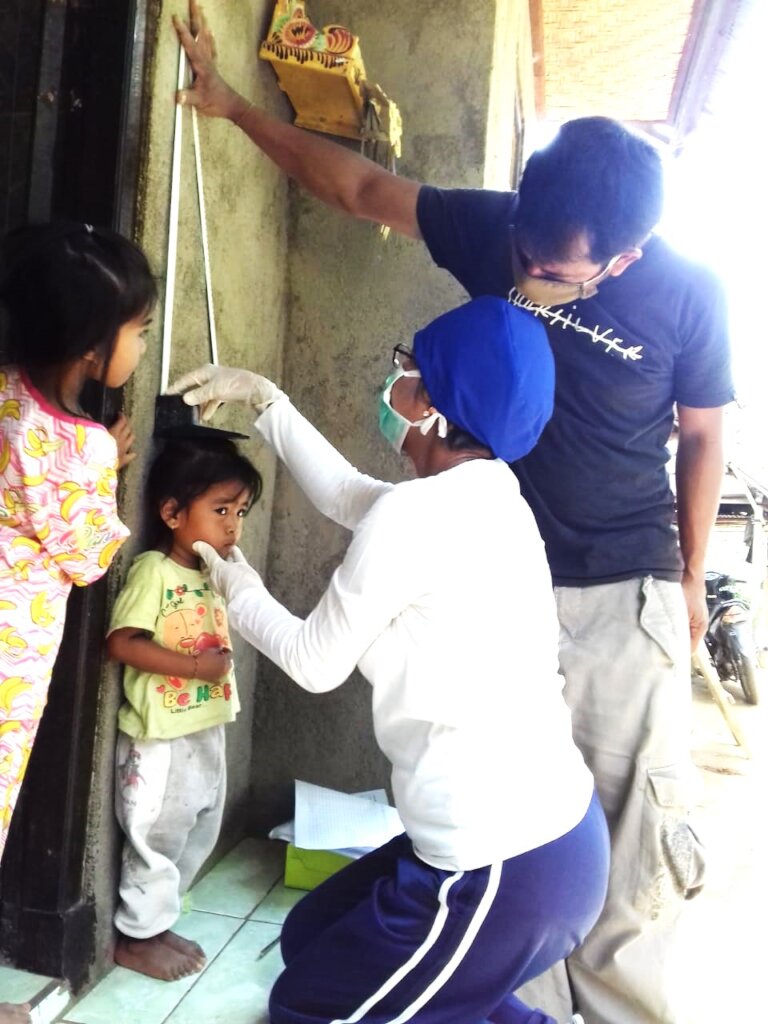
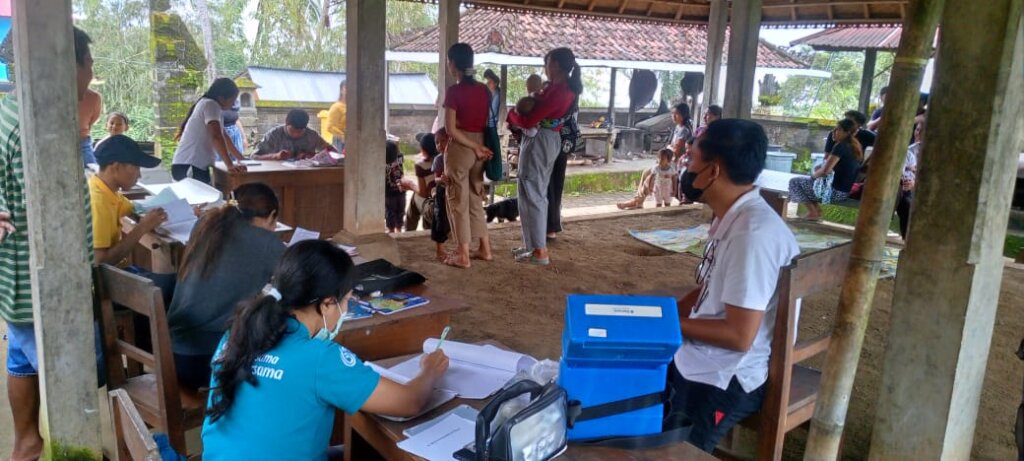
As part of our continued efforts to reduce and eventually eradicate malnutrition, we continued our partnership with the 1000 Days Fund to empower Posyandu (community health post) cadres through training and follow-up assessments. The programme aimed to equip cadres with the skills to educate families about stunting, conduct growth monitoring, and utilise the WHO growth chart—supporting more effective early childhood health monitoring and interventions in remote communities.
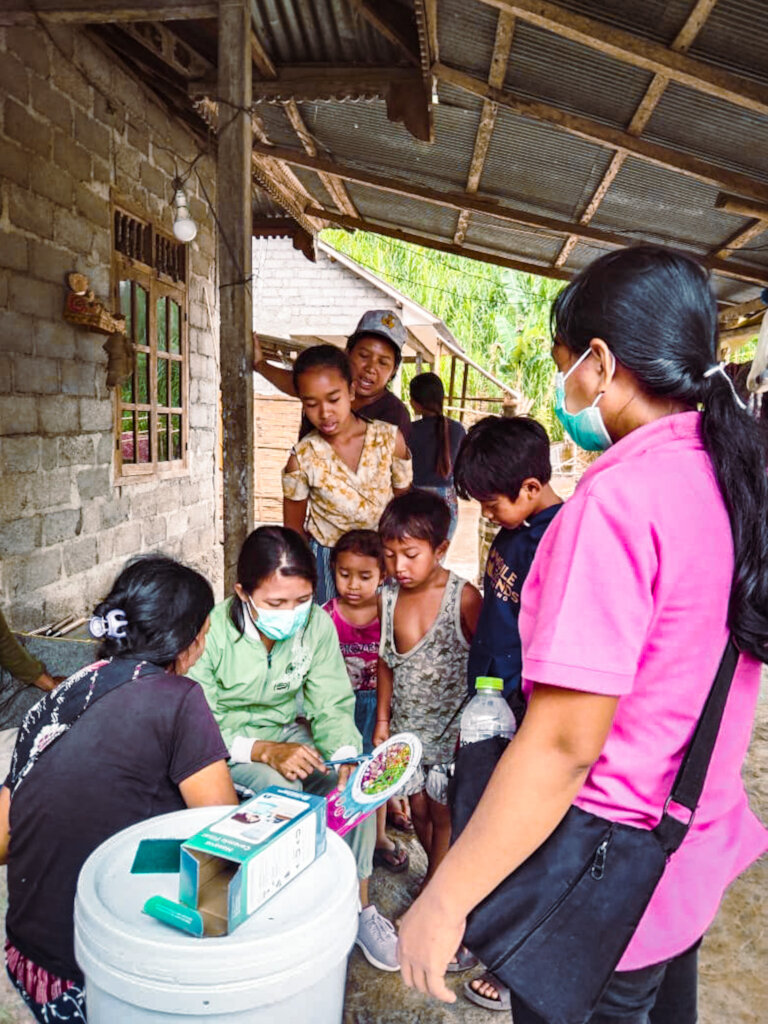
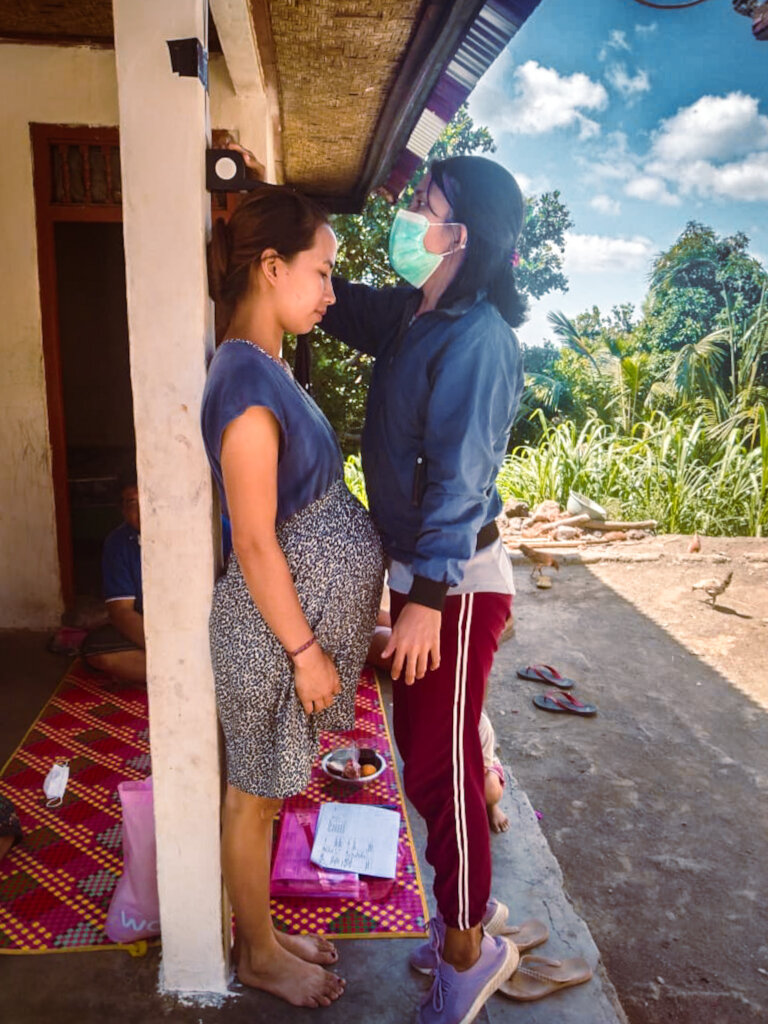
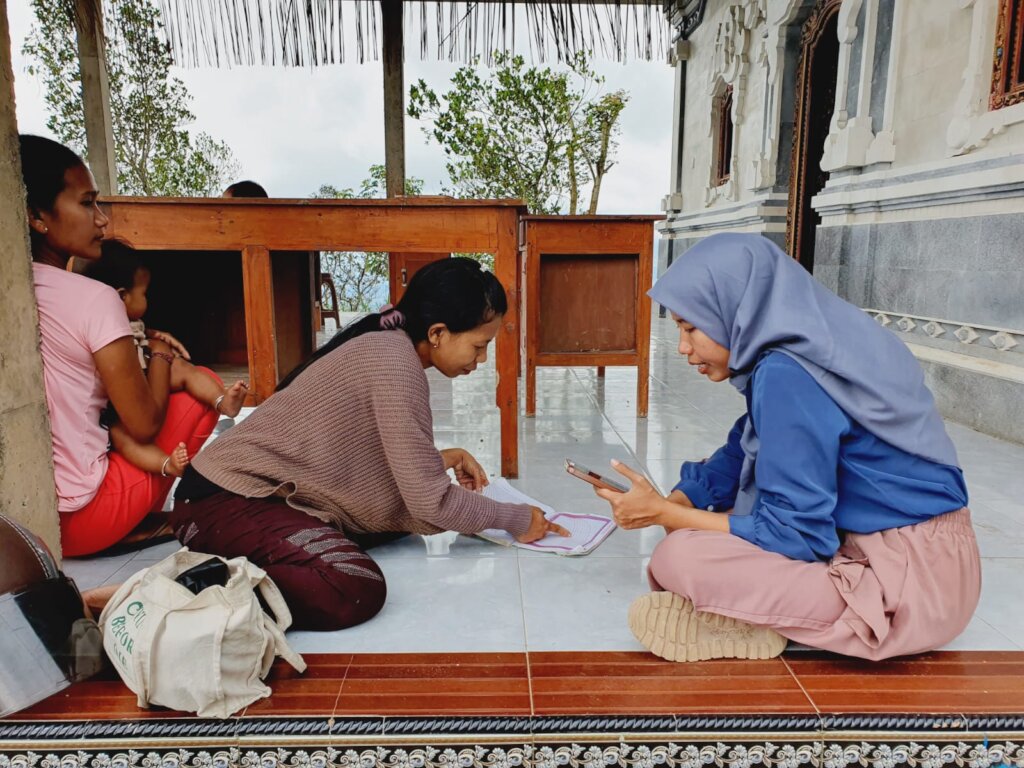
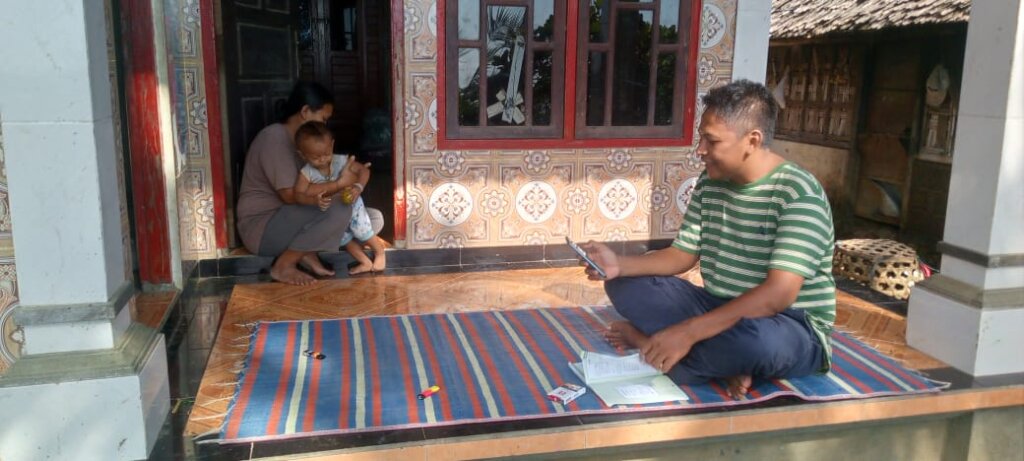
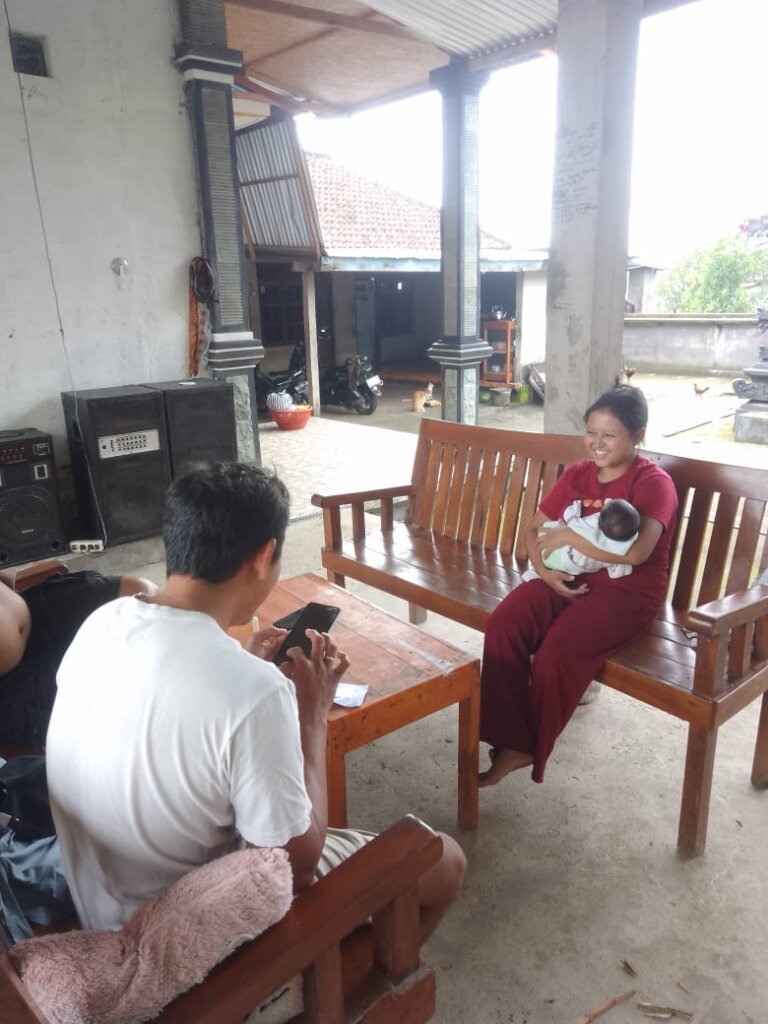
In April, we reached the final phase of this initiative by conducting endline data collection with cadres, pregnant women, and families with children under two years old. The assessment with cadres aimed to evaluate their retention and application of training materials—such as educating families about stunting, measuring children’s height, and plotting growth on WHO charts. Meanwhile, interviews with mothers and families assessed how well they understood the information shared by the cadres during home visits.
This initiative has led to meaningful improvements. Cadres have become more confident in delivering health education and plotting measurement results on WHO growth charts, while families are now more aware of the long-term impacts of stunting, such as impaired cognitive development and increased vulnerability to illness.
One cadre shared his experience:
"I feel very happy to have participated in the growth monitoring training. The 1000 Days Fund facilitator taught me how important it is to calculate a child’s age very accurately, which helped me complete the growth chart at Posyandu. For me, growth monitoring is important—parents should be informed about their child’s weight and height every month."
– Tisna, Community Health Worker, Manikaji Asti
Anaemia Prevention for Adolescent Girls
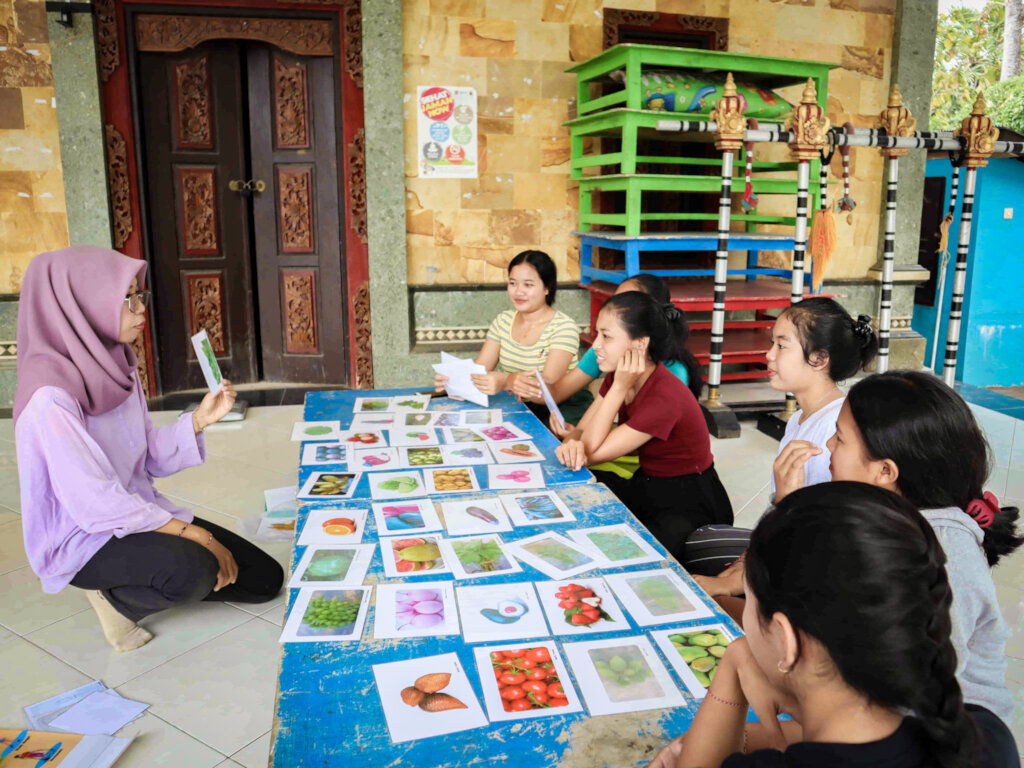
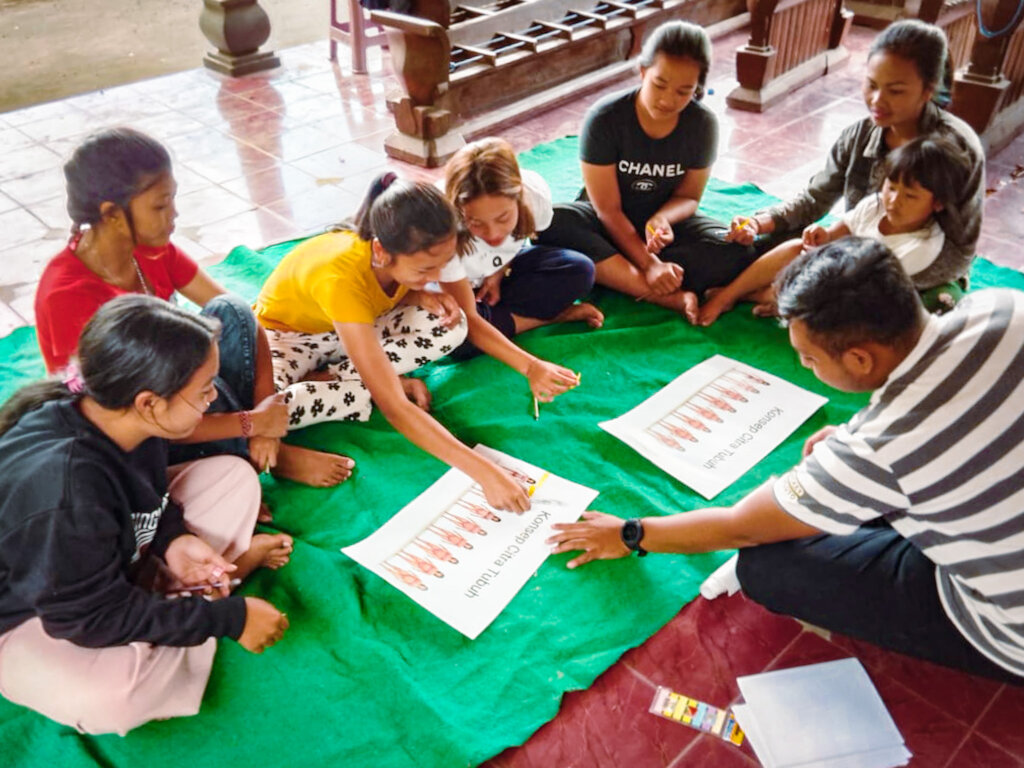
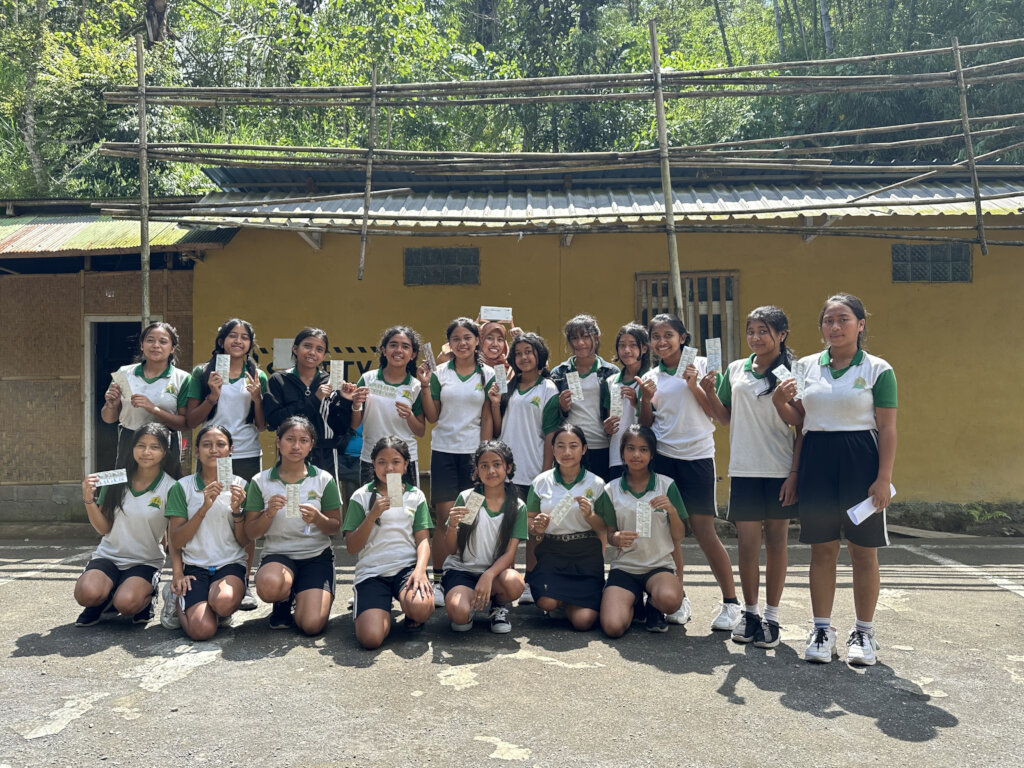
Preventing anaemia in adolescent girls is crucial for building healthier generations. In May, we continued our prevention efforts by distributing iron supplements to 54 female students across all six EBPP schools. Each received 10 tablets for a 10-week cycle.
To make the session more engaging, we introduced an interactive educational game using dice and career aspirations. The activity highlighted how today’s dietary choices influence health and future opportunities—helping students understand the importance of iron-rich foods and regular supplementation in a fun and memorable way.
Project reports on GlobalGiving are posted directly to globalgiving.org by Project Leaders as they are completed, generally every 3-4 months. To protect the integrity of these documents, GlobalGiving does not alter them; therefore you may find some language or formatting issues.
If you donate to this project or have donated to this project, you can receive an email when this project posts a report. You can also subscribe for reports without donating.



Support this important cause by creating a personalized fundraising page.
Start a Fundraiser