By Kat Sinn | Program Coordinator
Hi Folks,
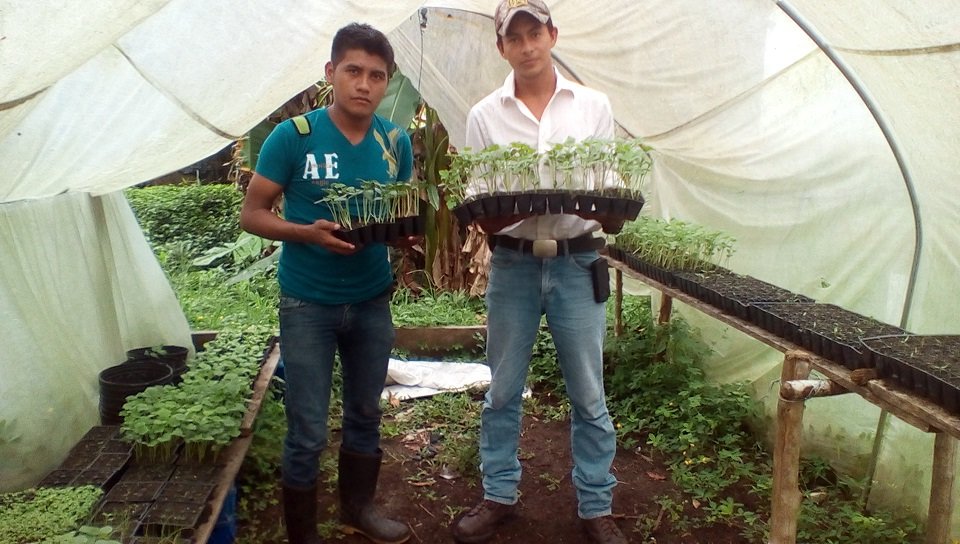
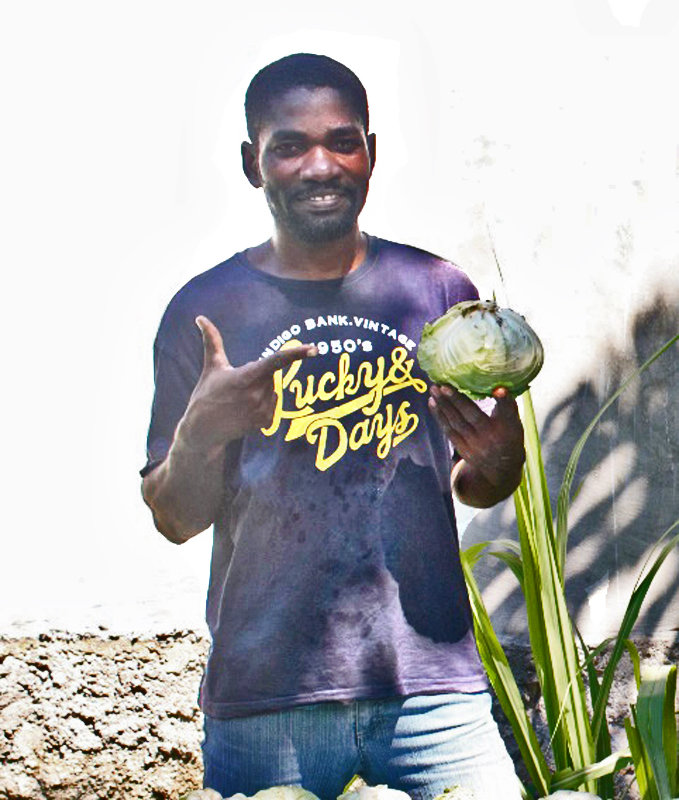
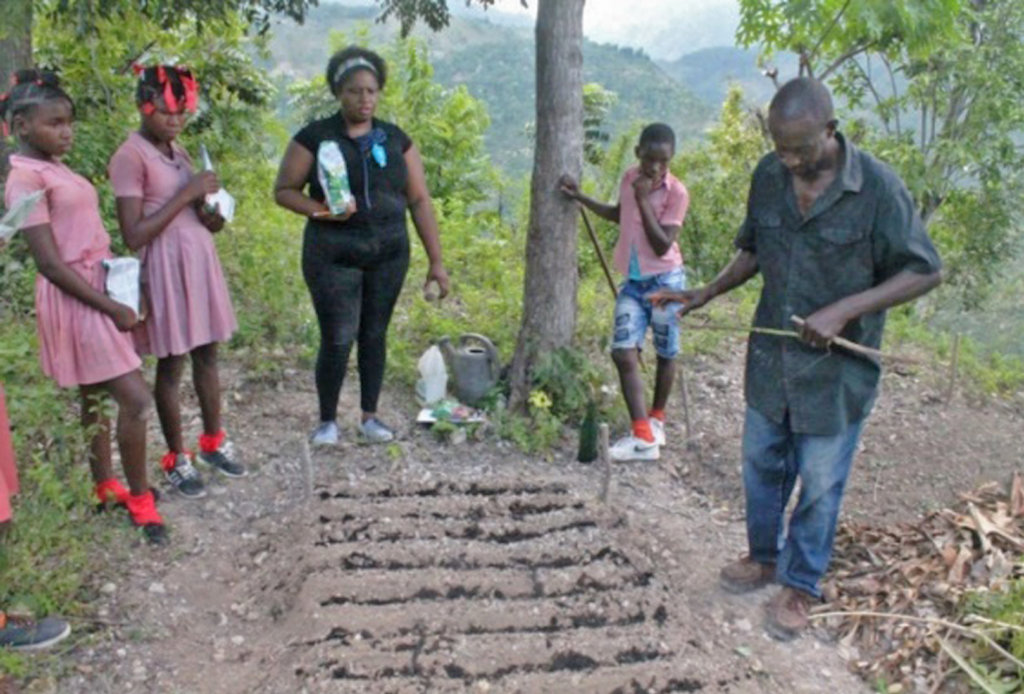
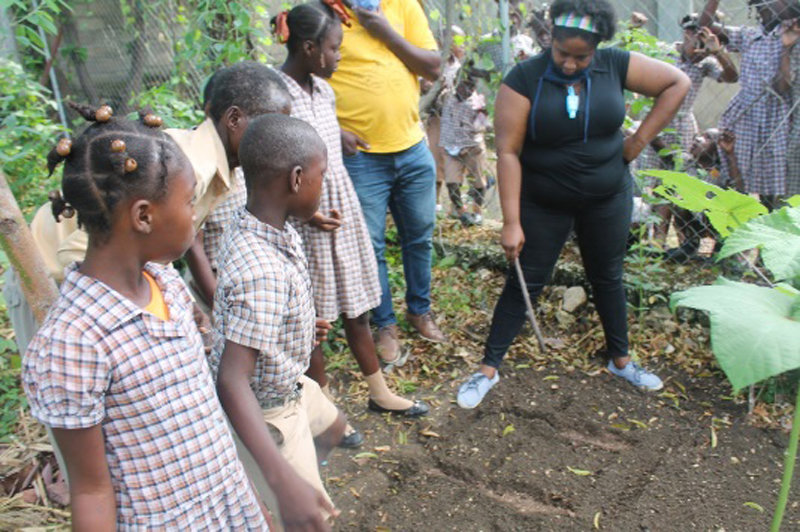
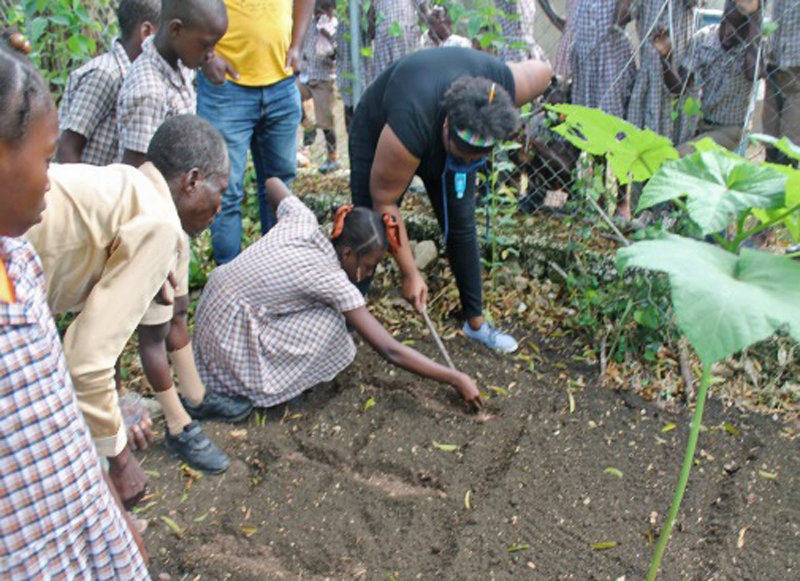
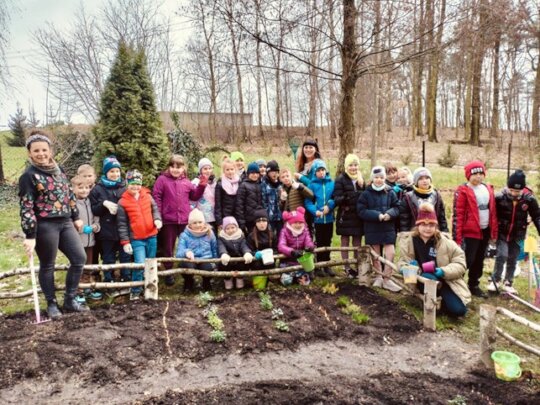
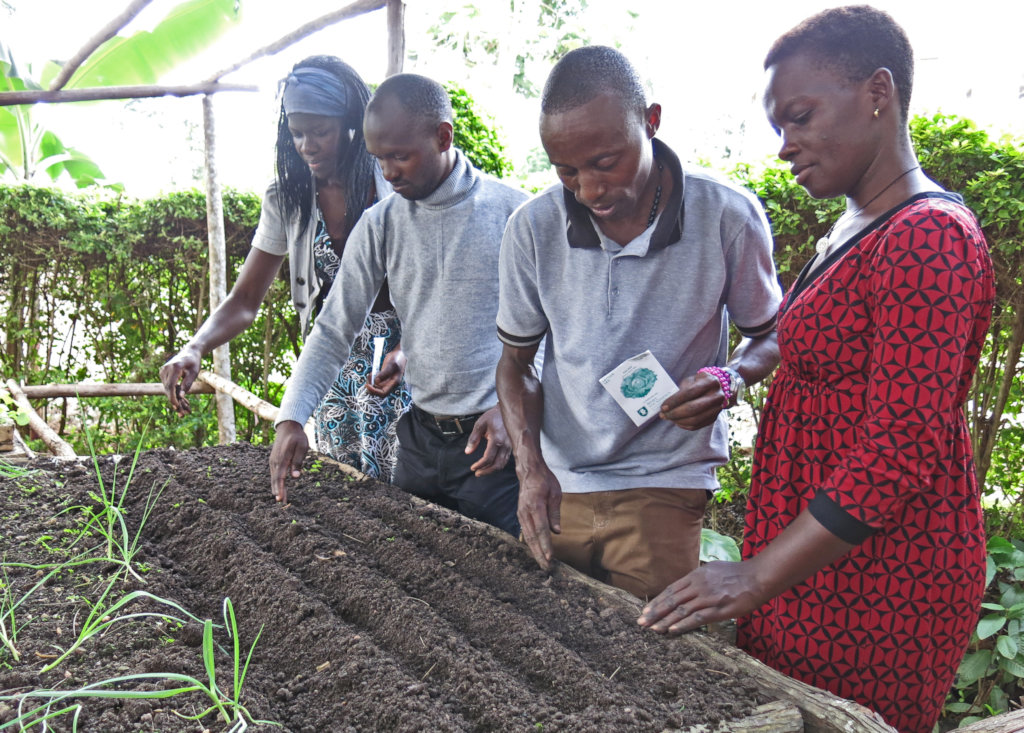
This update comes from our partners Feed the Children, who are working with private and public schools in Haiti and Guatemala to implement school gardens. These gardens will be cultivated areas around the school premises and will be cared for by students, parents, and school personnel. School gardens in Haiti are particularly important for supplementing healthy student meals that are rich in vitamins and nutrients. Healthy meals enable students to grow, develop, and focus on their learning during the school day. This program will focus on four schools in Guatemala and three in Haiti.
As you can imagine, the project was widely affected by COVID-19 when schools shut down the entire school year in both countries.During the school shutdown,, Feed the Children prepared different aspects of the project so everything was in place for the students’ return.
For example, in Haiti the primary source of water for the school gardens will be the potable water systems on site at each school. During the rainy season, very little irrigation is typically necessary. However, due to significant changes in weather patterns, including long droughts, it is necessary to have irrigation year-round. Since water is scarce for many of the schools, having the capacity to capture and store rainwater is important for day to day school activities. To ensure water access, Feed the Children implemented a conduit and capture system to collect rainwater off the school roof during the rainy season to be stored throughout the dry months.
Junel, Director of the Père Coatalem de Dufresney school in Haiti had this to say about the projects and their impact on the community:
“I would like to thank Feed the Children and Seed Programs International for all the support provided in our community, particularly the school support. I want to especially highlight the school garden project, which has become more important than the initial objectives, namely, to diversify and strengthen the food that is given to children in the canteen.
The whole community benefits from this project, in the sense that people discover other economic opportunities because of what we produce in the school gardens. The vegetables that the schools grow were not typical for the community. Initially, they did not think that the area could produce these vegetables or that there was a market for these vegetables. So, I'm talking about real economic opportunities that are opening to us in the community because its products are indeed in great demand.”
- Junel, Director of the Père Coatalem de Dufresney
It is important to emphasize that the school garden project goes beyond technical learning for the students. Children who receive the training and knowledge become student advocates for garden activities and are able to teach other students, as well as their family members, to encourage additional school, community, and household gardens. As part of project implementation, community leaders and volunteers were also trained to monitor the garden and provide on-going support.
This is especially important, going into the second year of the COVID-19. Widespread global food shortages are predicted, so being able to take these skills from the classroom to a home garden are necessary to combat pandemic food insecurity in communities worldwide.
We look forward to updating you as this project progresses. Projects like this are possible in part because of donors like you, so from Feed the Children and Seed Programs International, thank you for your support!
-the SPI Team
Project reports on GlobalGiving are posted directly to globalgiving.org by Project Leaders as they are completed, generally every 3-4 months. To protect the integrity of these documents, GlobalGiving does not alter them; therefore you may find some language or formatting issues.
If you donate to this project or have donated to this project, you can receive an email when this project posts a report. You can also subscribe for reports without donating.