By Cheetah Conservation Fund | CCF Staff
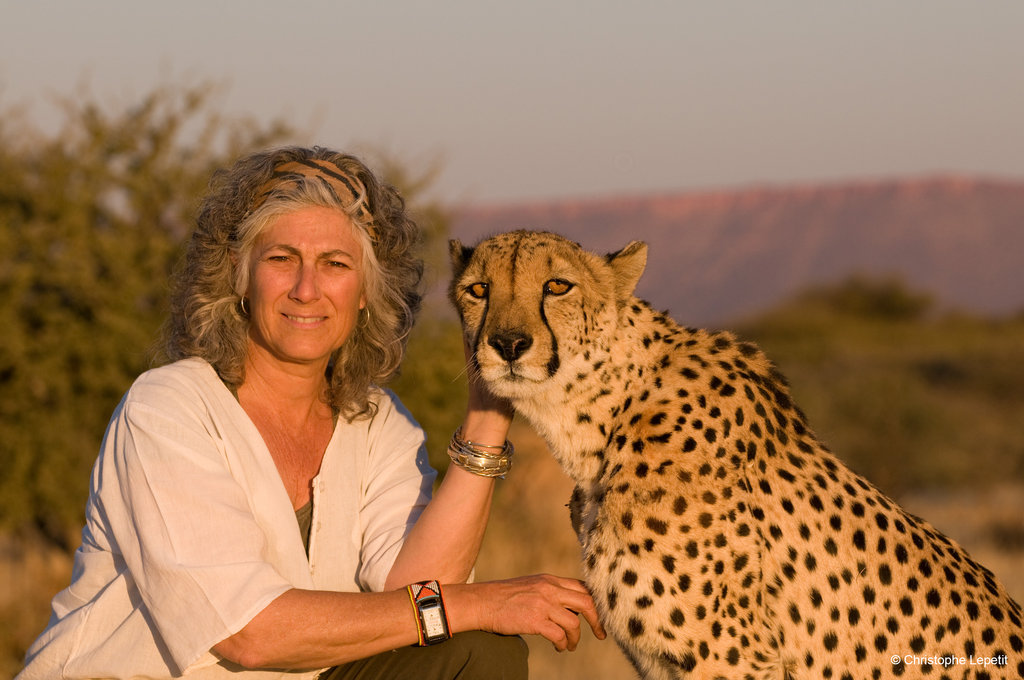
OTJIWARONGO, Namibia (1 December 2020) – Dr Laurie Marker, Founder and Executive Director of Cheetah Conservation Fund (CCF), issued a statement today from CCF’s Field Research and Education Centre in Otjiwarongo, Namibia, on the status of the wild cheetah. The announcement is timed to coincide with the 10th annual celebration of International Cheetah Day (ICD), an occasion to generate awareness for the plight of the world’s fastest land mammal and remind people that its survival depends on humans. With fewer than 7,100 cheetahs remaining in the wild and the species on a rapid decline, Dr Marker cautions the time to undertake action is now:
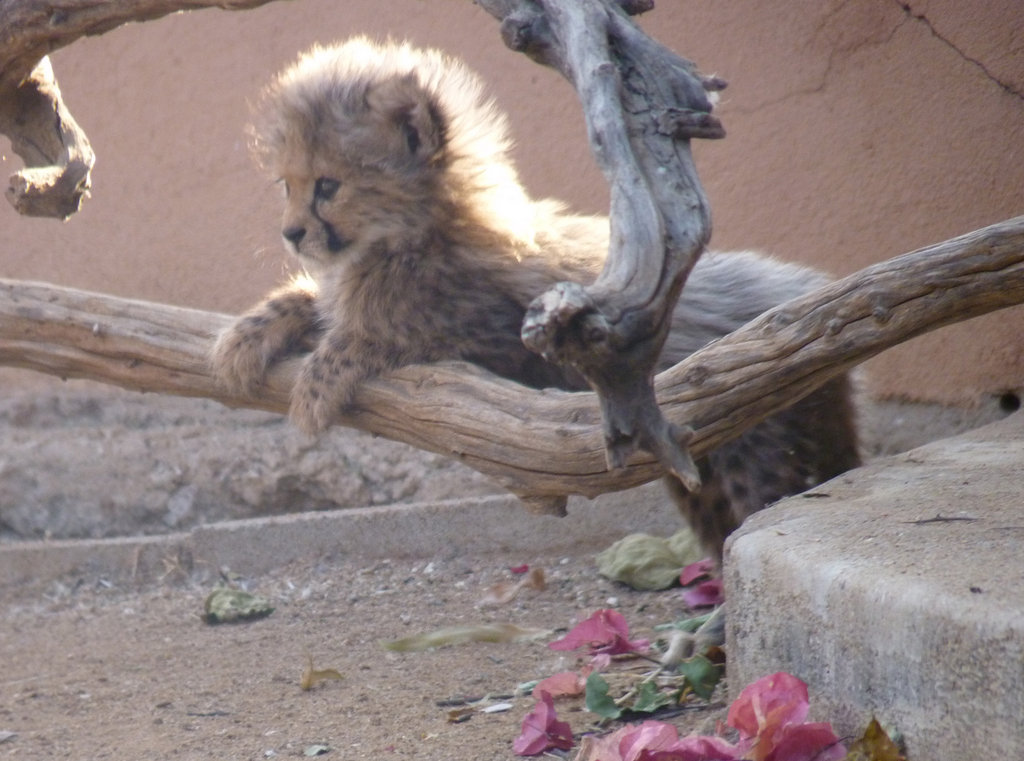
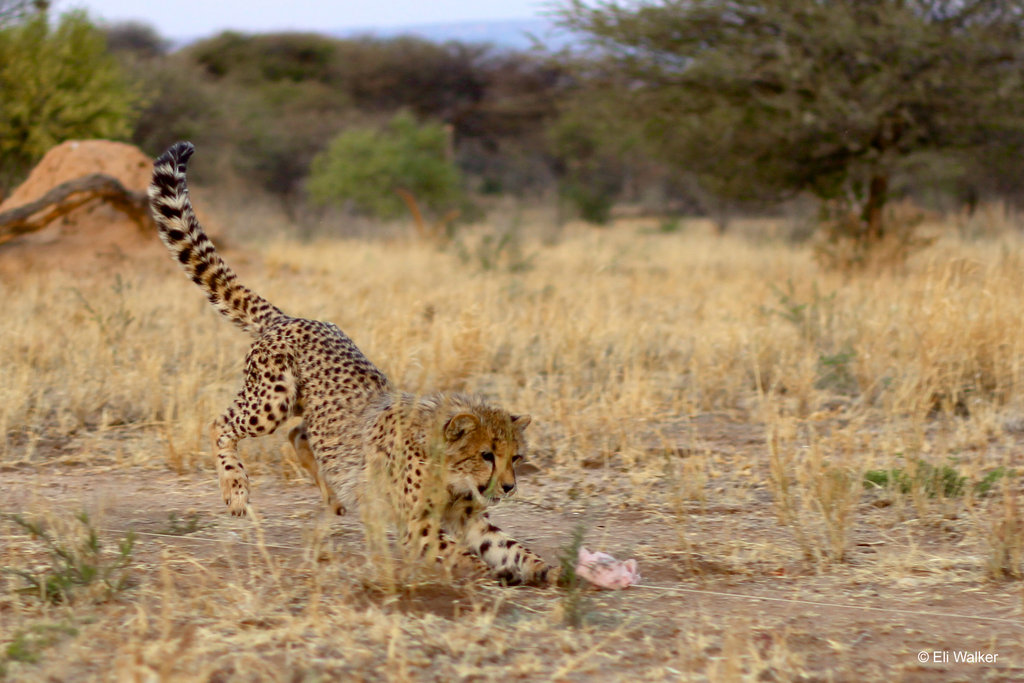
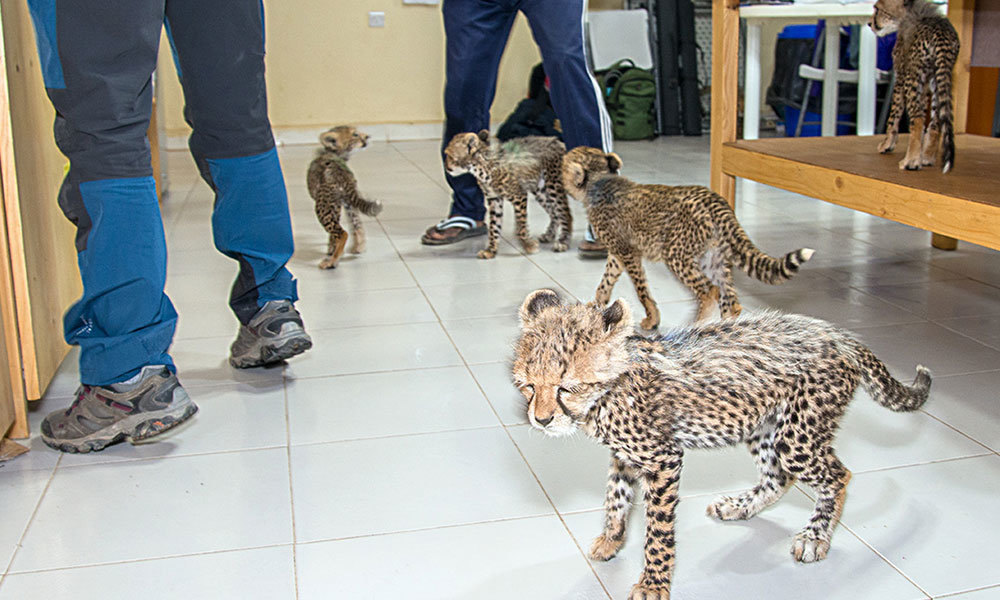
“International Cheetah Day reminds people of all ages that cheetah survival depends on human conservation action. Famous for being fast — cheetahs can reach speeds of up to 70 mph (110km per hour) in short bursts – the species is threatened by human-wildlife conflict, habitat loss, loss of prey, fragmentation, and lack of genetic diversity. In East Africa, cheetah cubs are being poached to supply the illegal pet trade. Despite being outlawed in many parts of the world, keeping a cheetah as a status pet is still popular in many places. The demand for cubs is having a devastating impact on the wild cheetah populations in East Africa. CCF research indicates an estimated 300 cubs are being taken each year from adult populations estimated to total only 300-500 individuals. The cubs are smuggled through the Horn of Africa primarily into the Arabian Peninsula, most launching from points off Somaliland and entering through Yemen.
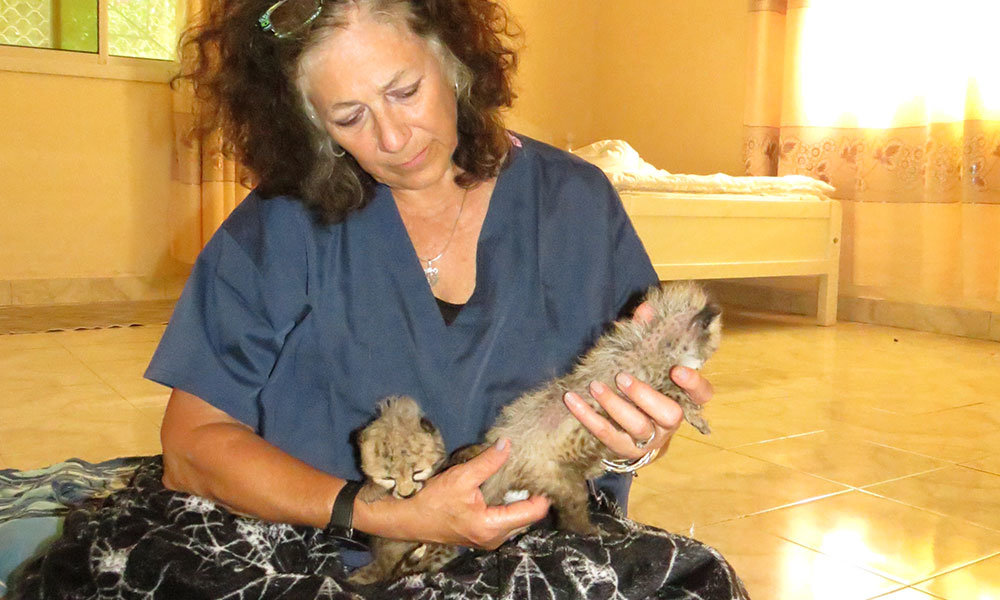
The facts are shocking: five out of six poached cubs will die before they can ever become pets. After being taken from its mother, a poached cub is likely to die within three weeks due to negligence, dehydration, and malnutrition. If a cub survives to three months and becomes a pet, chances are it will not likely live longer than two years, due to improper diet, poor environment, and a lack of proper veterinary care. People put images of their pet cheetahs on social media to elicit admiration, but would animal lovers still ‘like’ those photos if they knew of the harm being done? Cheetah cubs belong in the wild with their mothers; cheetahs are not pets. We must help humans understand this before we ‘like’ a species to death.
Taking cubs from the wild is wrong, and it will ultimately lead to the species demise. Taking baby animals from their mothers when they are weeks-old denies them the opportunity to grow up and contribute to the wild population. CCF will continue to work with our partners in Somaliland, and throughout the Horn of Africa, and we will also work with our international government partners who support this work, including UKAID through the Illegal Wildlife Trade Challenge Fund, and the governments of Denmark, Netherlands and UK, which have committed their support through the Somaliland Development Fund, to address the scourge of cheetah trafficking until it has been eliminated”.
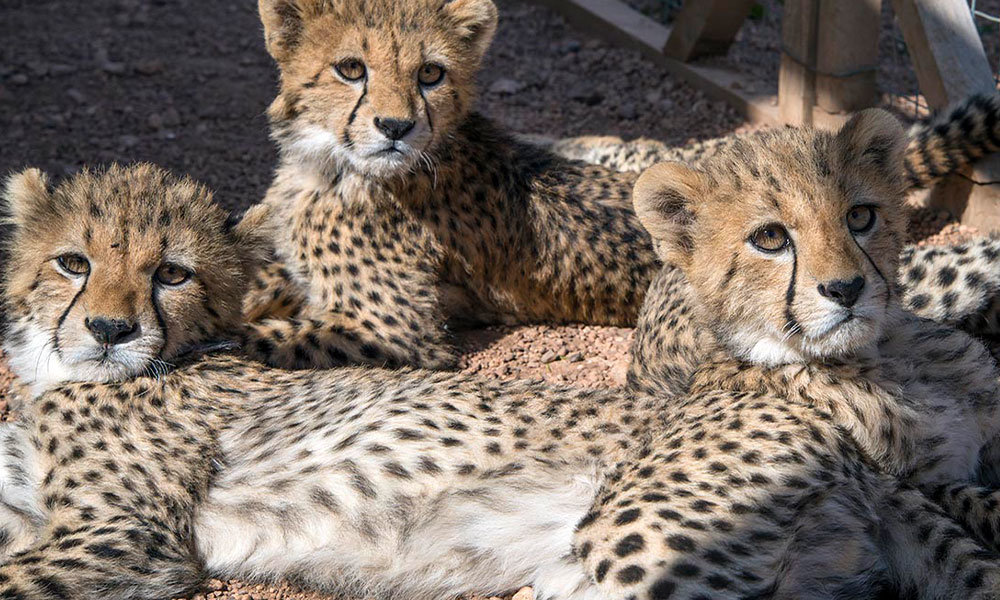
In 2019, CCF established CCF Somaliland with international NGO status, based in Hargeisa, the capital of Somaliland. Here, CCF works with the Ministry of Environment and Rural Development (MoERD) to care for cubs intercepted from the trade by Somaliland government authorities. CCF currently maintains three facilities to provide shelter and veterinary care for 59 cheetahs in Hargeisa, the capital city, and is developing a cheetah sanctuary on land the government has set aside to create its first national park. The cubs range between five months to three years of age, and most struggle with health conditions due to the lack of care they received from smugglers and from being separated from mothers too early in life. They are vulnerable to many problems, including diseases brought on by malnutrition and dehydration.
CCF has been working to counter the poaching of cubs and the illegal wildlife pet trade since 2005. In 2011, CCF began building a network in Somaliland and establishing working relationships with local government authorities. In 2019, CCF was awarded a grant from the UKAID IWT Challenge Fund to build capacity in wildlife law enforcement in Somaliland, Ethiopia, Somalia and Yemen through its project, LICIT (Legal Intelligence/Cheetah Illicit Trade), with LICIT grant partners, International Fund for Animal Welfare and Legal Atlas. So far in 2020, CCF has assisted the MoERD with the confiscation and disposition of 34 cheetahs. On 26 November, a landmark victory was achieved in Somaliland courts when eight suspects charged with cheetah trafficking were convicted. Seven received a one-year jail sentence, and the leader, a man who had been convicted on similar charges in 2018, received four years.
Links:
Project reports on GlobalGiving are posted directly to globalgiving.org by Project Leaders as they are completed, generally every 3-4 months. To protect the integrity of these documents, GlobalGiving does not alter them; therefore you may find some language or formatting issues.
If you donate to this project or have donated to this project, you can receive an email when this project posts a report. You can also subscribe for reports without donating.



Support this important cause by creating a personalized fundraising page.
Start a Fundraiser