By CCF Staff | CCF Staff
Zinzi and Family on the Move
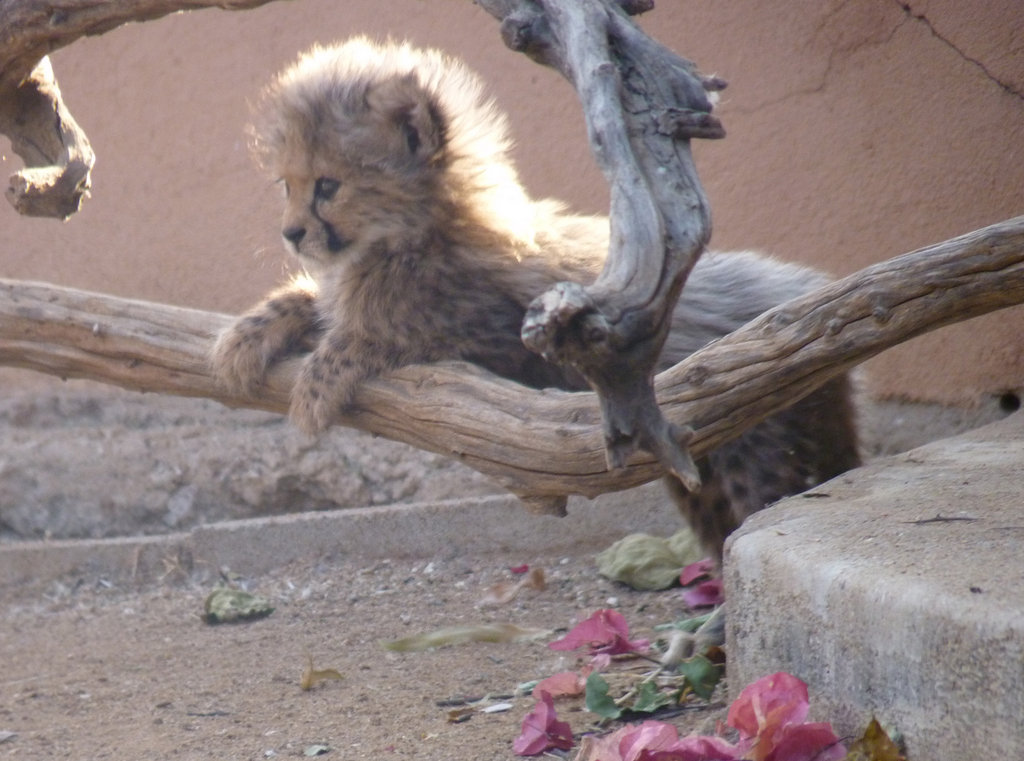
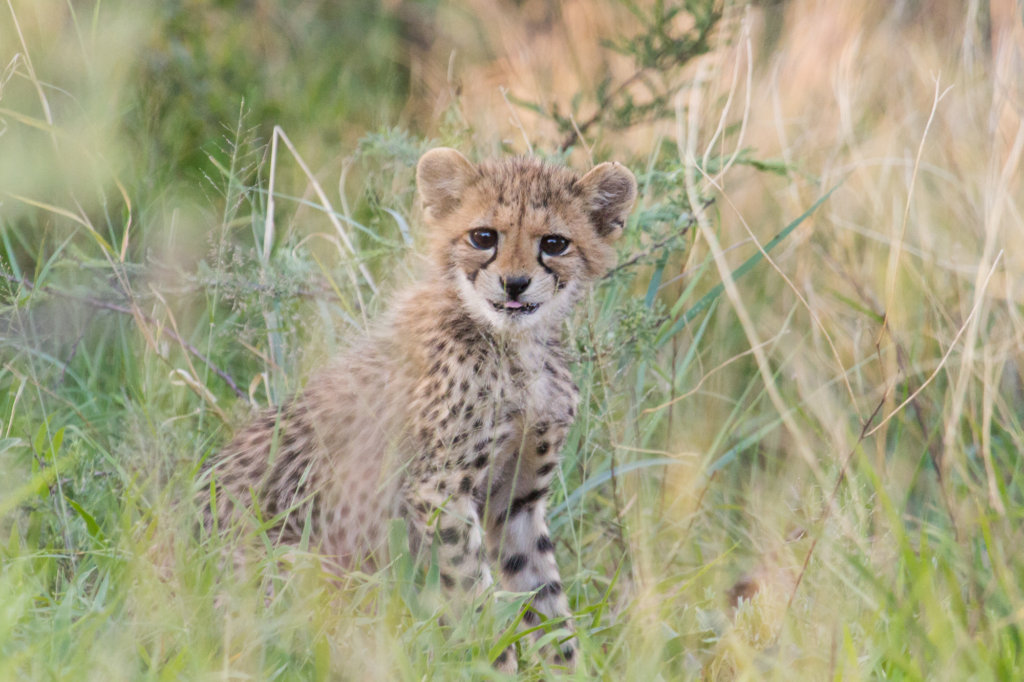
CCF is happy to report that Zinzi and her four cubs are beating the odds and all are doing well.
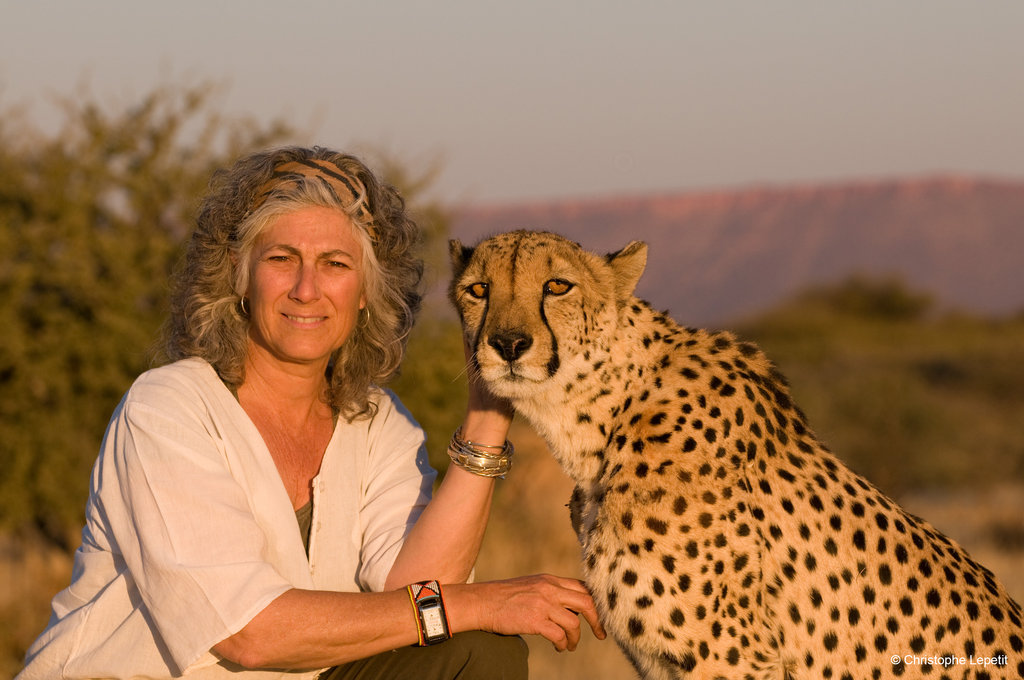
“It’s hard to believe it’s already been five months since they were born. I just got to see them last month for the first time, and it was so great!” said Dr. Laurie Marker. “They are back on CCF land after venturing off property, living now in the Little Serengeti where there is a lot of wild game.”
According to her satellite-tracking collar, Zinzi has done some major moving with her cubs in recent weeks. For safety, she has been moving her cubs to new nests each night, traveling up to 15 kilometers during the wee hours. The two male and two female cubs are faring well, because at their age life is all fun and games. But it is exhausting work for Zinzi, who must hunt during the day, leaving her only a few hours each morning to sleep. Hers is an example of the Cheetah Supermom in action
Jacomina’s Cubs Get Satellite Collars
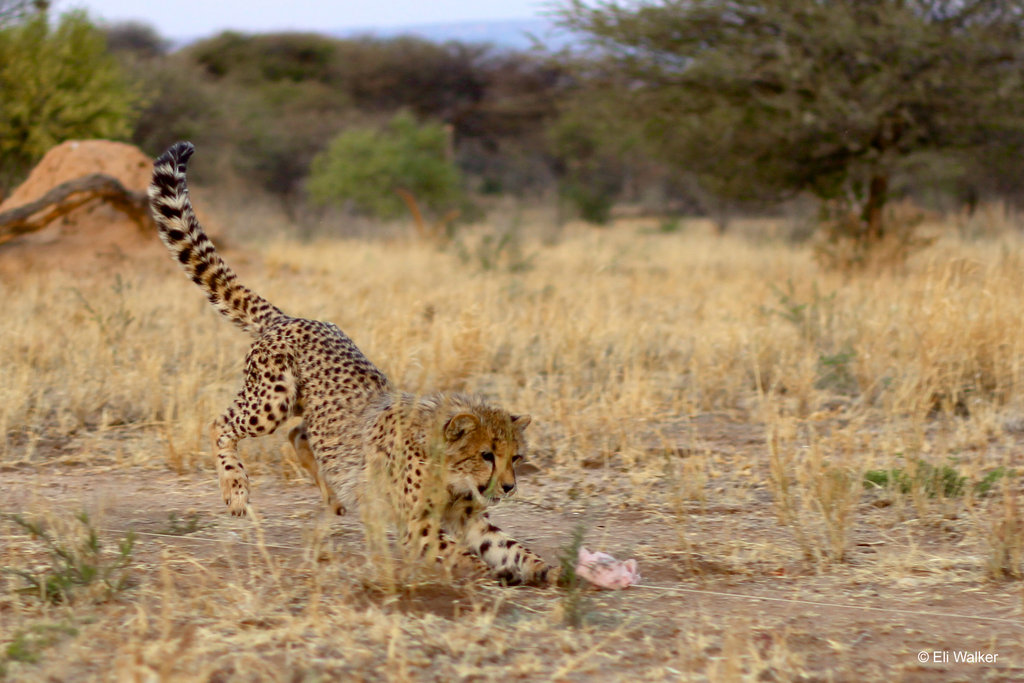
Back in the beginning of February, CCF staff with a news crew from CNN’s Inside Africa in tow ventured to Erindi Game Reserve to place satellite collars on Shandy and Savannah, the adolescent sisters born to rewilded cheetah Jacomina. The 20-month old cats were wearing VHS collars from age six months, but the new collars will enable CCF researchers to better track their movements.
“I am pleased to report both girls are in good health,” said Dr. Laurie Marker. “They are together now, but will probably separate in about four months when they begin mating. The collars will help us see what is going on with their social lives. We are learning that cheetahs have a matriarchal-dominated society. It’s very interesting, and we hope we will learn a lot from these two young females.”
(watch out Tiger Mothers, the Cheetah Mothers might displace you).
It’s Not All About Cheetahs
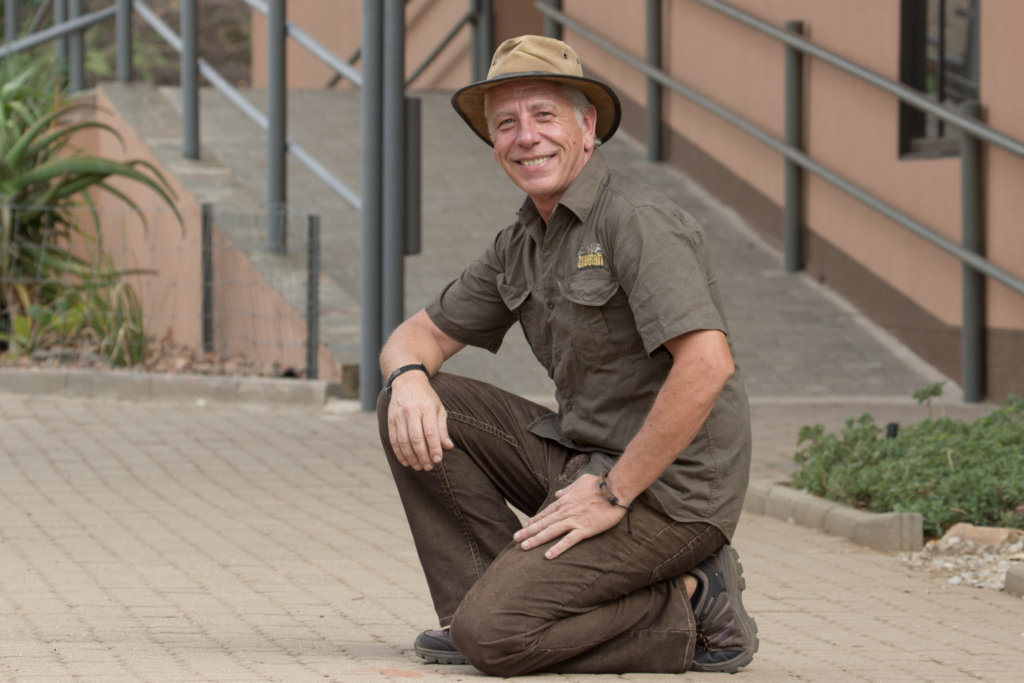
For one month beginning in late January, CCF Operations Manager Brian Badger hit the road on an international awareness building tour and goodwill mission taking him to more than a dozen zoos across the U.S. and the UK. The purpose of his trip was to communicate with the general public and zoo staff about CCF’s programs and holistic approach to conservation. Along the way he fortified relationships with some of CCF’s old friends and even made some new ones.
“It’s amazing how many people’s eyes were opened at the zoos – the keepers, the directors, and everyone else, Sure, the Bushblok program has obvious benefits, helping the environment and helping wildlife, but there is economic value in Bushblok, in creating jobs and in helping form a whole new biomass industry,” said Brian Badger. “It’s exciting to see people getting it, making the connection in their minds. Now we hope they will become good at communicating about it, so they can in turn inform their audiences. They were surprised at first, but now they understand when I say it’s not all about cheetahs.”
Badger’s U.S. tour landed him in chilly Washington, D.C., where he was given a warm reception by a group of CCF supporters before embarking on the first stop of his tour. Highly sought-after as a guest by the zoos, Badger’s busy itinerary took him through the Midwest, across the south and parts of Florida, before winding up back in the Mid-Atlantic region where he began.
“I’ve lectured at college and universities, at zoos and other events before, and I’ve also presented on TV and been a guest on radio, so I am very comfortable in this public speaking role. My aim is to educate people from around the world on the workings and goals of frontline conservation. It’s not al doom and gloom, there are successful things going on. There is potential for the future,” said Badger.
Badger was thrilled to get to peek behind the scenes at so many zoos, from the smaller community and independent zoos to the larger, better-funded zoos. His favorite event was a pre-Valentine’s Day program at The Maryland Zoo in Baltimore titled “Sex at the Zoo,” exploring unique mating rituals in the animal kingdom. “The crowd had a few drinks by the time I spoke, so they were very receptive to my humor,” added Badger.
Badger’s trip afforded him a number of personal firsts. Among them his first Uber experience (“the driver, she was very nice, very personable and cheaper than a cab,” remarked Badger), his first shrimp Po’ Boy, in Jackson, Mississippi (“delicious”) and his first $20 hamburger (“tasted like three bucks”).
“After 30 years in the conservation world, I have come to believe that real conservation, conservation that succeeds and is sustainable, requires a group of people who bring a diverse set of skills cutting across many disciplines. Today’s modern zoos have many talented people working on their staffs. We need zoos to play a part in our conservation strategies, to educate audiences and to bring their talented staffs to the fight.
Links:
Project reports on GlobalGiving are posted directly to globalgiving.org by Project Leaders as they are completed, generally every 3-4 months. To protect the integrity of these documents, GlobalGiving does not alter them; therefore you may find some language or formatting issues.
If you donate to this project or have donated to this project, you can receive an email when this project posts a report. You can also subscribe for reports without donating.



Support this important cause by creating a personalized fundraising page.
Start a Fundraiser