By Yvonne Wallace Blane | Co-founder
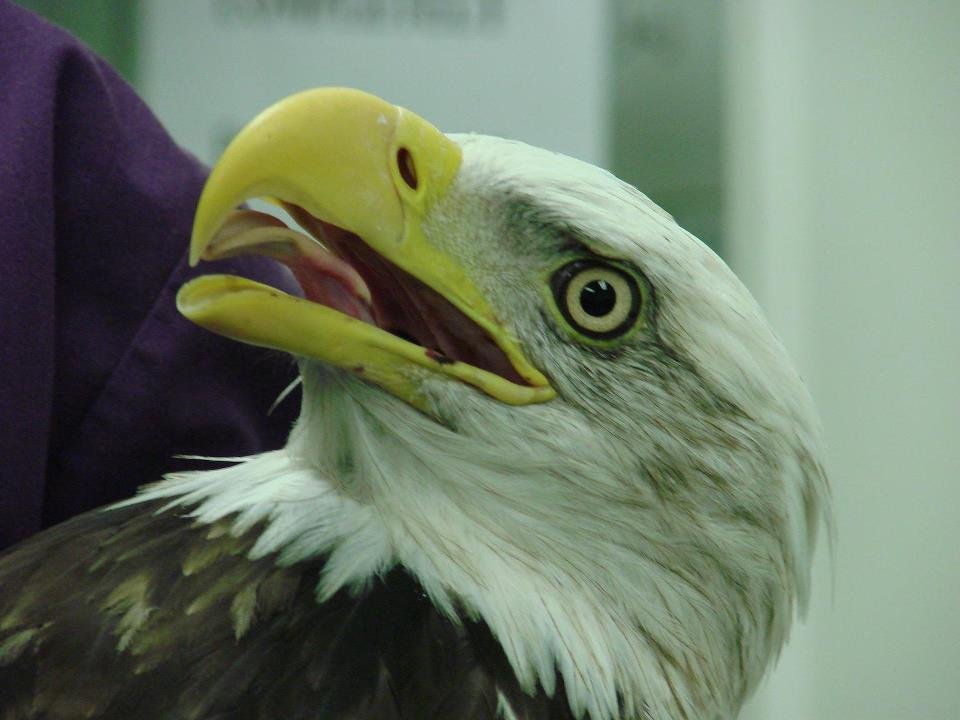
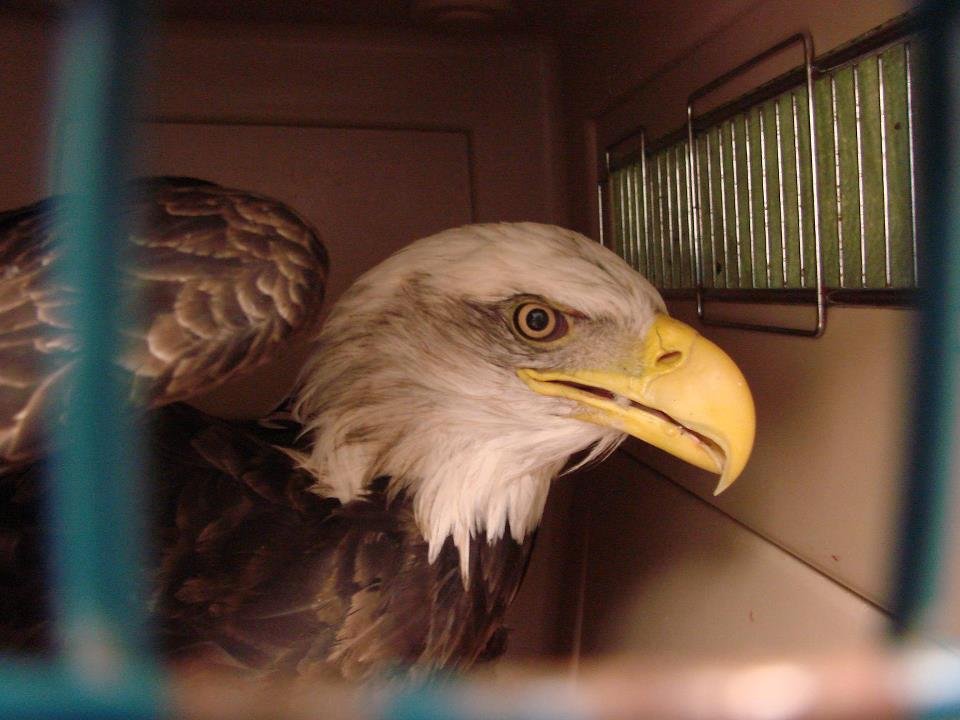
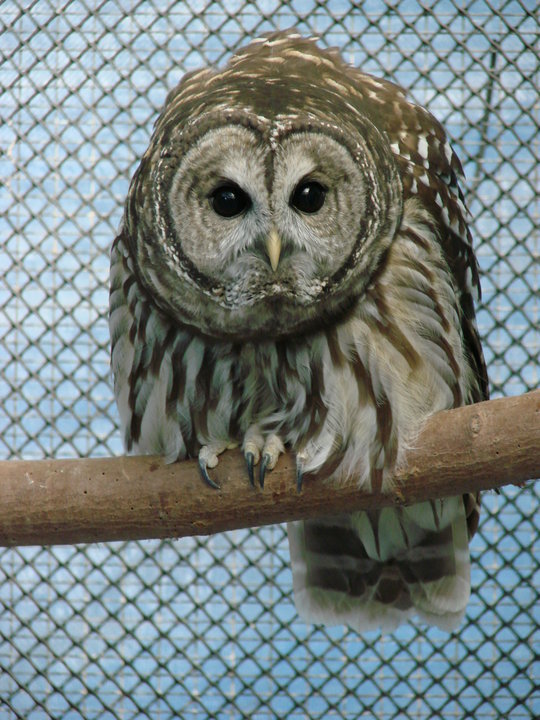
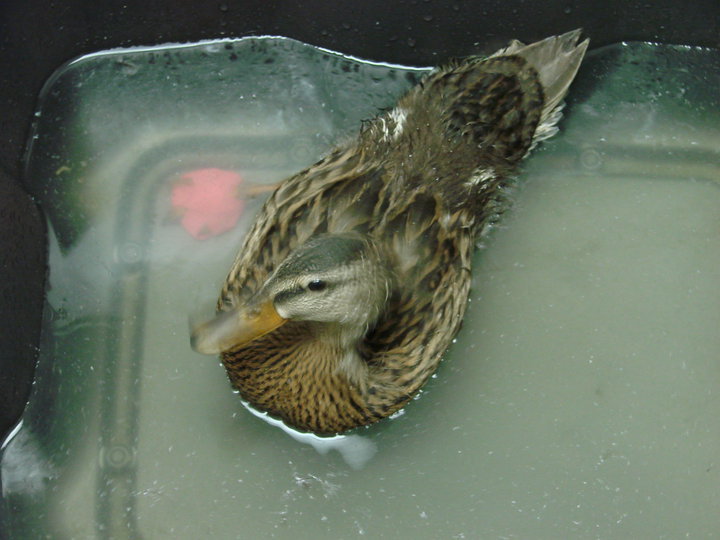
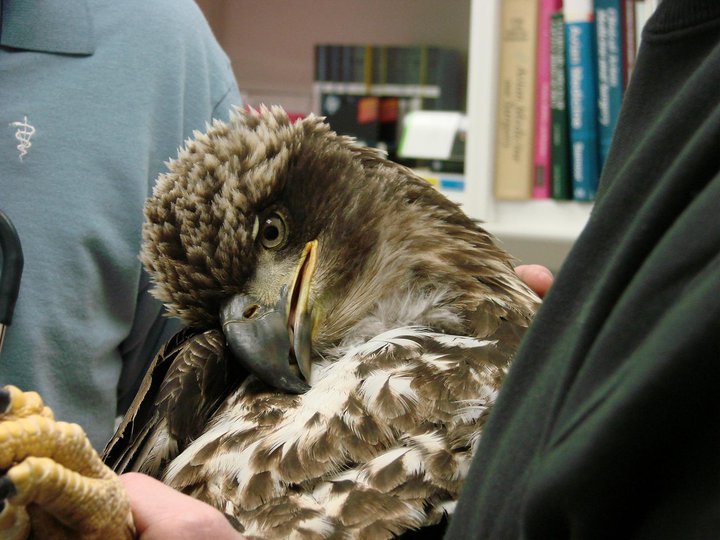
It can be difficult to look at our new patients sometimes, not because we cannot see them, but because their injuries or afflications are so severe.
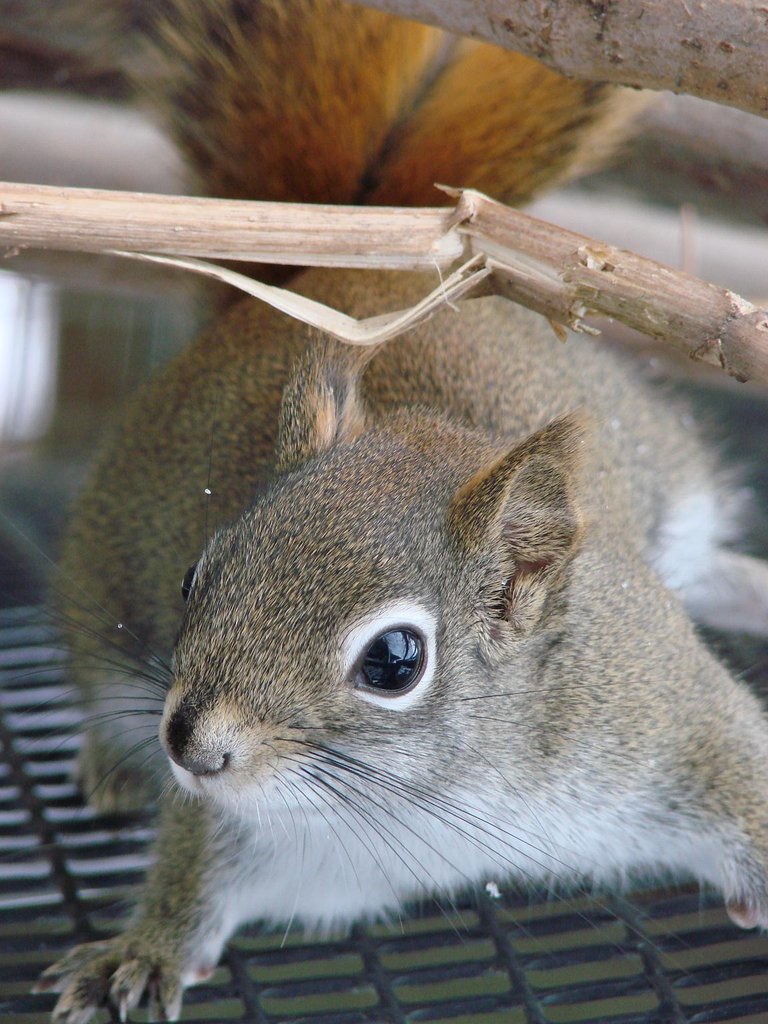
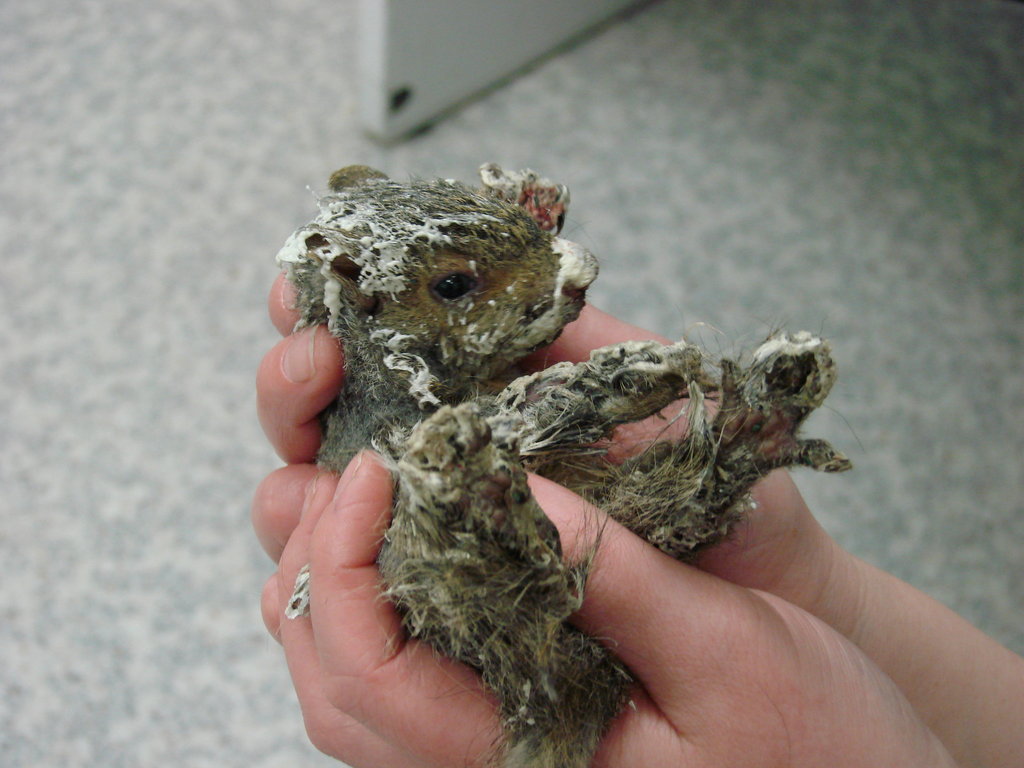
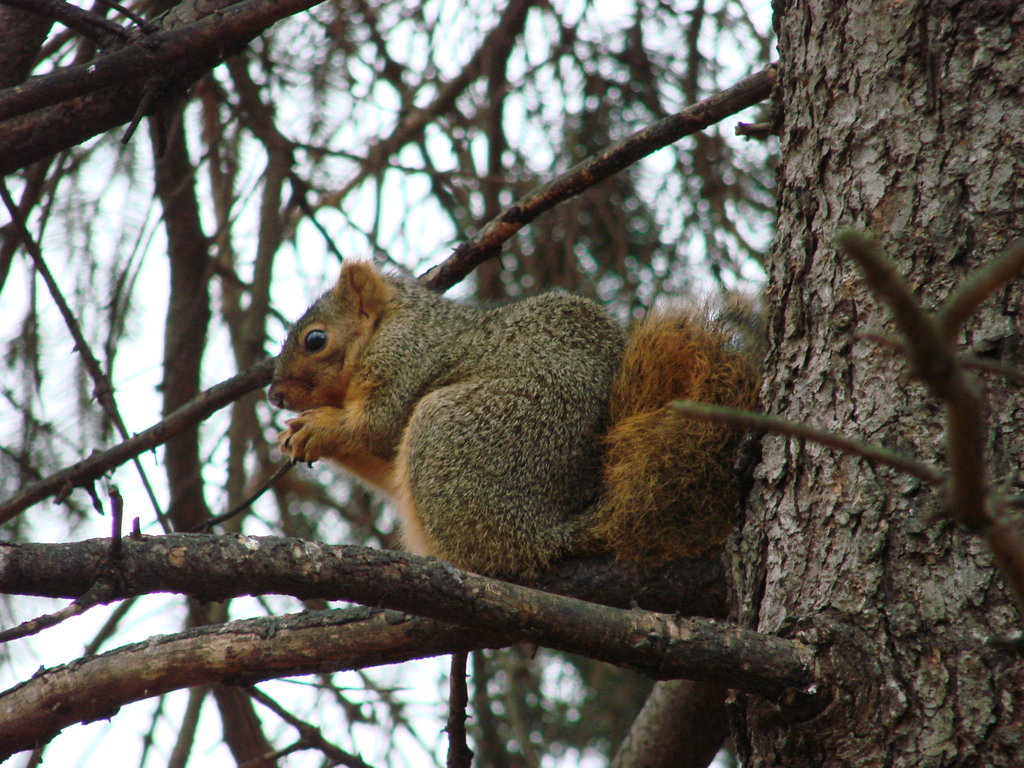
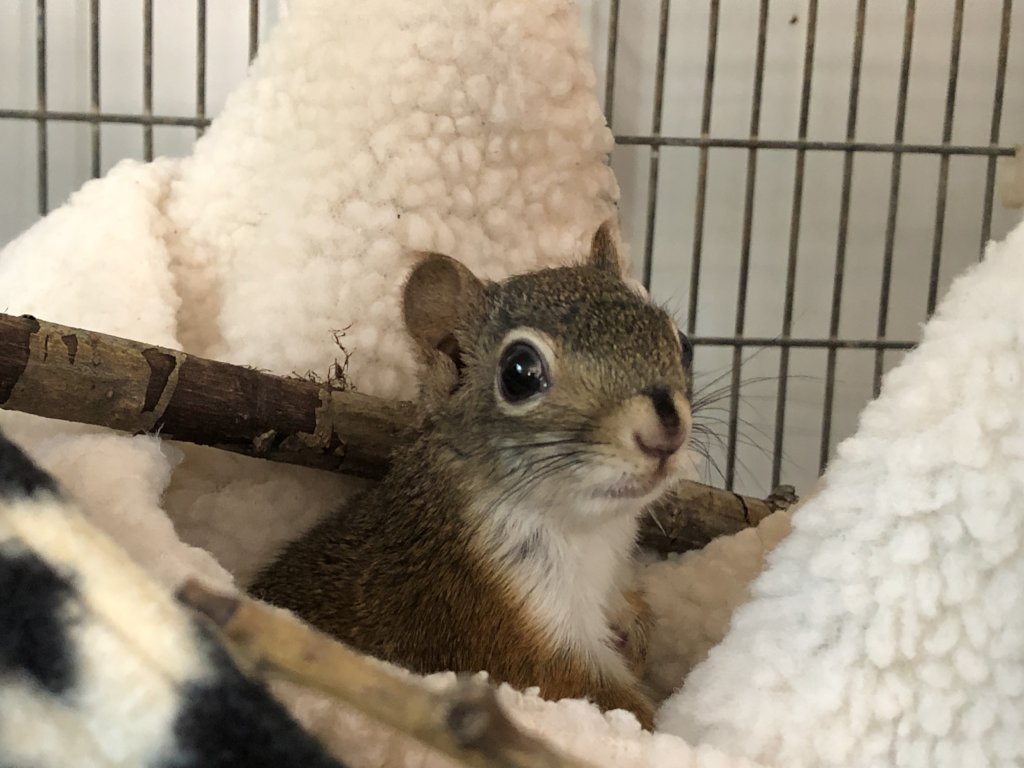
"Pixie" was named by the child who pointed her out to her mother. The sad adult female squirrel was suffering, covered in oozing sores and swollen bumps that threatened her eyesight and her very survival.
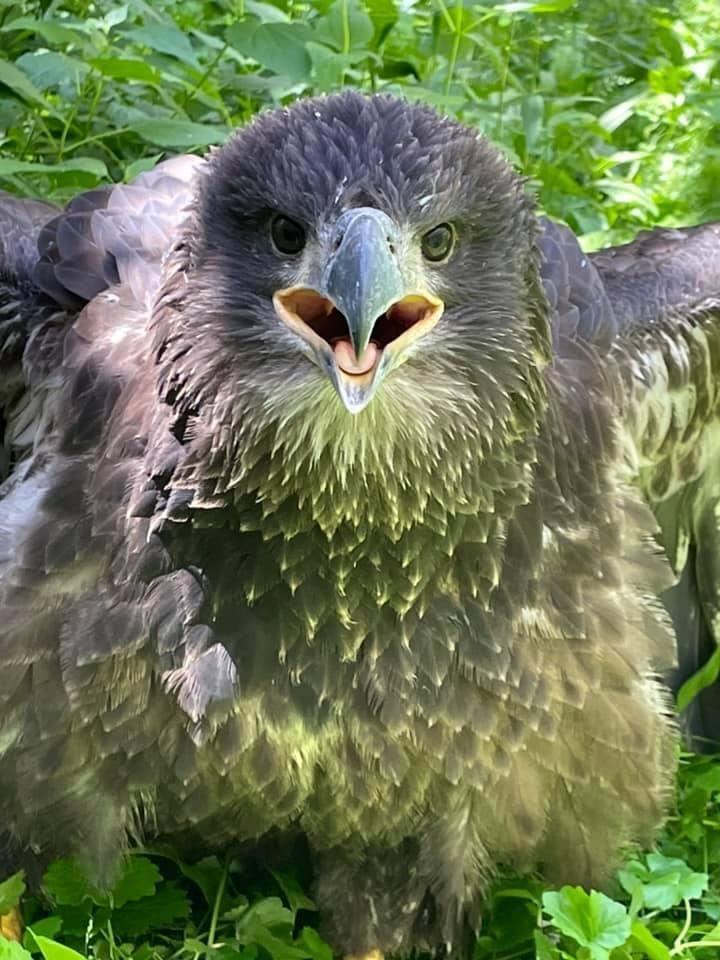
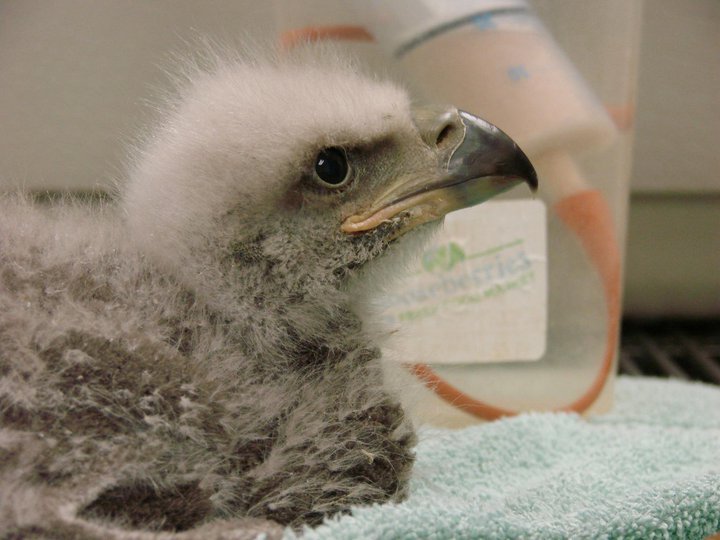
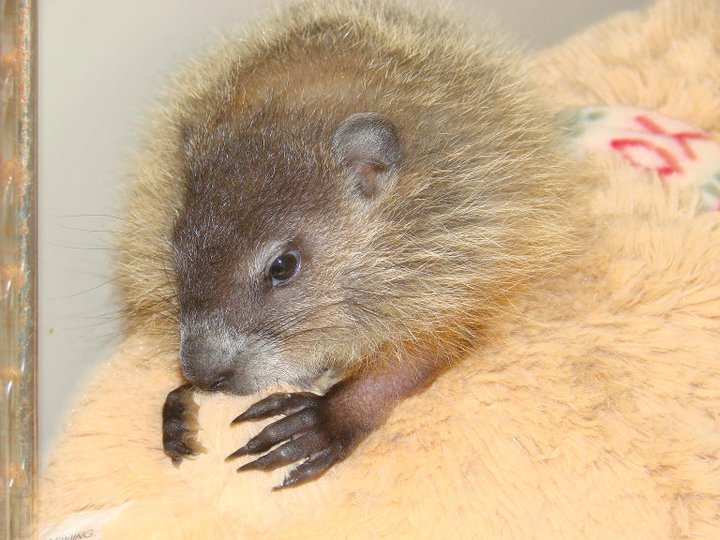
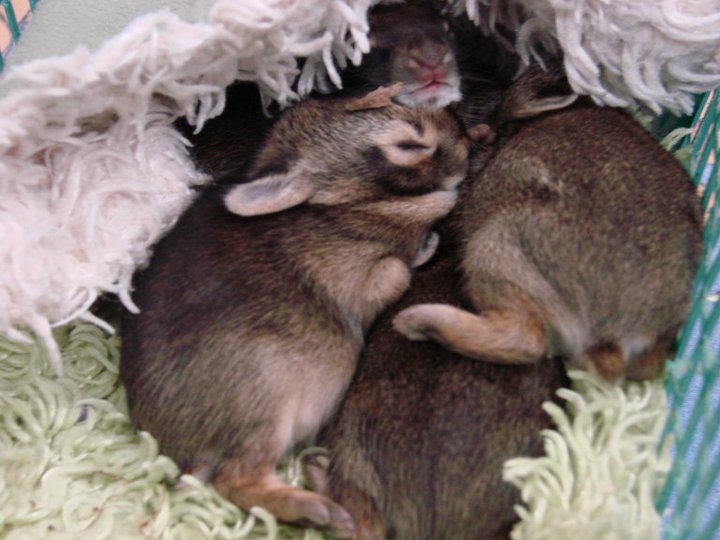
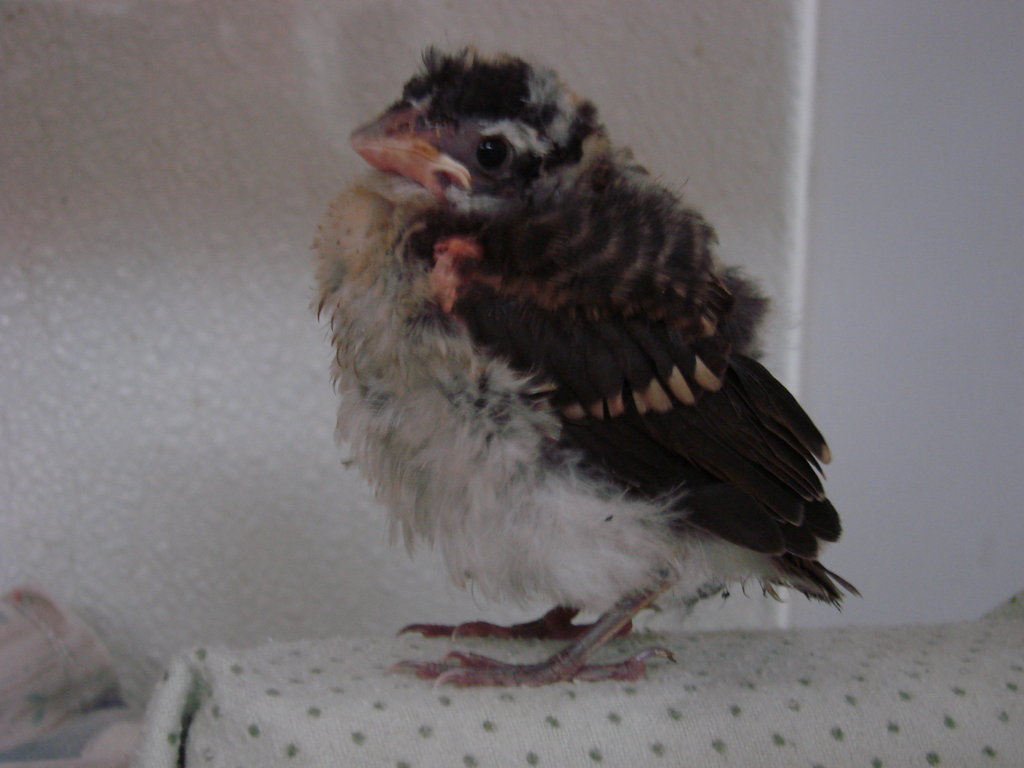
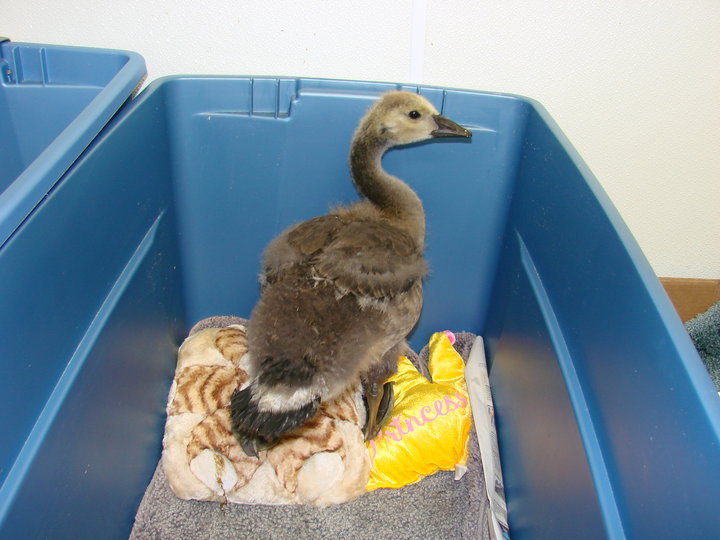
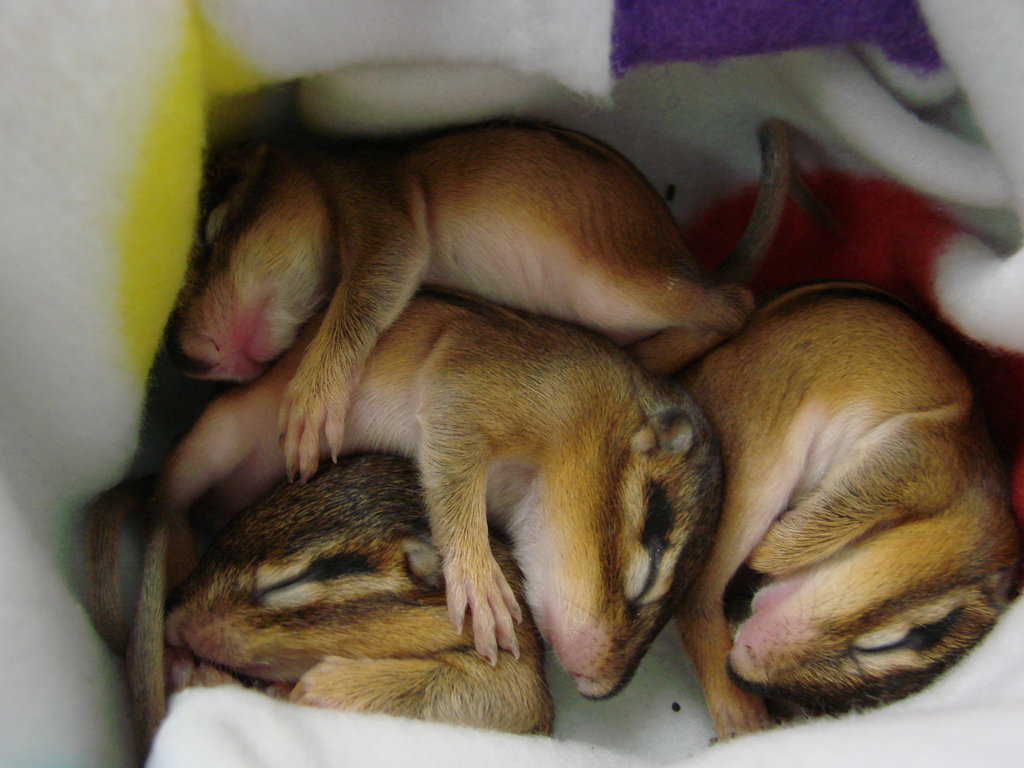
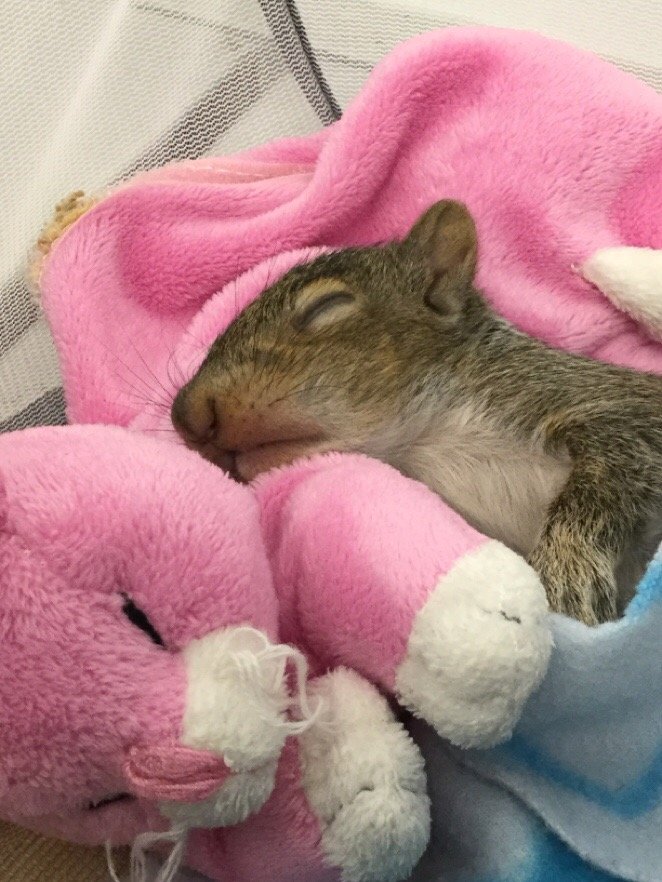
Wildlife rehabilitators admit a greater number of debilitated orphaned animals than we do injured adults. With hydration, good nutrition, time, and care, the majority of these orphans are released back to the wild.
Statistics skew against animals with conditions like Pixie's, however, because wild ones are adept at surviving even traumatic injuries until they are nearly past helping.
Pixie's condition is known as "squirrel pox," or squirrel fibroma virus. The virus occurs naturally in the wild environment and is transmitted by mosquitos and other biting insects. While it might be mild in a very healthy individual, it can be severe if the animal is compromised in any way. There is no treatment for the condition, except to give the individual time, along with plenty of nutritious food, shelter, clean bedding, and safety which can result in complete healing. We have also found that Vitamin E supplementation helps ease the discomfort and aids healing.
Much of our work is repetitive--never mundane, but necessarily done over and over for days, weeks, months - in Pixie's case it was over one winter. In that time, it is a joy that makes everything else worthwhile to watch the healing that is possible when a wild one is given a chance.
At Fellow Mortals, we don't euthanize unnecessarily. We believe every life is unique and precious. If an animal is suffering and that suffering cannot be alleviated, or if there is no hope of release after rehabilitation, we make that difficult decision. Otherwise, we believe that wild beings, like ourselves, would choose a chance at life.
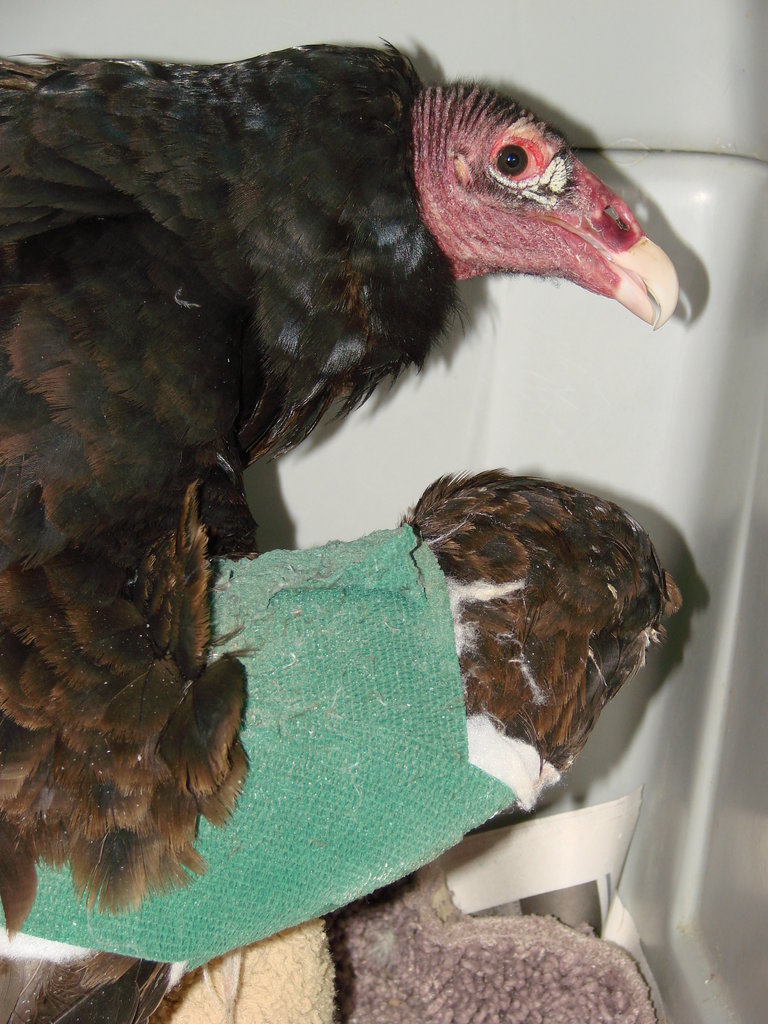
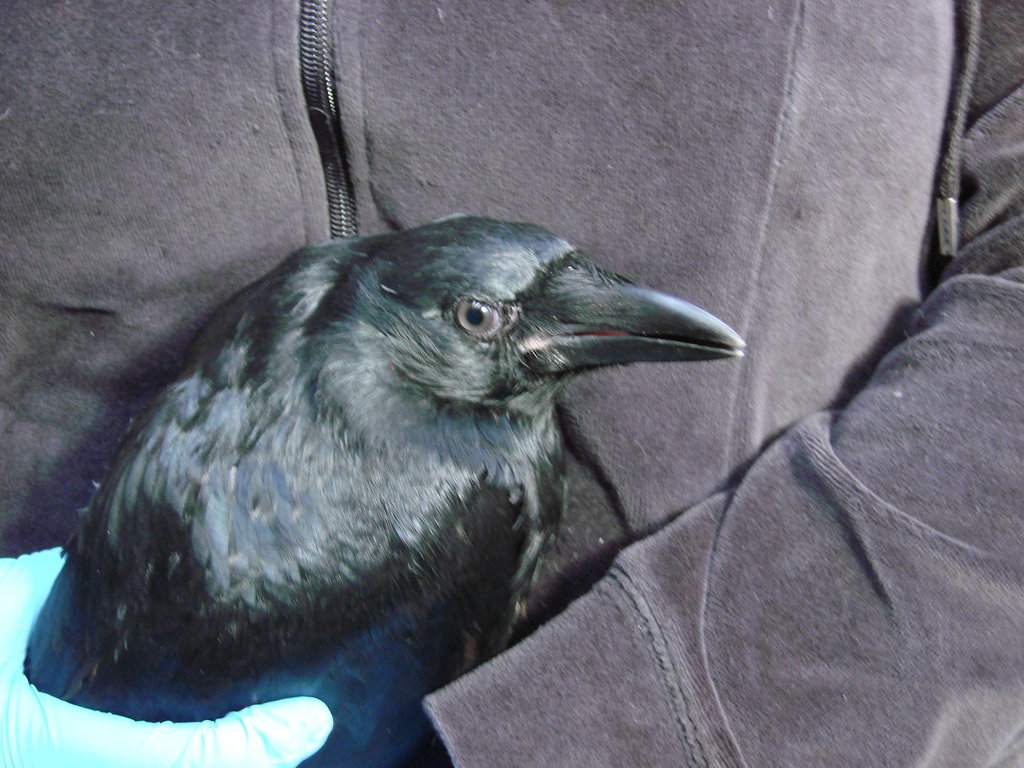
Pixie is just one of many injured birds and adults we have seen over the last 40 years, but she will always be a special memory for me, and a reminder that an organization's philosophy doesn't mean anything unless it is put into practice.
Thank you to our recurring donors who help a new patient every month, and thank you to those of you who decide to make a difference today for the next special patient like Pixie.
Project reports on GlobalGiving are posted directly to globalgiving.org by Project Leaders as they are completed, generally every 3-4 months. To protect the integrity of these documents, GlobalGiving does not alter them; therefore you may find some language or formatting issues.
If you donate to this project or have donated to this project, you can receive an email when this project posts a report. You can also subscribe for reports without donating.



Support this important cause by creating a personalized fundraising page.
Start a Fundraiser