By Yvonne Wallace Blane | Co-founder
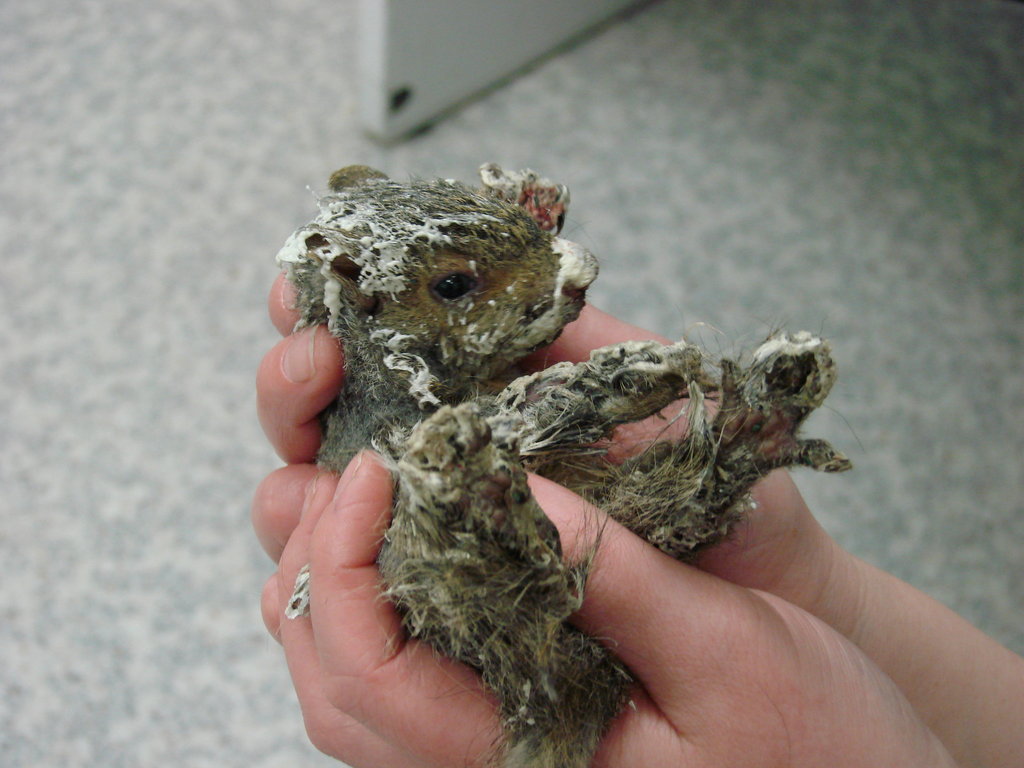
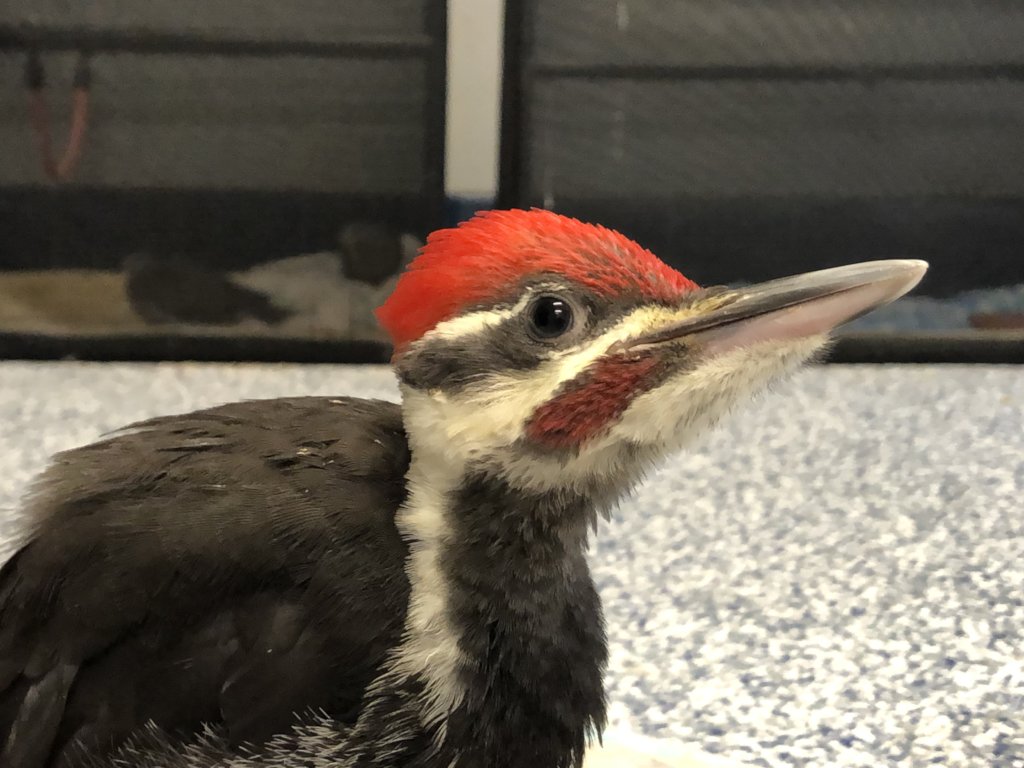
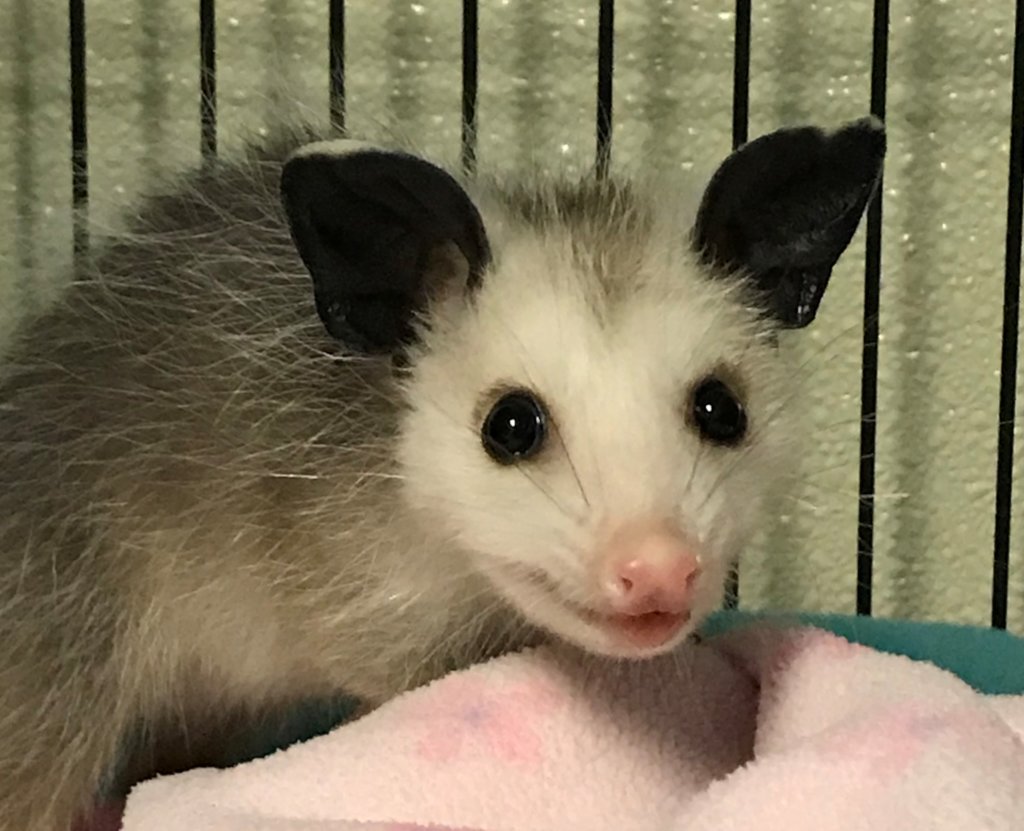
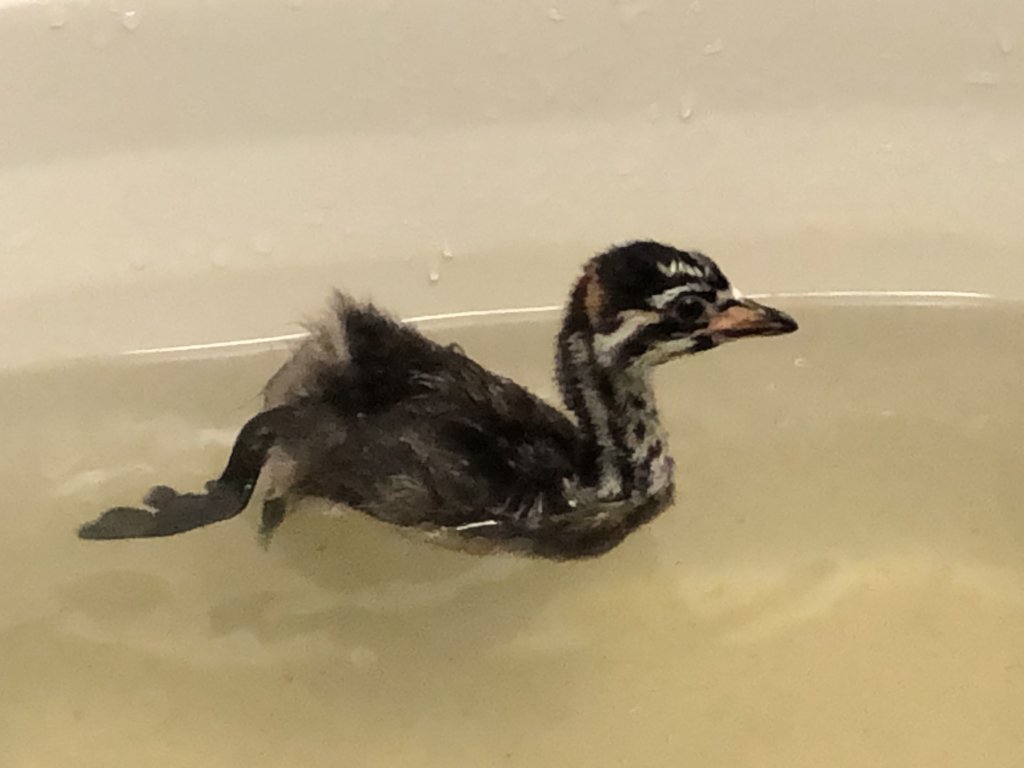
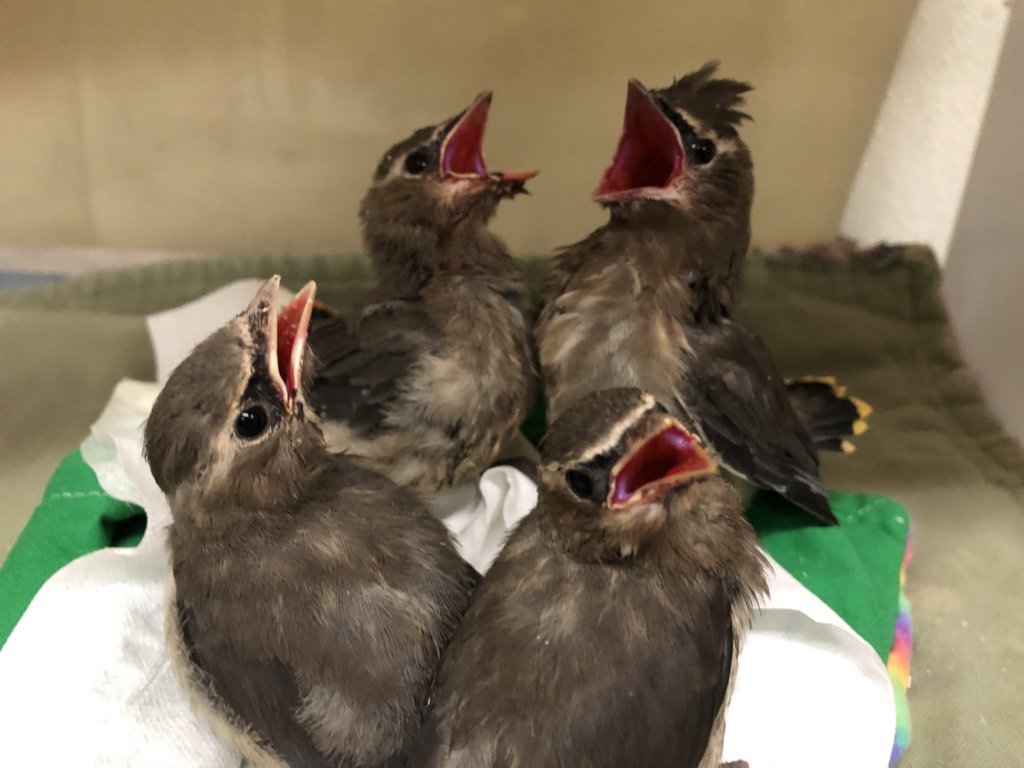
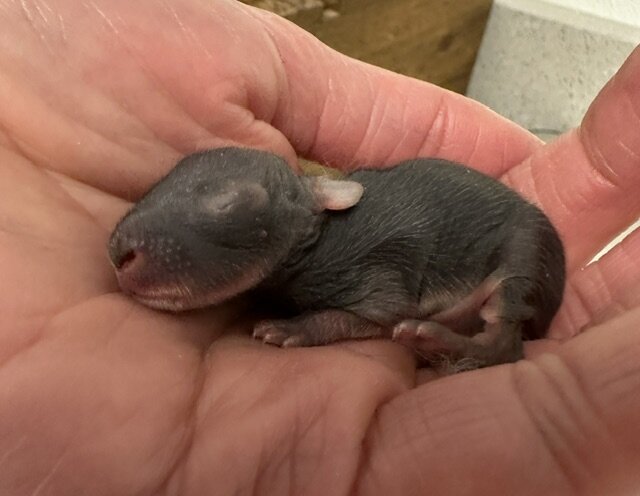
Many of you have experienced the despair that comes with seeing forests or fields that have existed for decades be destroyed in a matter of hours or days. Like me, I am sure you worry about the wild ones suddenly displaced, babies literally thrown from nests when a chainsaw tears into a tree or a bulldozer rips open a den. In a world where even humans are often powerless to make their voices heard, the wild ones are especially vulnerable, but they have been resilient, thus far.
The good news is that, despite habitat loss, emerging diseases, and other anthropogenic-linked change, like the “iron hand in the velvet glove," many wild populations remain strong, and this should give us hope.
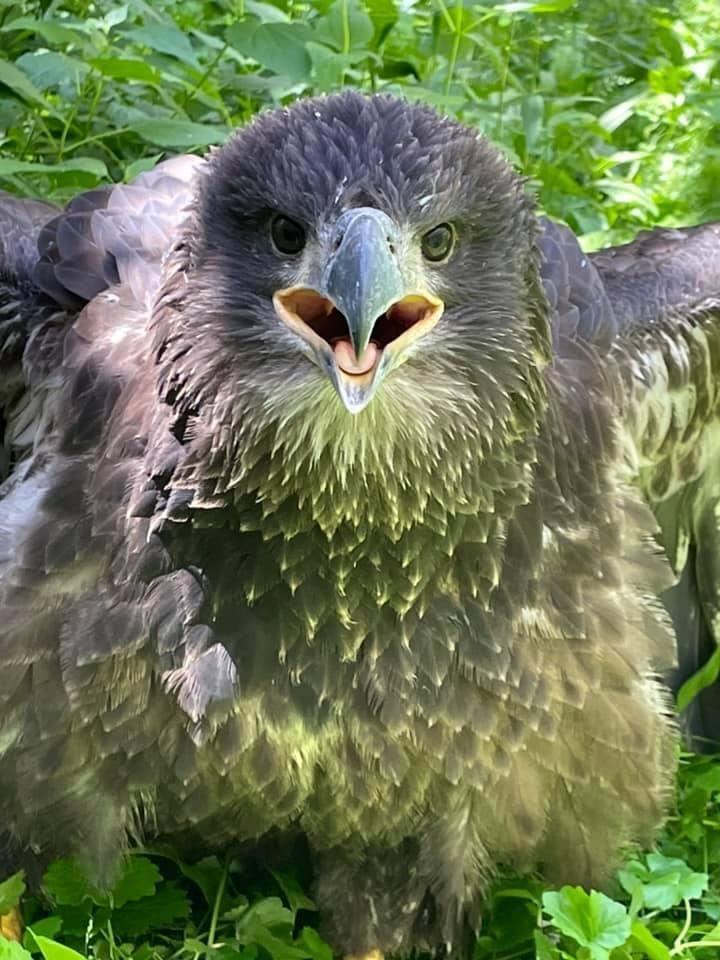
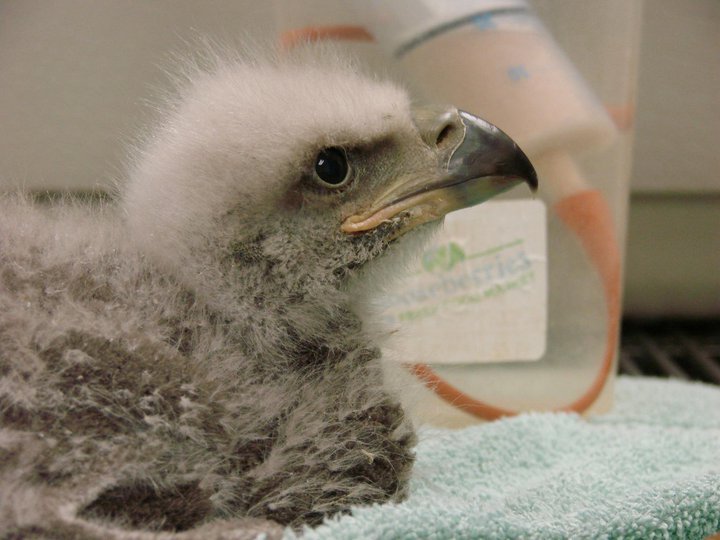
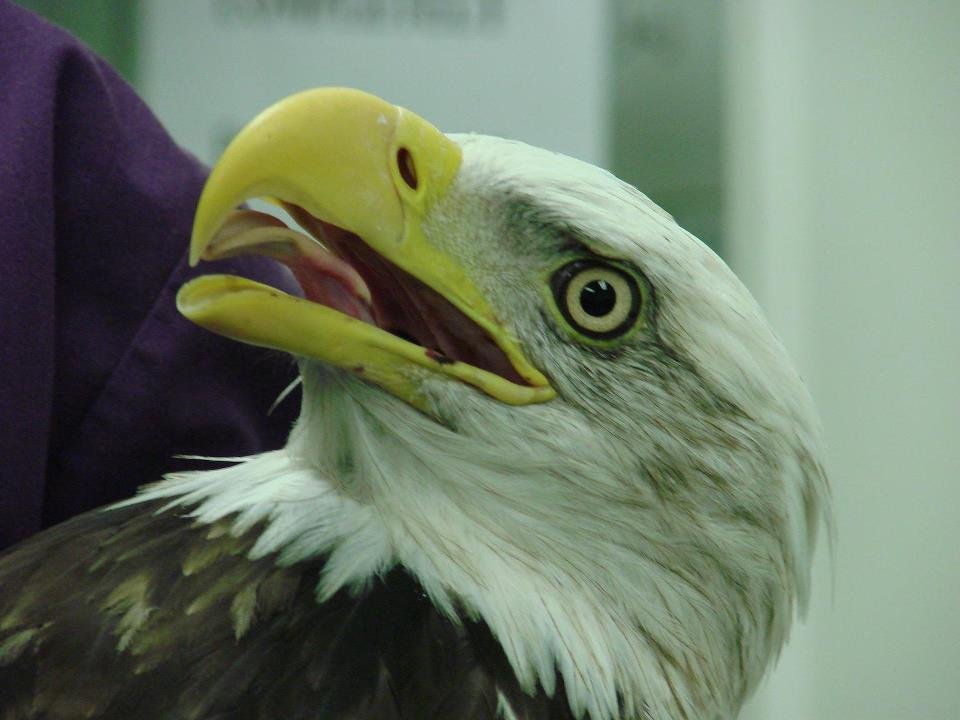
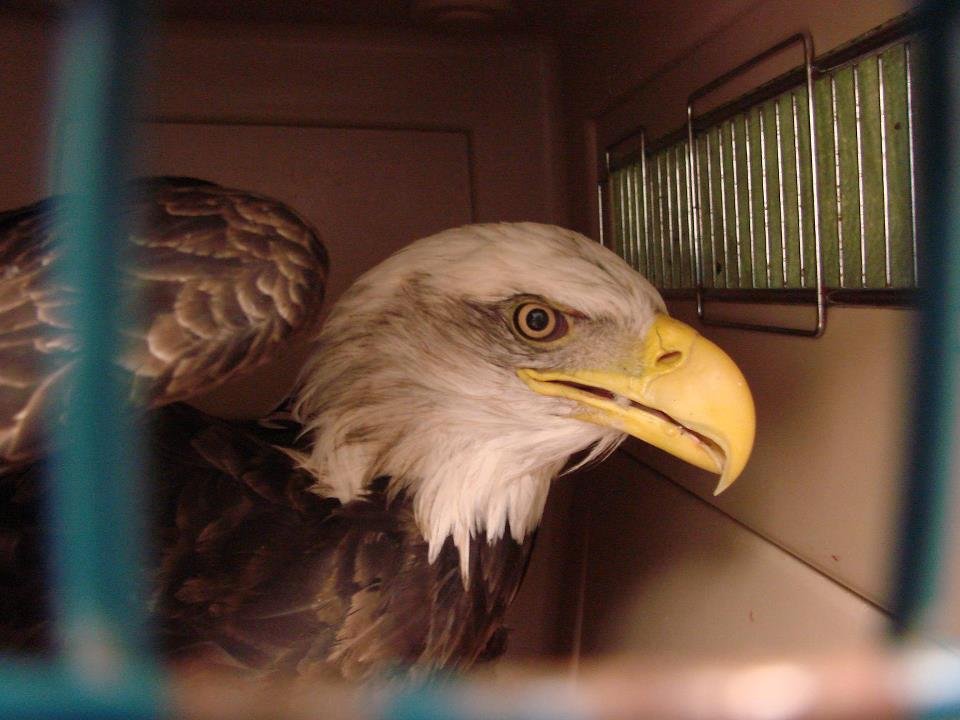
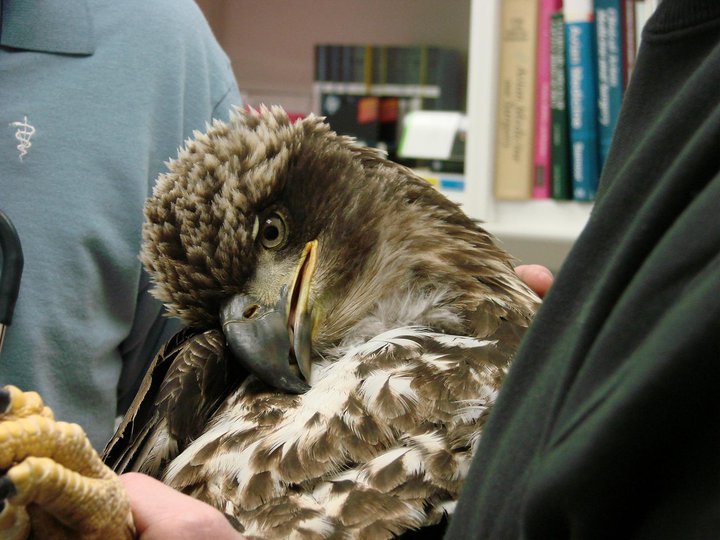
When we admitted our first bald eagle in 2000, she was banded by Sergei Postupalsky, one of the wildlife biologists responsible for identifying DDT as the cause of population collapse in raptor species including bald eagle and osprey; today there are 14 active eagle nests in our county alone, and Wisconsin has the fourth highest bald eagle population in the nation.
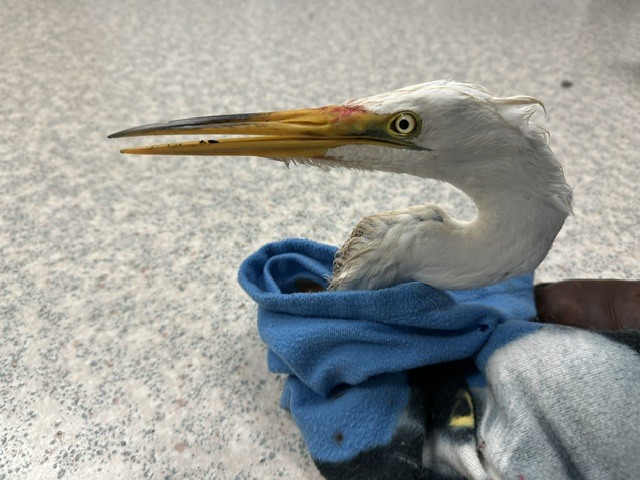
The first white pelican we admitted in 1997 was an anomaly, yet they have now nested in Wisconsin for over 30 years and migrate through our area every spring, hundreds of them gracing nearby lakes for a few days on their journey north.
The wild ones are doing their best to adapt to habitat loss and change, but they still need our help. Wild populations will continue to move when they are pushed, expanding their ranges whenever possible, but there must be habitat suitable for the species to inhabit, which is why preservation of what remains is critical. This preservation is just as critical for humans, for what would the world be like without wild places and the company of our non-human fellow mortals.
In order to continue to help the wild ones who come to us for care and those we hope will never need us, we need suitable habitat for release, properties that allow wild populations to interact naturally, but which are protected from dangers related to human use, which is why we have started a sister organization called "Arthur's Woods."
Property gifted to us or funds used to purchase property for wildlife sanctuaries will never be hunted, never be developed, and will always be used for the benefit of any free-living wildlife who enters or who is released there after rehabilitation at Fellow Mortals. As of June 2026, three properties are in use for this purpose.
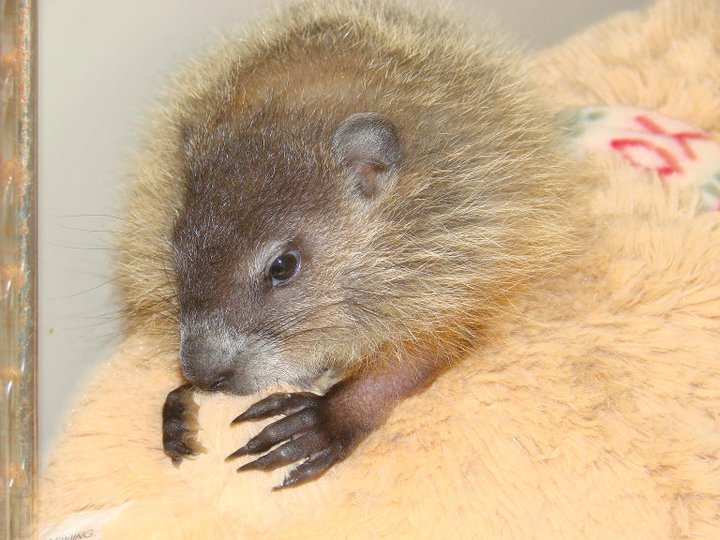
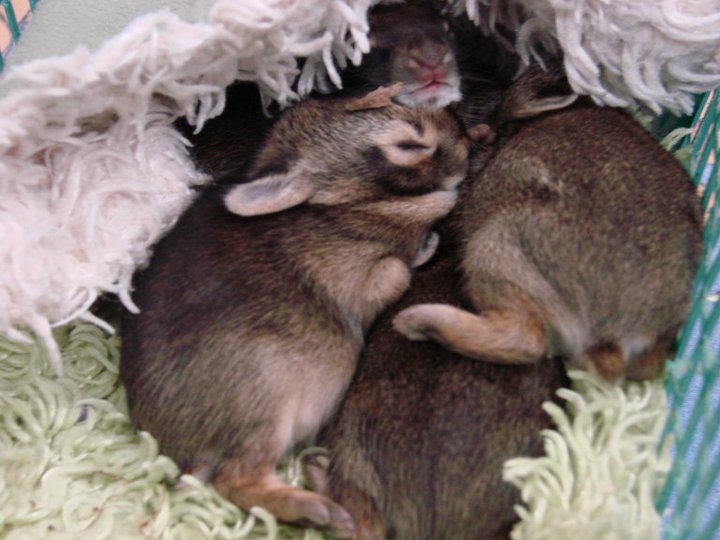
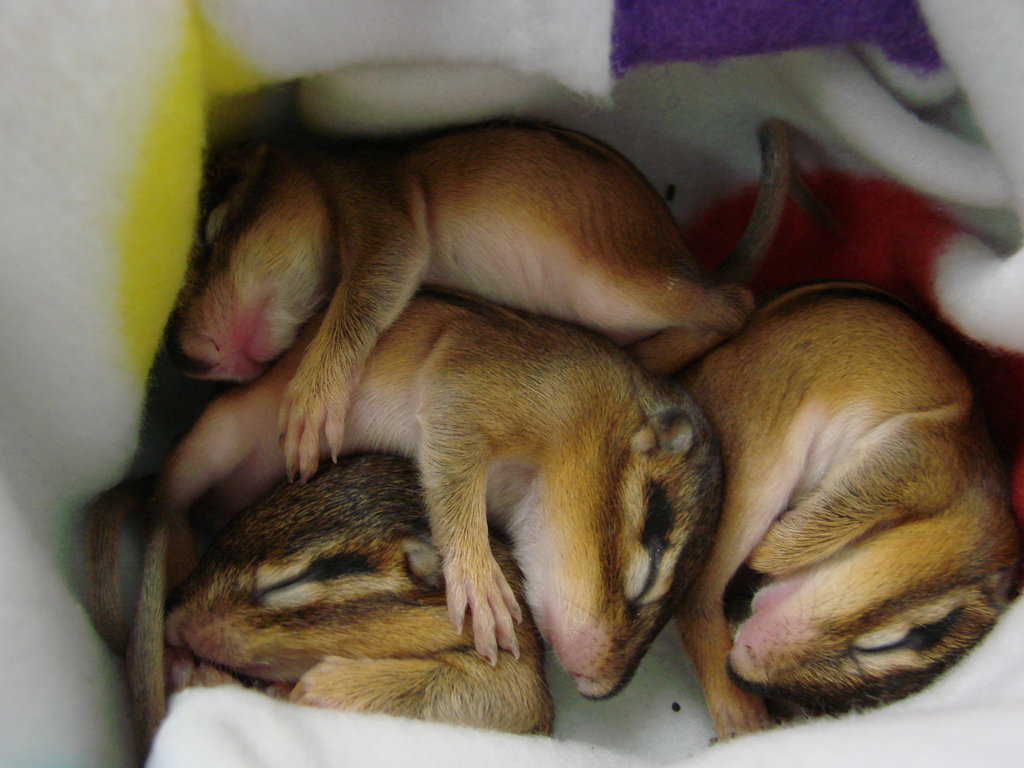
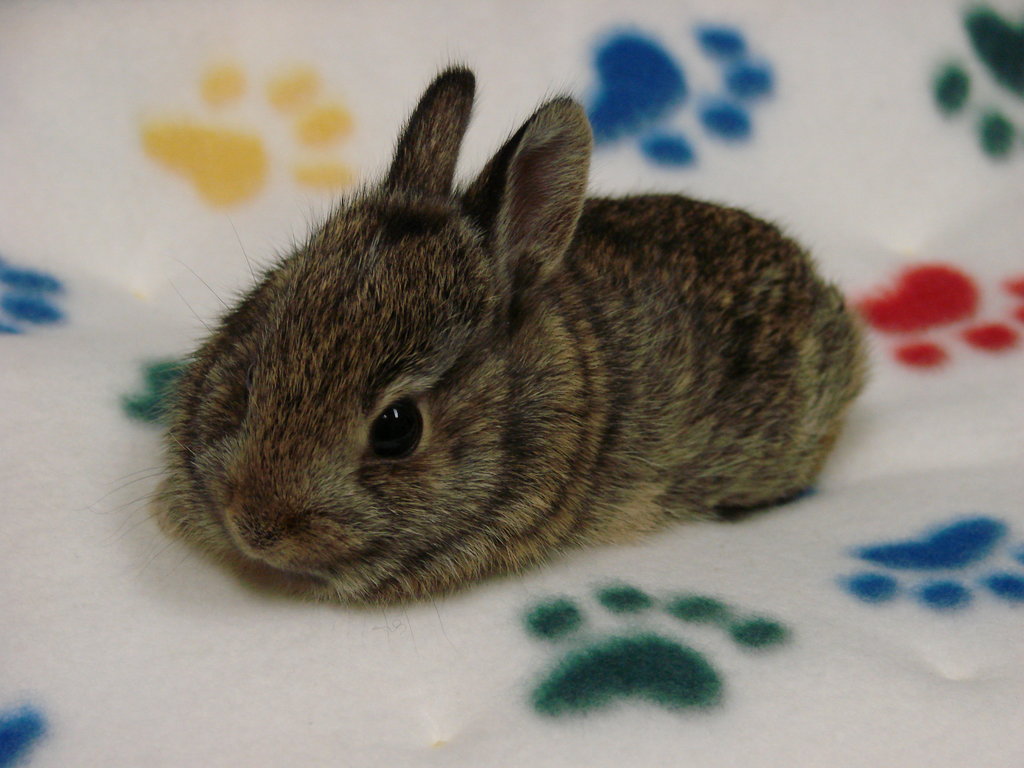
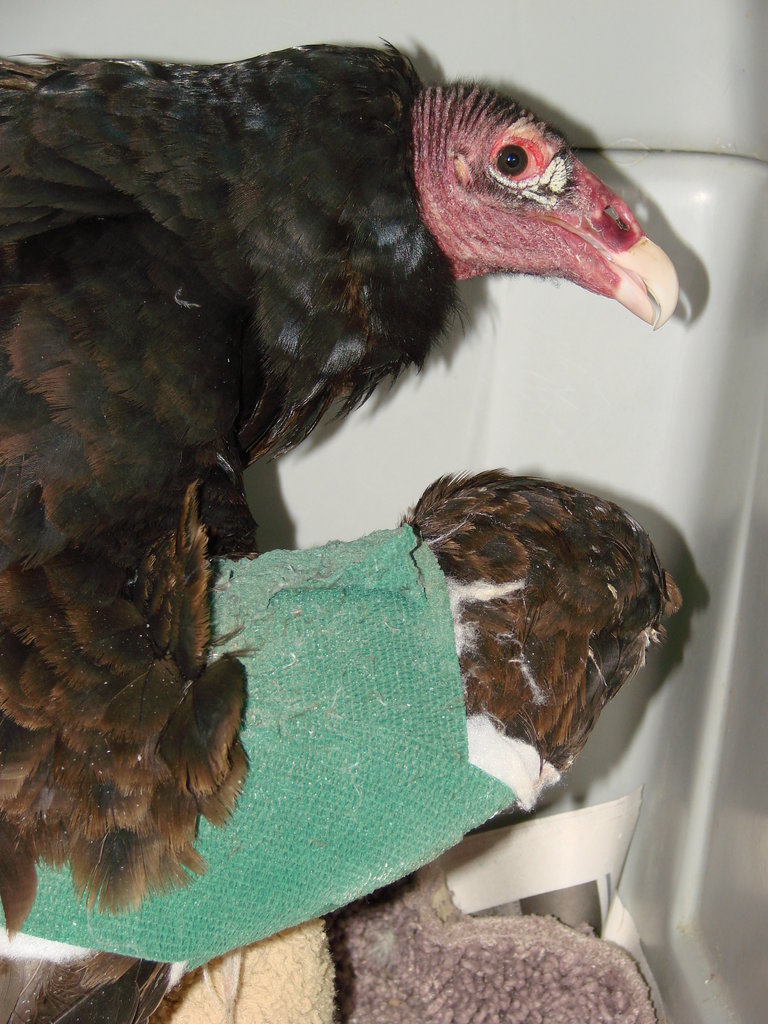
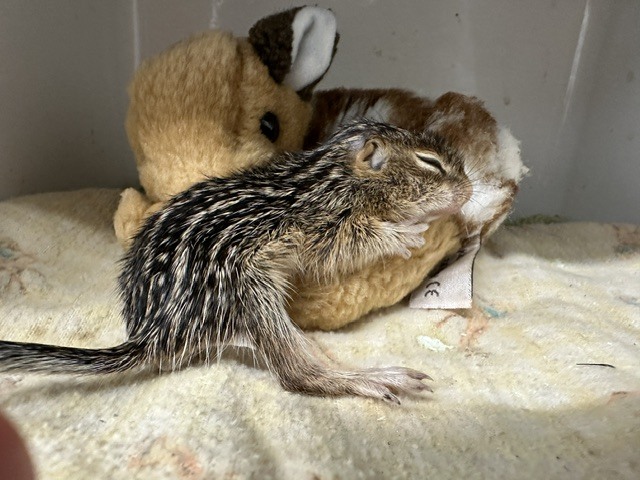
We have already admitted 1100 animals this spring and it is not even the end of June, but thanks to the support of our community, our Team Hope donors from GlobalGiving, and the gifts of property for release habitat, the individual wild ones admitted to our care will return to keep their populations strong.
If you are interested in learning more about donating property or funds to purchase property for habitat, please reach out so we can tell you more.
In the meantime, thank you for your part in making so many happy endings possible.
Links:
Project reports on GlobalGiving are posted directly to globalgiving.org by Project Leaders as they are completed, generally every 3-4 months. To protect the integrity of these documents, GlobalGiving does not alter them; therefore you may find some language or formatting issues.
If you donate to this project or have donated to this project, you can receive an email when this project posts a report. You can also subscribe for reports without donating.



Support this important cause by creating a personalized fundraising page.
Start a Fundraiser