By Kali L Kirkendall | Executive Director
Blue Atlas Project
Spirulina Initiative – Uganda
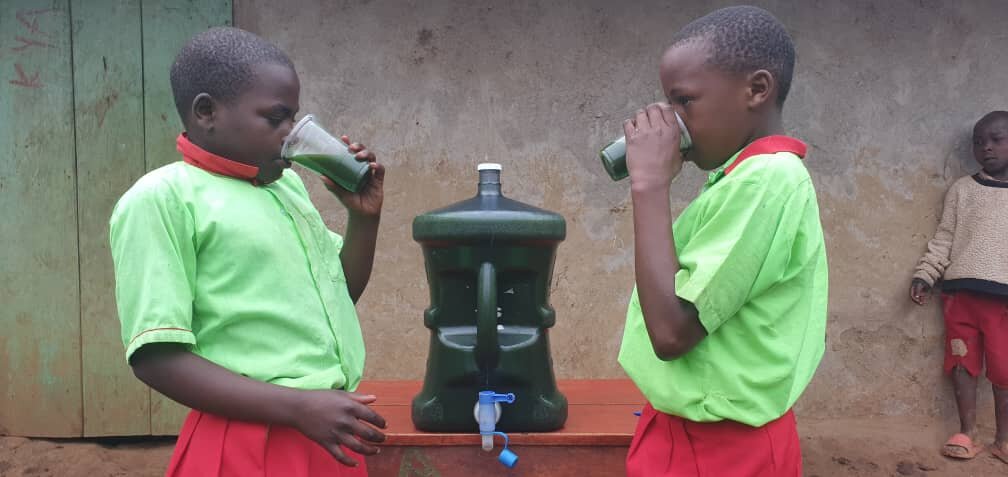
Through its partnership with the Spirulina Development Institute (SDI) in Western Uganda, the Blue Atlas Project is expanding access to nutrient-dense spirulina to schoolchildren, vulnerable households, refugee communities, and—beginning September 2025—families and orphaned children in Byumba Village.
This integrated nutrition program strengthens food security, supports child and community health, and provides consistent, locally grown supplementation to populations facing chronic nutritional gaps.
Production & Farm Status
Daily Production
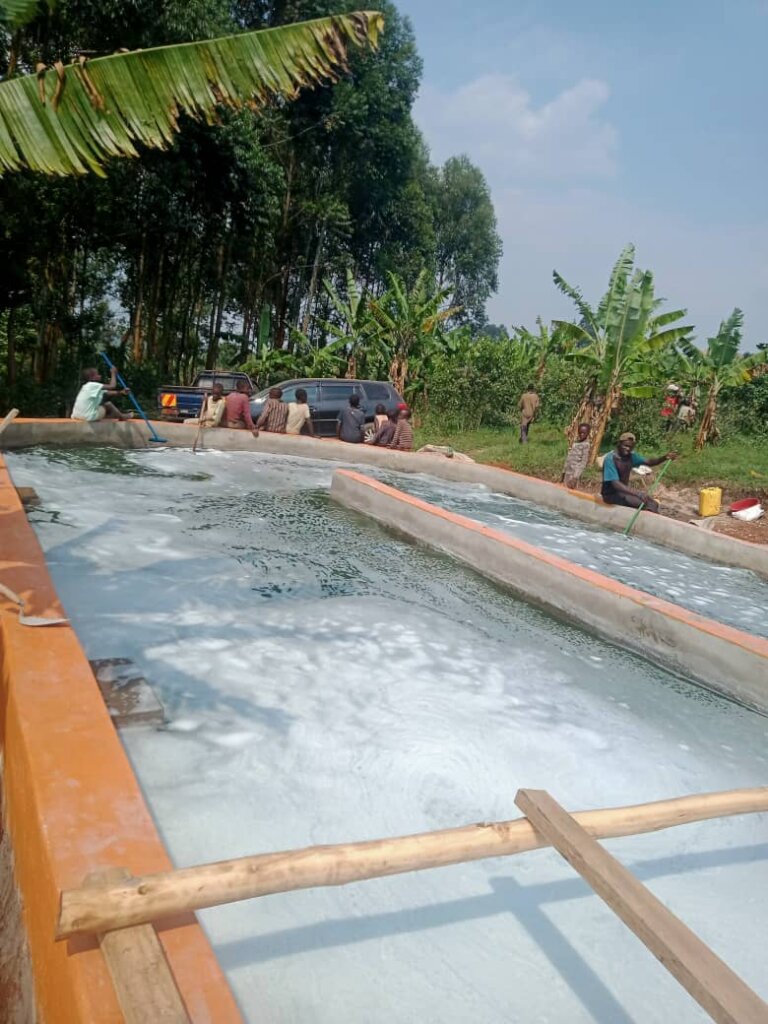
SDI currently produces 5.5–7 kg of dried spirulina per day, depending on weather.
Annual Production Capacity
At peak output, the farm produces approximately 2,184 kg per year.
Current Stock
SDI reports adequate ongoing production with regular harvesting. (A specific stock count can be added upon request.)
School Nutrition Program
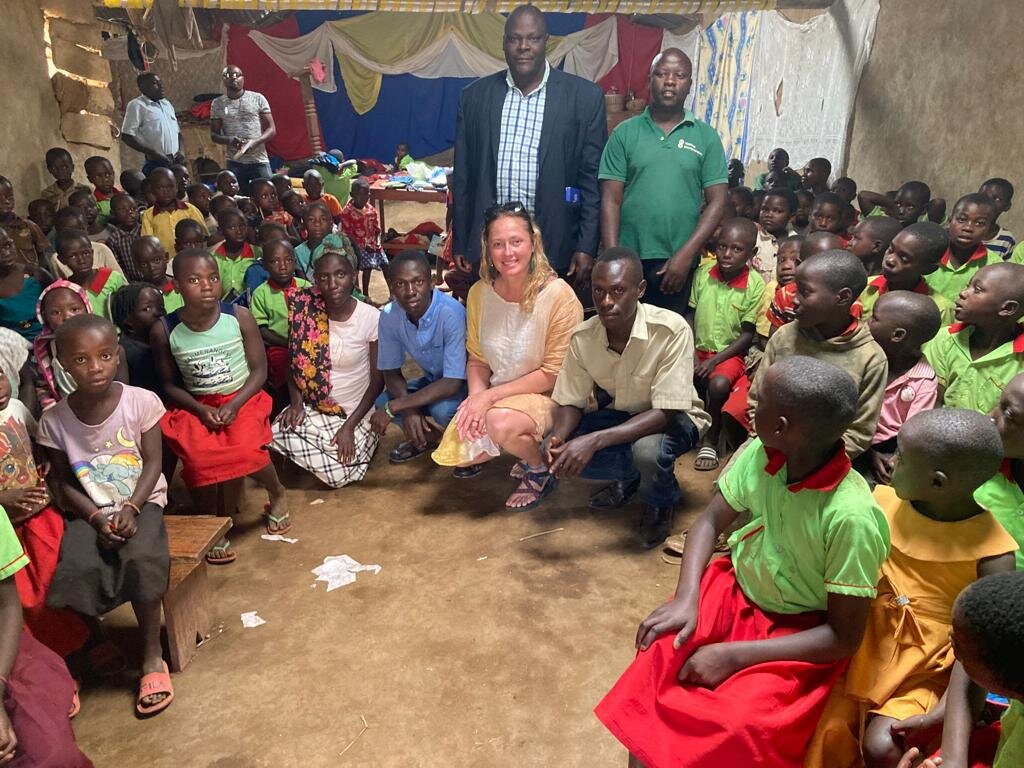
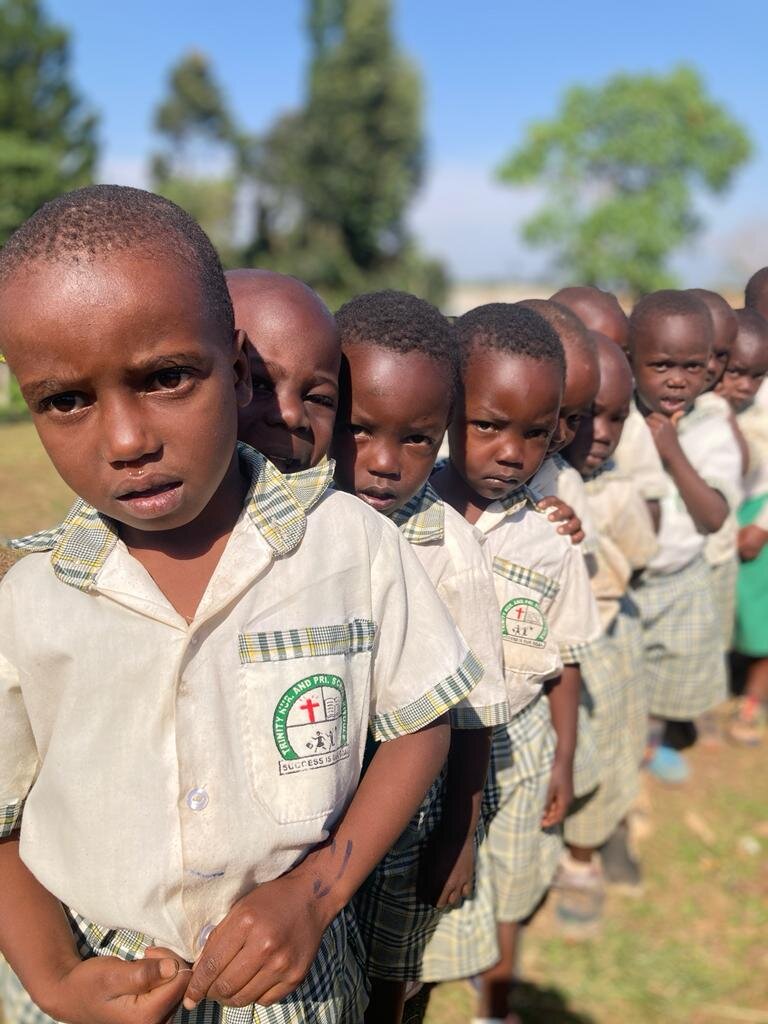
Blue Atlas supports spirulina distribution across seven schools, reaching 2,416 students. Schools receive allotments of spirulina bi-monthly to ensure continuity across the 3-term academic year.
Schools Receiving Spirulina
Annual Allocations
Across all seven schools, SDI provides 1,297 kg of spirulina per year.
School Student Population Annual Allocation Per-Term Allocation
Trinity Primary. 358. 183 kg 60.8 kg
Muhanji Primary 518 280 kg 93.3 kg
St. Francis 183 99 kg 33 kg
Kyanika 277 150 kg 50 kg
St. Xavier Model 439 237 kg 79 kg
Kigoyera 506 276 kg 92 kg
Busiriba 132 72 kg 24 kg
TOTAL 2,416 1,297 kg 432.1 kg per term
Distribution Schedule:
Bi-monthly distribution throughout the nine-month school year.
Refugee & Community Outreach
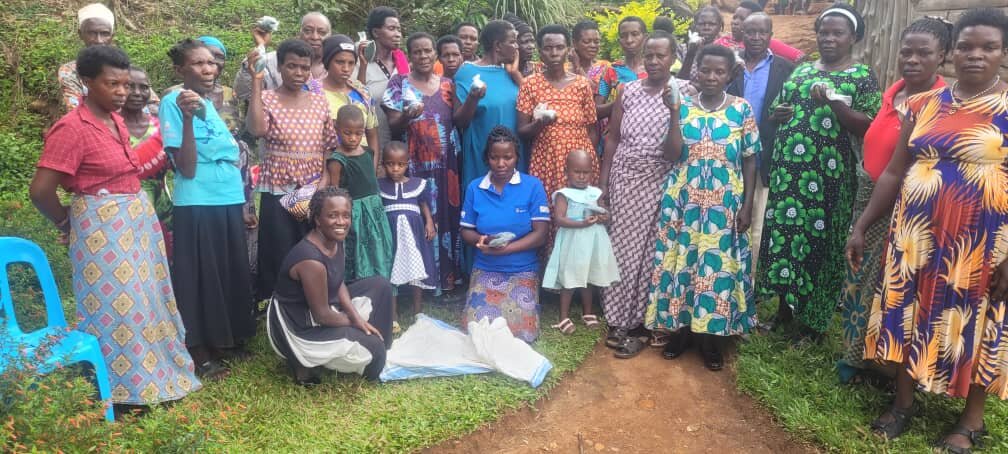
Blue Atlas and SDI allocate spirulina to refugee settlements and neighboring communities experiencing chronic food insecurity and malnutrition.
Communities Reached
Total Households: 323
Estimated Individuals: 323 × 4 = 1,292 people
Monthly Allocations
Distribution Schedule:
All groups receive spirulina three times per week, with monthly distribution conducted through local coordinators.
Byumba Village Program – Spirulina Supply & Allocation
In September 2025, the Blue Atlas Project expanded spirulina support to Byumba Raising Orphans and the Needy in Byumba Village. This new program directly targets individuals affected by chronic illness, malnutrition, disabilities, and extreme vulnerability—including 178 beneficiaries, among them pygmy community members.
Health Conditions Targeted
Spirulina is being used to support individuals impacted by:
Dosage & Allocation
Beneficiaries were supported with spirulina using two dosage models:
Duration & Coverage
Early Outcomes & Community Impact
Within weeks of distribution, the Byumba program reported significant improvements:
Spirulina is rapidly becoming a transformative health intervention for the Byumba community.
Challenges Encountered
1. Difficulty Dissolving Spirulina
Because the spirulina provided was unmilled, many beneficiaries struggled to dissolve it fully in water. This milling process required electricity that was unreliable, with the expanded solar installation this should be resolved
2. High Demand for Longer-Term Supply
Due to the noticeable health improvements, many recipients requested more supplies.
Response: Additional spirulina was provided only to the most critical cases. Beneficiaries were encouraged to follow dosage guidance and await future program cycles. We will be revisiting allocations by the end of 2025
Program-Wide Impact Summary
Children Reached Through Schools:
2,416 students
Refugees & Community Members Reached:
1,292 individuals
Byumba Beneficiaries:
178 individuals, including orphans, elderly, chronically ill, and pygmy households
Total Spirulina Allocated
Blue Atlas’ total impact continues to expand as outreach capacity grows.
Looking Ahead
The Blue Atlas Project is committed to expanding the Spirulina Development Initiative by:
Your support enables life-changing nutritional access for children, families, and marginalized communities across Uganda. Together, we are building sustainable systems that improve health, resilience, and long-term food security.
Thank you. Sincerely. For helping us do this work.
Cheers,
Kali
Project reports on GlobalGiving are posted directly to globalgiving.org by Project Leaders as they are completed, generally every 3-4 months. To protect the integrity of these documents, GlobalGiving does not alter them; therefore you may find some language or formatting issues.
If you donate to this project or have donated to this project, you can receive an email when this project posts a report. You can also subscribe for reports without donating.



Support this important cause by creating a personalized fundraising page.
Start a Fundraiser