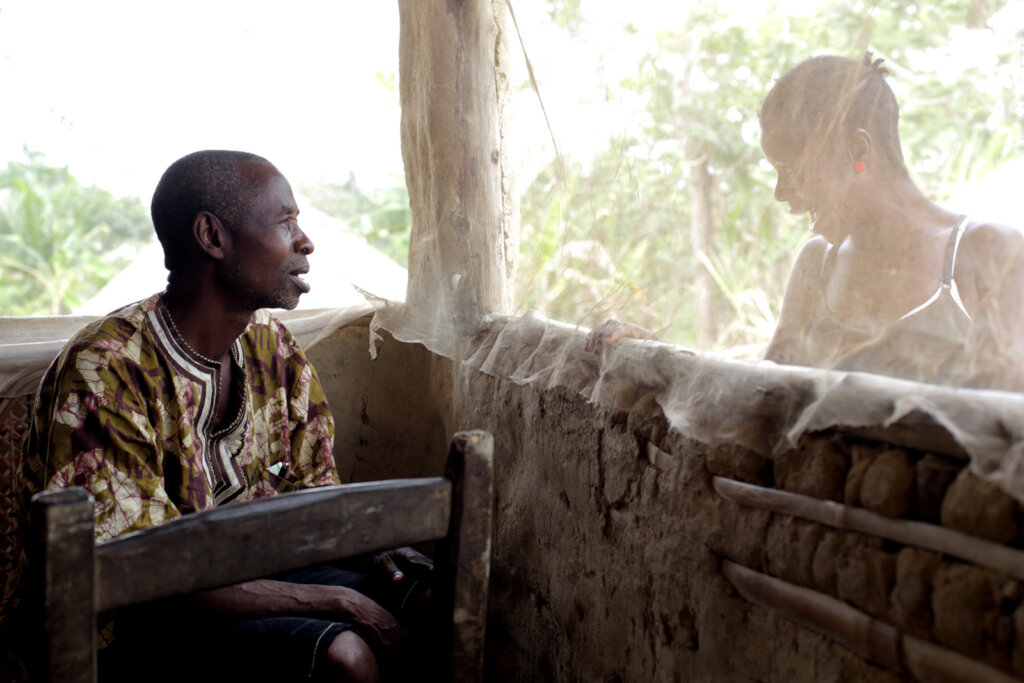
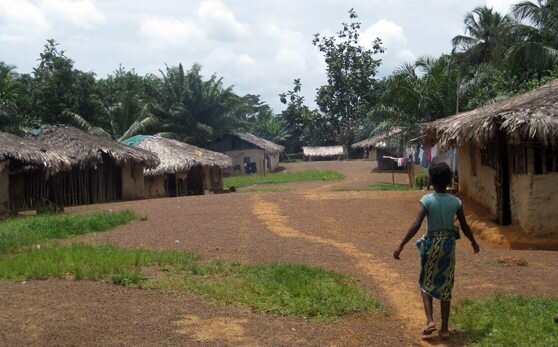
Rural-to-urban migration in Liberia is driven largely by the lack of sustainable livelihood opportunities for youth, especially young men. With limited access to skills training, financing, and markets, many leave farming communities in search of work in cities such as Monrovia.
However, urban areas are struggling to absorb this growing population. Today, around 40% of Liberia’s population lives in Greater Monrovia, and an estimated 65–70% of urban residents live in slum or informal housing conditions. Rather than finding stable employment, many migrants face underemployment, poor living conditions, and limited access to basic services such as sanitation and clean water.
At the same time, rural communities are left with reduced labor capacity, particularly among young men who traditionally support agricultural productivity and local enterprise. This weakens food systems, reduces household incomes, and hinders rural development, creating a cycle that perpetuates migration.
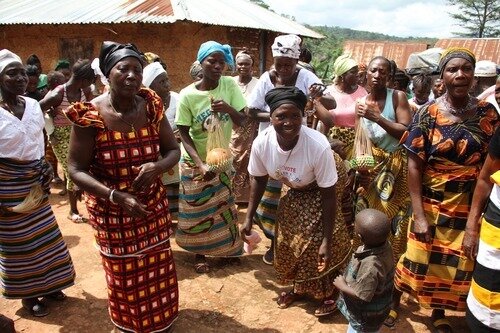
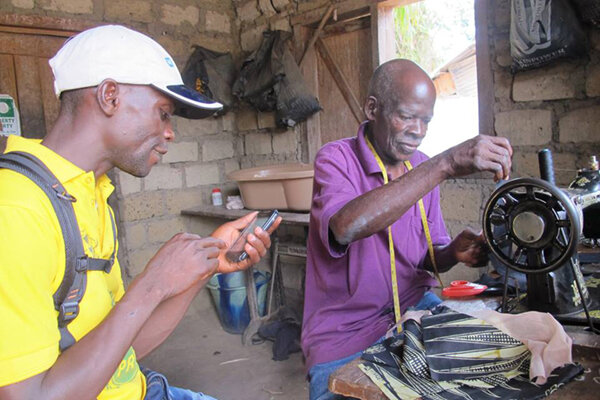
Civic Village International is addressing this challenge by investing in skills training for farmers and artisans. Our programs focus on climate-smart agriculture, agro-processing, and practical trades, including clean cookstove production, construction materials, and small-scale manufacturing. These skills are designed to be immediately applicable using locally available resources.
By equipping youth with income-generating skills, we are helping communities move beyond subsistence farming toward functioning rural economies. Farmers increase productivity and income, while artisans create goods and services that meet local demand. This leads to the emergence of local value chains, where crops are processed, goods are produced, and money circulates within the community.
Early observations show that when young people, especially men, can earn a stable income locally, they are less likely to migrate. Families are also less likely to send youth to cities under uncertain conditions.
Investing in rural skills development is therefore not only a poverty reduction strategy it is a preventive solution to urban overcrowding and informal housing expansion. By strengthening rural economies, we can slow migration, reduce pressure on cities, and support more balanced and sustainable development across Liberia.