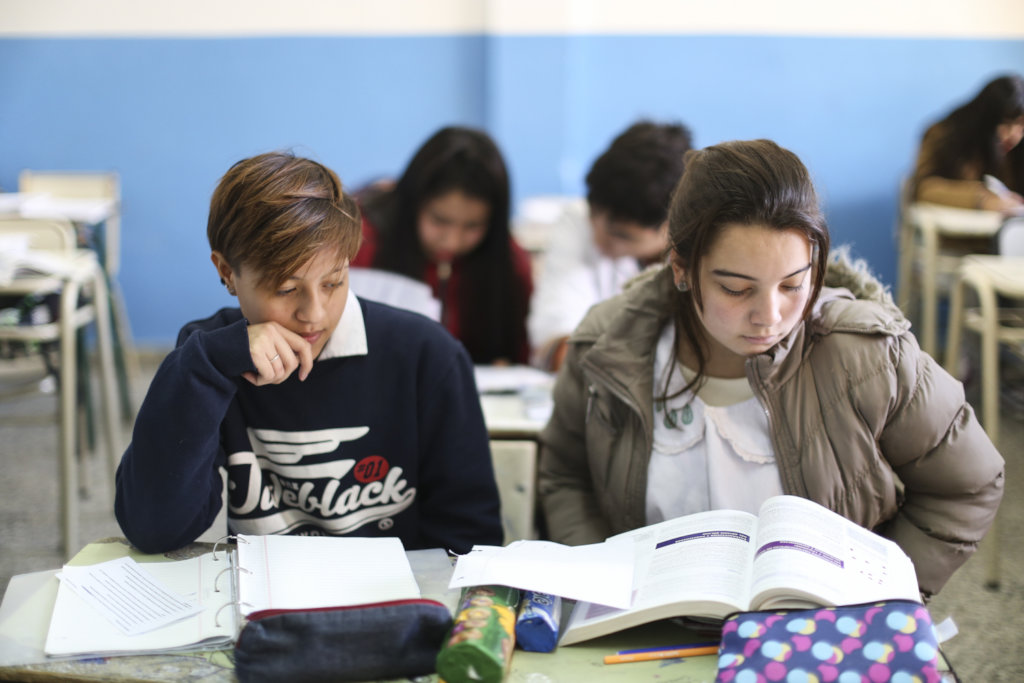
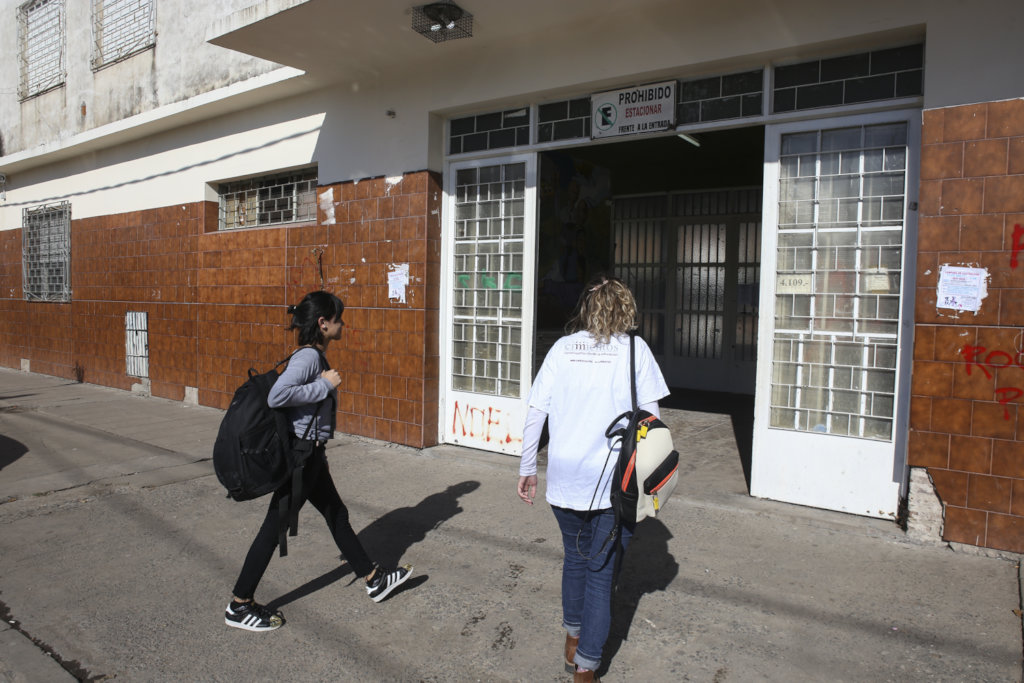
Secondary education in Argentina has the highest rates of dropout (15.5%) and repetition (7.5%) among the different levels of schooling. A total of 98% of upper-class youth enter secondary school, while only 64% of lower-income youth attend. Only 77% of secondary students pass their respective grades each year, and only 34% of those who begin their secondary education actually graduate. The education itself is outdated from current social and cultural realities of the children.
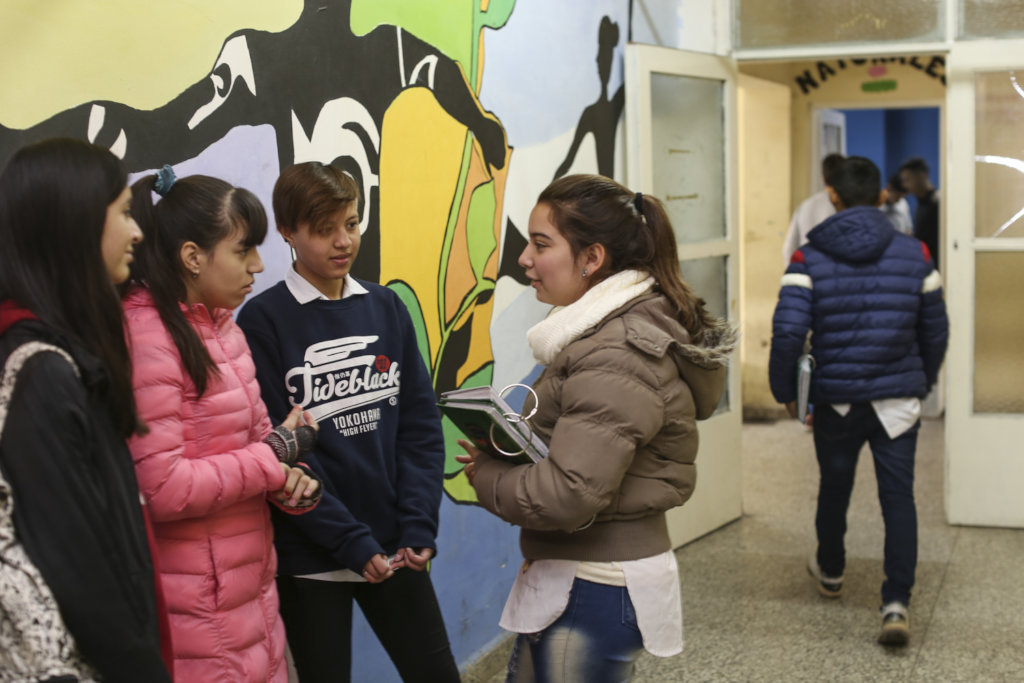
Most vulnerable children lack the basics to perform the expected role as student. This is related to many issues such as: the lack of school experiences within their families; teachers expecting the habits and competencies to be already developed in the children; the irregular attendance to school both by teachers and students and the way school rules are actually implemented, not clear enough and sometimes arbitrary.
Not only are there too many children out of school but many of them fail to complete their education or acquire the skills and competencies that enable them to take full advantage of their future opportunities.The outbreak of the pandemic in 2020 altered not only the ways of maintaining pedagogical continuity, affecting school permanence and learning, but also the sociability and emotional situation of adolescents. The manifestations of fear, anxiety and depression perceived by this population have a considerable effect on their emotional health, aspects that also impact on school coexistence and on the expectations that students have about themselves and about those around them.
About Future Graduates ProgrammeThis programme accompanies
youth between 12 and 18 years old who are in a social and economically vulnerable environment to be able to finish high school, achieve graduation effectively and project their future with more and better opportunities.The program is based on
4 pillars:
- Monthly scholarship.
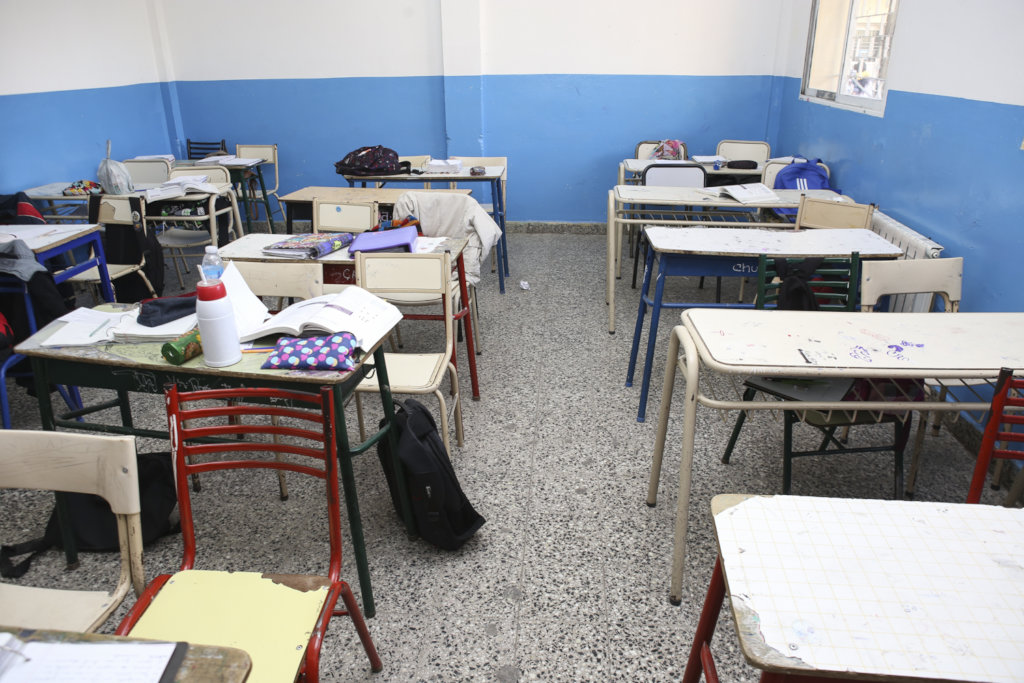
- Implementation in state-managed schools.
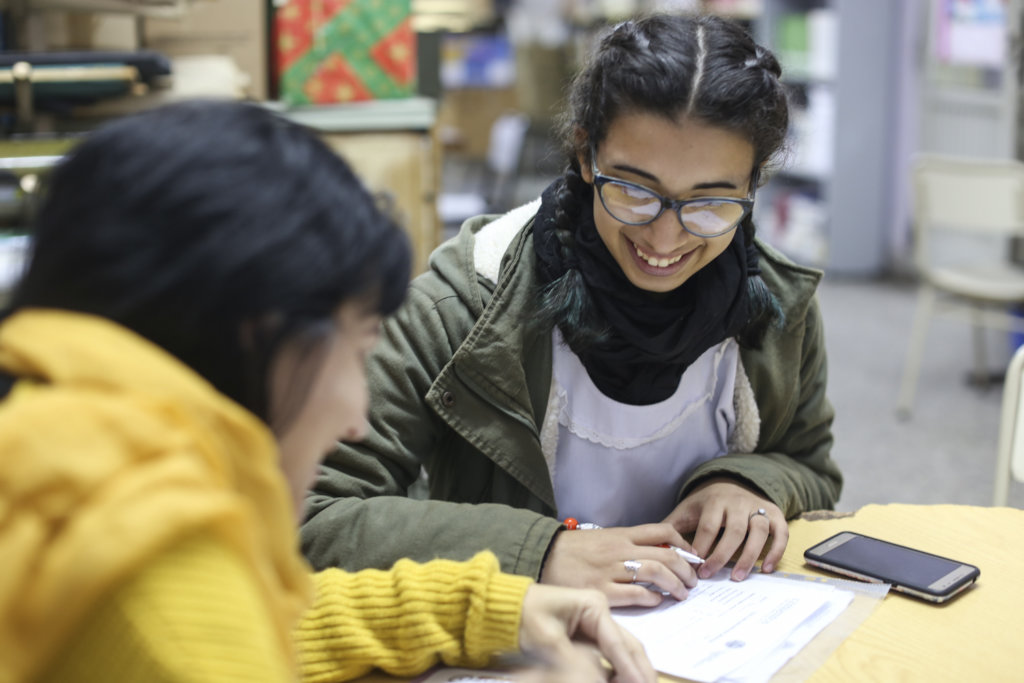
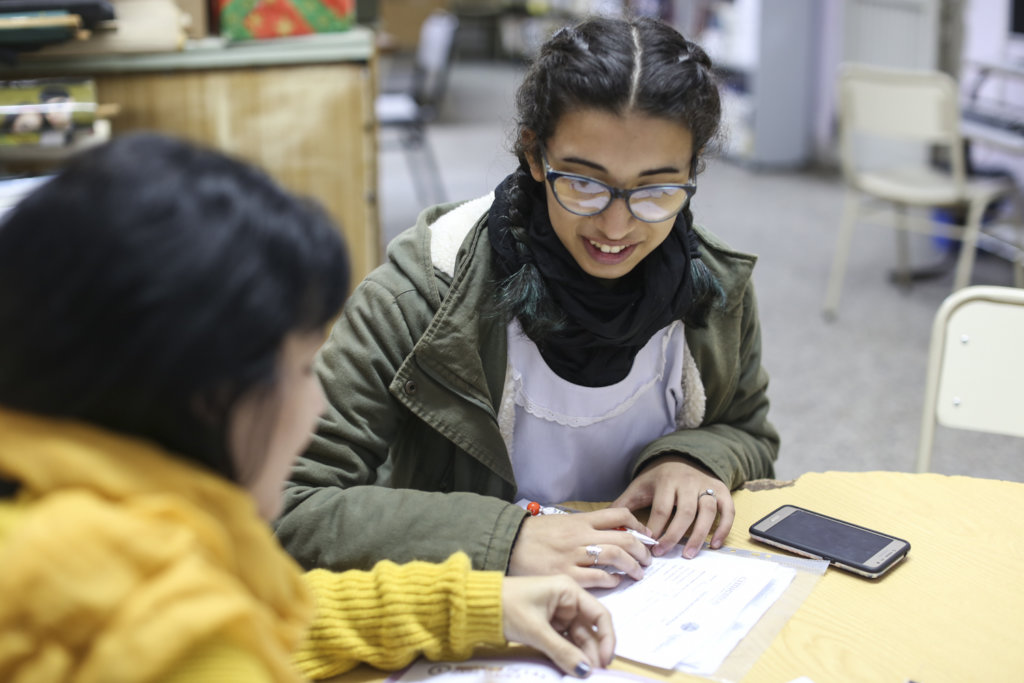
- Personalized monthly mentoring through which they develop their socio-emotional skills such as responsibility, time planning and organization, relationship skills, responsible decision making, self-awareness, self-management and other key skills to develop their role as high school students and project a future with better opportunities.
- Meeting places to foster experience interchange.
Cimientos believes every student can achieve graduation if they are accompanied and supported by significant adults. Schools, families and Cimientos mentors work together helping students to build better educational trajectories.
The activities are supported by an intranet that centralizes all information produced in mentoring sessions and school data. The program effectiveness is measured through dashboards. These tools track process and result indicators concerning participant’s performance both in school and within the program. Regular monitoring and a general evaluation conducted every year allow coordination to analyze and reconsider improvements to better respond to its beneficiaries assorted needs.