By Jon F. Morgan | Founder and Director of The Lake Clinic Cambodia
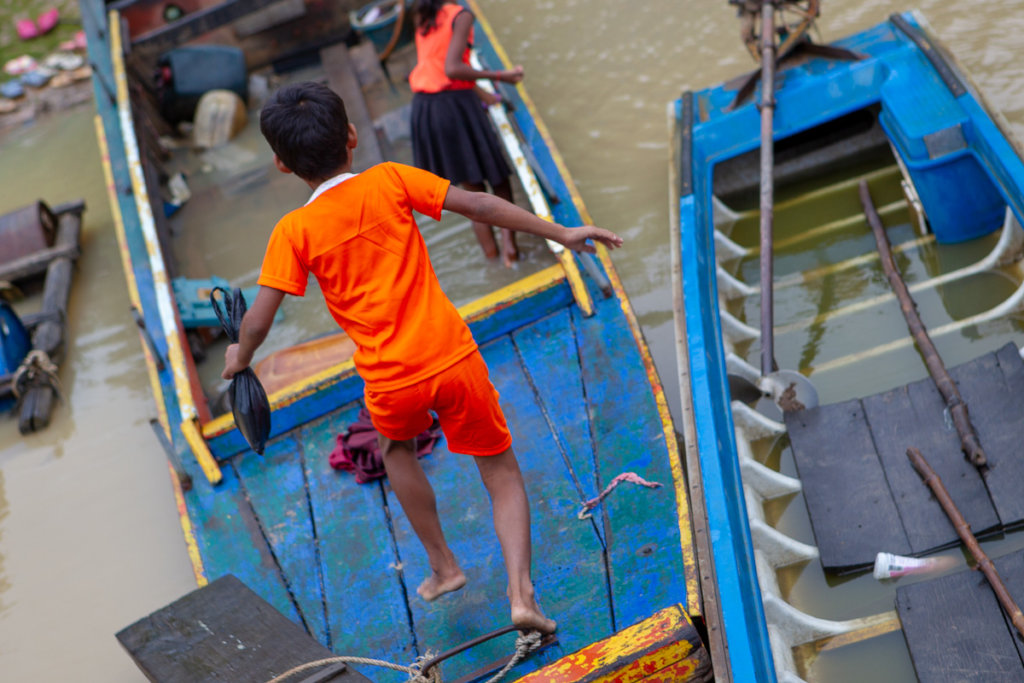
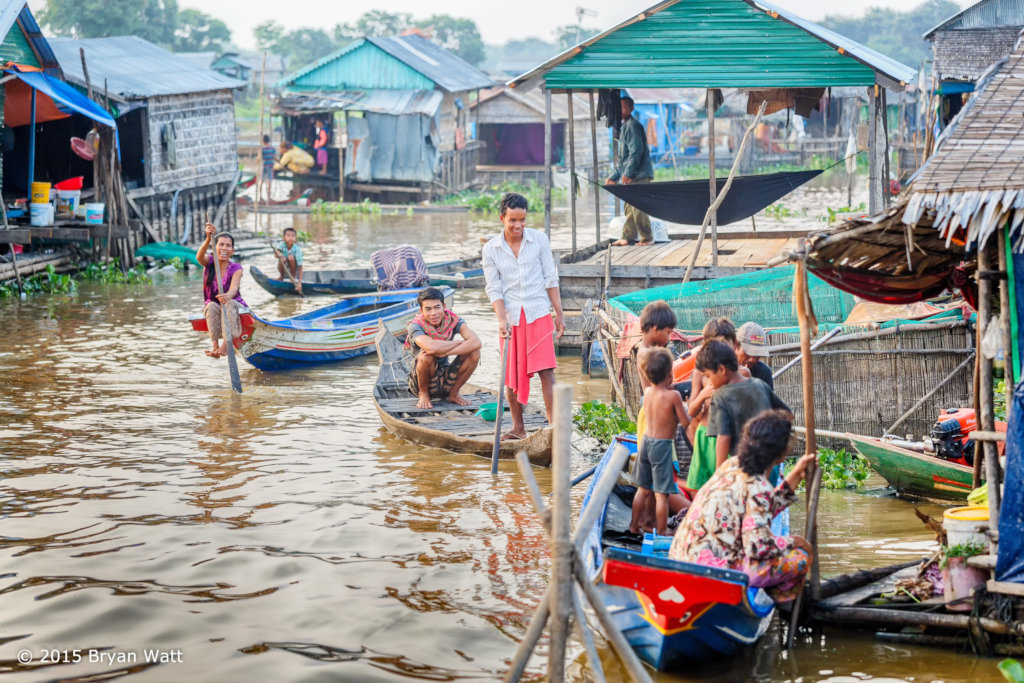
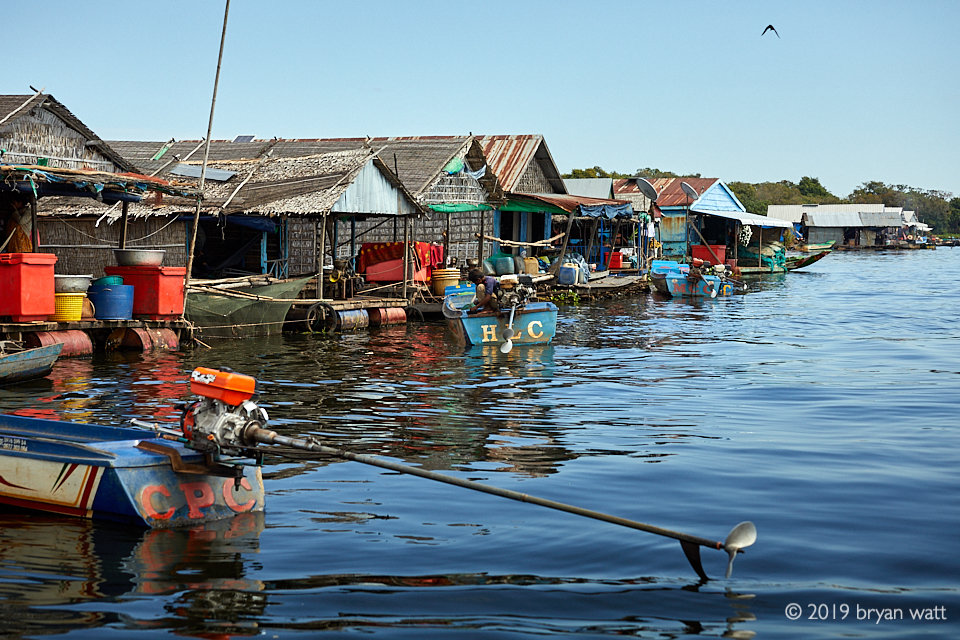
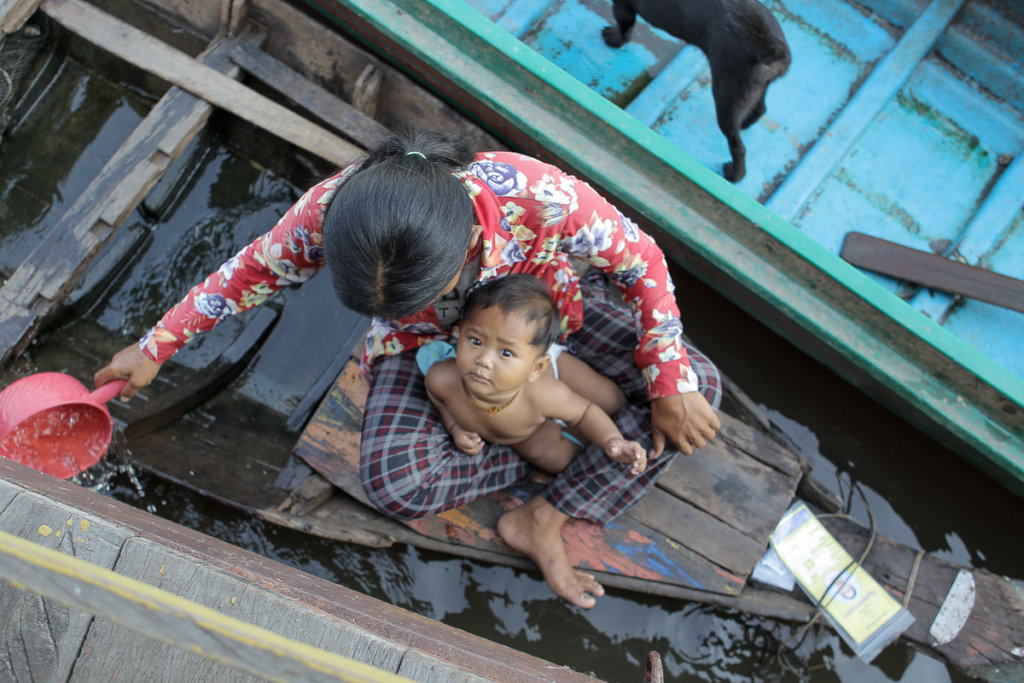
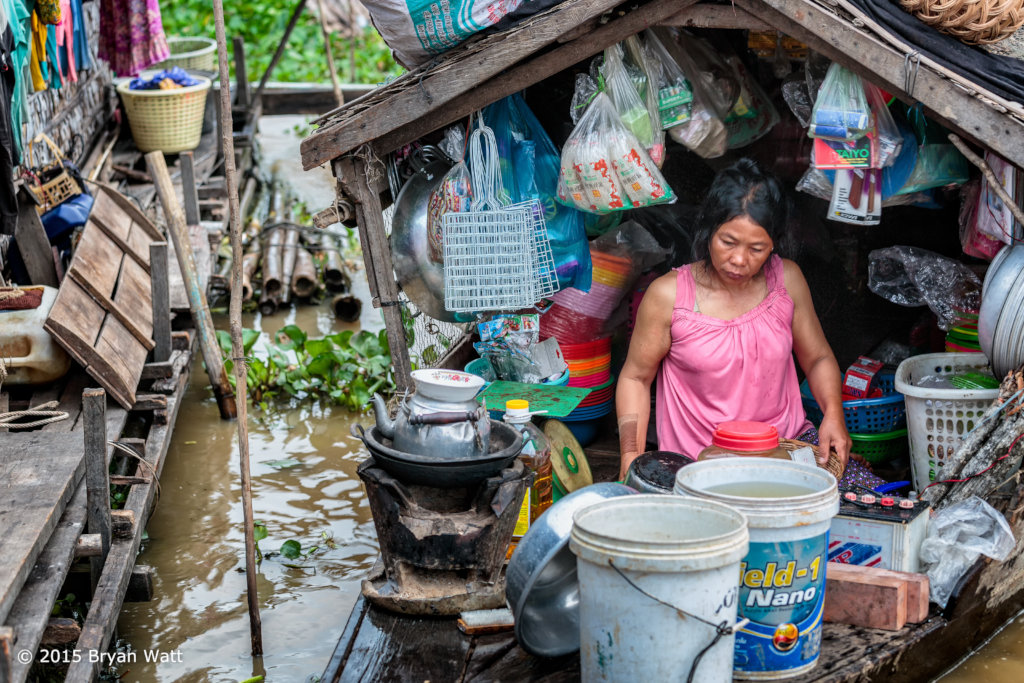
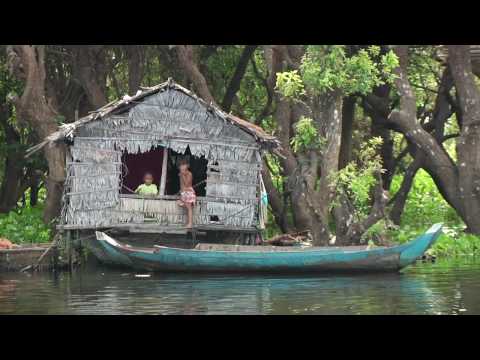
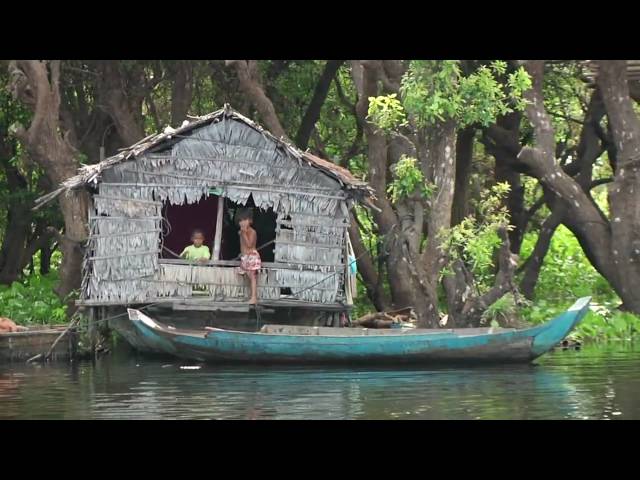
The Tonle Sap Lake is the beating heart of Cambodia — the largest freshwater lake in Southeast Asia, home to hundreds of thousands of people living on and around its waters. For the floating village communities served by The Lake Clinic, the lake is simultaneously their livelihood, their highway, and their water supply. Yet the very water that sustains life here is also a source of serious risk. Waterborne illness remains a persistent threat, particularly for young children, and access to consistently safe drinking water is not a given.
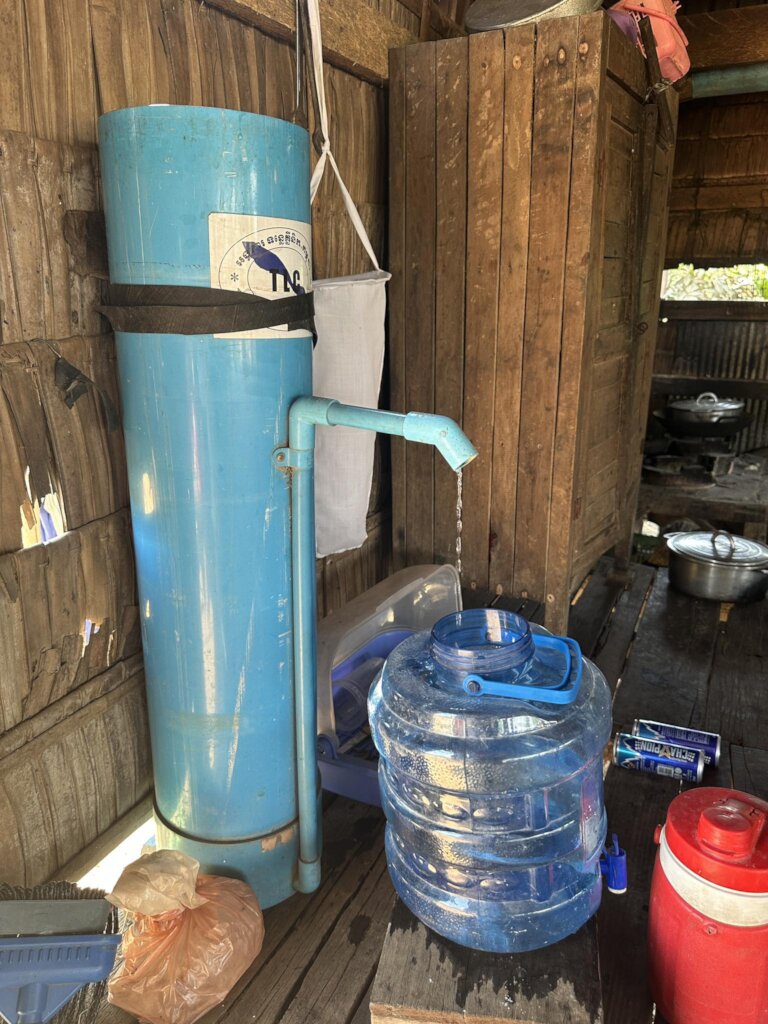
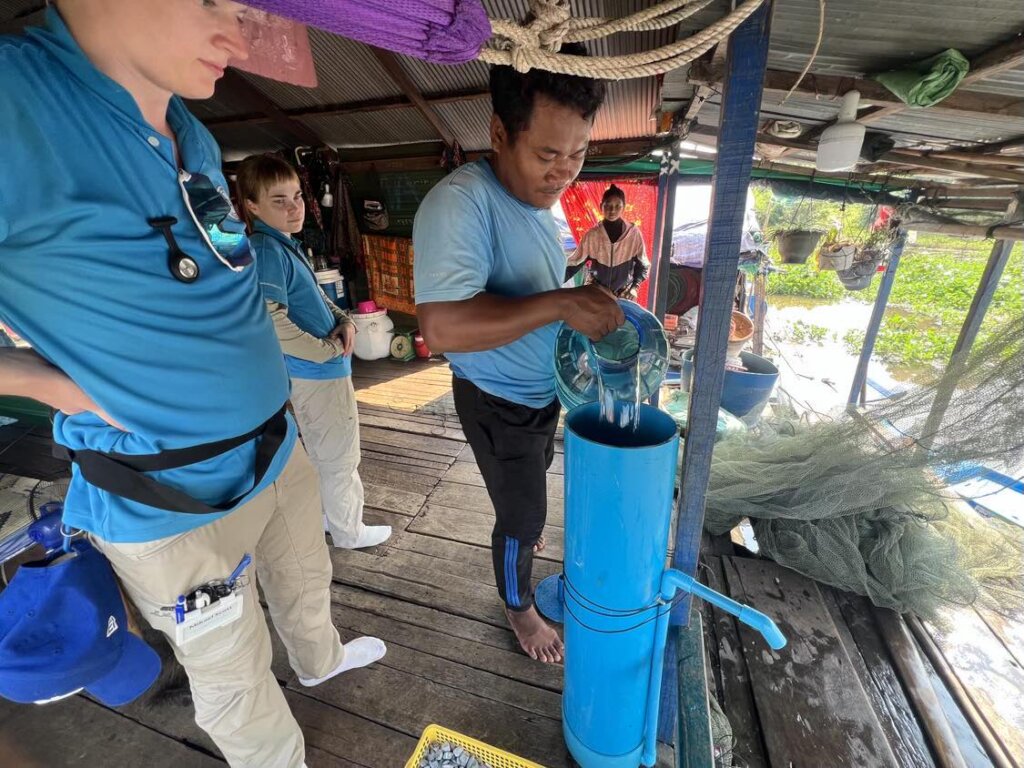
Since 2019, when our digital record keeping began, The Lake Clinic has worked to change that — one household at a time — through the installation and ongoing support of Bio-Sand Filters (BSFs): a simple, effective, and low-maintenance technology that removes pathogens, sediment, and contaminants from lake water, making it safe to drink. This report covers BSF activity across nine floating and riverside villages during Q1 2026 (January through March).
Our Cumulative Impact: Six Years of Clean Water
2,735 Bio-Sand Filters installed since 2019
Across 9 villages on and around the Tonle Sap Lake
~13,675 People with access to clean drinking water
Based on an average family size of 5 persons per household
Every one of these filters represents a family — mothers, fathers, grandparents, and children — who no longer have to choose between thirst and risk. It represents a child who is less likely to miss school due to a waterborne illness, and a family that has one less burden to carry.
Q1 2026 Highlights at a Glance
New BSFs Installed - 4
BSF Follow-Up Visits 215
Filters Needing Maintenance 10
People Reached (Water and Hygeine Education) 760
The story of Q1 2026 is not primarily one of new installations — it is one of stewardship. Our outreach teams conducted 215 follow-up visits to existing BSF households across nine villages, reaching 760 people with hands-on education and maintenance support. This work is as vital as the original installation.
Why Follow-Up Is as Important as Installation
Donors often imagine that giving a family a water filter is a one-time act — install it and the problem is solved. The reality on the Tonle Sap is more nuanced, and our follow-up work addresses two persistent challenges that, left unaddressed, can render even a well-made filter ineffective.
Challenge 1: The "Safe Water" Myth
During the high-water season, when the Tonle Sap swells and spreads across the floodplain, a common belief takes hold in many floating communities: that the rising lake water is somehow "fresh" or "clean" and safe to drink directly. This is not true — seasonal floodwater carries the same pathogens and contaminants as water at any other time of year — but the myth is persistent and deeply rooted.
When families stop using their BSF because they believe they don't need it, the filter deteriorates. The biological layer that forms on the sand — the very layer responsible for removing harmful microorganisms — dies off. The sand and gravel dry out and compress, blocking proper water flow. By the time the family wants to use the filter again, it may no longer work. Correcting this requires a follow-up visit, hands-on remediation, and renewed education.
Challenge 2: Alum Misuse
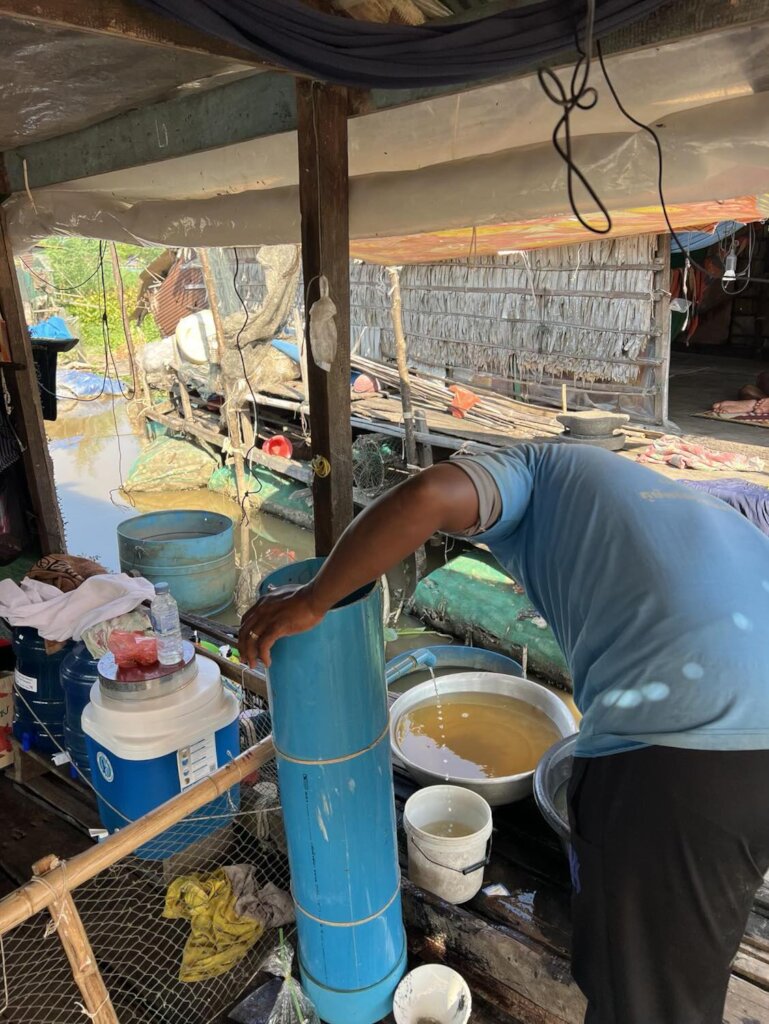
Alum (aluminium sulfate) is a traditional flocculant — a substance used to cause fine particles in turbid water to clump together and settle. It is widely available, inexpensive, and familiar to many families as a water treatment. But when alum-treated water is poured into a Bio-Sand Filter, the aluminium sulfate reacts with the filter's sand, binding the grains together into a sticky, impermeable mass. Rather than filtering the water, the sand becomes a barrier that prevents any water from flowing through at all.
This is a well-intentioned mistake — families are trying to clean their water using a method they have used for generations. Our follow-up visits identify these cases and restore the filters, but more importantly, our outreach workers take the time to explain why alum and BSFs are incompatible, preventing the problem from recurring. Allowing the lake's water to sit - allowing the silt to settle - and then decanting the clarified water into the BSF is a much better solution.
In Q1 2026, 10 filters across the network were found to need maintenance — 7 in Pechikrey, 2 in Don SDoung, and 1 in Kscarchiros. Each of these represents a family whose access to clean water was restored through your support.
Who Was Reached: Education and Outreach
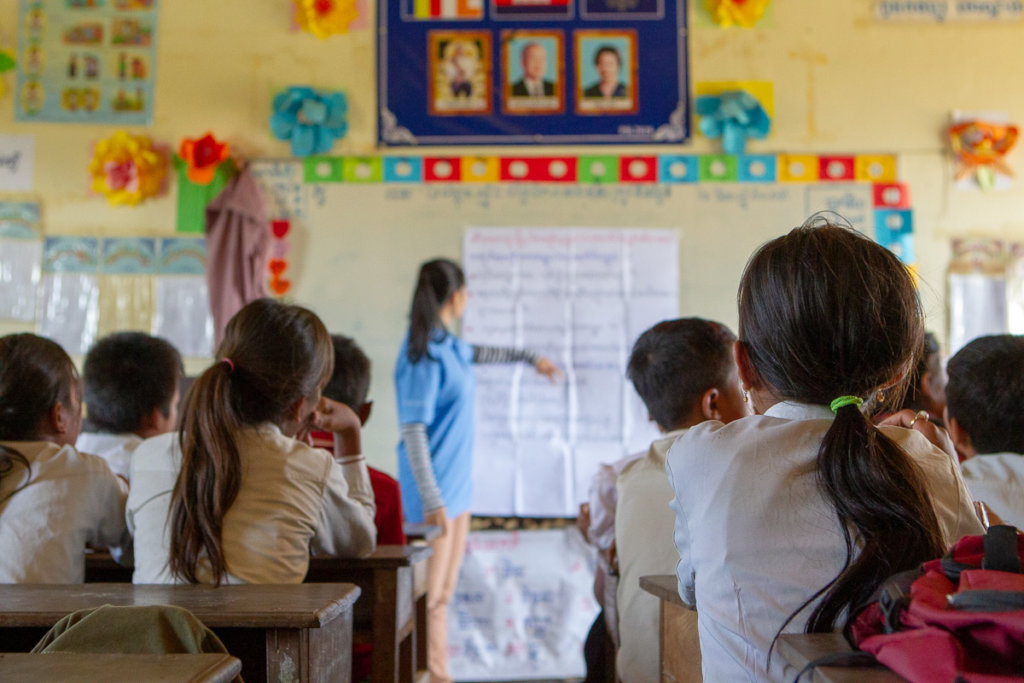
BSF education — explaining how filters work, how to maintain them, and what to avoid — is delivered alongside every installation and follow-up visit. In Q1 2026, our teams reached 760 people across the nine villages in our network.
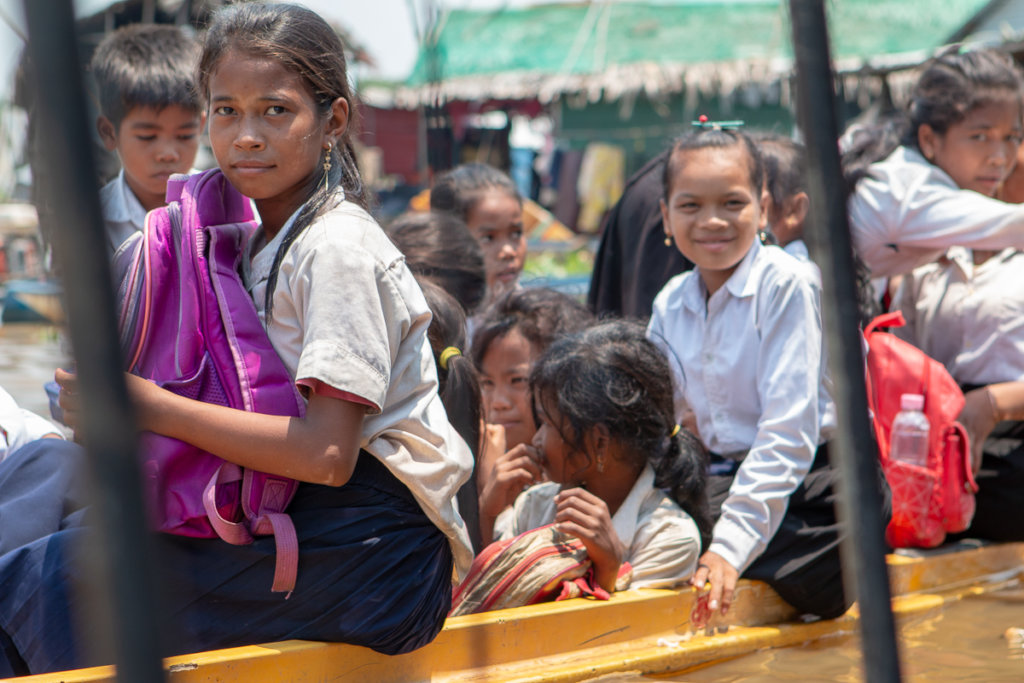
Women and children make up the majority of those reached — reflecting both the demographic reality of these communities during daytime visits and the central role that women play in household water management and child health. Reaching children with messages about water safety creates habits that will last a lifetime.
Clinical Services: Q1 2026
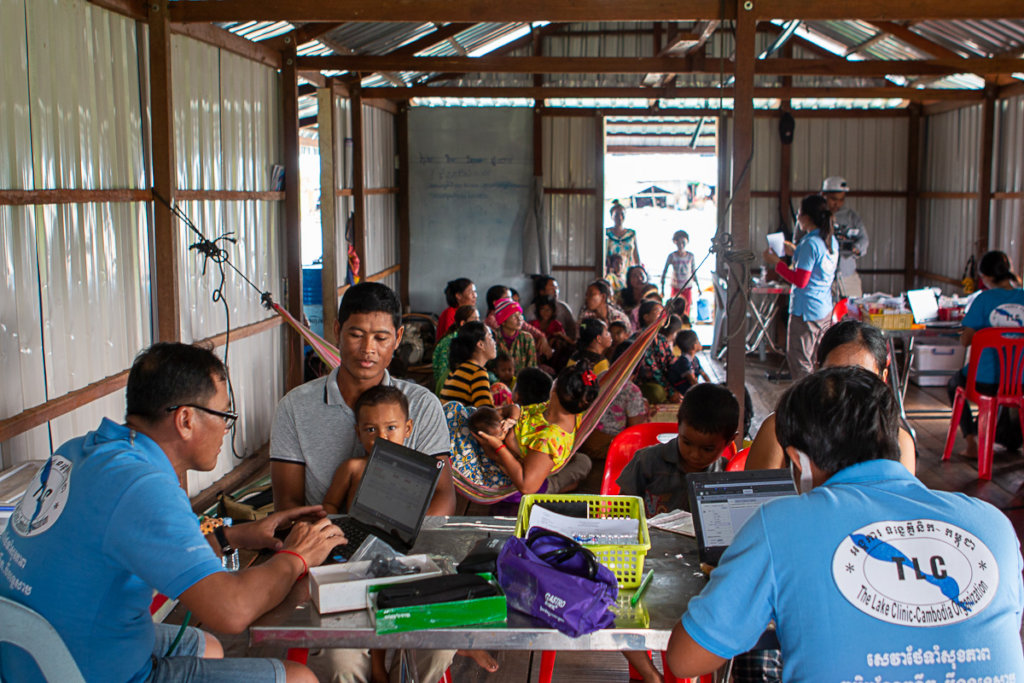
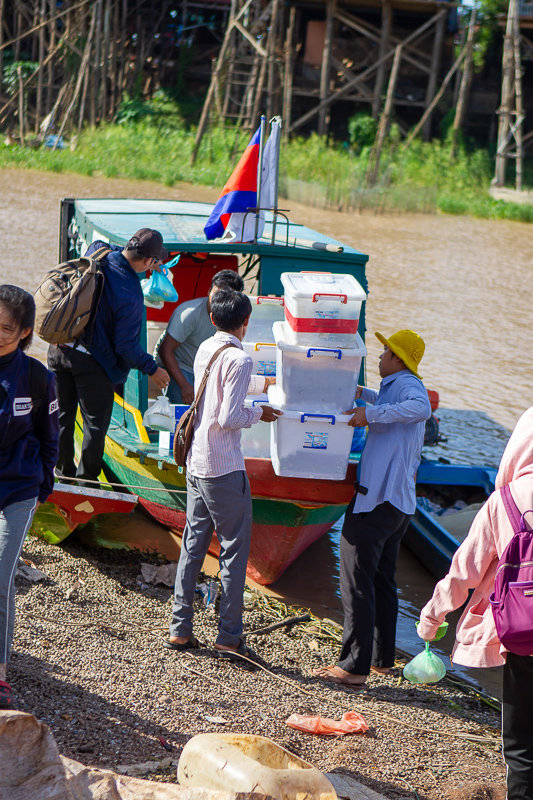
Alongside the BSF programme, The Lake Clinic's clinical teams delivered comprehensive healthcare across nine villages during Q1 2026 — travelling by boat to reach communities that have no other access to medical services. The breadth of care provided reflects the holistic nature of The Lake Clinic's mission: clean water and good health are inseparable.
3,850 Patient consultations in Q1 2026
Across 92 clinic sessions in 9 villages
5,945 Total clinical cases treated
Including diagnostic, dental, maternal, and general health services
3,044 people reached
Community health education sessions
Men, women, and children
Patient Breakdown
Of the 3,850 patients seen across Q1 2026:
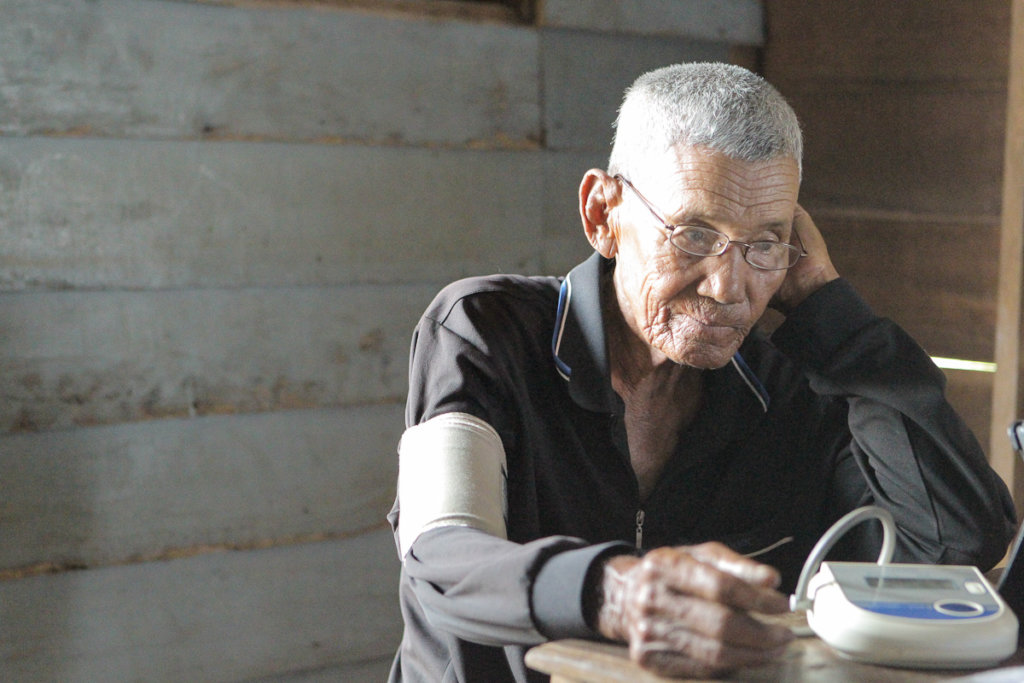
The high proportion of women and elderly patients reflects both the demographics of these communities during daytime clinic hours and the particular health vulnerabilities of these groups — women of reproductive age seeking maternal care, and elderly patients managing chronic conditions with limited access to medication.
Clinical Services at a Glance
Service
Q1 2026 Total
Clinic sessions held 92
Patient consultations 3,850
Clinical cases treated 5,945
Health education (people) 3,044
Dental cases 278
ANC (antenatal care) visits 30
ANC ultrasounds 27
Birth spacing services 98
Eye care consultations 169
Vaccines administered 307
Mental health consultations 70
Referrals to higher care 17
Maternal Health: Antenatal Care
The Lake Clinic provided 30 antenatal care visits and 27 ultrasounds across Q1 2026. Moat Klas accounted for the majority of ANC visits (14), reflecting its size as the largest village in the network. Antenatal care on the Tonle Sap is not simply a health service — for many women, The Lake Clinic is the only medical professional they will see during their entire pregnancy. These visits include screening, prenatal vitamins, blood work, and ultrasounds, as well as counselling on nutrition and safe birth practices.
Dental Care
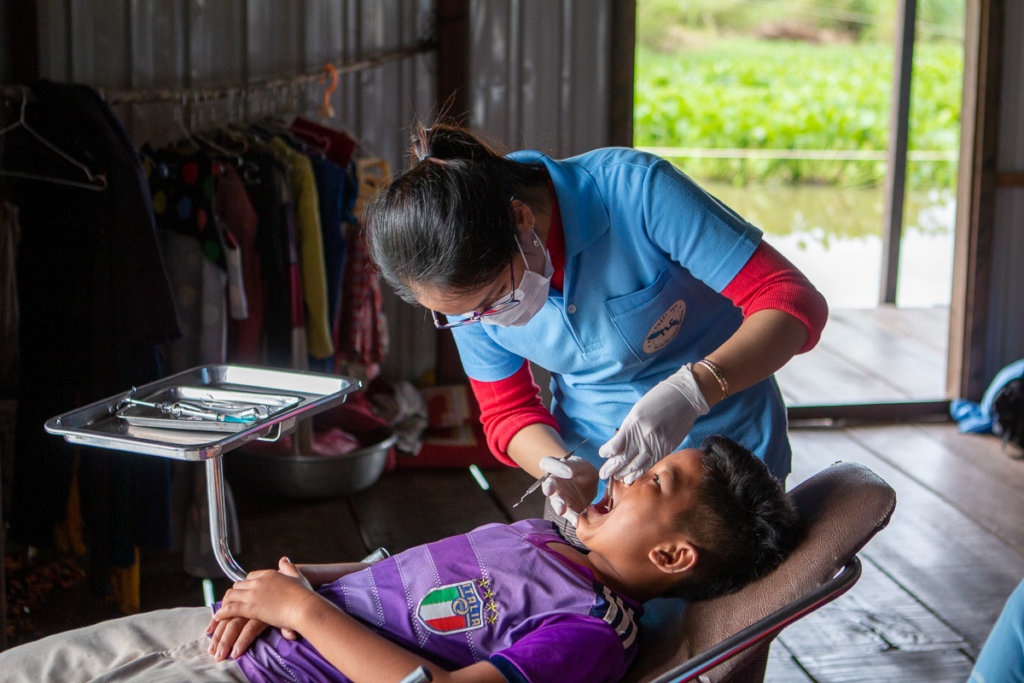
Dental disease is widespread in floating communities, where access to dental care is essentially non-existent outside of The Lake Clinic's visits. In Q1 2026, our teams treated 278 dental cases — including 90 extractions, 67 fillings, and 110 other procedures — alongside providing dental health education to 3,044 community members. Pain and infection from untreated dental disease affects quality of life, sleep, nutrition, and children's ability to learn. Each extraction or filling is a meaningful intervention.
Referrals
17 patients were referred to higher-level facilities during Q1 2026 — cases that exceeded what The Lake Clinic's floating clinic could manage. Referrals are a critical part of the care pathway: without The Lake Clinic to identify and coordinate these cases, many of these patients would have had no route to specialist care. One case noted in the data involved a young woman with nephrotic syndrome referred to a referral hospital — a diagnosis that required prompt specialist intervention.
The Connection Between Clean Water and Clinical Health
Clean water and clinical care are not separate programmes — they are deeply intertwined. Waterborne illnesses, including diarrhoeal diseases, skin infections, and parasitic conditions, are among the most common presentations in The Lake Clinic's patient consultations. Every Bio-Sand Filter that is installed, maintained, and used correctly is a preventive health intervention that reduces the burden on our clinical teams and, more importantly, keeps families well between clinic visits. The 760 people reached through BSF education in Q1 2026 are people less likely to need a clinical consultation for a waterborne illness next quarter.
Looking Ahead: Q2 2026
As we move into the second quarter of 2026, our BSF priorities include:
Thank You
None of this work is possible without the generosity of GlobalGiving donors. Each filter installed, each follow-up visit made, each family reached with education about clean water is a direct result of your support. On the Tonle Sap Lake, where clean water is not guaranteed and access to healthcare is a journey by boat, your contribution makes a tangible, measurable difference in the lives of some of Cambodia's most isolated communities.
Thank you for being part of this work.
Project reports on GlobalGiving are posted directly to globalgiving.org by Project Leaders as they are completed, generally every 3-4 months. To protect the integrity of these documents, GlobalGiving does not alter them; therefore you may find some language or formatting issues.
If you donate to this project or have donated to this project, you can receive an email when this project posts a report. You can also subscribe for reports without donating.



Support this important cause by creating a personalized fundraising page.
Start a Fundraiser