By Elena Sofia de Paolis | Global Collaborator
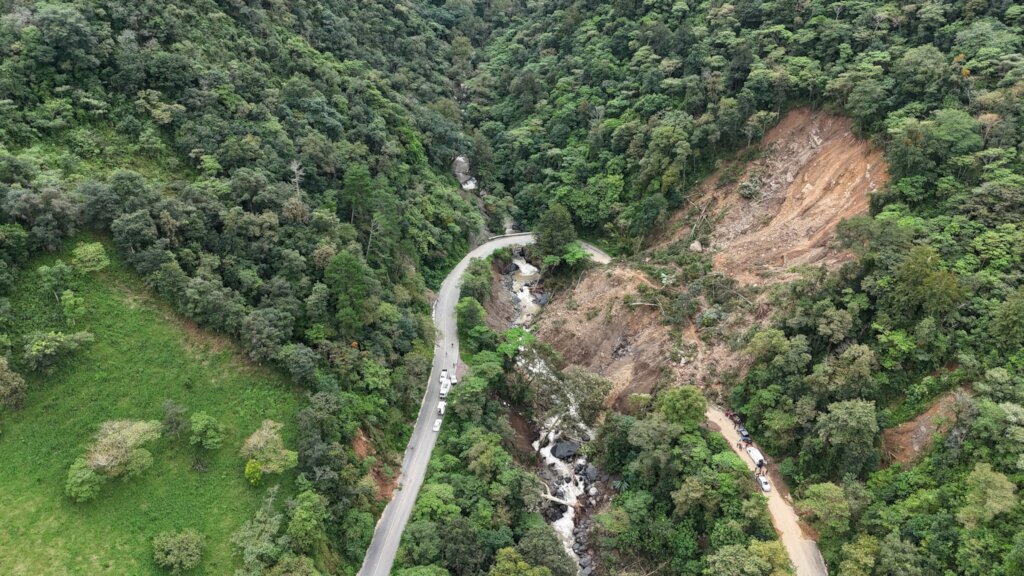
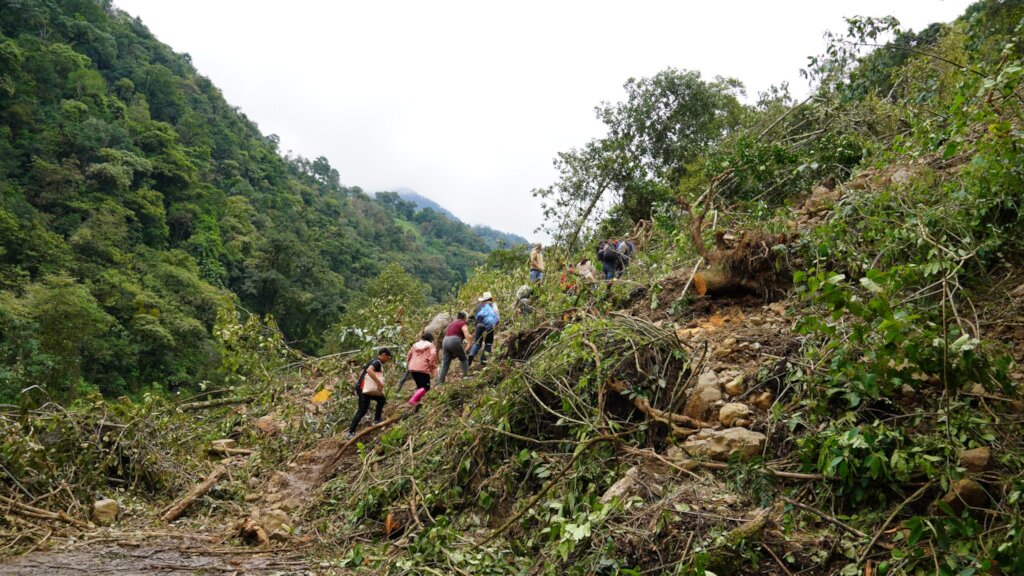
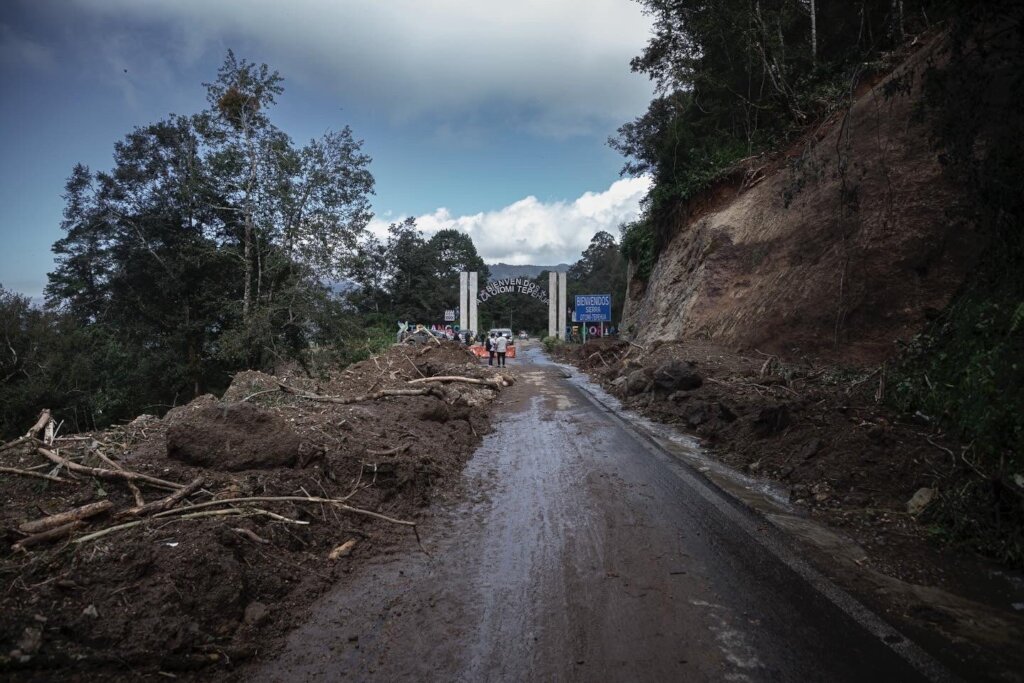
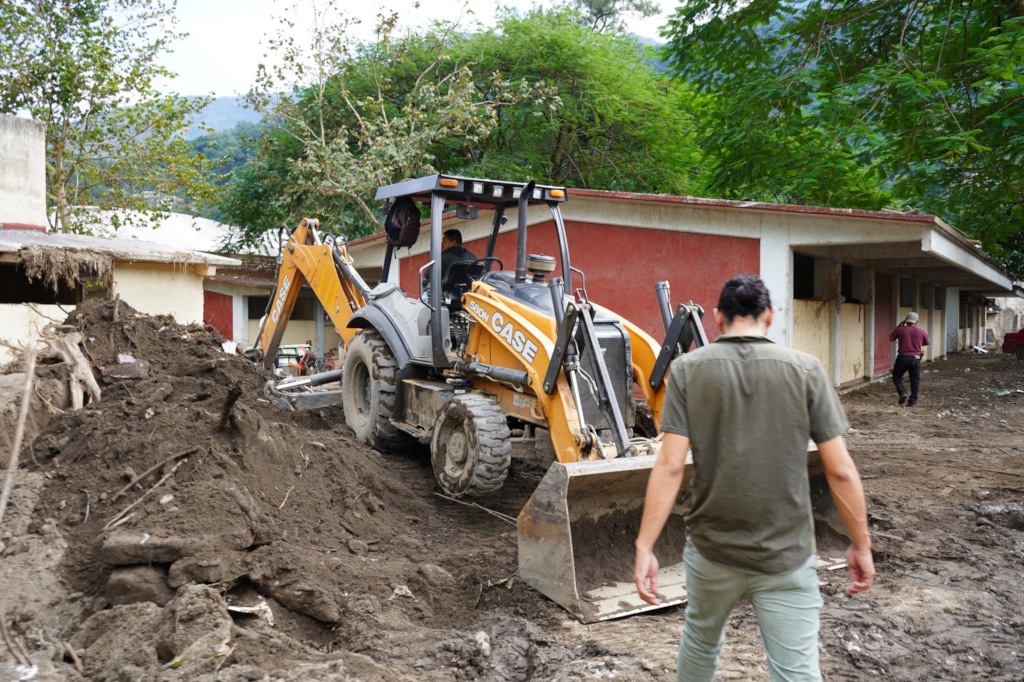
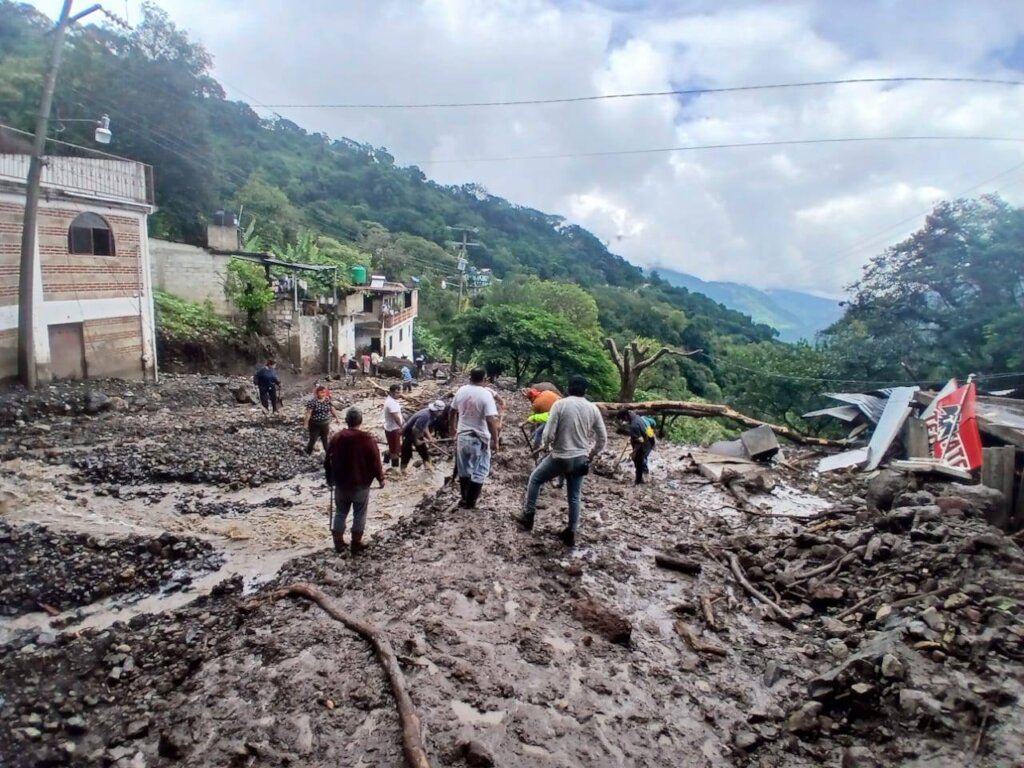
In early October 2025, between the 6th to the 8th, Hurricane Priscilla brought devastating rainfall to the Sierra Otomí-Tepehua region, affecting communities across Hidalgo and Puebla. Widespread flooding and landslides destroyed essential transportation routes, leaving more than 90 communities isolated and disrupting everyday life throughout the region.
Several municipalities remained inaccessible for weeks and damaged roads prevented the movement of people, goods and emergency services. Electricity outages persisted for almost 20 days in some areas, while shortages of food, medical assistance and other basic necessities placed additional pressure on affected households. Beyond the immediate destruction, the emergency exposed deeper challenges facing the region, particularly inadequate infrastructure, limited local emergency response resources, and the difficulties of reaching geographically dispersed communities.
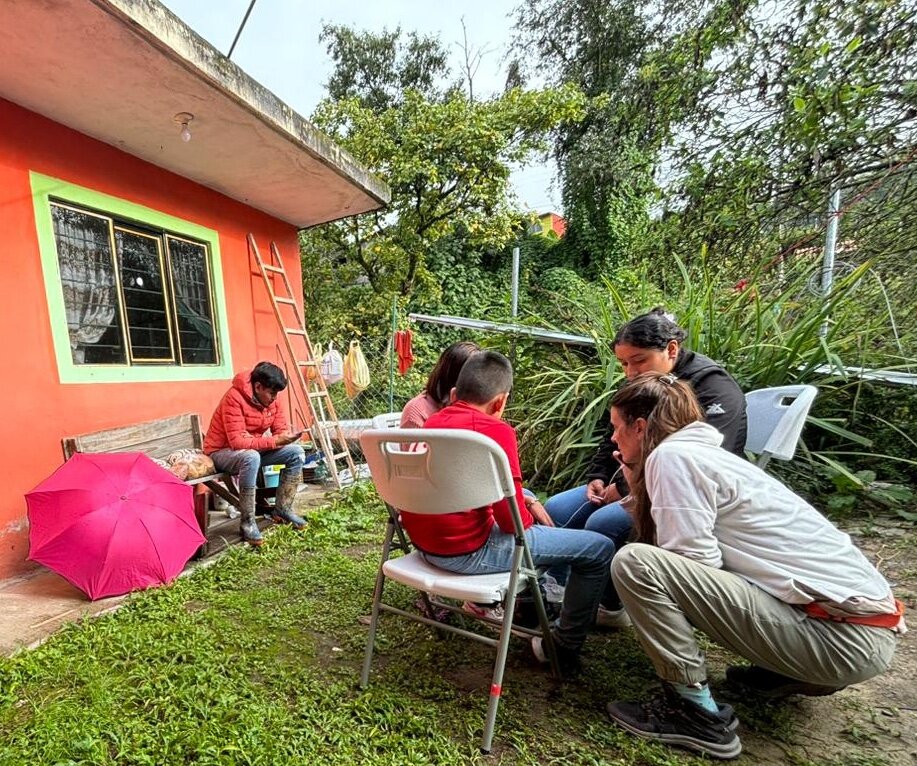
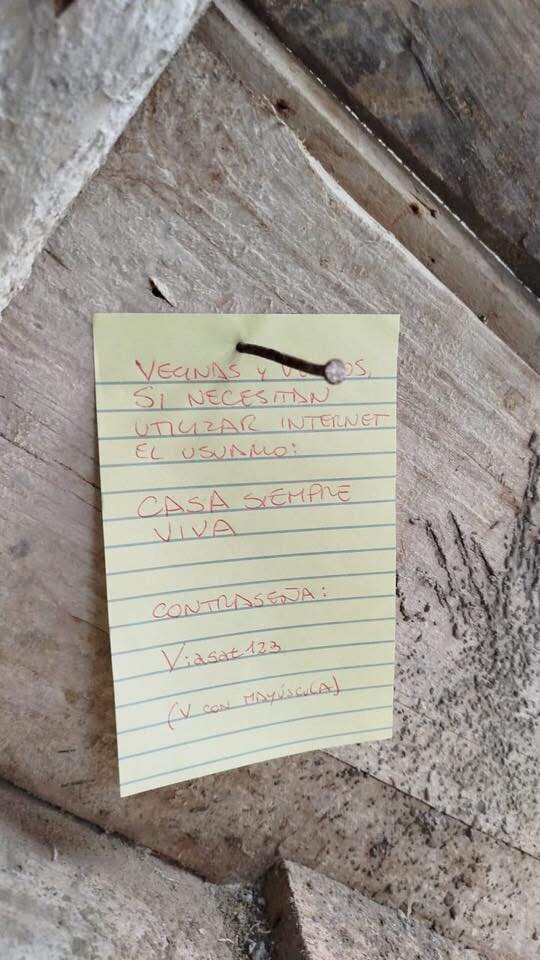
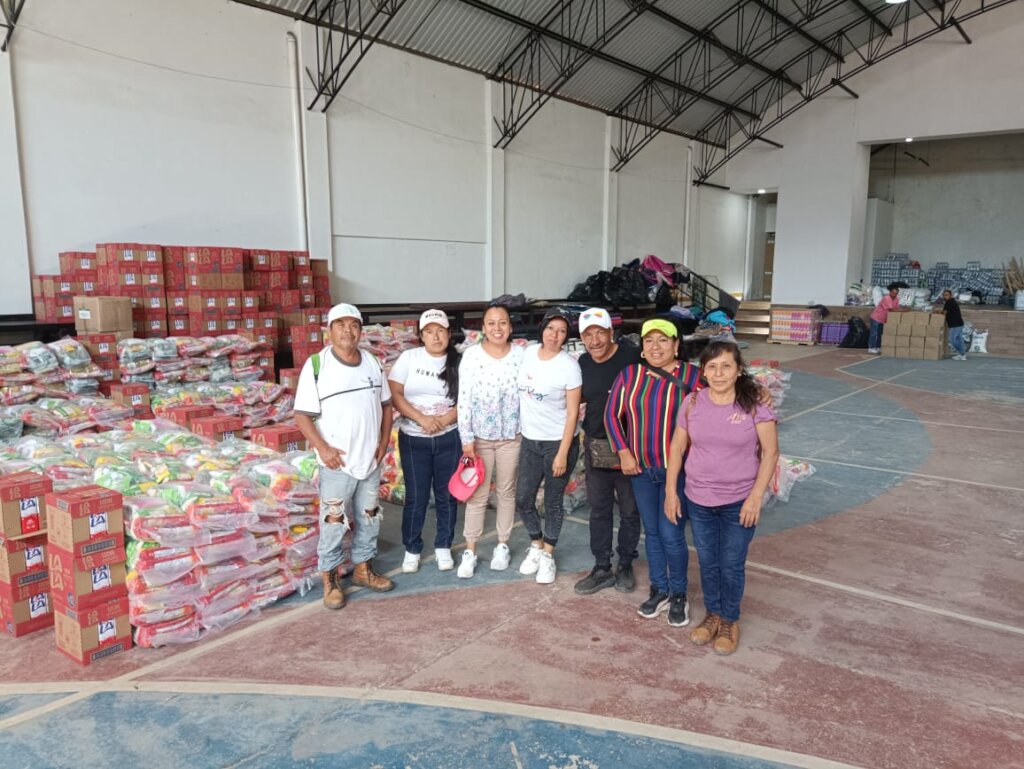
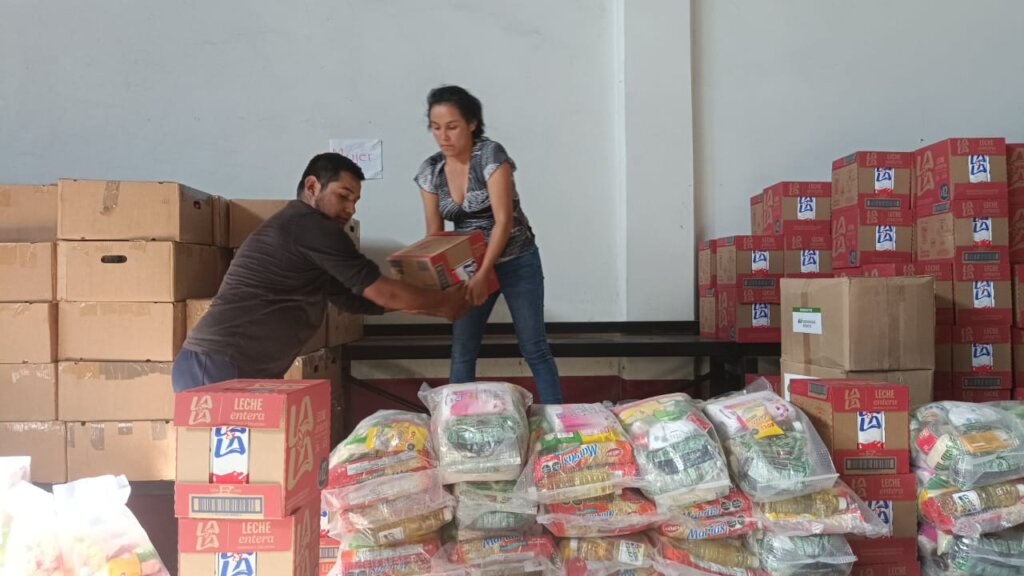
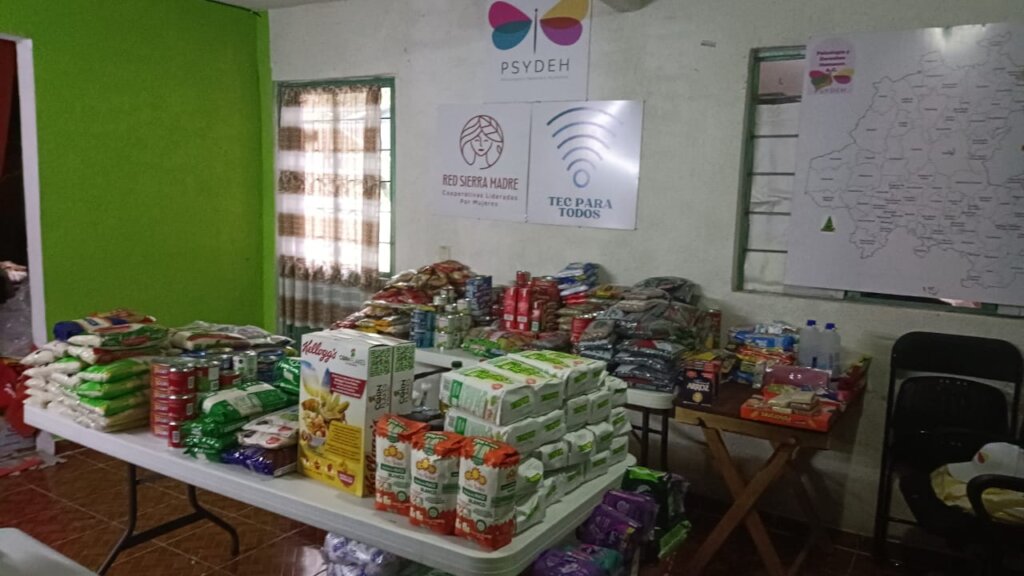
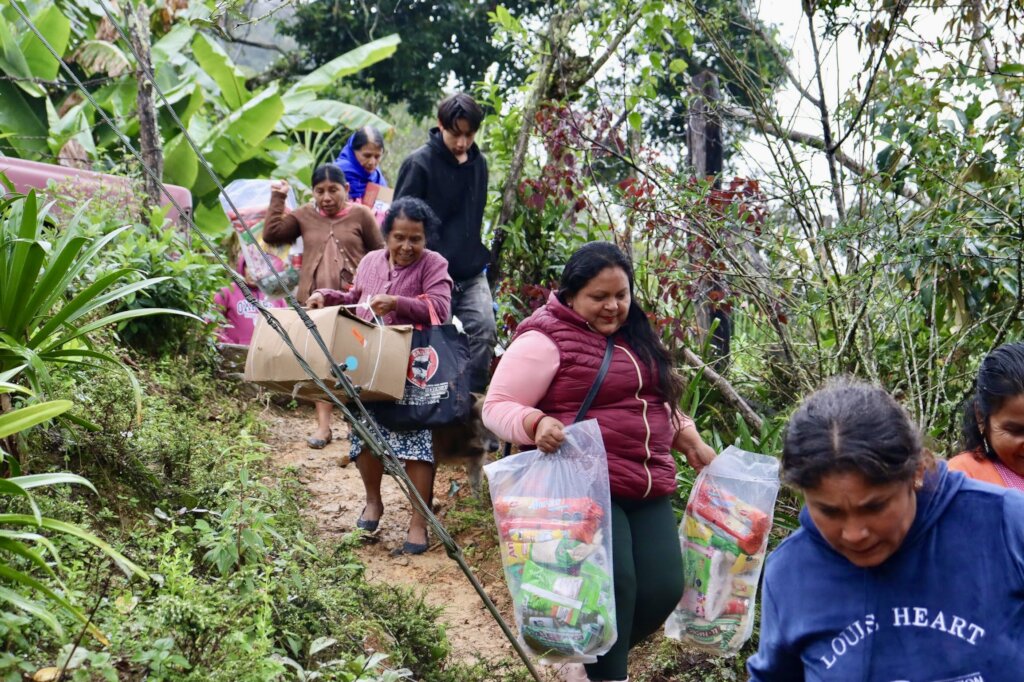
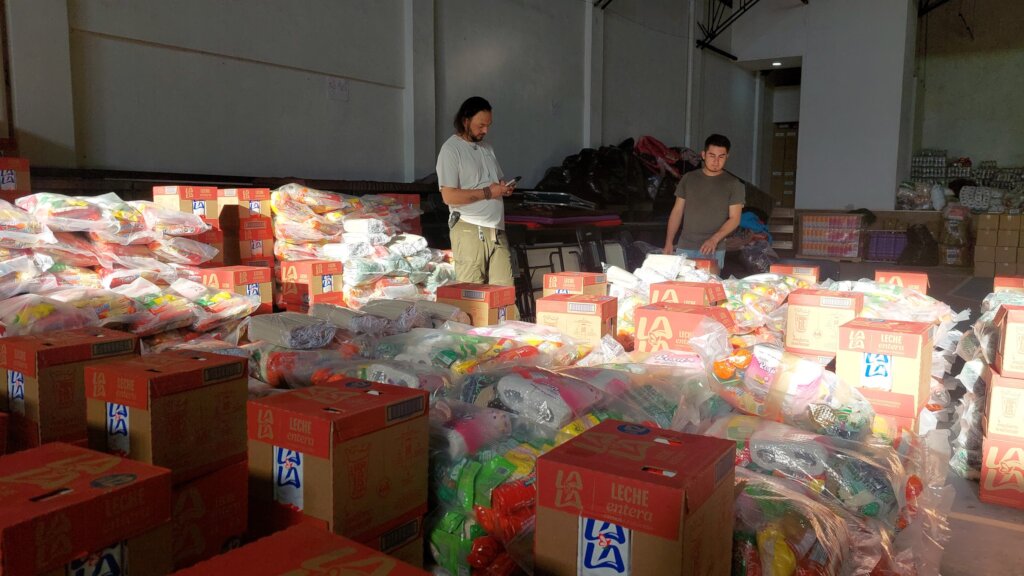
In response, PSYDEH mobilized a community-based Disaster Response Brigade, bringing together organizational staff, local residents, and volunteers to support relief efforts. The initiative strengthened the organization’s ability to operate directly in affected areas and deliver assistance to communities that were difficult for larger emergency response operations to access. The brigade organized the transportation and distribution of essential food products and relief materials, collaborated with municipal officials and federal response teams, and equipped emergency personnel with medical supplies. Volunteers also assessed local communication systems and worked to restore or maintain connectivity where possible. Particular attention was given to underserved settlements that had received limited assistance through existing government relief operations. PSYDEH’s response reached approximately 10% of the total regional population.
More than a year after the devastating floods and landslides, communities across the Sierra Otomí-Tepehua continue to navigate a difficult and uneven recovery. The disaster’s consequences remain visible in damaged infrastructure and vulnerable transportation networks. However, the Sierra continues to recover with each passing day, bringing positive progress for the affected communities and demonstrating great resilience.
As the region moves beyond the initial emergency, the challenges exposed by the disaster remain relevant to PSYDEH’s broader mission. Geographic isolation, limited access to essential services, and infrastructure vulnerabilities continue to shape the everyday realities of many communities in the Sierra Otomí-Tepehua. The lessons of the 2025 response offer an important foundation for reflecting on how community organizations can contribute to greater preparedness, stronger local networks and more inclusive approaches to disaster resilience.
As always, none of this would be possible without the support of our GlobalGiving donors, many of whom have been with us since the beginning of our journey towards achieving a network of women leaders and changemakers in the region. Thank YOU for continuing to invest in long-term, sustainable change for women in Mexico and around the world.
For the most immediate updates on our work, please be sure to follow us on Instagram, where we post weekly happenings from the field, with partners, and more.
Gratitude and abrazos from all of us at PSYDEH,
Elena
Project reports on GlobalGiving are posted directly to globalgiving.org by Project Leaders as they are completed, generally every 3-4 months. To protect the integrity of these documents, GlobalGiving does not alter them; therefore you may find some language or formatting issues.
If you donate to this project or have donated to this project, you can receive an email when this project posts a report. You can also subscribe for reports without donating.