By Maksuda Akter Hridi | Exicutive, Partnership, OBHIZATRIK Foundation
Summary
From August to September 2024, Bangladesh experienced one of its most severe flooding events, impacting millions across the southeastern and northeastern regions. The districts of Sunamganj, Sylhet, Feni, Netrakona, Brahmanbaria, Cumilla, Noakhali, Chattogram, Bhola, Khulna, Dinajpur, Gaibandha, Sirajganj, Natore, Kurigram, Mymensingh, Jessore and Satkhira were particularly hard-hit, suffering extensive damage to homes, infrastructure and livelihoods. The flooding, driven by excessive rainfall and upstream water surges.
In response, OBHIZATRIK Foundation launched an Emergency Response Project to support the flood-affected families. The project was structured into three phases:
Through these efforts, OBHIZATRIK Foundation has significantly alleviated the suffering of flood victims and is working towards creating resilient communities better prepared for future challenges.
Challenges
The flooding in Bangladesh from August to September 2024 brought several major challenges –
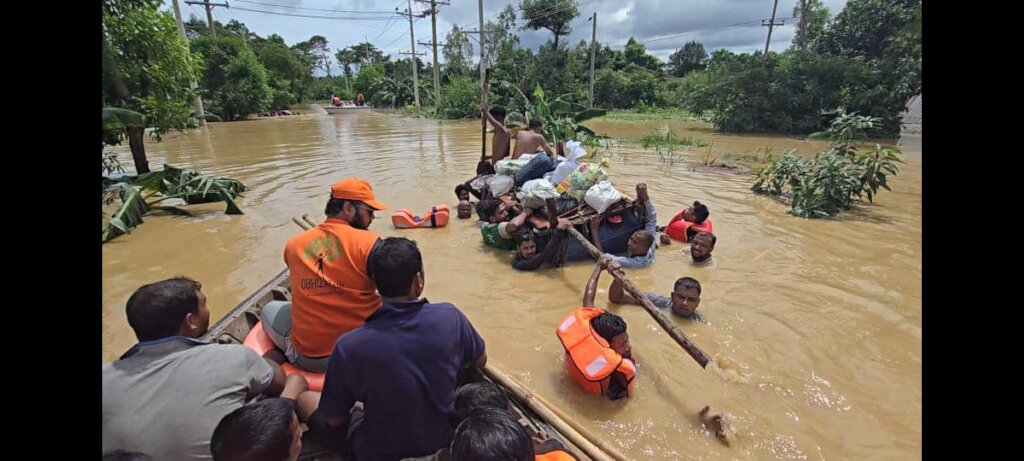
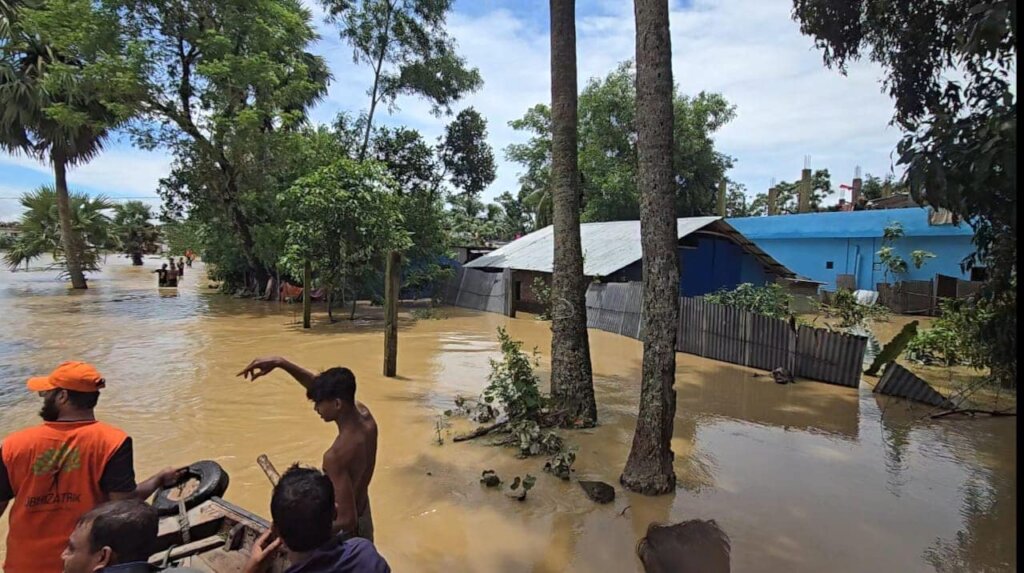
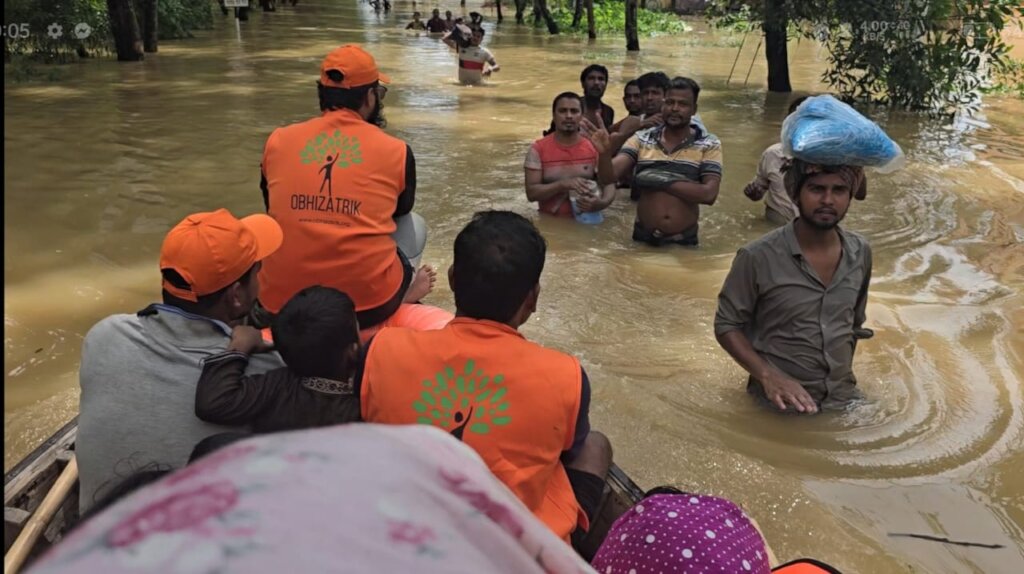
1. Rescue Operations: Reaching and rescuing families trapped by the floodwaters was difficult because many roads were submerged and the infrastructure was damaged. Boats and special equipment were needed to access these areas.
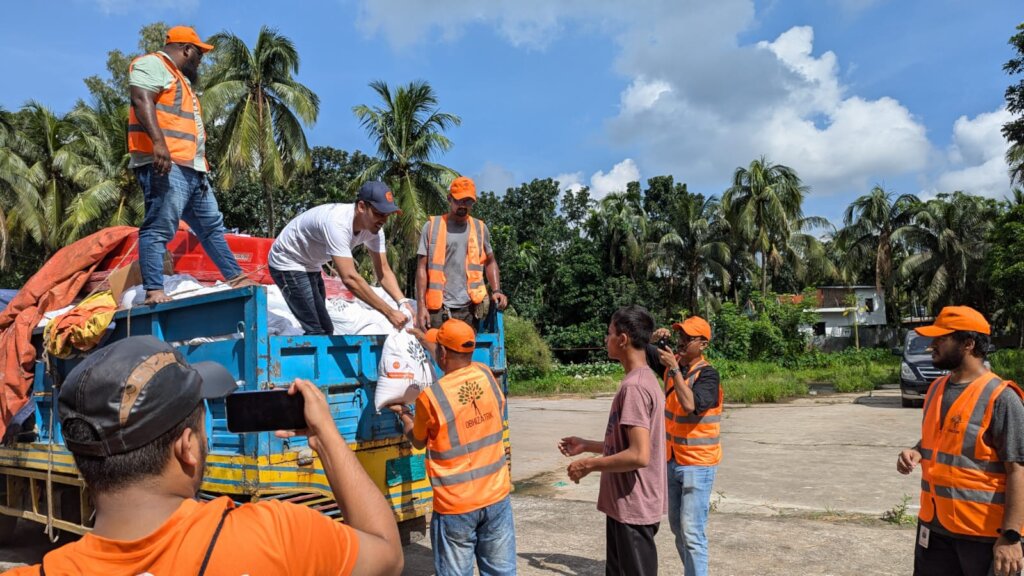
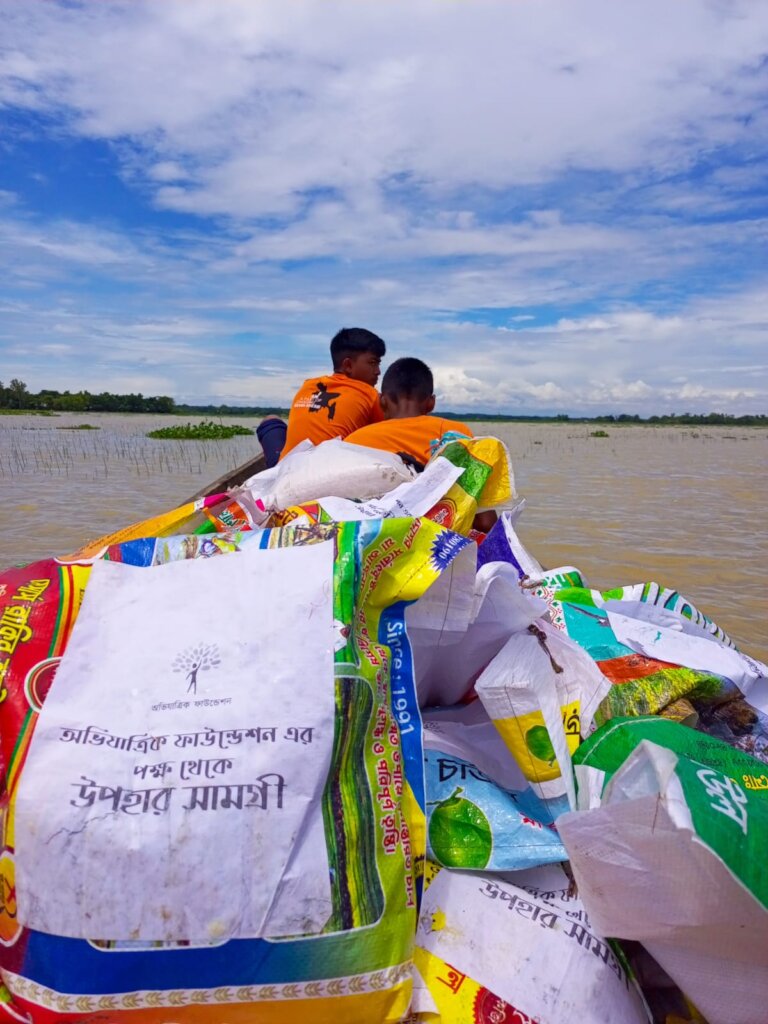
2. Immediate Relief: Providing immediate relief was also a big challenge. Thousands of affected families needed food, clean water and medical help urgently. Coordinating the distribution of these supplies across many districts requires careful planning and execution. The risk of diseases increased due to the flooding, making medical assistance crucial. Setting up medical camps and ensuring the availability of essential medicines and hygiene products was necessary, especially for women and children.
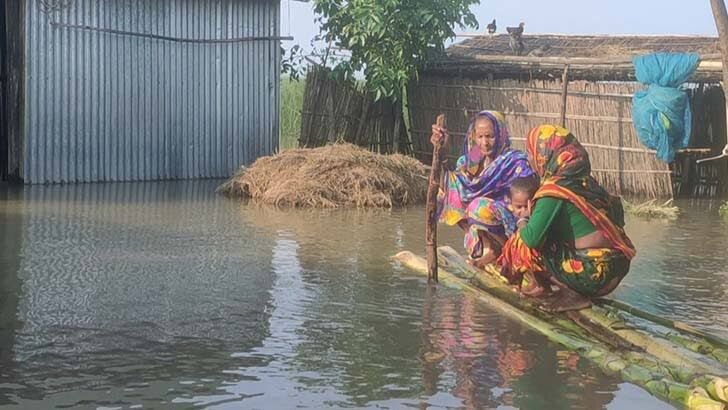
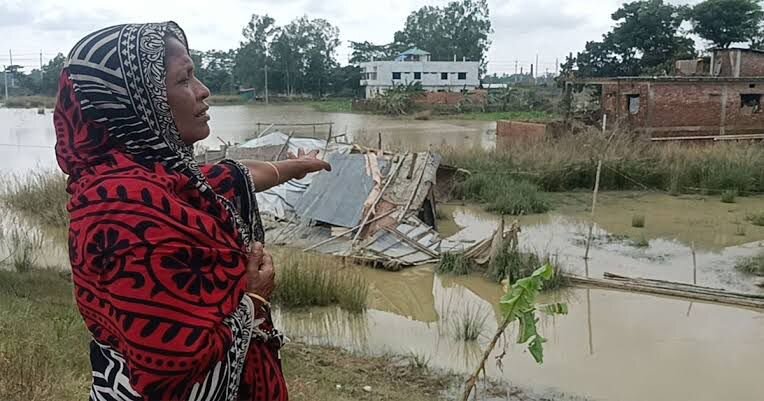
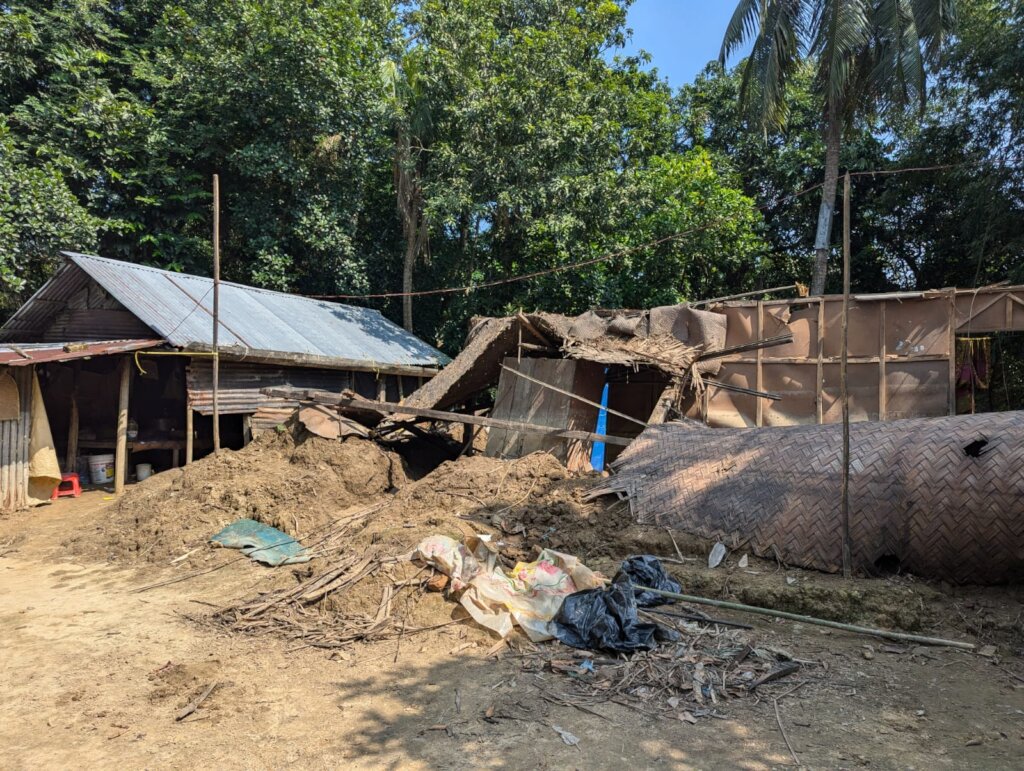
3. Long-term Rehabilitation: Long-term rehabilitation was another significant challenge. Many homes and livelihoods were destroyed, leaving families homeless and without income. Rebuilding houses and helping families restore their sources of income required significant resources and coordination.
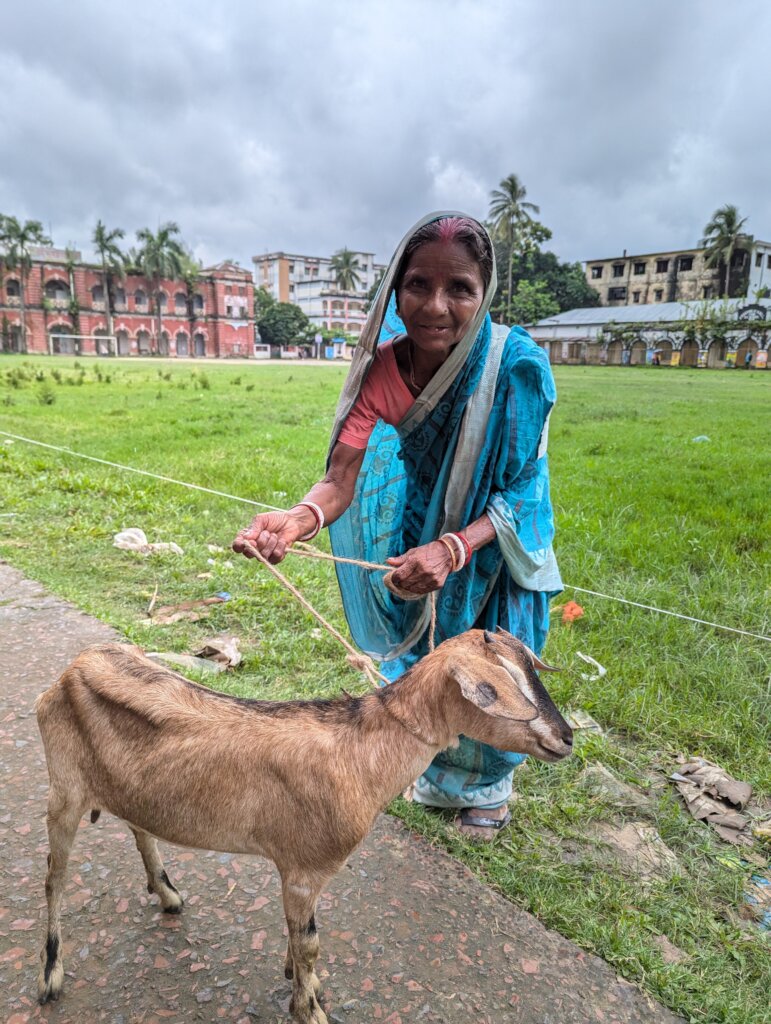
4. Economic Disruption: The flooding disrupted local economies, leaving many without income. Providing financial aid and long-term support for agriculture, small businesses and vocational training was essential to help families recover economically.
Addressing these challenges required a well-coordinated effort involving volunteers, local communities and various stakeholders to ensure effective and sustainable recovery for the flood-affected families.
Solution
OBHIZATRIK Foundation's project to Support Flood-Affected Families in Bangladesh was divided into three main phases:
Each phase was designed to address specific challenges and provide comprehensive support to the affected communities.
Phase 01: Rescue
The rescue mission was launched to ensure the immediate safety of families trapped by the floodwaters. A dedicated team of over 135 volunteers was deployed with boats and necessary equipment to reach the flood-stricken areas. These volunteers worked tirelessly to rescue more than 1548 families, ensuring they were brought to safety and provided with immediate relief.
Phase 02: Relief
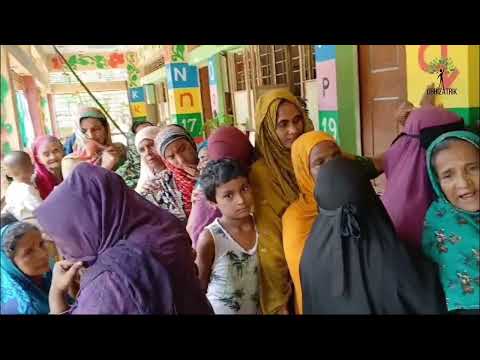
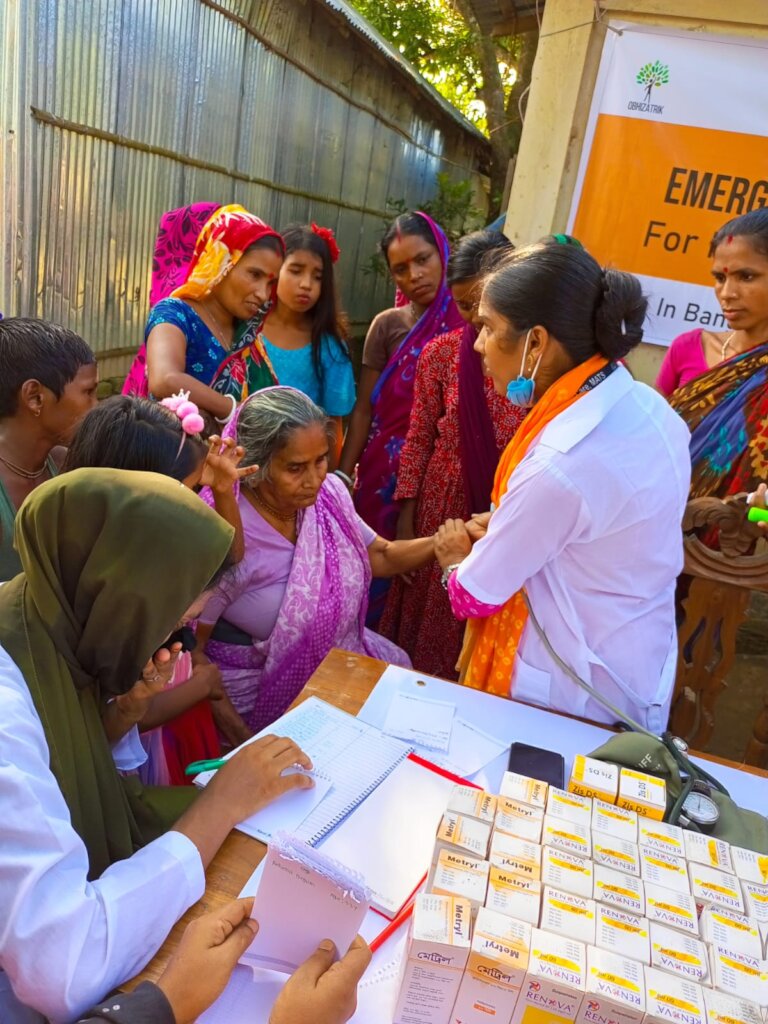
The relief phase focused on providing essential supplies and medical assistance to those in need. This phase was executed in two parts: during the rescue operations and through subsequent medical health camps.
Phase 03: Rehabilitation
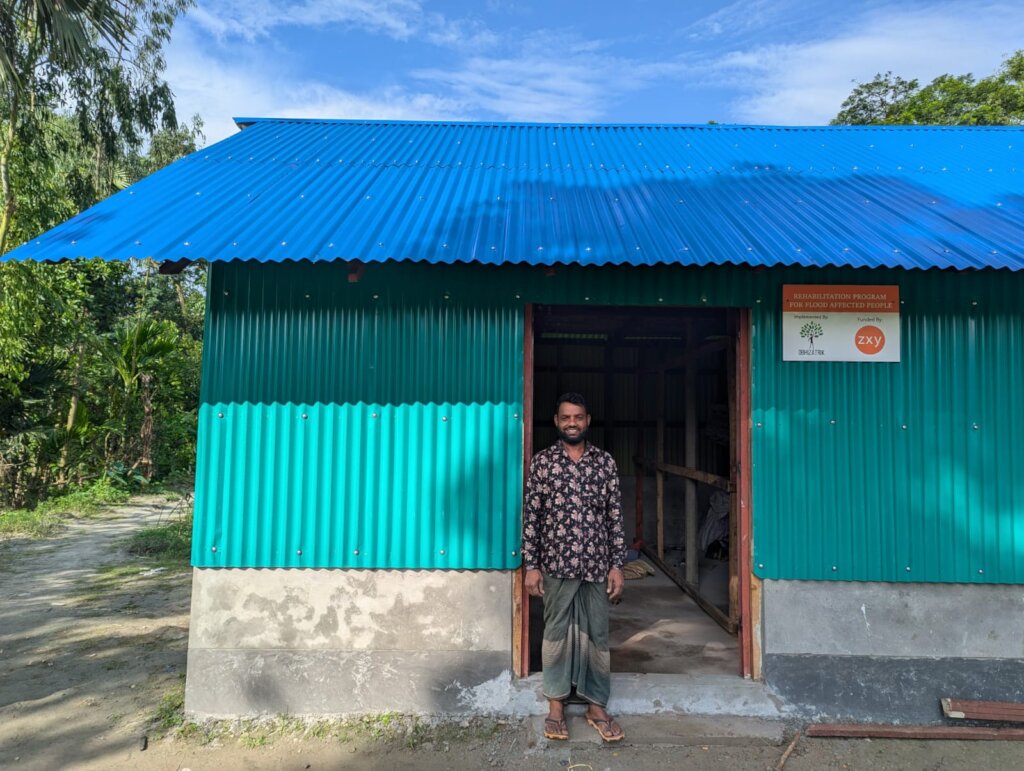
The rehabilitation phase aimed to rebuild lives and restore livelihoods to ensure long-term resilience and stability.
Through these comprehensive efforts, OBHIZATRIK Foundation has provided critical support to flood-affected families, helping them recover and rebuild their lives. The project aims to create a sustainable and supportive environment, ensuring that these communities are better prepared for future challenges.
Long-Term Impact
The long-term impact of OBHIZATRIK Foundation's project is focused on creating resilient communities that can better withstand future challenges. Here are the key areas of impact:
Through these targeted efforts, OBHIZATRIK Foundation aims to create sustainable and supportive environments for flood-affected families. The long-term impact of the project is to build stronger, more resilient communities that are better prepared for future challenges and can thrive in a sustainable manner.
Conclusion
OBHIZATRIK Foundation's Emergency Response Project has made a significant impact on the lives of flood-affected families in Bangladesh. Through a well-coordinated effort, the project successfully carried out rescue operations, provided immediate relief and initiated long-term rehabilitation efforts.
The rescue phase ensured the safety of over 548 families, while the relief phase provided essential food and medical assistance to thousands. The rehabilitation phase focused on rebuilding homes and restoring livelihoods, helping families regain their stability and hope for the future.
By addressing both immediate and long-term needs, the project has fostered resilience and self-reliance in the affected communities. The efforts to rebuild homes, support livelihoods and improve health and hygiene have created a foundation for sustainable recovery.
Overall, OBHIZATRIK Foundation's project has not only alleviated the suffering of flood victims but also prepared them to face future challenges with greater confidence and strength. The commitment to creating resilient communities ensures that the impact of this project will be felt for years to come.
Project reports on GlobalGiving are posted directly to globalgiving.org by Project Leaders as they are completed, generally every 3-4 months. To protect the integrity of these documents, GlobalGiving does not alter them; therefore you may find some language or formatting issues.
If you donate to this project or have donated to this project, you can receive an email when this project posts a report. You can also subscribe for reports without donating.



Support this important cause by creating a personalized fundraising page.
Start a Fundraiser