Project Report
| Jun 4, 2024
17 TEENAGE MOTHERS RECEIVE RABBITS
By Ainemukama Prosper | PROJECT LEADER
![]()
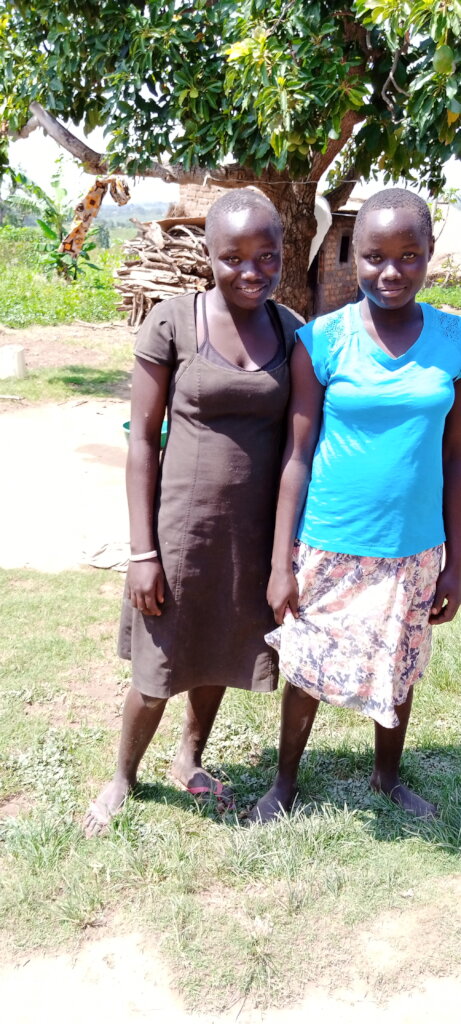
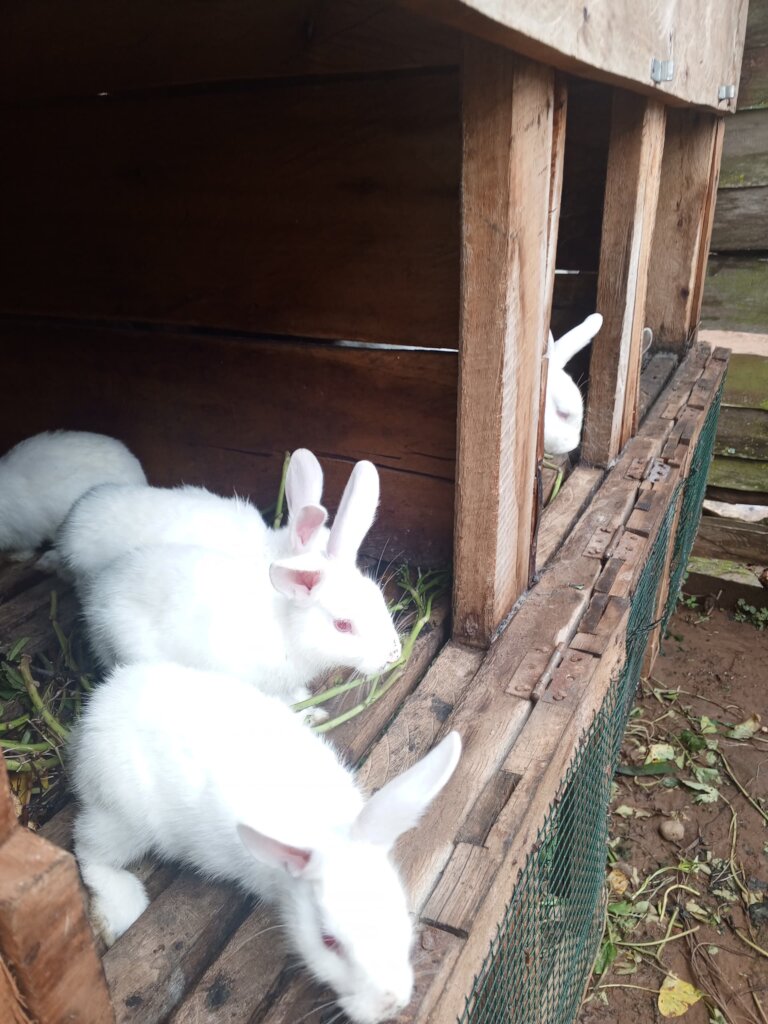
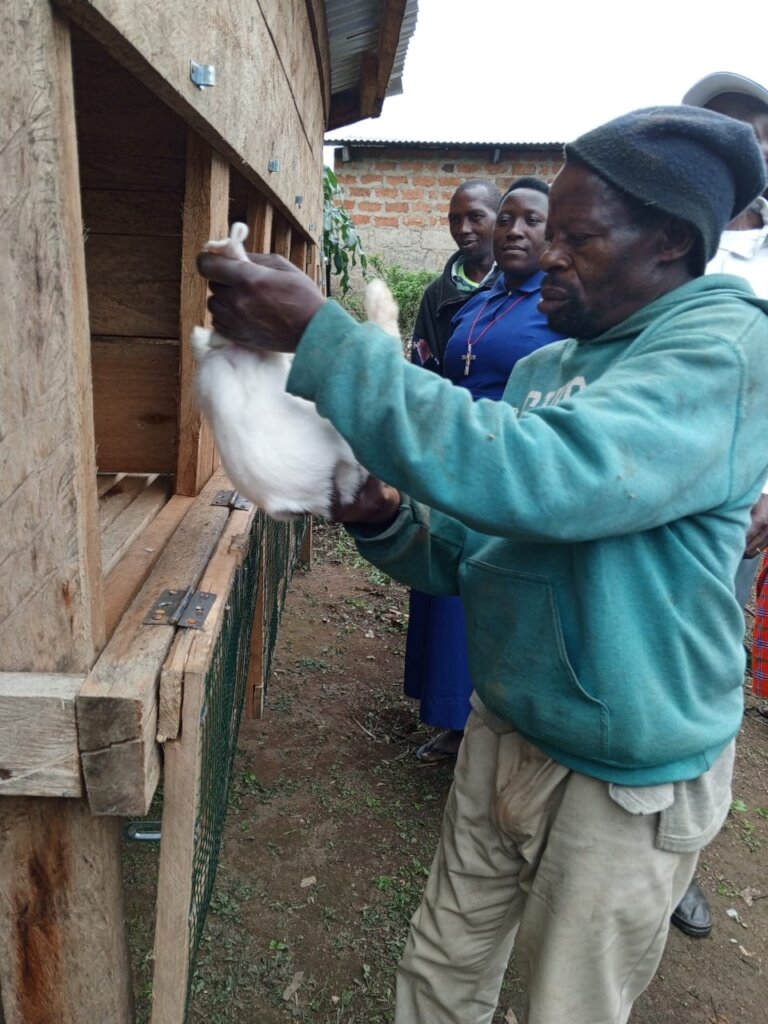
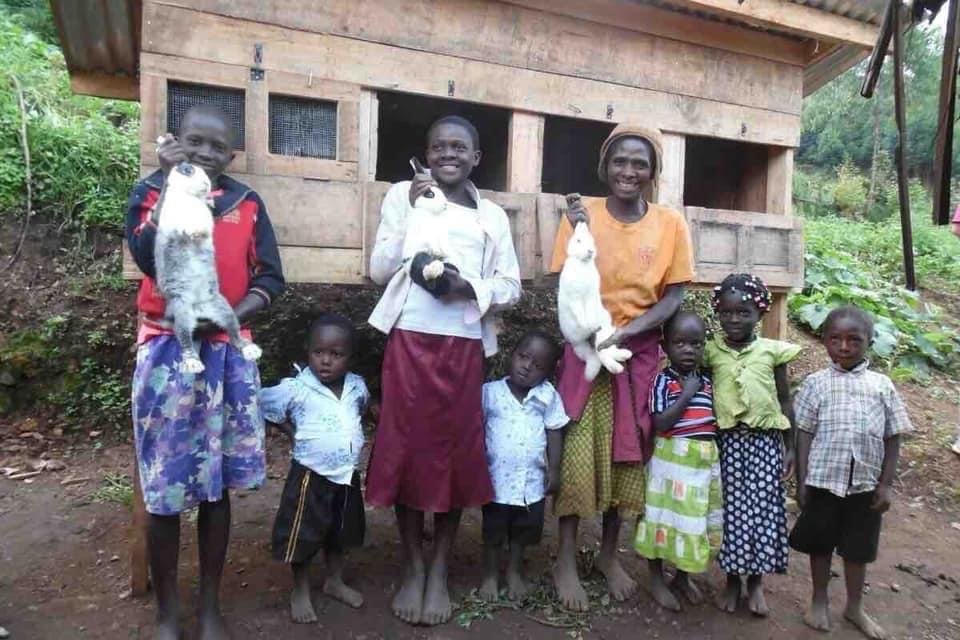
17 teenage girls receive rabbits supported by parents and other community members.The COVID-19 pandemic impacted all aspects of life in Uganda, resulting in school closures, loss of jobs, and disruptions in access to health and social services. But no group felt the effects of the pandemic more than teenage girls. Sex abusers, forced marriages and early marriages descended on teenage girls, rising rate of pregnancies to unprecedented levels in the country. Media reports of many young girls conceiving became especially common during the lockdown period and this in the end made worse by culture and unsupportive parents made them single mothers as the men that made them pregnant abandoned them and or denied the pregnancy. Single motherhood comes with the burden of raising the child and making sure that the child gets the basic care together with the mother. The teenage mothers were trained and rabbit breeding cages constructed by the community members
Unfortunately, these girls cant find decent jobs or work as they are limited by the level of education and societies disdain. To support their struggle to better families, KIHEFO has provided rabbits to these mothers in their local groupings as rabbit breeding has been the most effective form of income generation for poor families since they provide nutritious protein to the family. They have a gestation period of 30 days and maturity of 100 days hence making multiplication easy which in the end increases the sales thus an increase in the household income. We thank our partners who have supported us in this project and we pray that more partners join us in the fight to get poor people out of poverty.
Feb 5, 2024
53 Refugees and host communities receive rabbits
By GEOFFREY ANGUYO | PROJECT LEADER
![]()
The urban poor refugees and host communities in Arua City in represent a large portion of the population of the City, yet little is documented about their livelihoods. There is a whole wide range of the livelihoods present among the population of the urban poor and the context in considered which they exist, that forms a foundation for future programming.
Six different livelihood strategies were identified and described: Non-poor Casual Laborers, Poor Casual Laborers, Non-qualified Salary, Qualified Salary, Vocation or Services, and Petty Traders and Street Vendors. Each of the livelihood strategies identified held vulnerabilities. Vulnerabilities include land tenure issues, malnutrition monitoring, gender based violence, insecurity and poverty. Unhygienic and unsanitary practices further expose them to infectious diseases that in one way or the other get worsened by the prevalent low social economic status.
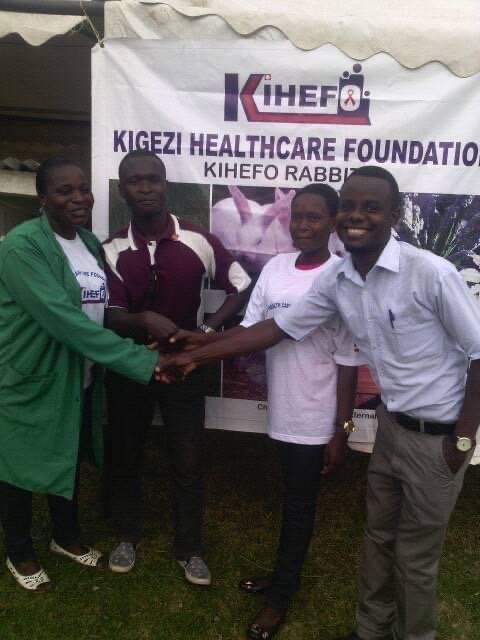
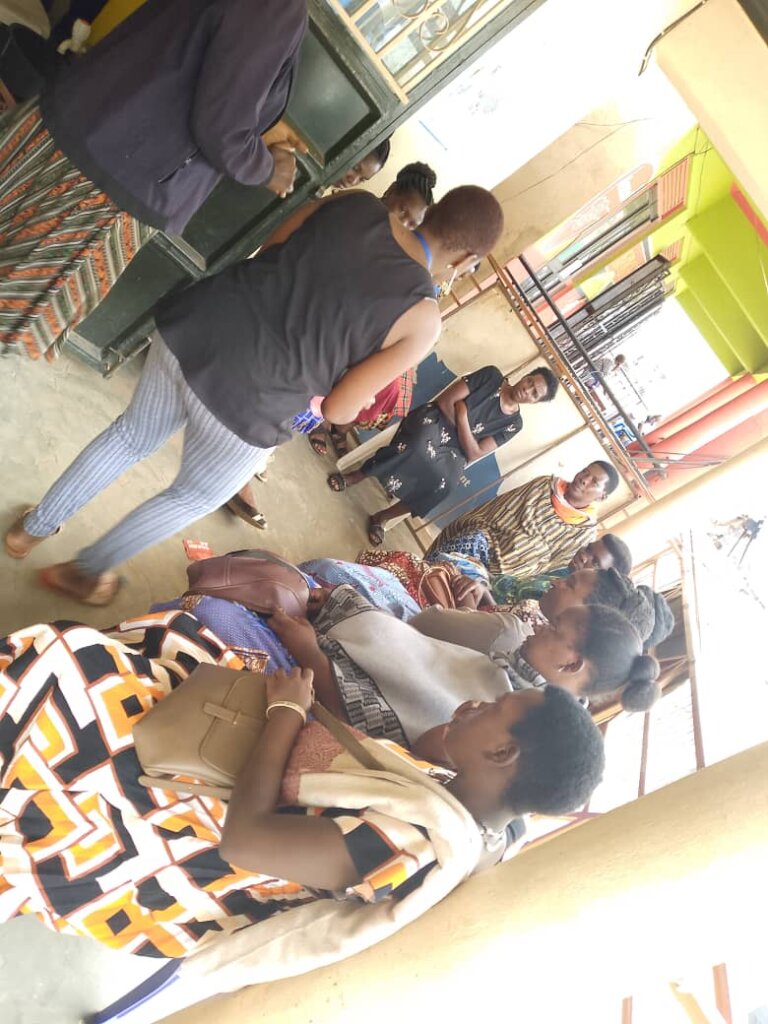
About three months ago, women led groups and refugees among the poor urban communities were taken through simple sessions where they were taught about rabbit keeping. This was well received and a means to raise them from the biting jaws of poverty. So Kigezi Healthcare Foundation under it's rabbit keeping program provided mini breeding centers. Two mini breeding centers have been established in different communities to serve the different refugees and host communities groups and this will reach out to a minimum of 53 families that will impact a minimum of 334 people. These breeding centers will provide the different groups with rabbits of better breeds where each family received two female and one male that will help her start a rabbit farm. We are now connecting these groups to the different market companies. Further more, we are engaging the community to establish a community based clinic with a community insurance component where people will pay their premium with rabbits. 10 rabbits will pay premium for one year and a family of five people will contribute 50 rabbits and one female rabbit produces an average of 60 rabbits in a year. This is viewed as a means to improve the general health of such a community . We thank our dedicated donors who have tirelessly contributed to this project.
Oct 10, 2023
30 FAMILIES LIVING WITH HIV/AIDS GET RABBITS
By GEOFFREY ANGUYO | PROJECT LEADER
![]()
Local communities in Uganda most especially vulnerable groups such as people living with HIV have been affected severely by stinging poverty that later has cascading results such as malnutrition which directly affect the future of the country. Well this is a challenge under solution as an intervention has been put in place where groups of the locals have been given rabbits to rear so as to solve poverty and improve quality of life. Rabbit breeding was first introduced to fight malnutrition and when the rabbits started multiplying rapidly families started selling the excess rabbits they could not eat and generate the much needed additional income.
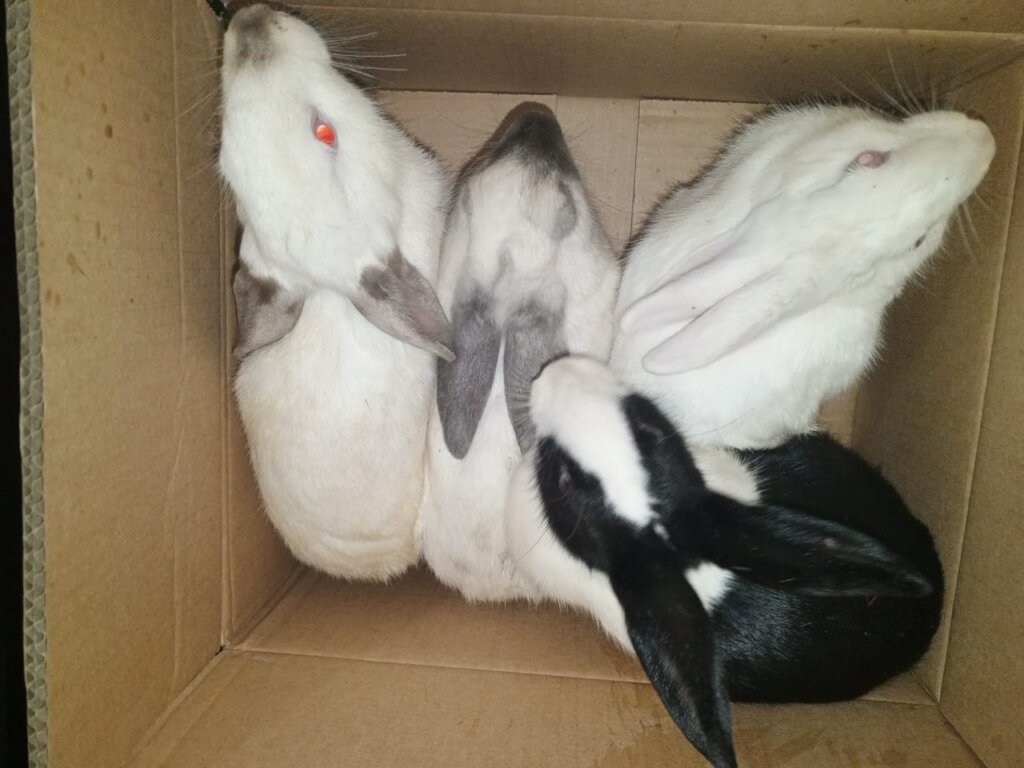
Families living with HIV/AIDS are specifically vulnerable because a number of them are not involved in income generating activities. At the beginning of this year we identified vulnerable families living with HIV , one family chosen from each of the groups formed received three rabbits (two females and a male) to look after so as to be a mini breeding center for the rest of the families in each group. Rabbits were chosen due to their relatively easy way of rearing as common occurring weeds,vegetables and dry housing is sufficient enough. The female rabbits got pregnant and took thirty days to litter averagely nine each increasing the number to twenty and the young ones took three months to mature with the females getting pregnant again and littering after September to increase the number to beyond thirty.
These have provided the focal families rabbits to give other families in the group rabbits so that they can start their own farms. Again, the rabbits have been eaten as they are essential source of proteins hence combating protein energy malnutrition a condition synonymous with this vulnerable population. The surplus has been sold by the families while keeping some for continuity of the farm to provide basic needs such as improved shelter, clothing and most importantly the children are now able to go to school! This has been received received with enthusiasm from the locals and government as its in line with the country's aims and sustainable development goals. We thank our partners for supporting us in this project and we plan to reach out to more vulnerable families. These rabbits are given out on revolving basis. When a recipient family has more than twenty rabbits they give out three to a family chosen by the group and they would have settled their obligation to the members.