By Luiz and the forestry team | Iracambi Foresters
Dear friends and supporters,
We really hope you are doing well, wherever in the world you may be!
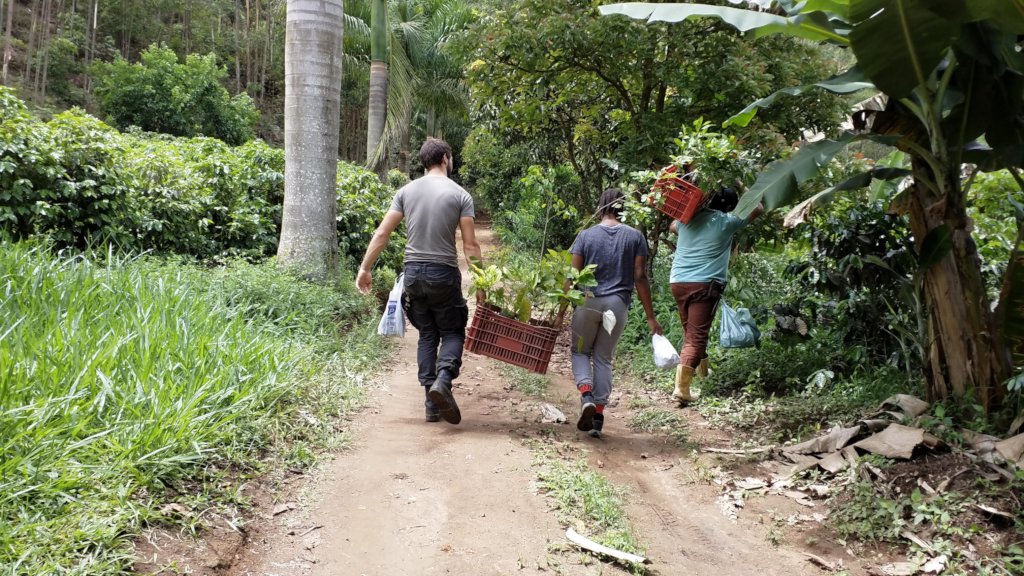
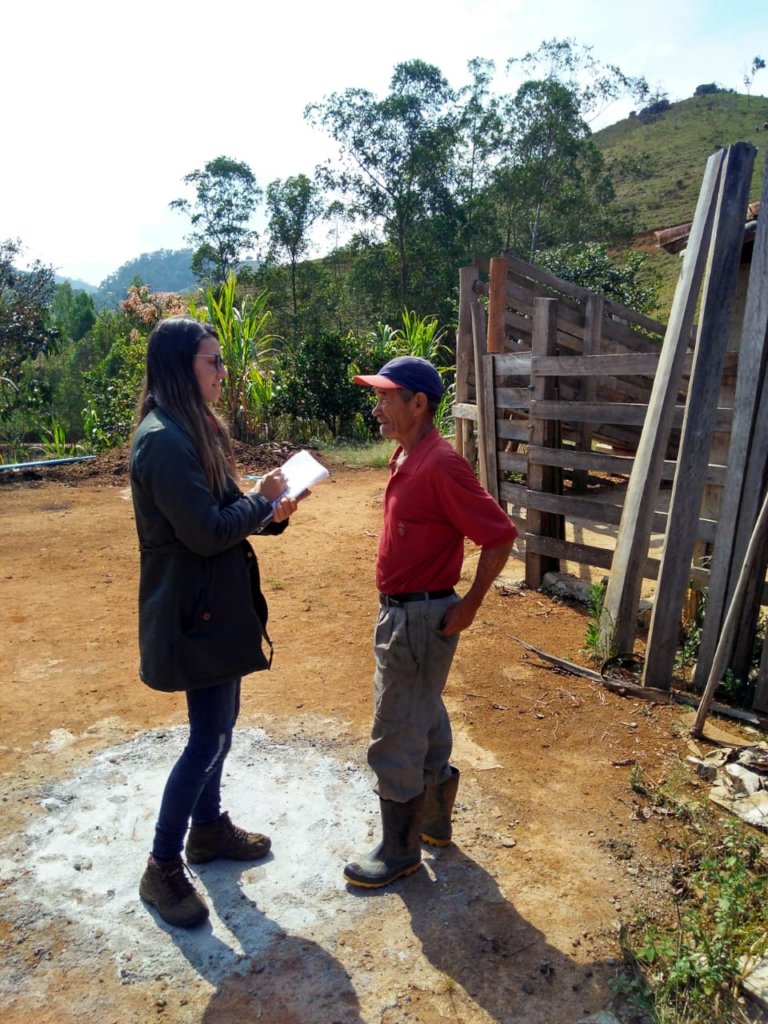
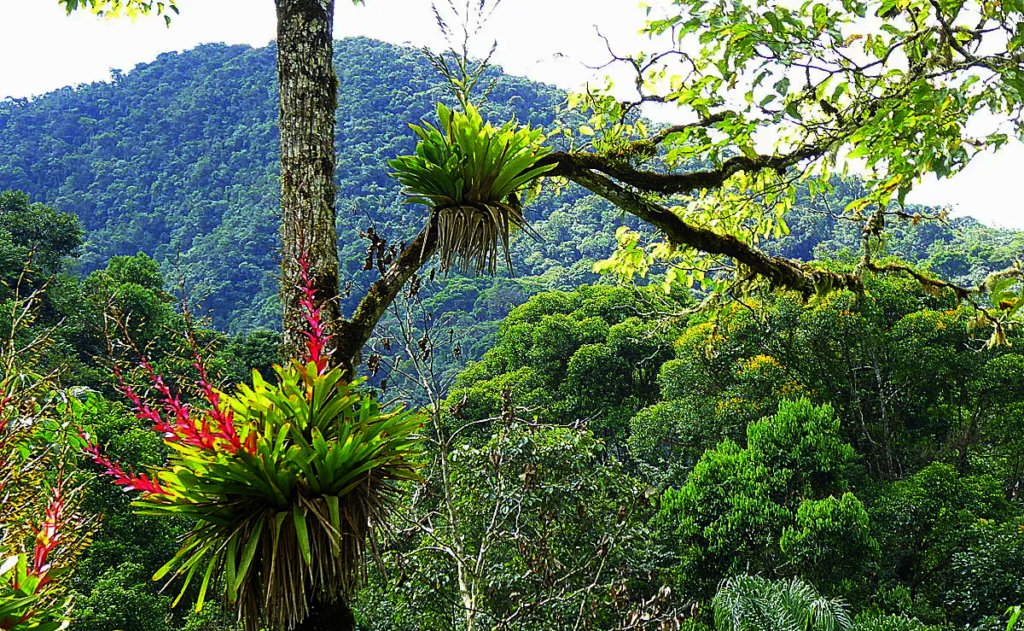
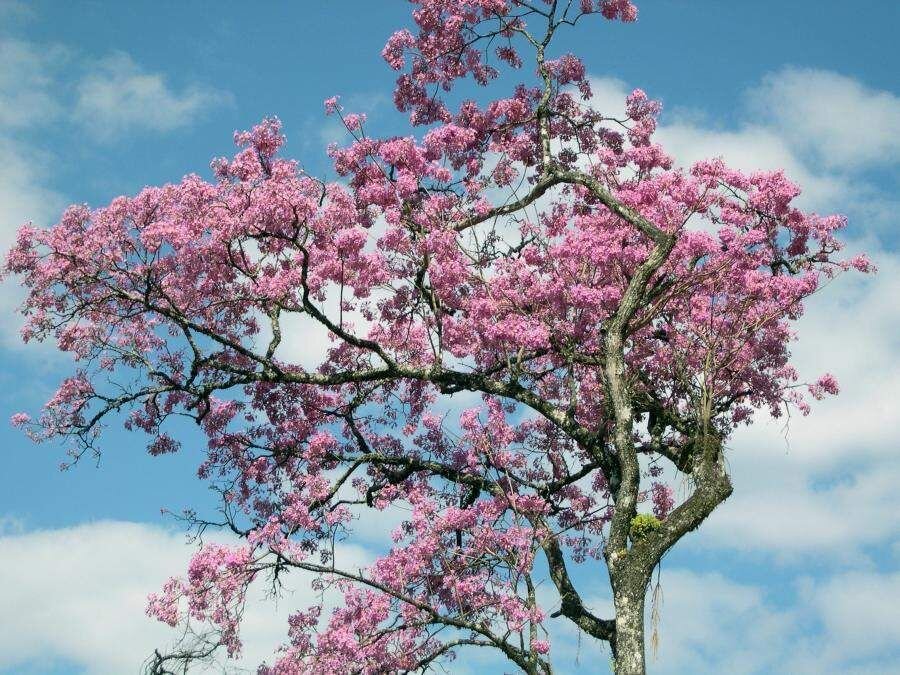
Here in the rainforest it's been, predictably, hot, wet, muddy and sometimes breathtakingly beautiful. And we are just entering the flowering season when the forest is ablaze in hot pinks, purples, and yellows. When we ask local people their names, they come up with a variety of answers.
The same tree can have one name this side of the mountain, another on the other side of the mountain, and yet another fifty miles away. So how in the world do we know what to call it?
Here's where the system of scientific names comes to the rescue. All plants and animals have multiple common names and one Latin scientific name which consists of two parts. The first part tells us which is the genus, and the second part which is the species.
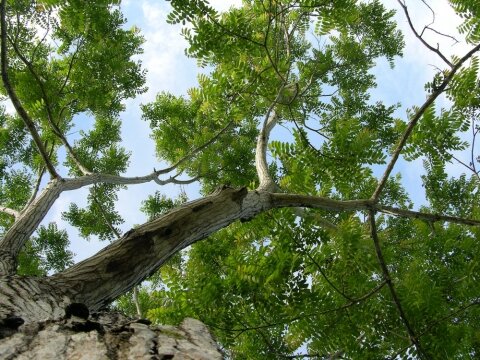
So why do we need scientific names? Because a scientific name is a precise description of a species, universally understood across the globe, and the only way to avoid confusion! For example, in this part of the world we often hear trees described as cedars. What is commonly described as a cedar in most parts of the world - think Cedar of Lebanon - is from the genus Cedrus: Cedrus libani. Around here the "cedar" is from a completely different genus: Cedrela and is correctly named as Cedrela odorata. Same goes for the famous ipê with its signature yellow trumpet flowers. It comes from the Handroanthus genus: Handroanthus chrysotrichus, whereas the pink flowering "ipê" is from another genus: Tabebuia roseolaba.
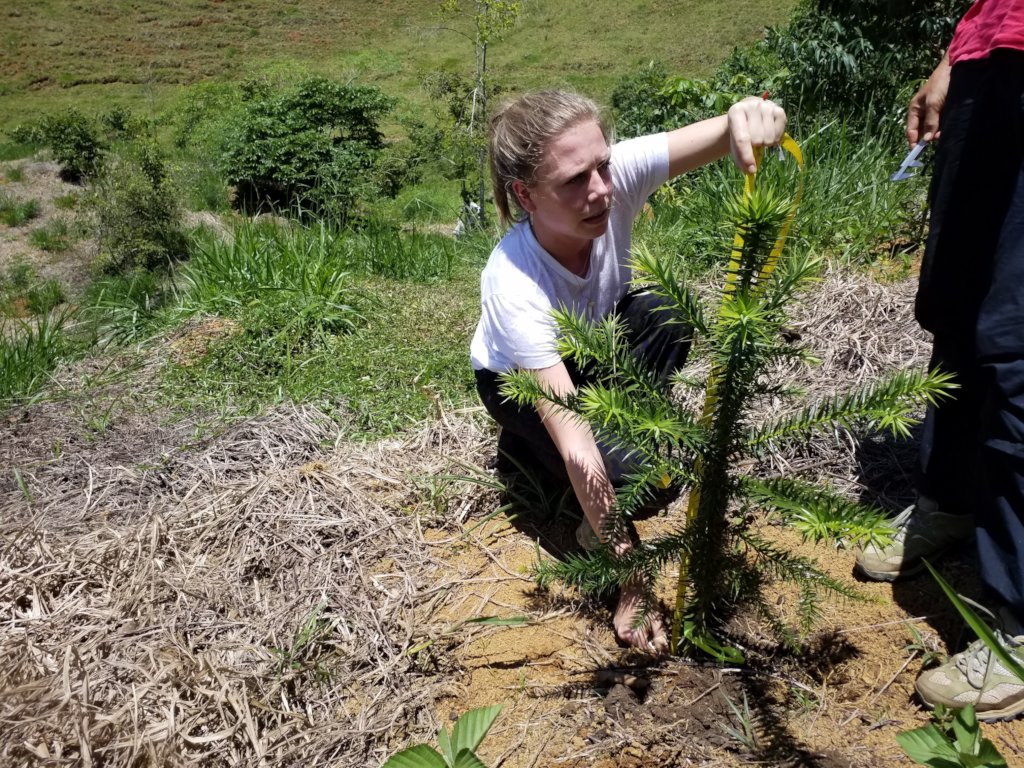
And all this is particularly important because there are 20,000 species of vascular plants in the forest, and we need to be accurate when we document them! So, dear friends and supporters, we hope this brief description is helpful next time someone asks you the name of a particular plant!
And the next time someone asks you the name of a particular plant, take the trouble to look it up. And then we'll all know what we are talking about!
with lots of rainforest love and appreciation,
Luiz and the forestry team
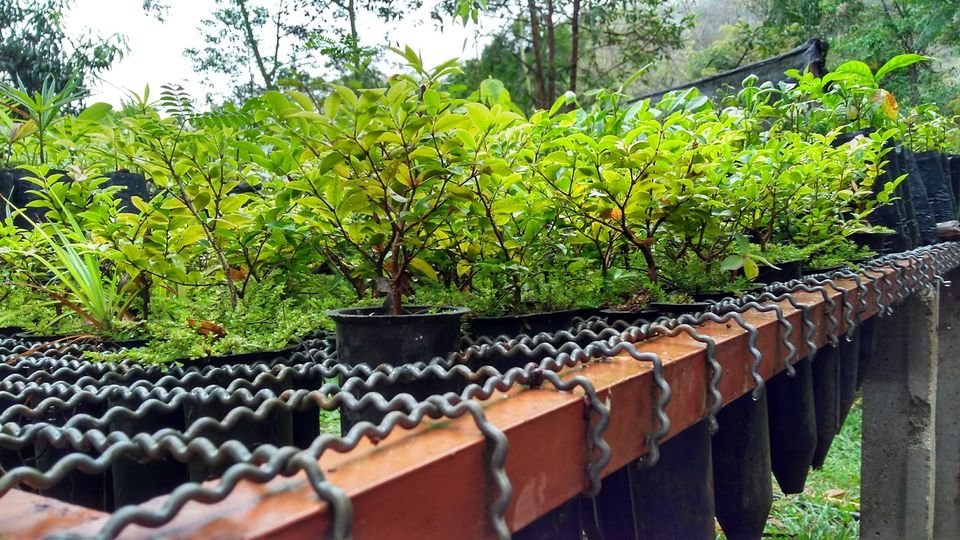
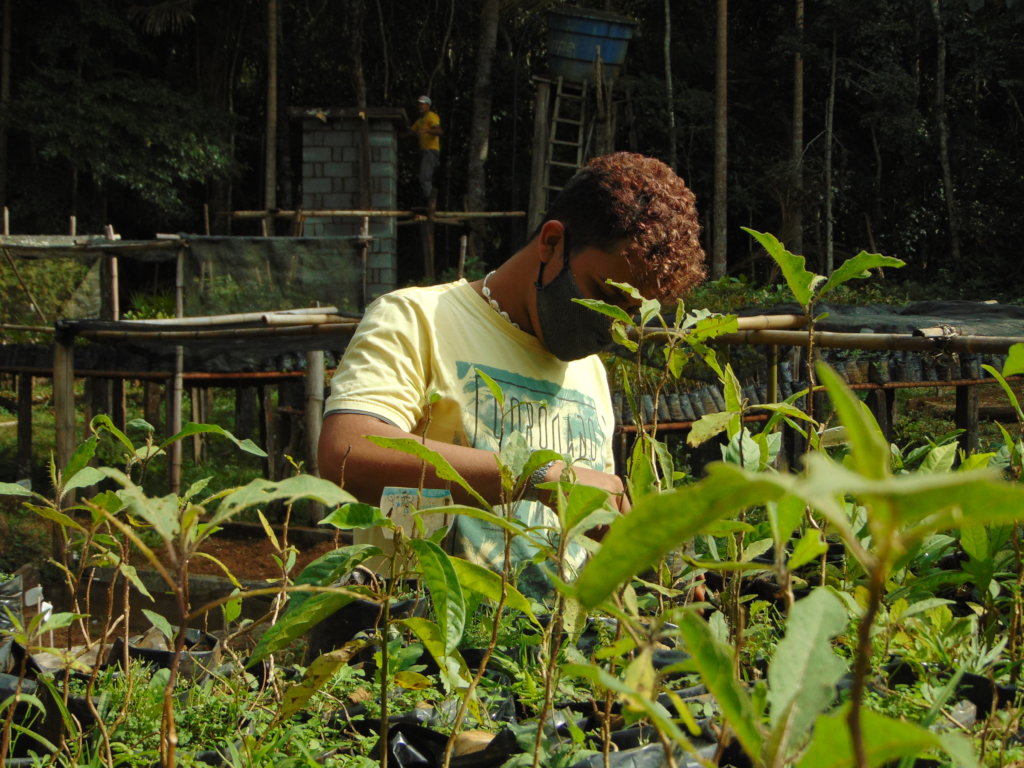
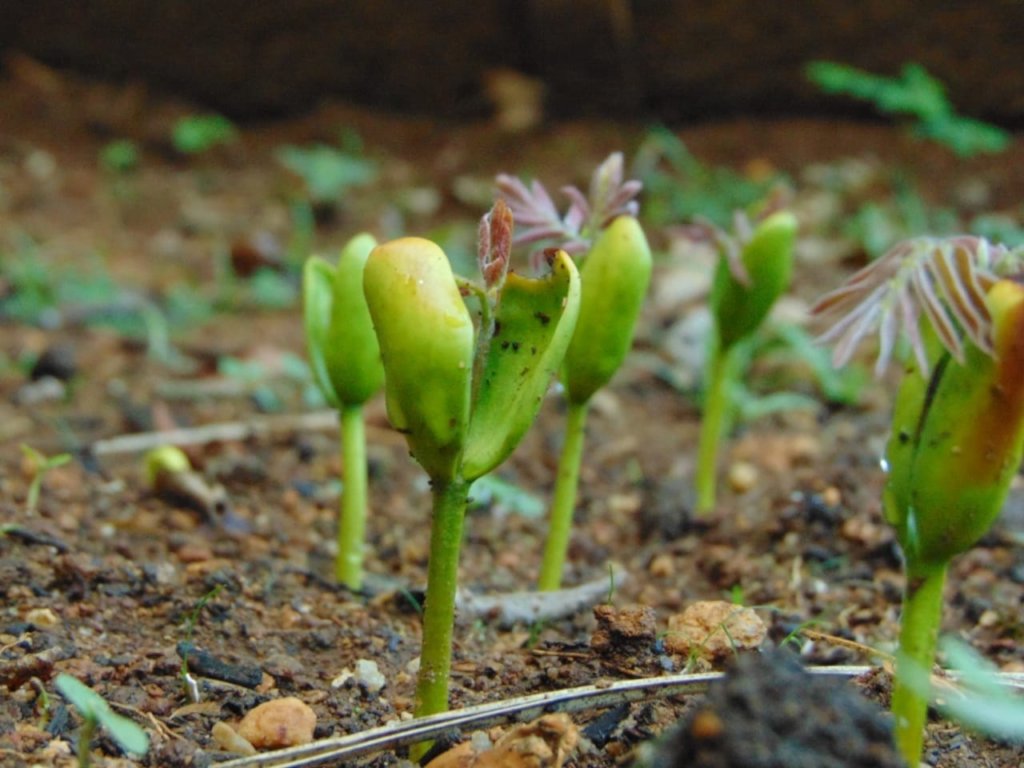
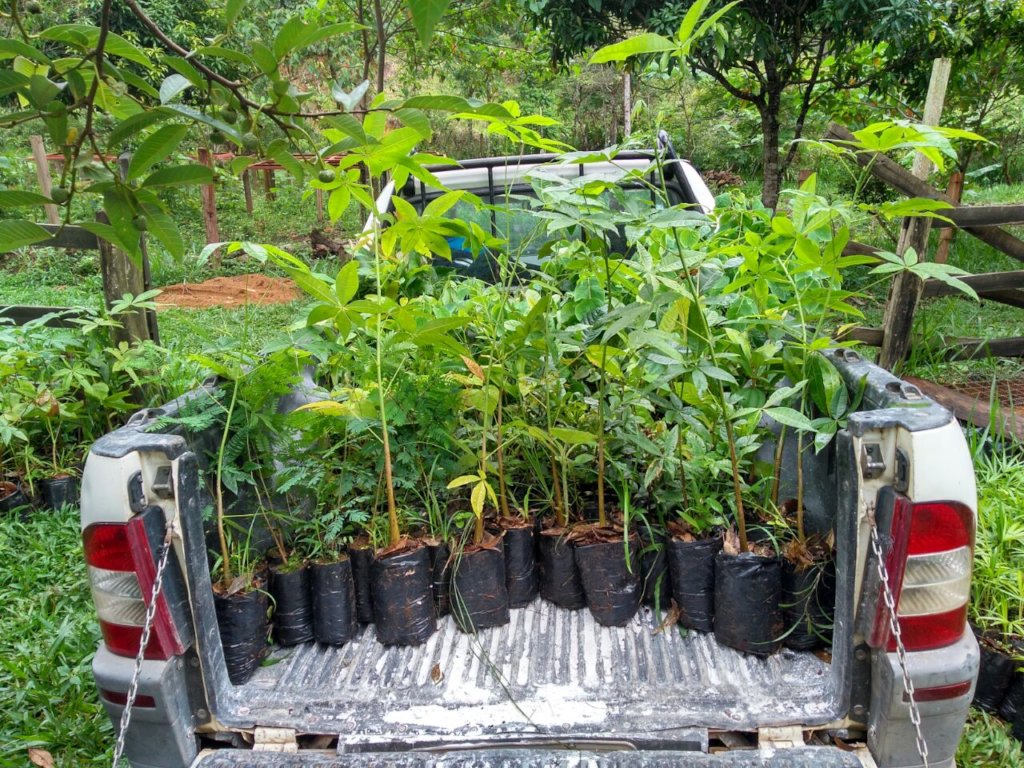
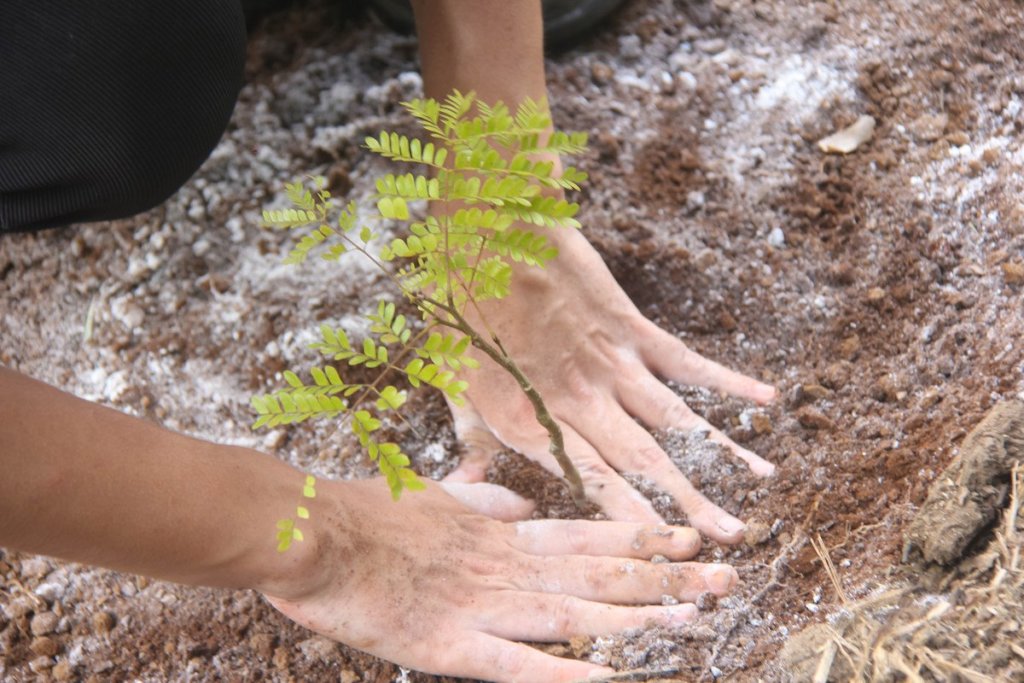
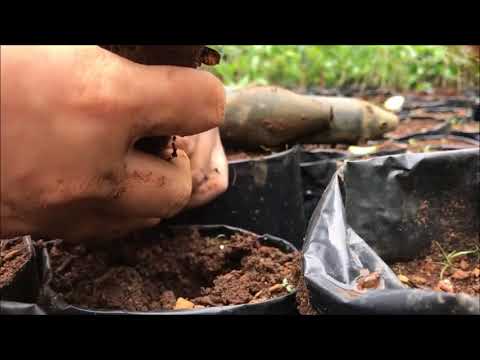
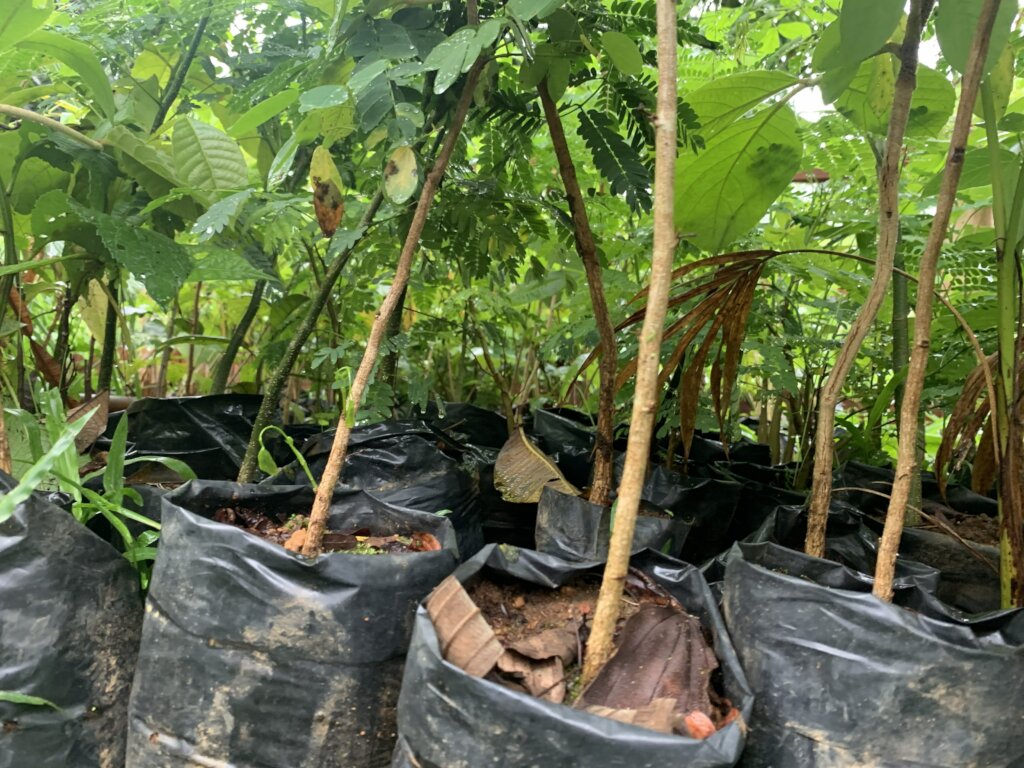
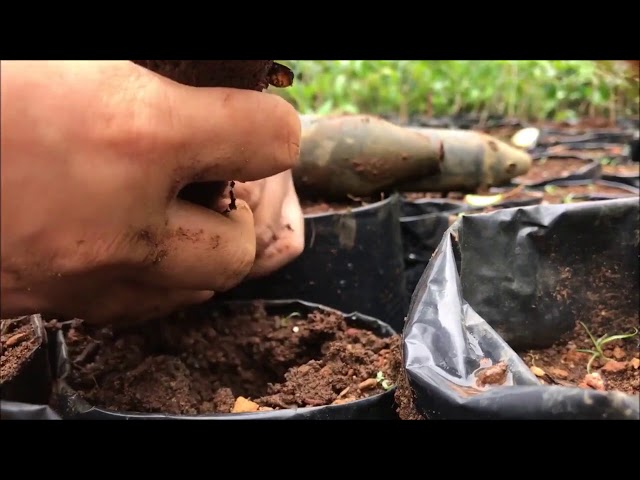
PS We have as many as 70 different species in our forest nursery....
Project reports on GlobalGiving are posted directly to globalgiving.org by Project Leaders as they are completed, generally every 3-4 months. To protect the integrity of these documents, GlobalGiving does not alter them; therefore you may find some language or formatting issues.
If you donate to this project or have donated to this project, you can receive an email when this project posts a report. You can also subscribe for reports without donating.



Support this important cause by creating a personalized fundraising page.
Start a Fundraiser