Project Report
| Sep 11, 2018
Nyoti Progressing and Learning
By Amalayodhin | Project Leader
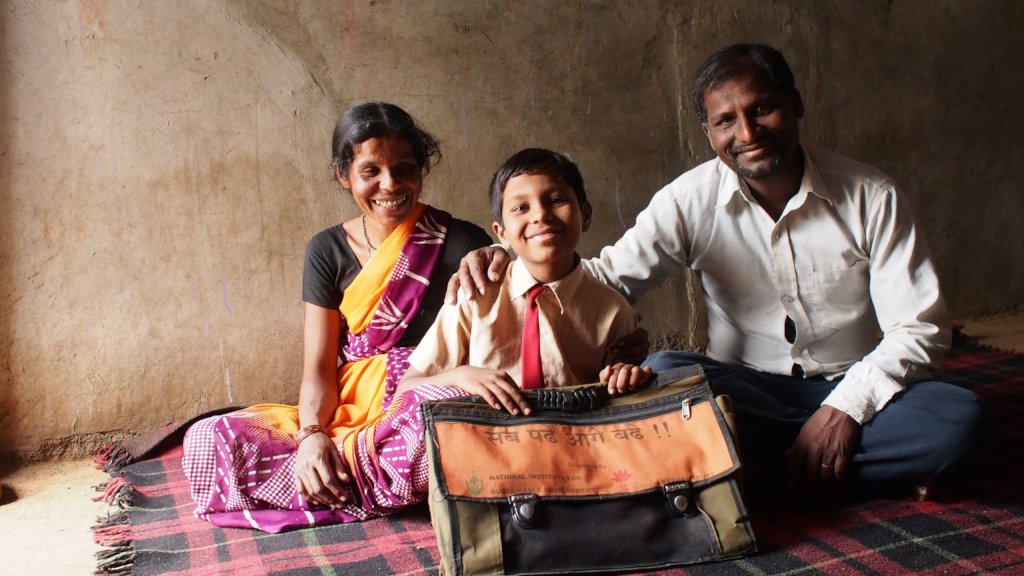
![Nyoti with her Mum]()
Nyoti with her Mum
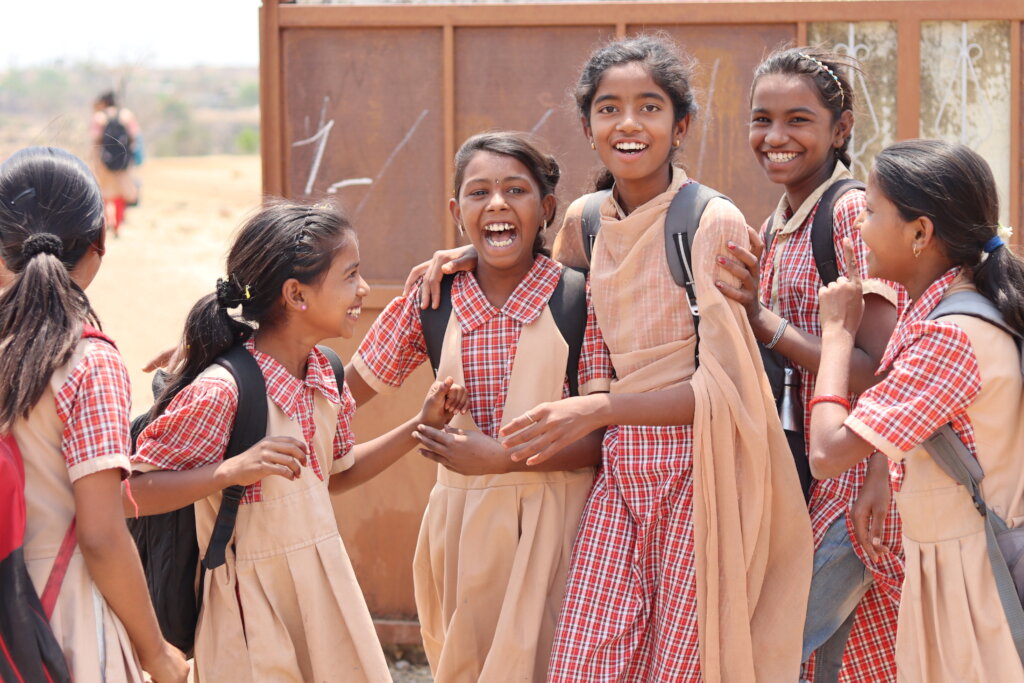
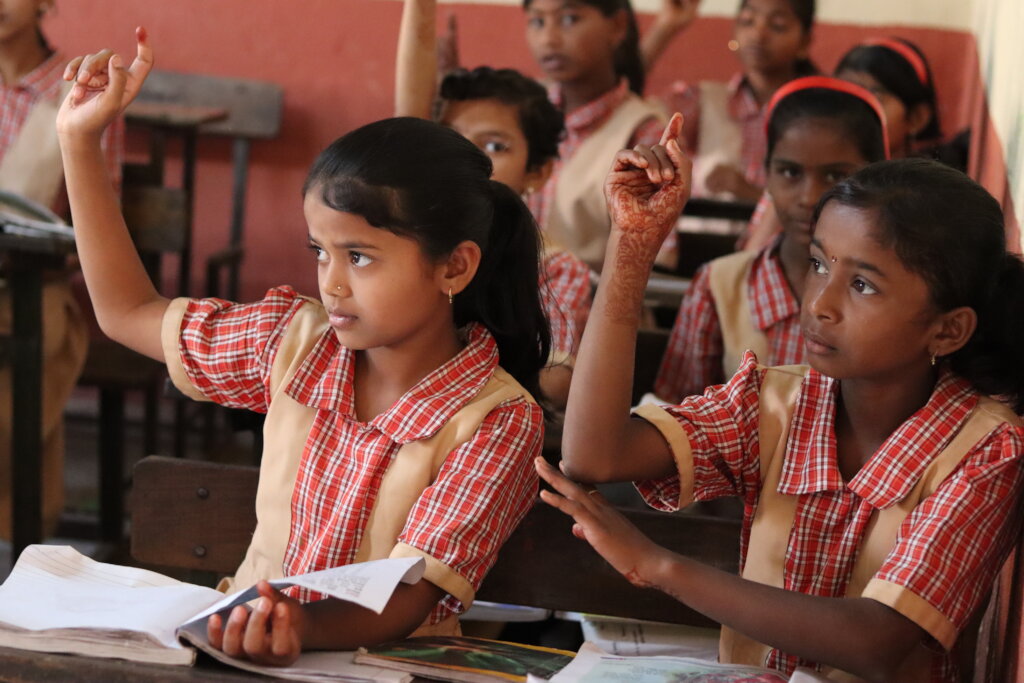
In order to help student’s complete their education and stay out of child labour and child marriage, the project supports the worst off families to cover the expenses of sending their children to school. The team covers costs for school enrolment, uniforms, stationery and books.
Nyoti, 12, is in 6th standard in Zole High School. She has had her expenses covered by the project so her family can continue to afford for her to complete her education. Nyoti parents are both day labourers and earn very little. Nyoti has lots of potential. She has won local art competitions for her drawing and she is active in the local dance school. In the future, Nyoti wants to finish school and maybe go on the study medicine. Nyoti’s sister Myuri is also supported by the project. She is planning to go abroad where she can study hotel management.
![Share on Twitter]()
![Share on Facebook]()
Jun 13, 2018
Sandhya Helped To Help Her Children Thrive
By Kevin Croke | Project Leader
![]()
As part of an integrated approach to keeping children in school, the project run a caregiver programme for parents and caregivers to children between 0 – 4. The purpose of this is to make sure that children develop physically and mentally in the first crucial years of development. It is understood that children who have not received proper care in these early years are much more likely to drop out of school later. The caregiver programme covers areas such as proper diet for mothers when pregnant, child nutrition including breastfeeding as well as practices to avoid such as massage with vegetable oil and putting oil in children’s hair which can lead to skin infections.
Sandhya joined the caregiver programme after she had her son Vicas. When the project first made contact with Sandhya she was using a number of child care practices that were based on superstitious belief. For example, Sandhya shared the belief common amongst the local community that inoculations were damaging for a child. She was also using kajal (a mix of dye and charcoal) under Vicas’s eyes, which can cause infections and eye complaints.
Sandhya dropped out of school when she was in the fourth standard and as a result cannot read. The project uses diagrams and games to illustrate proper caregiving practices so that Sandhya and others like her will benefit from the classes without having to read complex manuals.
As part of the caregiver programme, the project is monitoring Vicas’s weight and health. He is doing well developing at a proper rate for his age. Sandhya is grateful for the project. She has an older daughter and is noticing the improvement in Vicas’s development in comparison to when her daughter was very little.
![]()
![Share on Twitter]()
![Share on Facebook]()
Mar 19, 2018
Digress High School Developing and Thriving
By Kevin Croke | Project Leader
![]()
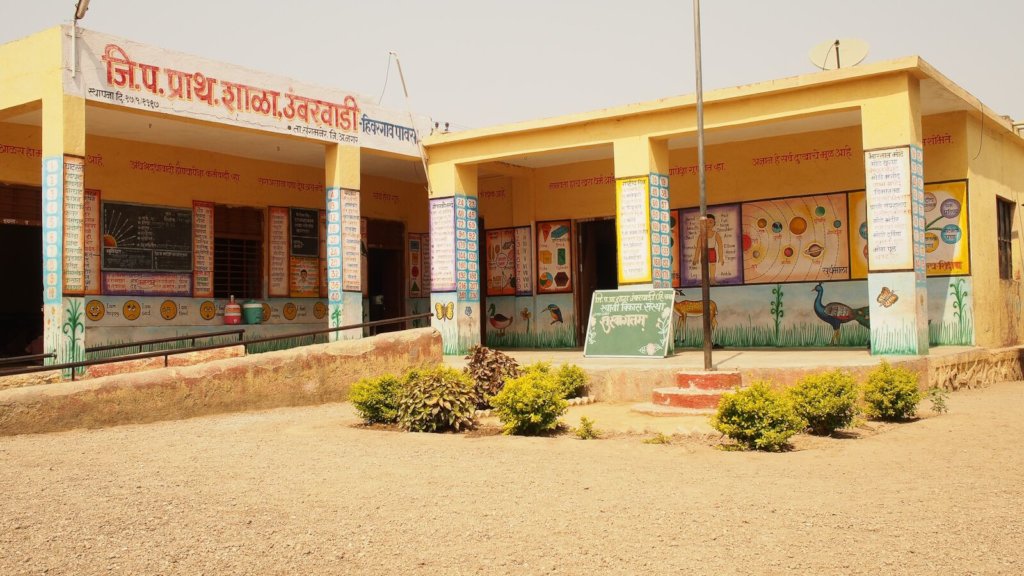
Digress High School is in a rural and drought-prone area of Maharashtra outside Sangamner. The school was supported by the project in 2010 and 2011. The students are from marginalised caste backgrounds. Most of their parents are goat herders and spend large parts of the year moving around to graze their goats. The children are left with grandparents and other relatives. When the project first started working in the community to support children’s education the school was failing and in need of help.
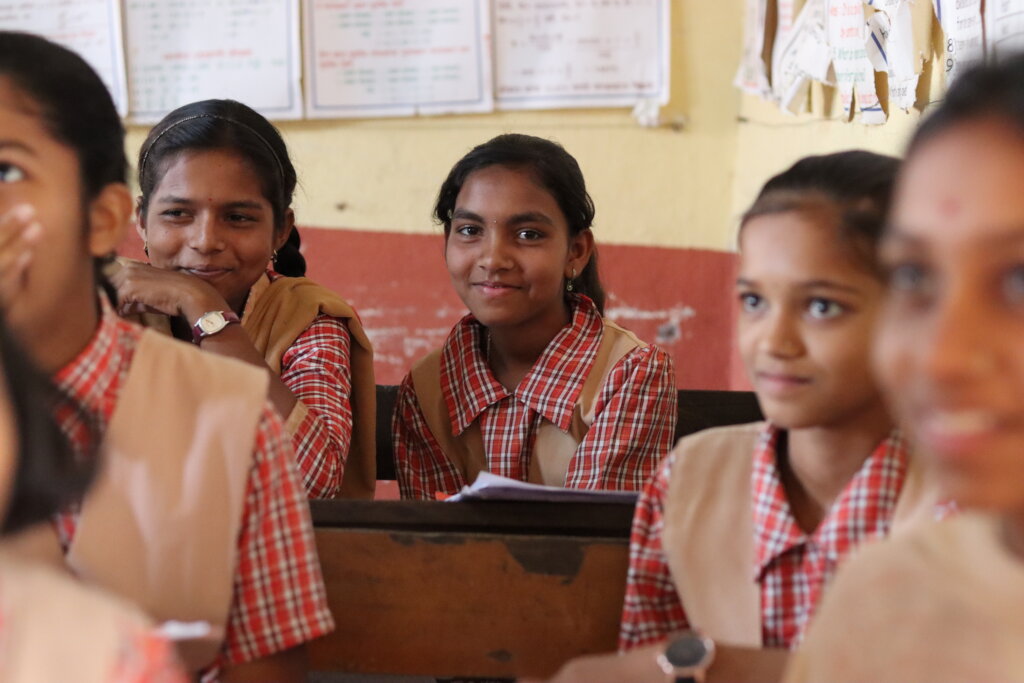
The project worked with the community to gradually and steadily make incremental improvements focusing on teaching methods, school facility improvements and community support. All of the students were below the poverty line and received financial support as a result. Today the school is thriving and the community invested in their children’s education. The pass rate of the students graduating on to their next academic year is 100% with most students averaging 90%.
Recently the teachers at the school attended gender sensitisation training looking to examine gender roles in the classroom. The result is that students are taking their learning back to the home where they are discussing equal treatment between girls and boys. In the future, the school is planning a residential school for orphans and for children whose parents are living outside the locality.
![Share on Twitter]()
![Share on Facebook]()