Project Report
| Oct 29, 2014
Getting The Whole Community Behind Kids' Education Photo Update
By Keval Shah | Keval Shah
![]()
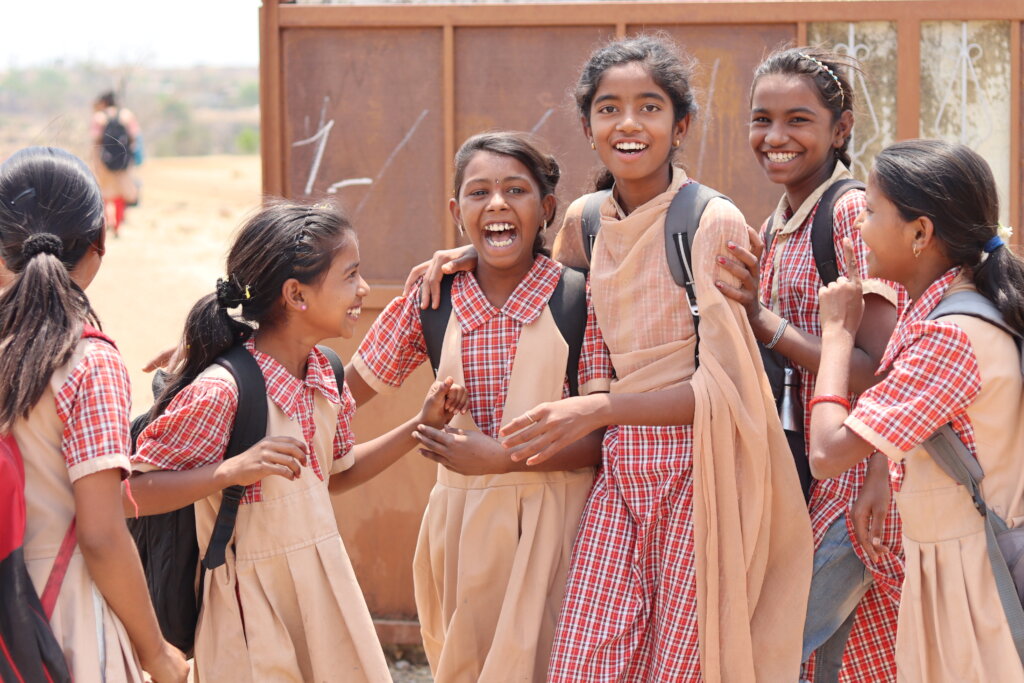
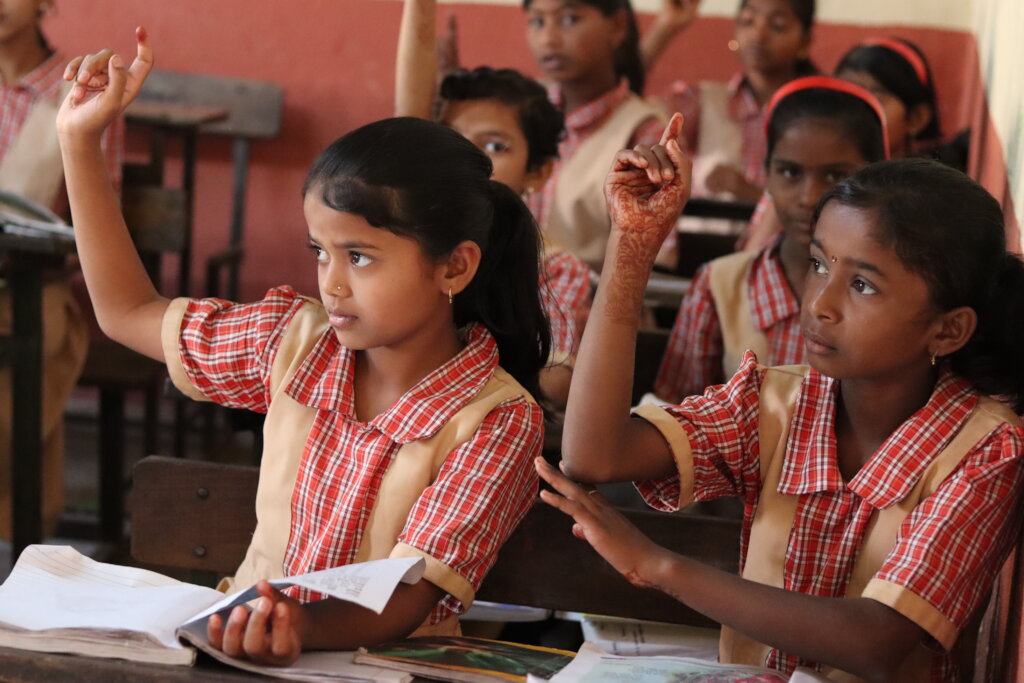
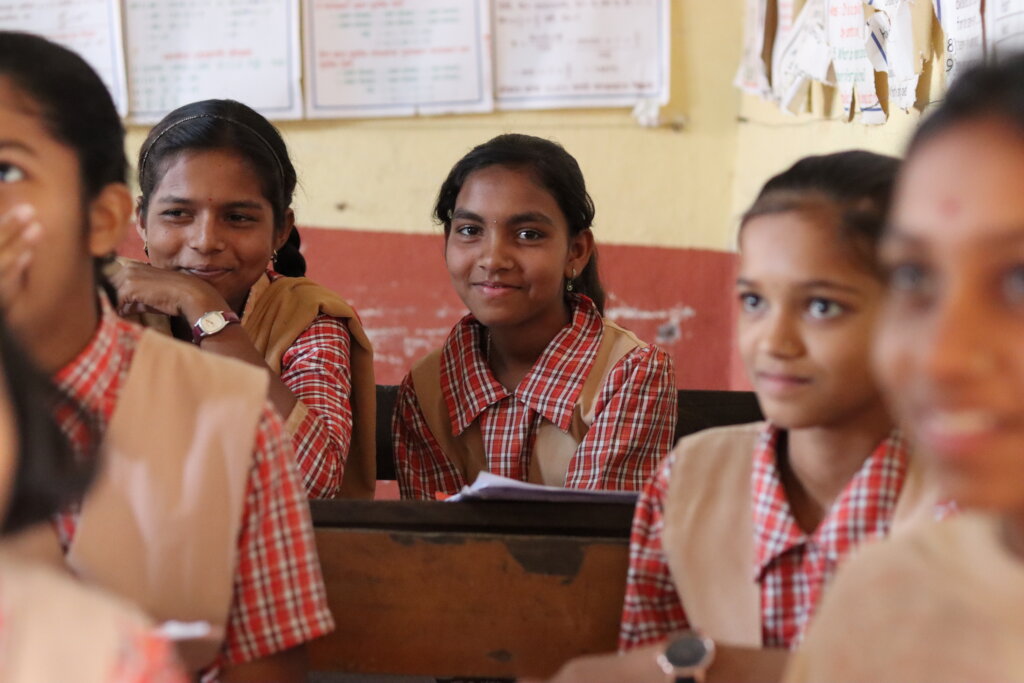
Karuna works to get 10,000 kids into education in Mahrashtra, India. Vital to our goal is that all sections of the villages we work in are behind the education of their children. This includes parents, teachers, village elders and government officials. Often children are taken from school as a result of financial pressure felt by parents. It costs money to send a child to school. There is also the lost income a child would have earned had they been working.
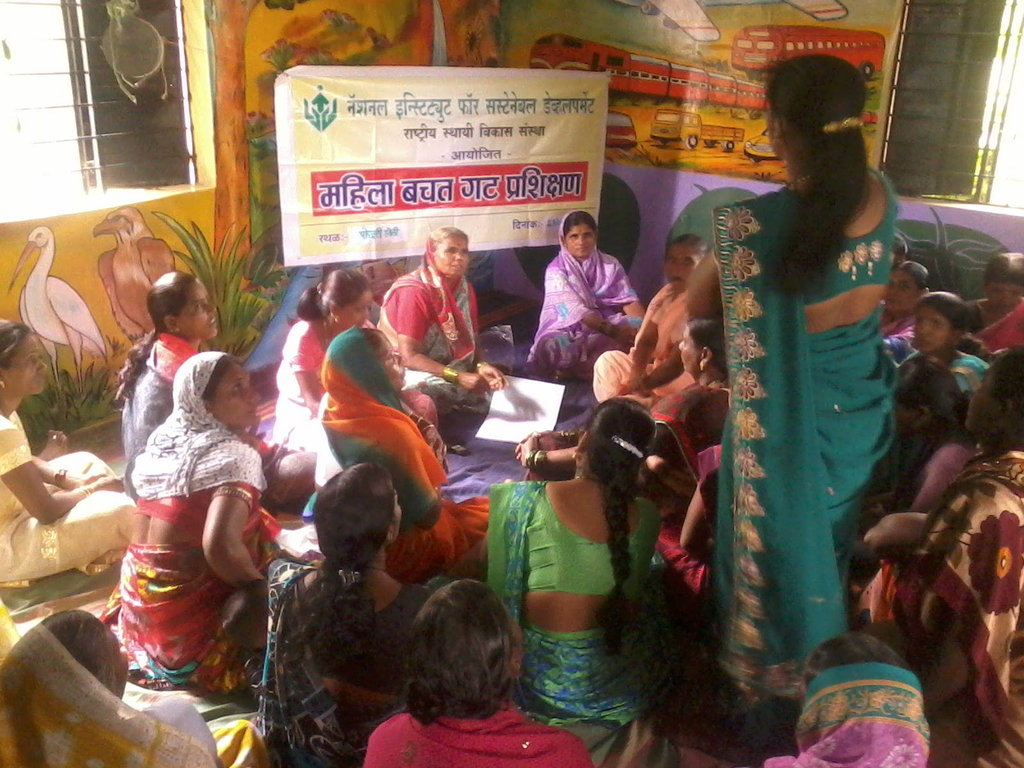
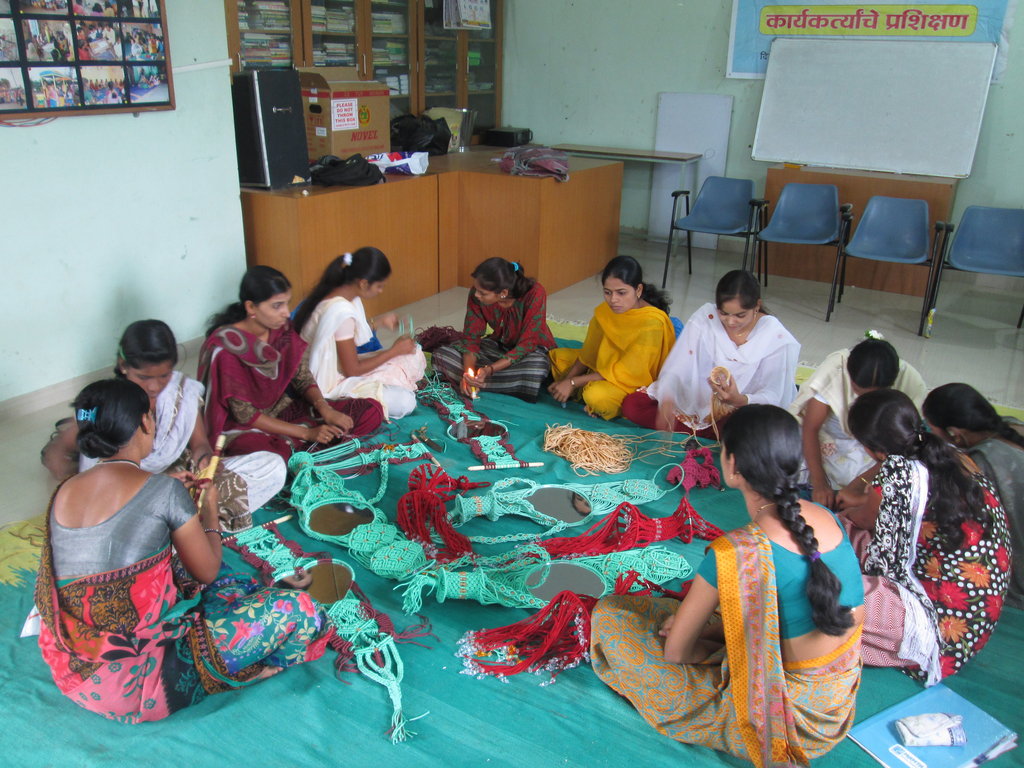
Karuna and our project partners have addressed this issue by giving the communities they work in new skills to gain safe employment. The project leaders run 200 women's Self Help Group's in which members are taught skills to secure better paid alternative employment. Skills learnt include sewing, basic banking and financial skills and running a small business. The self help groups also run a savings and loan scheme for group members. In the last 6 months of the project 144 loans have been given for alternative employment purposes to group members.
With the money gained from the wages earned, families can afford to keep their children out of menial labour and in school.
![]()
![Share on Twitter]()
![Share on Facebook]()
Oct 13, 2014
Photo Update
By Keval Shah | Project Title
Aug 11, 2014
Project Annual Report
By Keval Shah | Project Leader
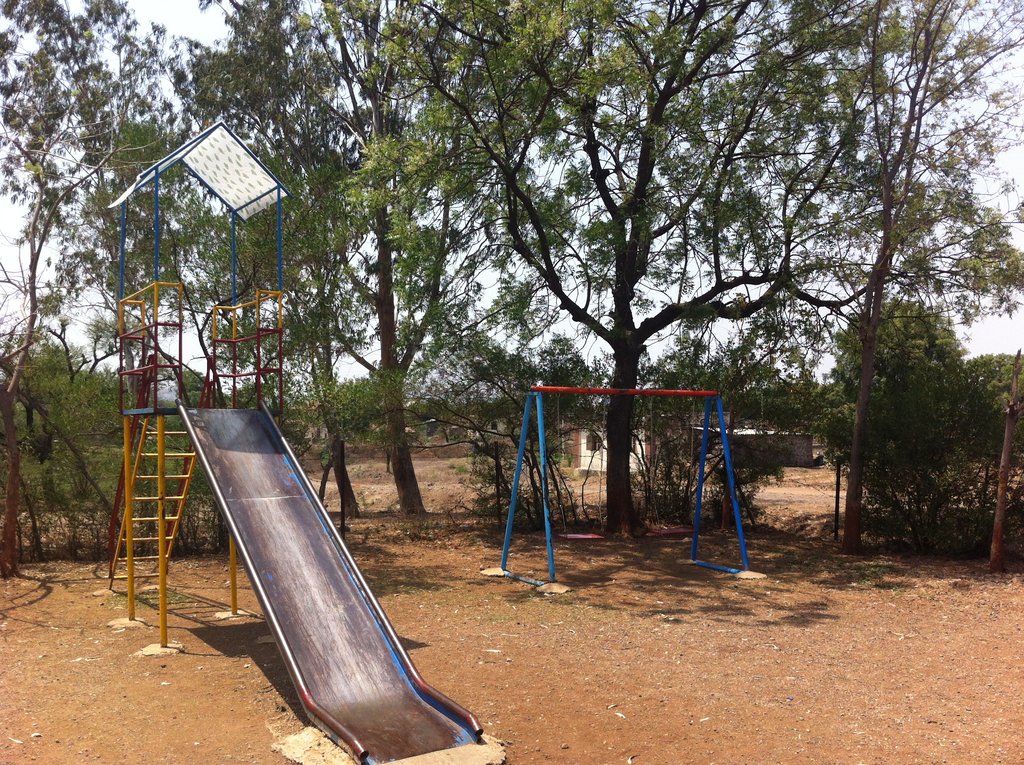
![New Playgrounds in Schools]()
New Playgrounds in Schools
Here is an extract from the last 3 months of activities, and some pictures of what has been done in the schools.
Thanks so much for your continued generosity.
- Increased Enrolment of school age children:
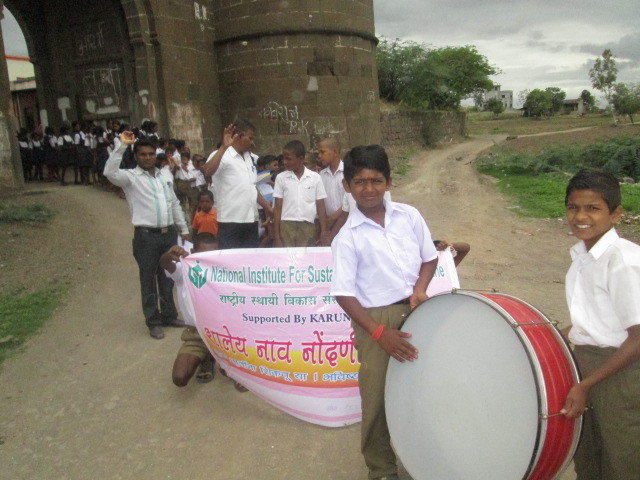
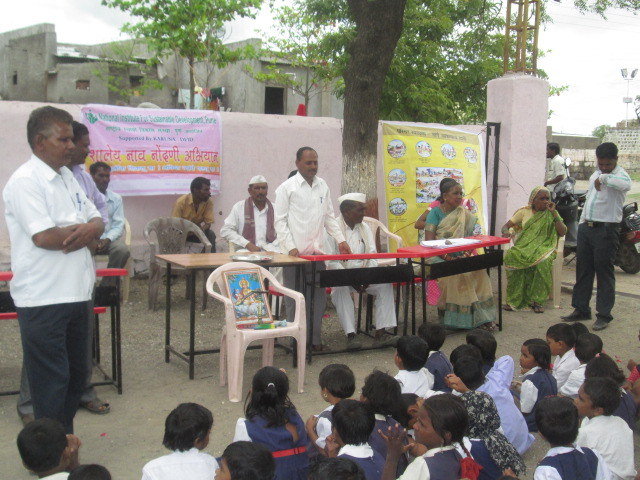
- This year NISD adopted number of ideas while increasing enrolment of the school age children. This year we organised rallies, put catchy phrases on the prominent places, organised street play, exhibited posters and through this program we could reach upto 8550 village people ( male 4701, female 3849).
- NISD collected information of 777 school age children ( 412 male, 365 female) and wrote an appealing letter to their parents requesting them to enrol their child in the school. We also took help of eminent people to encourage villagers to send their children in the school so that all the school going age children will be in school. Not only that we linked this program with the local education department and worked out a detail plan how we can jointly do the “First Day School Program” and what they will do and what NISD will do during the program. This program was very successful as the District Education Officer also attend program in few villages and appreciated NISD’s efforts in this field.
- The biggest thing is that in the first day program, the village SMC members, SHG leaders, local leaders, parents, NISD staff all were present in every village school and welcomed the new children. The SMC and village level people brought some eatables, NISD distributed sweets, caps, balloons, whistle, drawing book, drawing pencils, roses to the new comers. The Govt. distributed books, uniforms etc. This year it was not a school program but it became a village program. Thus NISD succeeded to increase people’s involvement in the program, involved education department that was working earlier lonely. This program received a grand success in every village and the new comers enjoyed their first day in the school differently. This helped to increase their attraction towards schooling. This programme was organised in all 25 villages and 36 Govt. schools.
- During this year for the first standard 365 boys, 332 girls = 697 total enrolled in standard 1st.
Apart from above 697 children, enrolled in first standard, additional 230 children enrolled in other classes i.e. 2nd to 7th standards. Thus total 927 children enrolled in schools.
- Higher Completion Rate at Primary Level:
- Because the efforts taken in the last two years, this year there is lot of awareness among local people and made good use of the same. We conducted survey of poor children of 25 project villages. During this we involved school teacher, SHG members, SMC members, Ministers of Child Parliament and members, NISD staff etc and by making home visits etc. identified 1490 poor children ( 793 boys and 697 girls) who need the educational material. NISD, like earlier year, printed notebooks, stitched school bags, purchased other educational material and when the school started distributed this material by involving local leaders, SMC members, SHG members, Education Officer, Govt. officers and the Block Development Officer. Thus NISD tried to involve all the stakeholders and gave wide publicity to this activity in the project villages. The material like notbooks, geometry boxes, school bags, uniform, slate, etc. are distributed to needy children whose parents otherwise would have found difficulty in buying the same.
- In April to June schools are having summer vacation. NISD made good use of Mobile Library activity and provided books to the village children. 525 children ( 290 boys and 235 girls) made use of this activity and 21 Child Parliament children were actively involved and helped this activity.
- Under Reading Improvement Program, in RIP II 624 slow learners were supported with the skills and this helped in improving their status in school final examination, conducted in April, 2014. 335 boys and 289 girls ( total 624) means all children received good mark. The statistics shows that, out of these 624, earlier no child was in A1 or A2 grade. 337 children ( M-181, F-156) were in B1, 204 (M-106, F-98) were in B-2 grade, 66 ( M39, F-27) in C1 grade and 17 children (M-09, F-08) were in the C-2 grade. After conducting RIP classes the situation is changed drastically. 323 children (M-181, F-156) received A1 grade, 222 (M-119, F-103) passed in A-2 grade, 56 ( M-37, F-19) children are in B-1 grade and 23 children ( M-14 and F-09) received Grade-B-2. There is no child is C grade and that is success of RIP classes.
- NISD has been started survey of additional children, who are behind in their studies and conducted a training program for the RIP teachers to equip them with new skills.
- During this quarter, trainings were organised for members of 14 Child Parliament groups. PRA, village study, social mapping, village mapping, cyclical climatic changes of the village etc. subjects are taught to these children. Total 150 members of Child Parliament groups ( boys 90 and girls 60) took part in these trainings.
- As school were having holiday but the health volunteers helped NISD in school enrolment program by identifying children, visiting their homes and bringing them school on first day program and distribution of material for them. The Education Ministers of Child Parliament groups actively participated in this.
- To improve health and improve positive hygienic practices, NISD organised variety of activities to create awareness among poor families of this area.
- In Hygiene Education Program all school health volunteers created awareness among local people of 25 project villages. 3000 health pamphlets are stick on the doors of 3000 families who have not yet constructed toilets and going for open defecation. Thus in this 3000 families total 11,870 members male 6132 and female 5738 are aware to stop open defecation and construct toilets.
- NISD also organised Street plays, with the help of heath volunteers at common places, organised meetings, exhibited posters, provided information about problems of open defecation etc. In these 31 meetings conducted NISD staff made aware 1827 people ( male 957 and female 870)
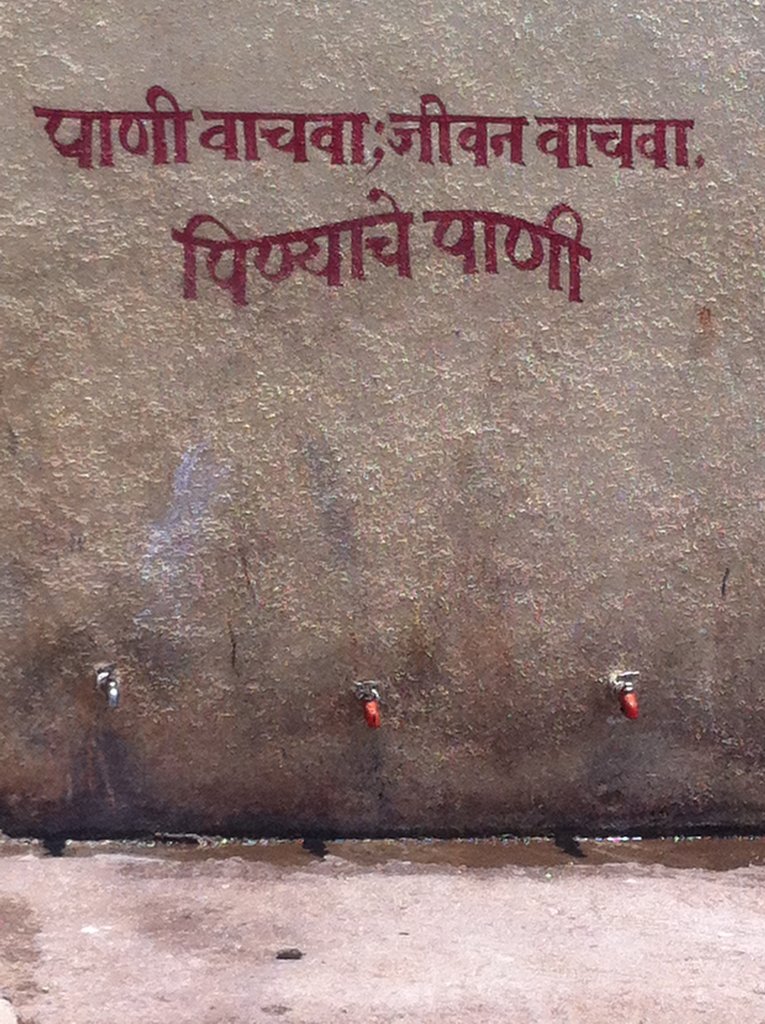
- In every village slogans about health and hygiene are painted on the walls at common places by making use of attractive phrases etc..
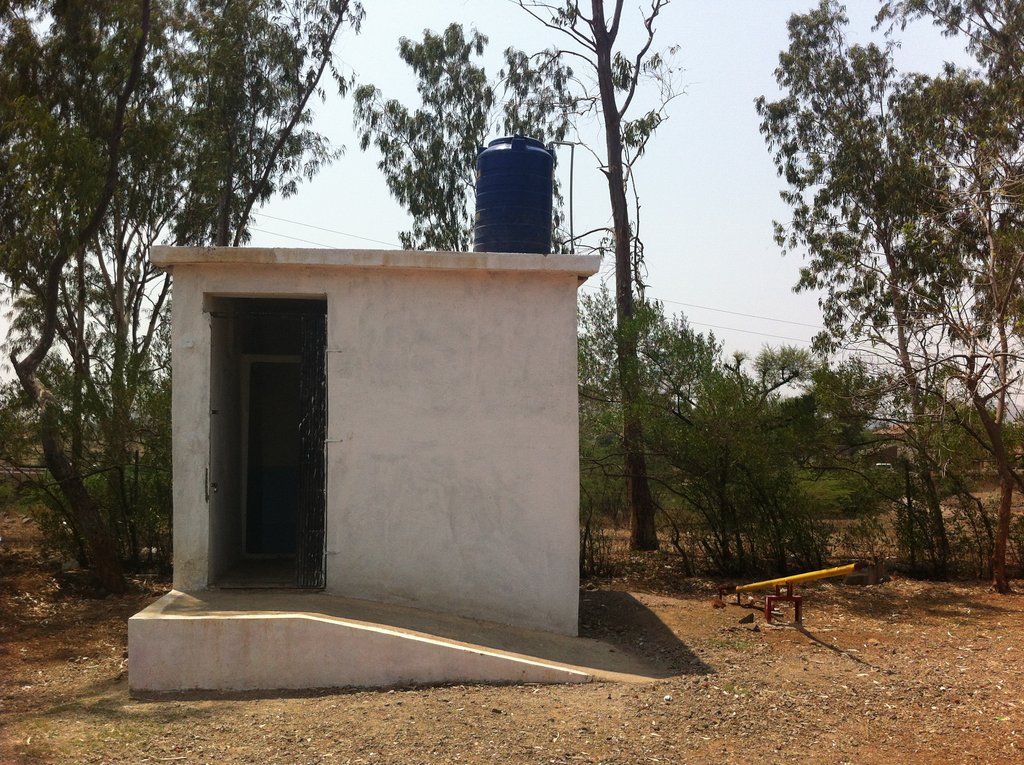
- Under this project, so far, toilet material was distributed to 1996 families. Out of that 1260 toilets are constructed and work of 368 toilet work is in progress. Remaining 368 toilets work will start soon.
- Heath check of pre-school center children was done 546 children ( male 268 and female 278) are screened. Out of this 13 boys and 12 girls ( total 25) refered to specialist doctors by motivating their mothers and follow-up of these children was done on regular basis.
- Improved Livelihoods within the community through youth skill development and women’s self-help groups:
- During this quarter, employable training courses completed/ going on in Sales Promoter, Electrical wireman, Florist ( making garland and flowers buckeye and curtain cushion making , in which 93 youth ( M-58, F-35) took/taking benefits. From this sales promoter course is completed and 6 youth ( M-4, F-2) got employment.
- Earlier we organised tailoring classes from which we identified few youth who are financial/socially backward. We put their proposals to Block Development Department from which 8 youth received sewing machines, under Govt. schemes. As we processed another 13 youths proposal, It is expected that they will also get the benefit shortly.
- 50 uniforms, of the school children, stitched by the youth who took sewing training, under our project earlier and got income out of that.
- 150 school bags are stitched by the youth who had taken training under Karuna-DFID program. Thus efforts are taken to provide income source from the existing project activities.
- Microm course trainees also made 120 different decorative articles and efforts are going on to sale them in the local market.
- During this period, 144 women taken loan for various purposes i.e for goatry/dairy-29, shops-3, tailoring units-2, small business-36 and for agriculture purposes or other work-74. Out of these 144, 142 women received loans from their SHGs or Federation and two from nationalised banks.
- A training program organised, on bank linkages for SHG leaders, jointly with the Block Development Department in which 231 women leader were present. Motivation and information on different business, information on banking procedure and required documentation etc. was done through Bank Managers, Block Development Officer, District Rural Development Officer etc. In this training itself 19 SHGs linked with different banks ( State Bank of India-3, Indian overseas-2, Ahmednagar Dist. Co-operative Bank-6, Union Bank-4, AXIX bank-1, Central Bank-3 groups). This program helped bringing women, Bank Officer and Govt. Officer together, guiding women about banking procedure, establishing better understanding among women and Banks etc.
- Three meetings of SHG federation members were organised and 79 women leaders were present in this program. Emphasis was given on bank linkages, paper work needed, how to build capacity of SHGs, etc. subjects are covered in the meetings.
![New taps in schools]()
New taps in schools
![New toilets in schools]()
New toilets in schools
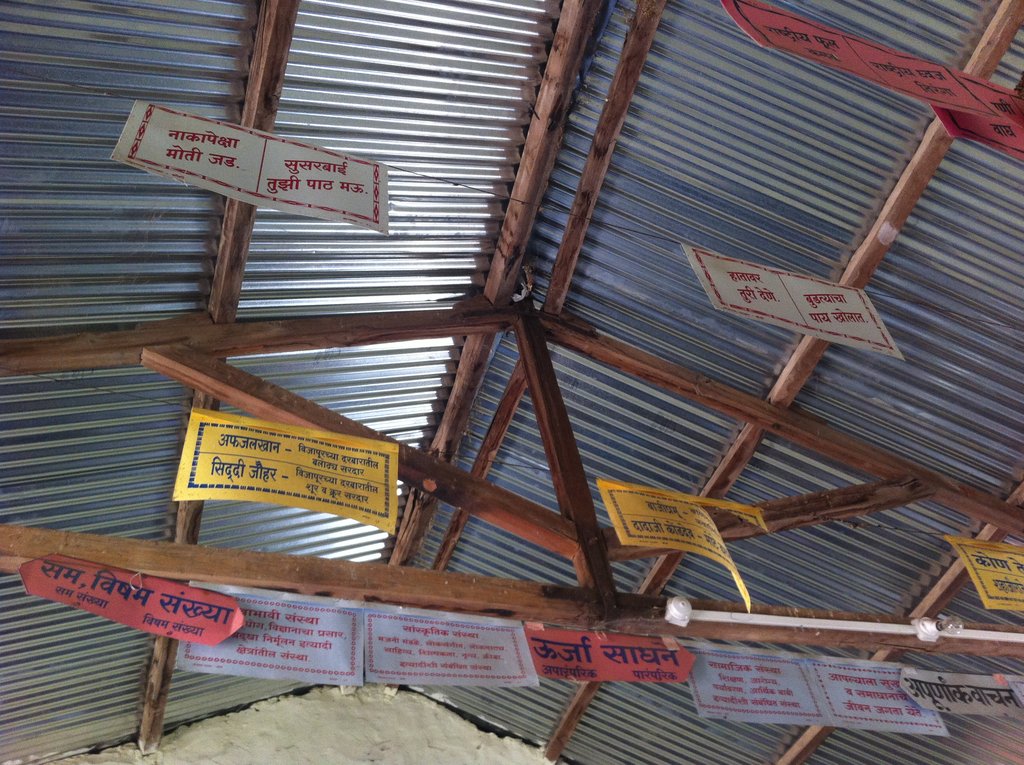
![New roof in a school]()
New roof in a school
![Share on Twitter]()
![Share on Facebook]()