By Jilna Shah | Project Leader
Unicef has acknowledged that caste remains a key factor in illiteracy in India. The following article can be found directly here: http://www.unicef.org/india/children_2359.htm
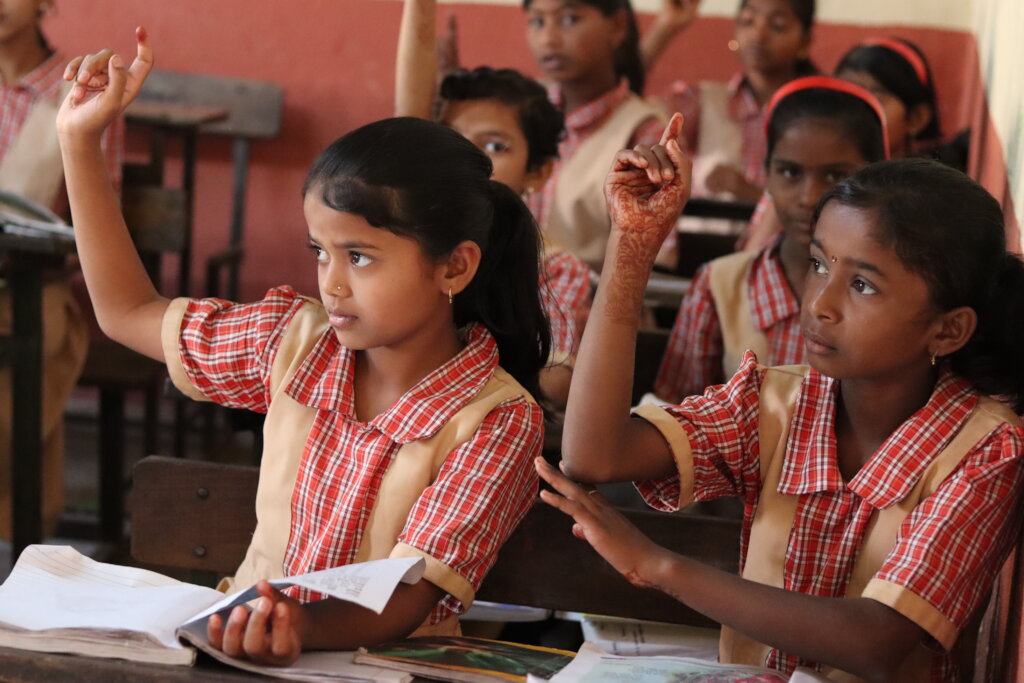
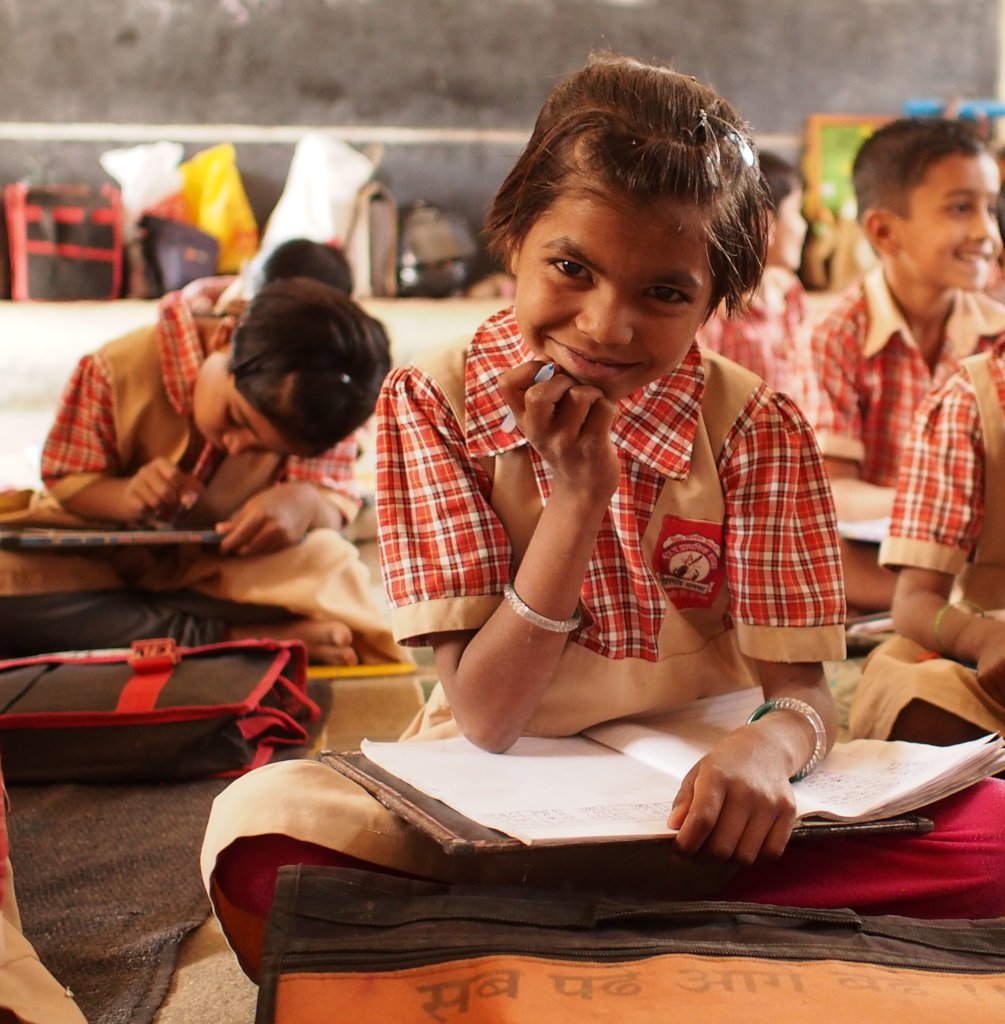
Despite a major improvement in literacy rates during the 1990s, the number of children who are not in school remains high. Gender disparities in education persist: far more girls than boys fail to complete primary school.
The literacy rate jumped from 52 per cent in 1991 to 65 per cent in 2001. The absolute number of non-literates dropped for the first time and gross enrollment in government-run primary schools increased from over 19 million in the 1950s to 114 million by 2001.
90 million females in India are illiterate, but 20 percent of children aged 6 to14 are still not in school and millions of women remain non-literate despite the spurt in female literacy in the 1990s.
Several problems persist: issues of ‘social’ distance – arising out of caste, class and gender differences – deny children equal opportunities. Child labour in some parts of the country and resistance to sending girls to school remain real concerns.
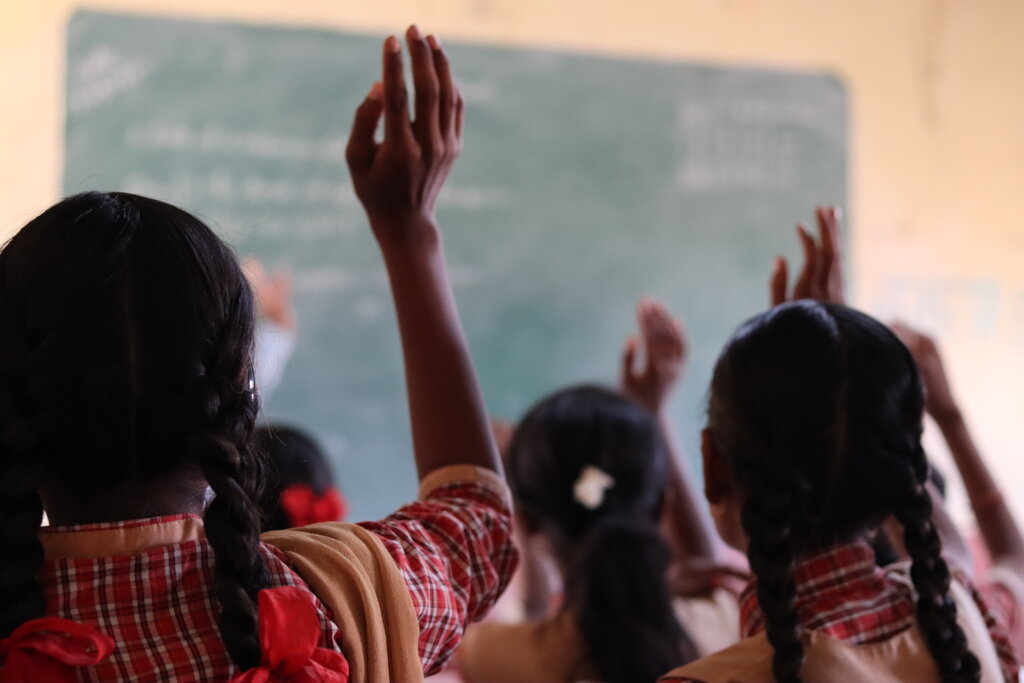
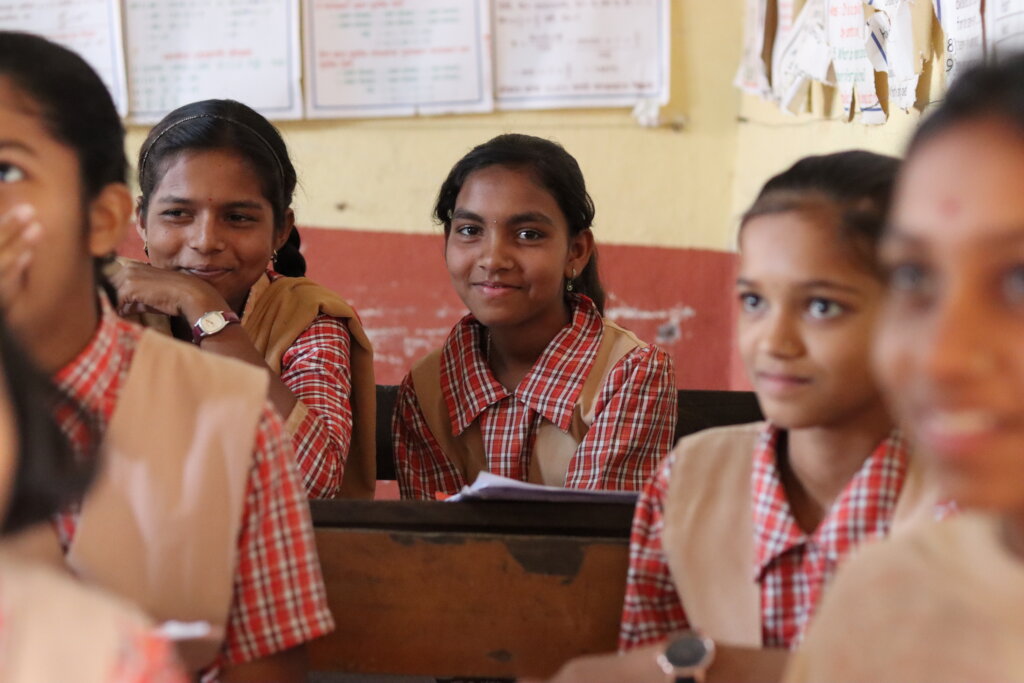
School attendance is improving: more children than ever between the ages of 6 and 14 are attending school across the country. The education system faces a shortage of resources, schools, classrooms and teachers.
There are also concerns relating to teacher training, the quality of the curriculum, assessment of learning achievements and the efficacy of school management. Given the scarcity of quality schools, many children drop out before completing five years of primary education; many of those who stay on learn little.
Girls belonging to marginalized social and economic groups are more likely to drop out of school at an early age.
With one upper primary school for every three primary schools, there are simply not enough upper primary centres even for those children who complete primary school. For girls, especially, access to upper primary centres becomes doubly hard.
Project reports on GlobalGiving are posted directly to globalgiving.org by Project Leaders as they are completed, generally every 3-4 months. To protect the integrity of these documents, GlobalGiving does not alter them; therefore you may find some language or formatting issues.
If you donate to this project or have donated to this project, you can receive an email when this project posts a report. You can also subscribe for reports without donating.



Support this important cause by creating a personalized fundraising page.
Start a Fundraiser