By Sophie Louisa Stephens | Digital Manager
Names have been changed to protect the family’s privacy.
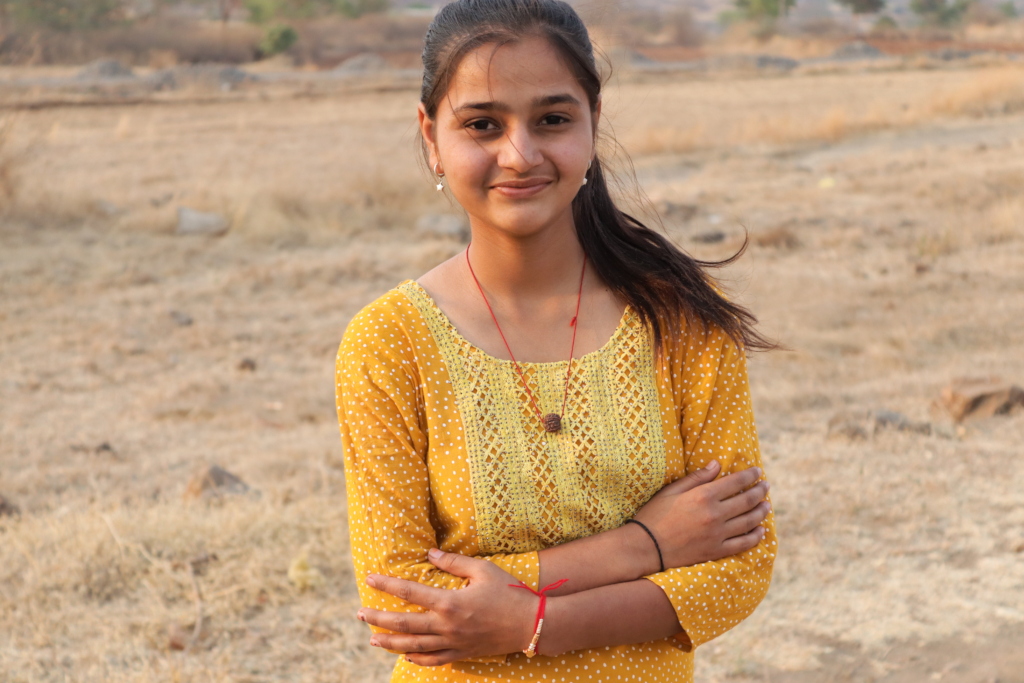
Meera is 18 and grew up in a small hillside village in Maharashtra, where droughts are common. Her family belongs to a Scheduled Tribe community that has long been left out of mainstream development. Her parents farm a small plot of land, but without irrigation the harvest depends on unreliable rain, so they also work as day labourers to make ends meet.
Meera always did well at school. In her community, though, girls are often married young and rarely go on studying. Her mother, Lata, belongs to a women’s self-help group, where she often heard staff from our partner talk about girls’ rights and why education matters. She and her husband wanted Meera to keep learning, but on their income, even high school was hard to manage and college felt out of reach. Meera also had to walk 4 km to school each way, and there was no money for a bicycle.
Our partner helped on several fronts. Lata received a poultry unit, which gave her a steady extra income to put towards her children’s education. Meera was given a bicycle, so she could get to school on time and focus on her studies. She also joined our partner’s computer classes and grew confident using a computer. She did well in her 10th standard exams.
Meera wanted to study computing at a higher level, but neither she nor her parents knew how to apply. Our partner’s staff explained the CET entrance exam and helped her fill in the form. She scored well and won a government-quota place on a computer engineering degree at a college in Maharashtra, with a room in the college hostel. Before she left, her parents asked our partner’s staff to talk with her about the opportunities and challenges ahead, and she started the course feeling confident.
The government covers most of her fees. Lata sends money for her other costs, and she says the income from her poultry business is what makes that possible.
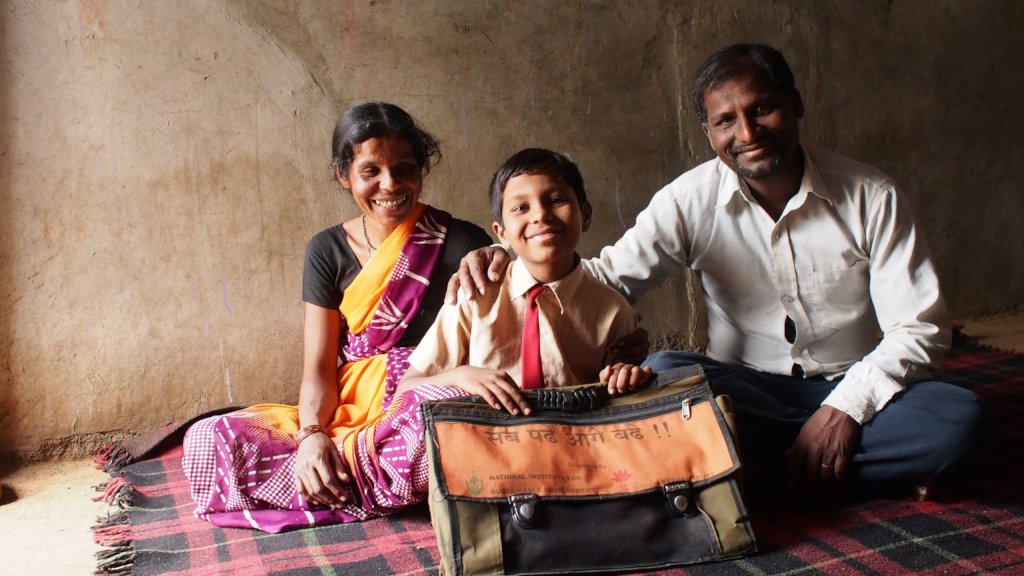
“Meera is the first girl from our community in the village to join a computer engineering degree,” her parents say. “It is a proud moment for us.” They asked us to pass on their thanks to Karuna and our partner for all the support given to Meera and the whole family.
Thank you for being part of Meera’s story.
Project reports on GlobalGiving are posted directly to globalgiving.org by Project Leaders as they are completed, generally every 3-4 months. To protect the integrity of these documents, GlobalGiving does not alter them; therefore you may find some language or formatting issues.
If you donate to this project or have donated to this project, you can receive an email when this project posts a report. You can also subscribe for reports without donating.


Support this important cause by creating a personalized fundraising page.
Start a Fundraiser