Project Report
| Jan 29, 2026
Sustainable Farms for 260 Poor Ugandan Families
Project Status
Funds raised: $0 of $50,000 goal (0%)
- Donors: 0
- Monthly donors: 0
- Campaign status: Active (preparation phase)
Current Situation
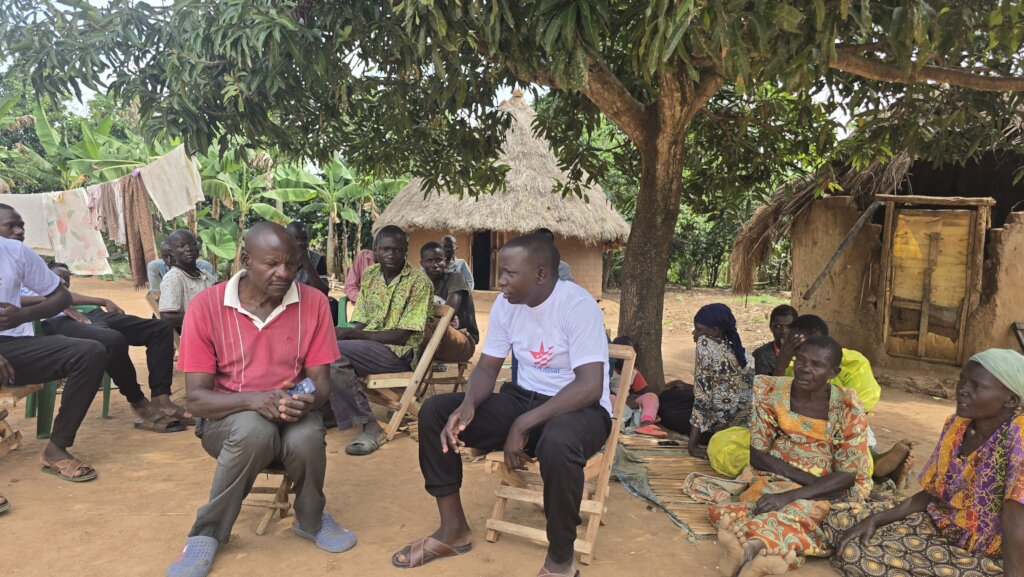
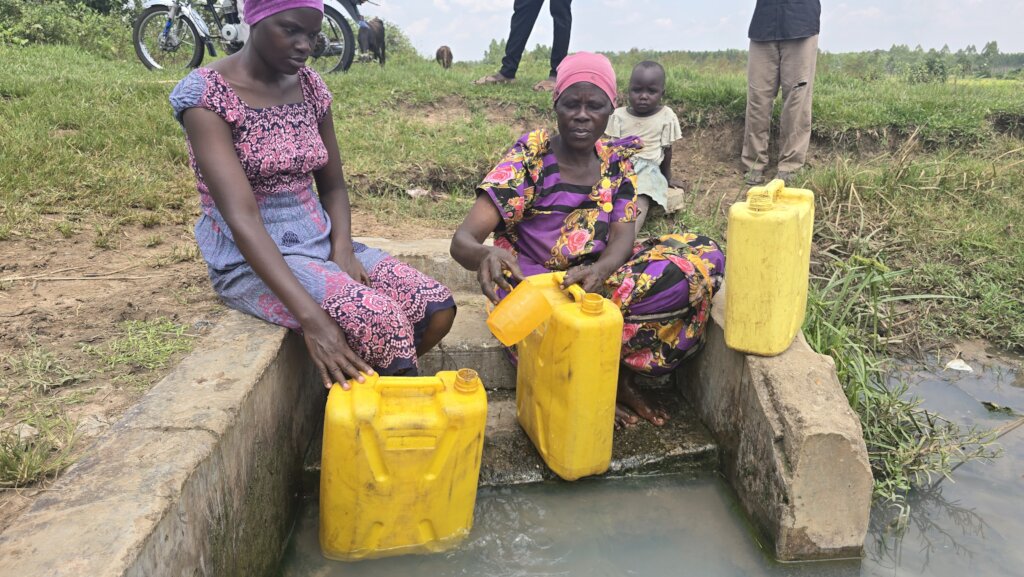
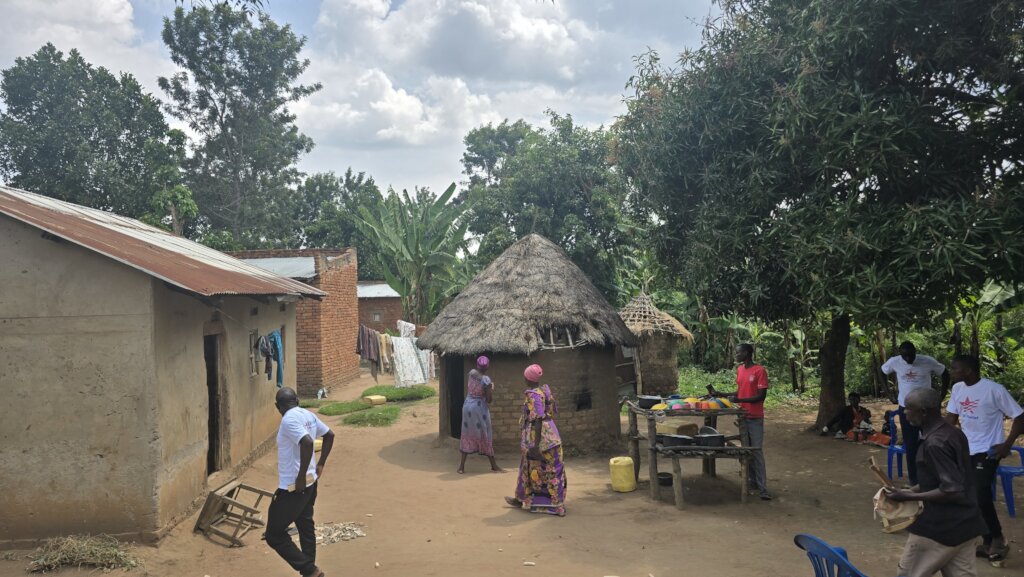
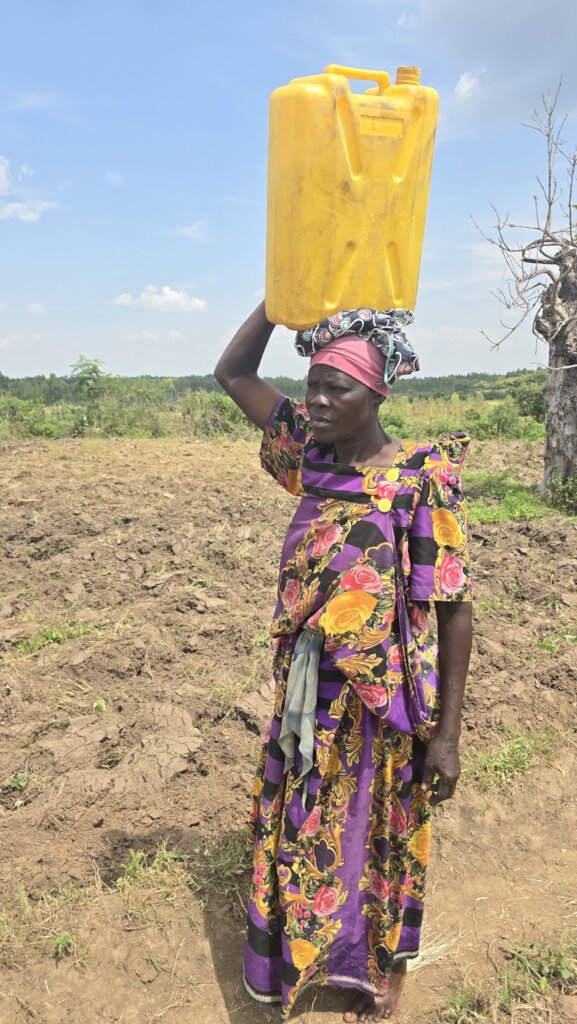
In rural Uganda, many vulnerable families—especially widows, orphans, and low-income households—still have fertile land but lack the inputs and training needed to turn that land into food and income. While hunger persists, fields remain underutilized because families cannot afford improved seeds, fruit seedlings, or livestock, and they often lack modern farming knowledge. This project is designed to convert “vacant land + willing families” into productive, self-reliant farms.
Key Challenges
- No funding yet: $50,000 remaining to begin training and procurement of inputs
- High input costs: Seedlings, improved seeds, and livestock require upfront capital before impact can begin
- Seasonal timing pressure: Agricultural cycles can be missed if funding delays continue
- Vulnerability of beneficiaries: Widows and families with orphaned children are least able to self-finance farm startup costs
- Market opportunity gap: Processing facilities and local markets exist, but families cannot supply them without seedlings and training
Current Activities (Preparation & Readiness)
Although donations have not started yet, we are maintaining readiness so implementation can begin immediately once funding is secured:
- Continued coordination with local partners and community leadership to confirm target communities
- Prepared beneficiary selection approach focused on the most vulnerable households (widows, orphans, extreme poverty)
- Training framework prepared for modern farming practices and “farming as a business” principles
- Procurement planning for fruit seedlings, improved maize/bean seeds, and breeding goats, including sourcing options and logistics planning
Strategic Planning
We recognize that reaching a $50,000 goal requires early momentum and a clear milestone pathway. Current planning includes:
- Strengthening campaign messaging to highlight the income + food security outcomes (not only inputs)
- Building a phased rollout plan so we can launch a pilot as soon as an initial milestone is reached
- Identifying outreach channels and community networks to secure the first 10–25 donors and establish trust
- Preparing a measurement plan to report clearly on training completion, inputs delivered, and farm outputs
Expenditure Plan (When Funding Is Secured)
- Fruit tree seedlings (35%) – mango/orange/pineapple seedlings and distribution support
- Improved seeds (25%) – maize and bean seeds for higher yields and resilience
- Breeding goats (25%) – starter livestock for long-term income generation
- Training & agricultural support (10%) – agricultural officer sessions, follow-up guidance, and materials
- Operations & logistics (5%) – transport, coordination, and local delivery costs
Next Quarter Goals
- Reach a first funding milestone to begin beneficiary confirmation and procurement
- Secure 25+ donors through targeted outreach and trust-building updates
- Launch a preparedness update with clearer milestones (pilot → scale) to improve donor conversion
- Begin a pilot phase as soon as funding allows, followed by a detailed impact report with counts and photos
Impact Potential
- Target: 260 vulnerable households in rural Uganda
- Services: Farming training + fruit seedlings + improved seeds + breeding goats
- Long-term goals: Food security, stable household income, school attendance improvements, widows’ economic independence, and generational impact through long-producing fruit trees and multiplying livestock
Looking Forward
This project is built for lasting change: when families receive the right training and inputs, they can feed themselves, earn income, and build resilience for years—not weeks. While funding has not started yet, our team remains ready to move quickly once support begins, so families can start planting, raising livestock, and stepping out of poverty with dignity.
Every donation helps turn vacant land into a sustainable farm—and hunger into stability.
The American Aid – A A Relief Team
![Share on Twitter]()
![Share on Facebook]()