By Melisa Lindros | Executive Director
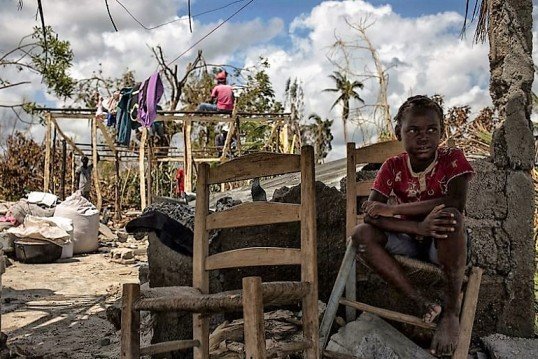
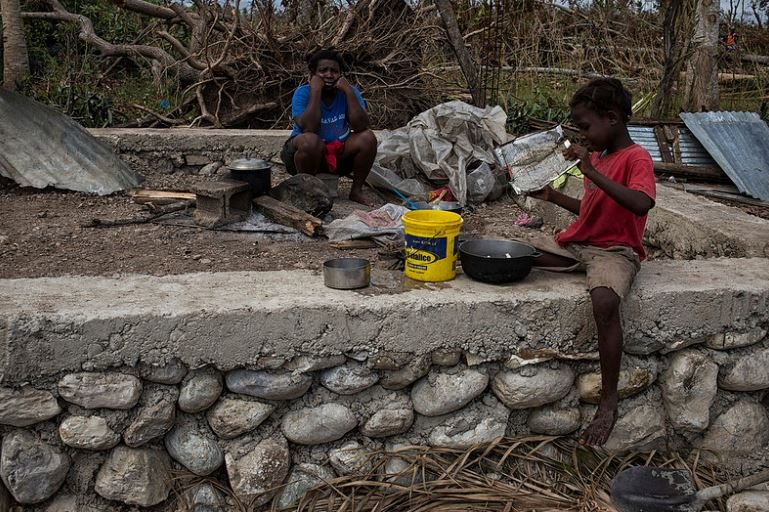
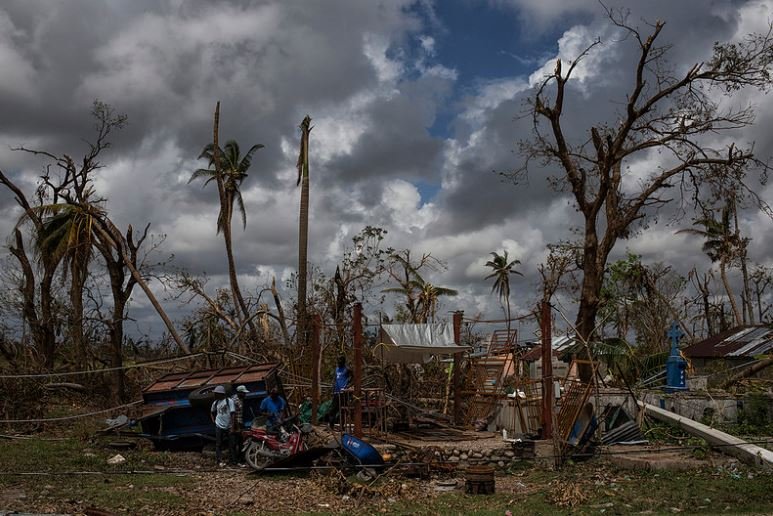
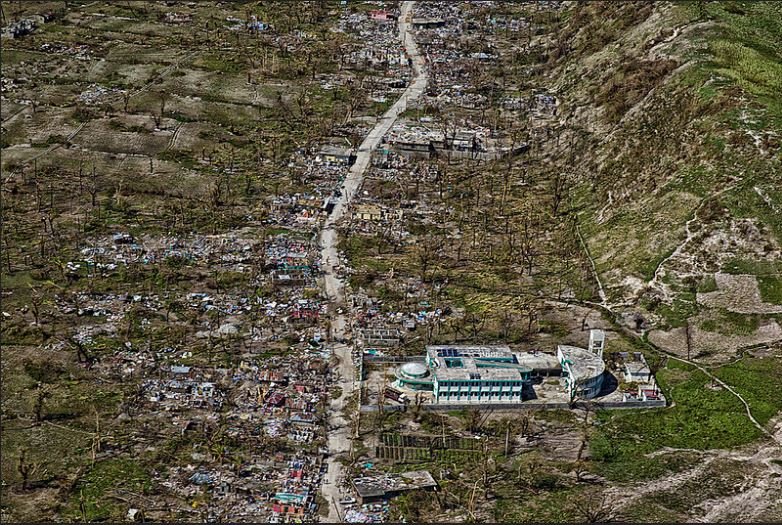
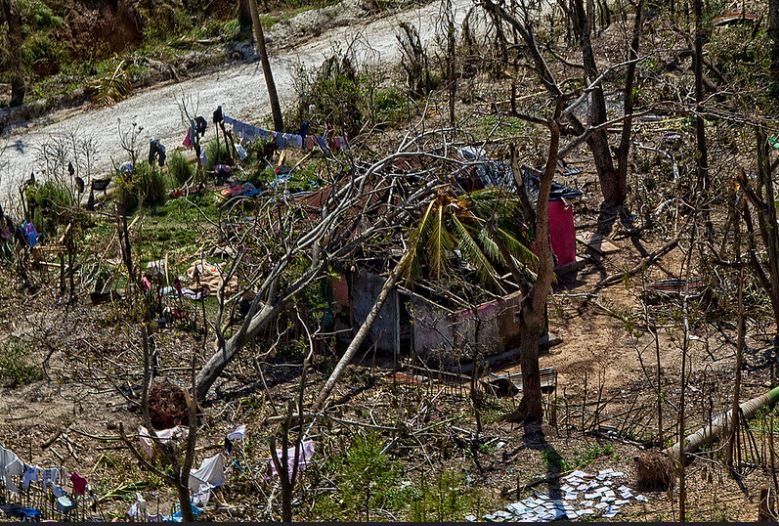
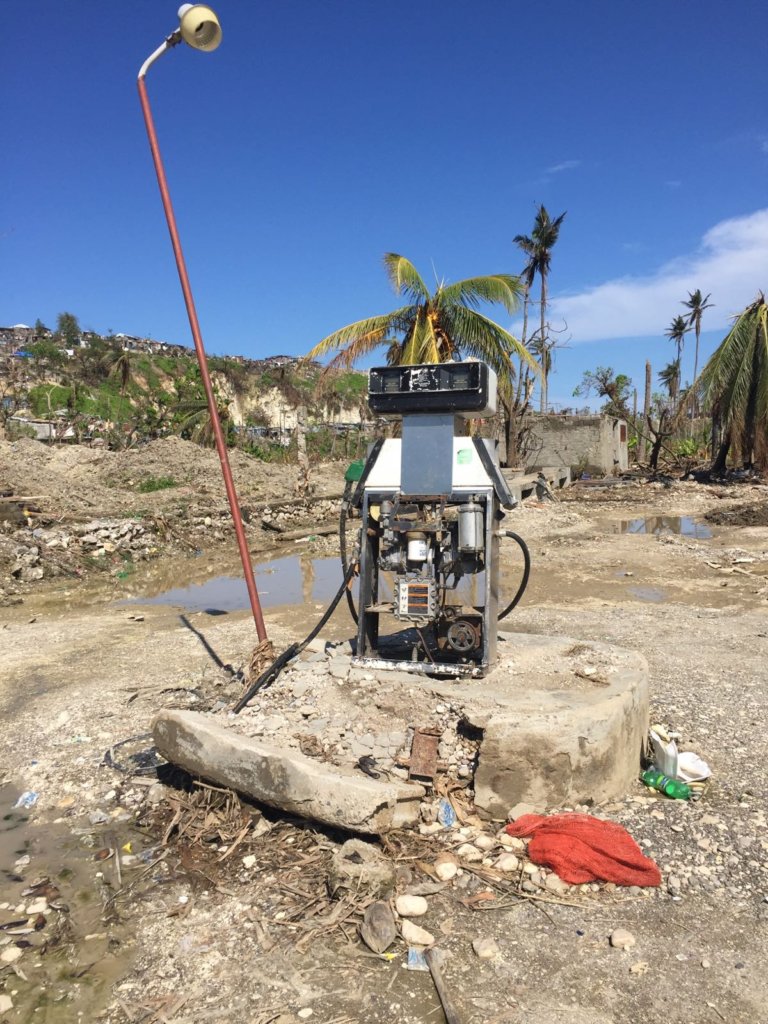
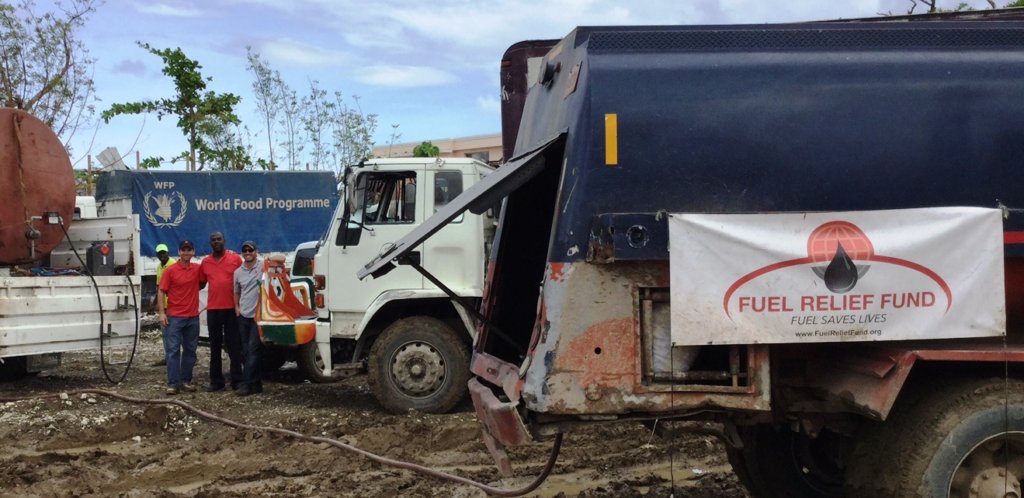
Fuel Relief Fund (FRF) First Response team is on the ground in Haiti, providing fuel to survivors of Hurricane Matthew in Grand Anse, Sud and Les Cayes departments. On 4 October at 0700 local time, Hurricane Matthew drove down on Haiti with unprecedented force. The Category 4 storm lashed the Western tip of the country with 145 mph winds and Golfe de la Gonâve and other areas with more than 8 inches of rain in 24 hours, causing widespread damage, flooding, and displacement.
"I'm 64 years old. I've been a pastor for 41 years," says the church leader NL... "All my life and all my ministry life, I've never seen such a devastating storm." http://n.pr/2fhr3XH
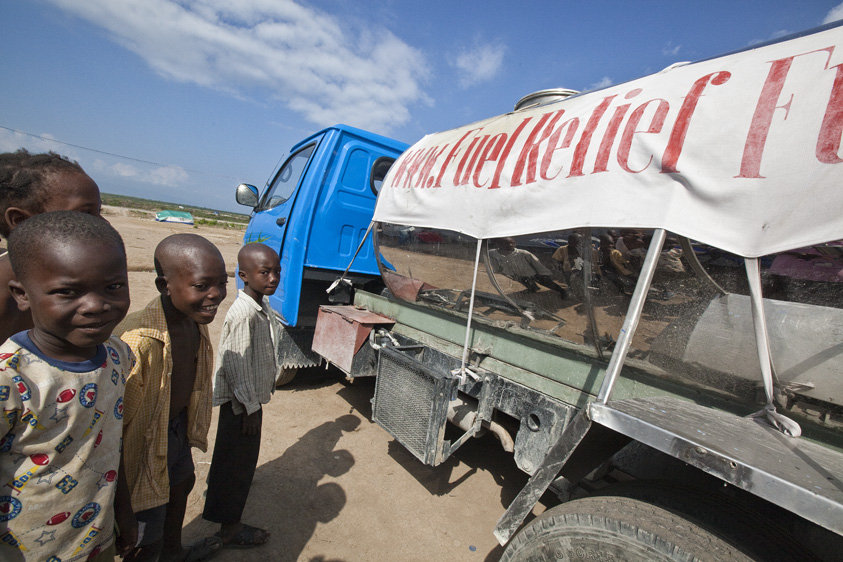
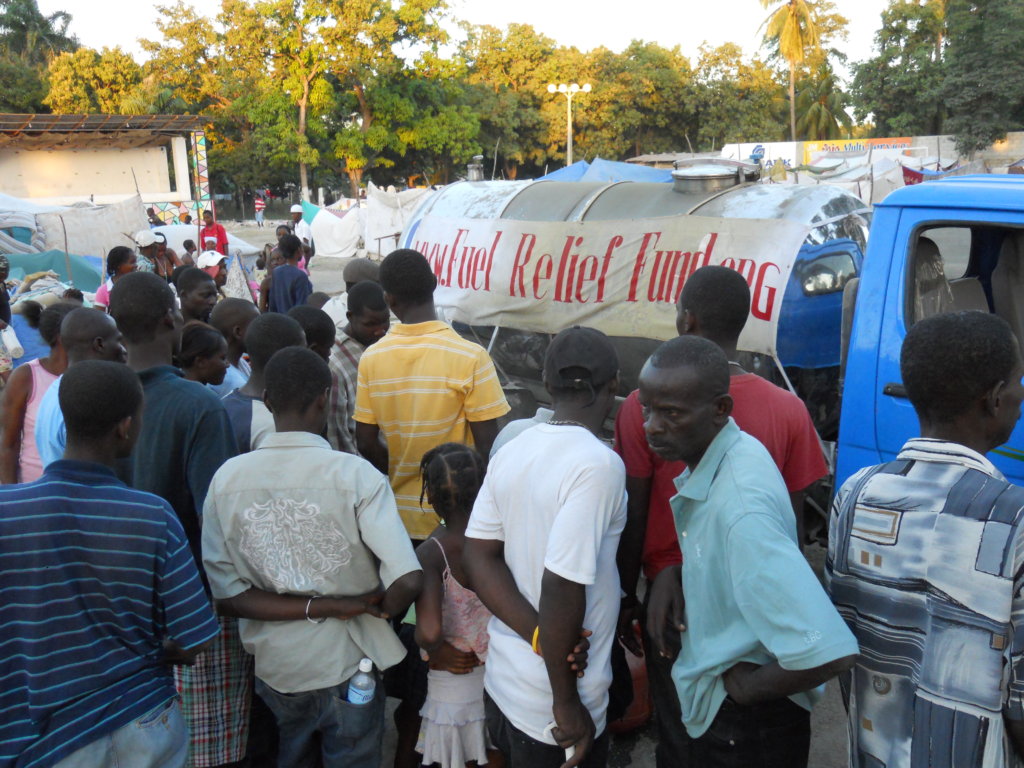
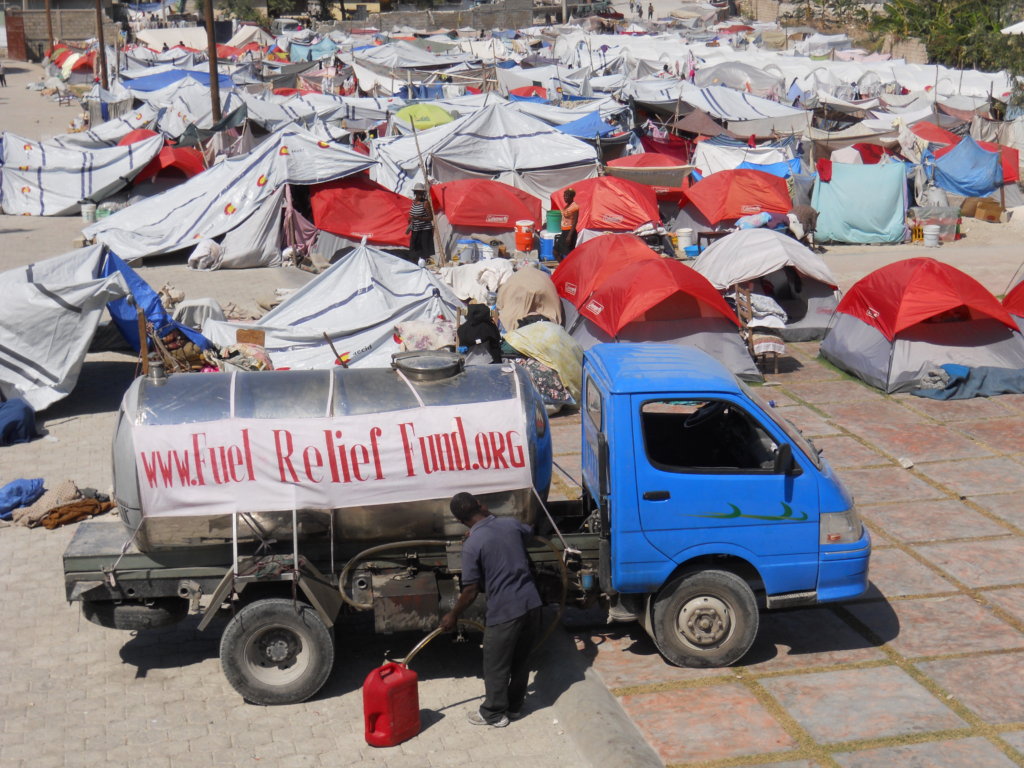
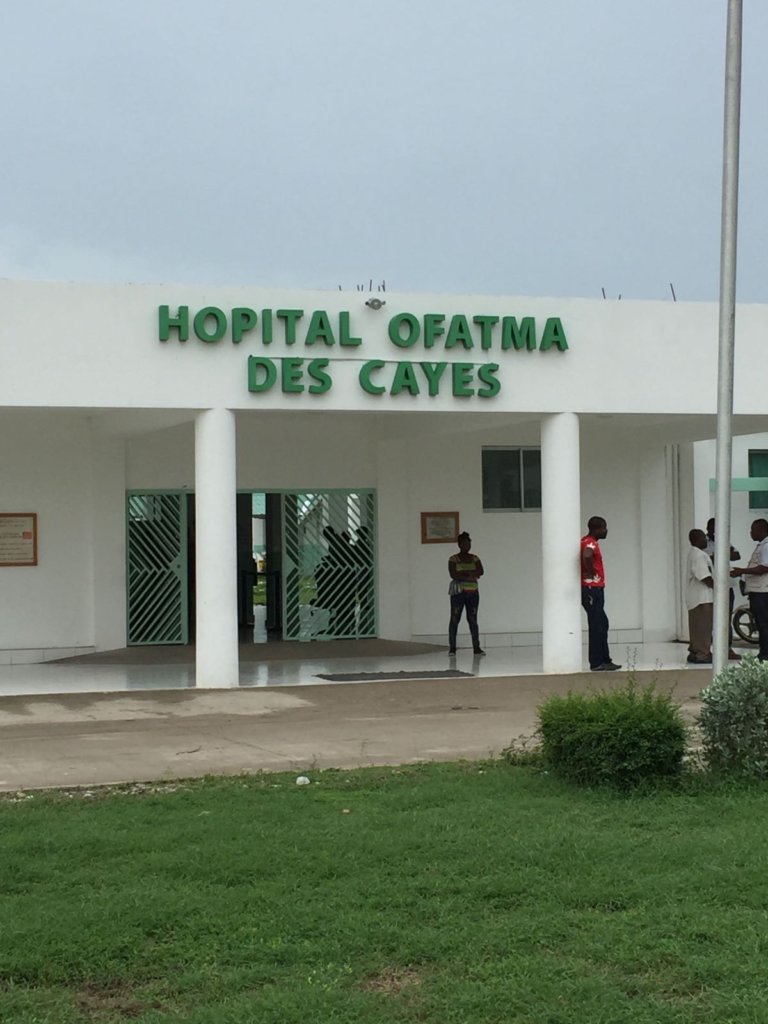
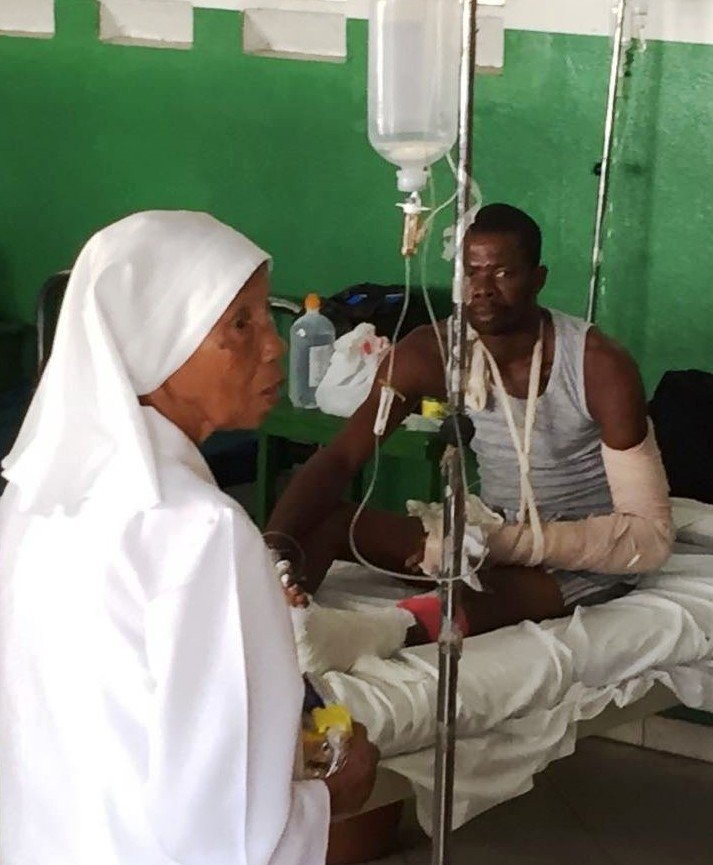
With fuel FRF provided, the church of the Immaculate Conception in Les Cayes, which was destroyed, will have power and light to rebuild. Hospital Lumière was without power in remote Bonne Fin, now has power so doctors and staff can treat patients. The FRF volunteer First Response team is targeting fuel relief to (a) individuals and families in many of the hardest hit areas; (b) first responders and critical community infrastructure (i.e. hospitals and police stations); and (c) relief partners such as the World Food Programme and the Red Cross that reach large numbers of people in need.
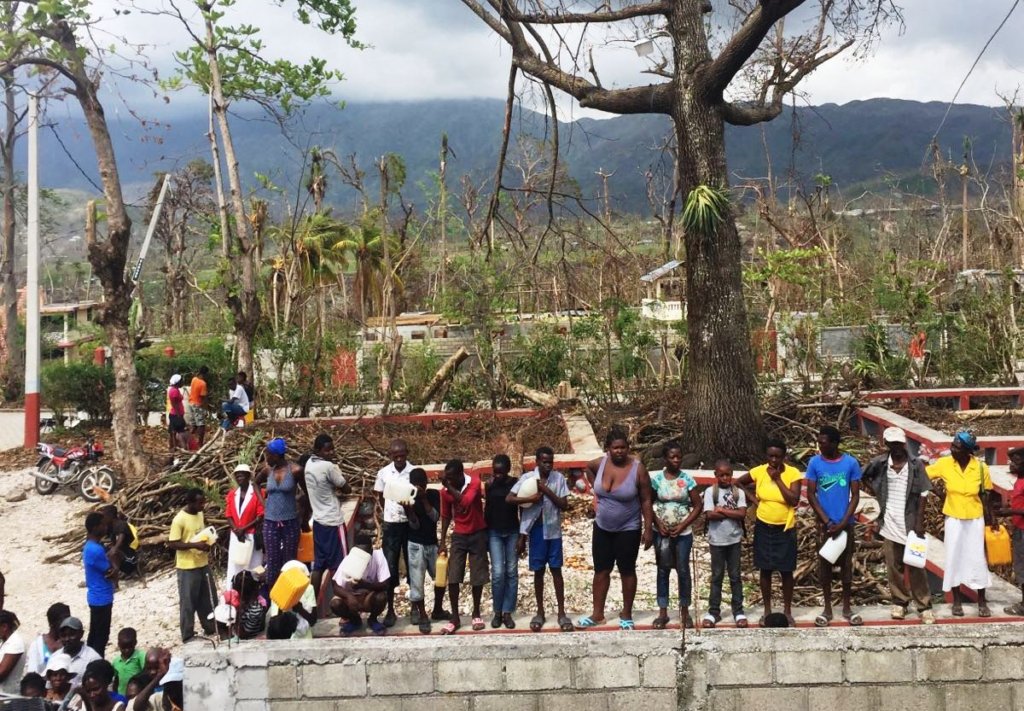
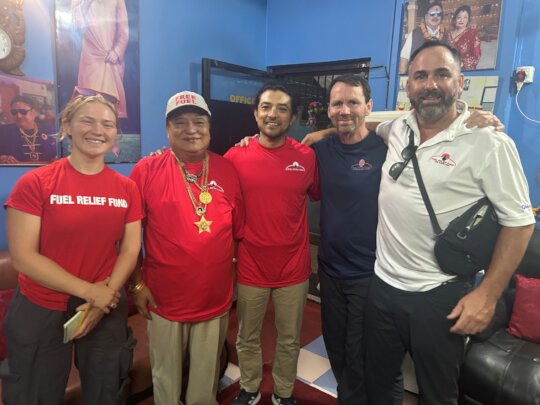
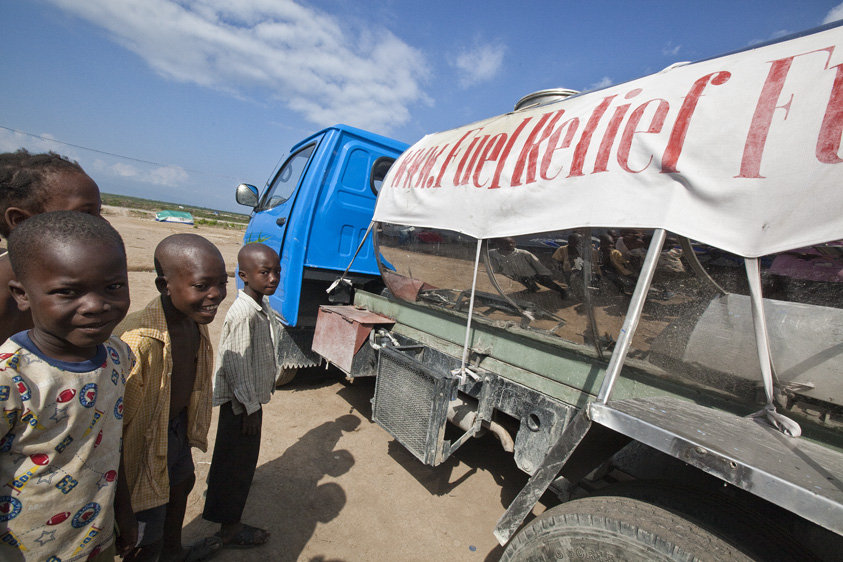
“We have reached communities in remote areas that have not received any aid,” says Ted Honcharik, Fuel Relief Fund’s CEO and First Response Team Leader in Haiti. “Everywhere we go, there is darkness, and the fuel we are providing brings light, and a smile to the faces of people living through their worst moments.” The fuel that FRF provides also enables individuals and families to cook and boil water, a critical means to avoid cholera amidst a growing cholera epidemic in the country.
With roads in the affected areas destroyed or barely passable, electricity and communications virtually nonexistent or limited at best, and few agencies providing aid on the ground, relief operations have been slow and scarce. Even weeks after the storm, messages and pleas for help were trickling in from regions that experienced near total devastation.
Fuel is a crucial lifeline for first responders and critical community infrastructure including hospitals, medical clinics, and police stations. Without a source of fuel, emergency and other crucial services can come to a halt – which is the case in many areas of Grand Anse, Sud and Les Cayes departments where Matthew’s destruction was the worst. In Jeremie, communication was 100% destroyed. The fuel provided by Fuel Relief Fund, with logistical support of Petrogaz Haiti SA, served not only to help save lives, but also as an important catalyst for people to move forward after such massive losses. With fuel, things quickly get moving again.
In Port-au-Prince, Les Cayes and the affected areas, our team met with local administration, our local corporate partner Petrogaz Haiti S.A., representatives of United Nations Office for the Coordination of Humanitarian Affairs (UN OCHA), the World Food Programme (WFP) and international relief partners. An assessment was made using the best available data on local needs for fuel and the current situation on the ground, including security and logistical considerations for fuel transport. A plan was devised to reach outlying areas in three departments, or districts, that had been heavily damaged by the hurricane. This plan was updated in real-time, as results from humanitarian assessments emerged. During the response, emergency requests were made to Fuel Relief Fund to assist humanitarian partners including WFP – showing the scale of need on the ground.
In support of the Government of Haiti’s response efforts, Fuel Relief Fund is focusing on reaching hard-hit and remote areas with fuel relief. Following is a partial list of locations which received fuel donated by Fuel Relief Fund, along with a brief description of the need and usage of the fuel.
location
Name
Quantity of fuel
Description
Grand Anse: Camp Perrin
Guichard Medical Clinic
60 gallons’ diesel
Power generators for emergency medical aid to affected people
Grand Anse: Camp Perrin
Community of Sovo
600 gallons’ kerosene
Fuel for direct use by affected people-light, fuel for cooking & boiling water
Les Cayes: Cité Lumiere
Grand Tabernacle de Simon
600 gallons’ kerosene
Fuel for direct use by affected people-light, fuel for cooking & boiling water
Les Cayes: Cité Lumiere
Cité Lumiere
60 gallons’ diesel
Fuel for direct use by affected people – to power generators for light and charging emergency equipment
Les Cayes: Camp Perrin
Dominican Red Cross
285 gallons’ diesel
Power generators, fuel ambulances/ vehicles for emergency medical aid to affected people
Les Cayes: Camp Perrin
St. Anne’s Church
400 gallons’ kerosene
Fuel for direct use by 500 affected families – for light, fuel for cooking & boiling water
Sud: Duchity
Police Nationale d’Haiti
300 gallons’ diesel
Power generators, fuel vehicles to provide emergency services to affected people
Sud: Duchity
St. Thomas the Apostle Catholic Church
300 gallons’ kerosene
Fuel for direct use by 400 affected families – for light, fuel for cooking & boiling water
Grand Anse: Pestel
St. Joseph Catholic Church
500 gallons’ kerosene
Fuel for direct use by 400 families-light, fuel for cooking & boiling water
Grand Anse: Pestel
St. Joseph Catholic Church
200 gallons’ diesel
Fuel for direct use by affected people – to power generators for light and charging emergency equipment
Grand Anse: Pestel
Health Clinic
110 gallons’ diesel
Power generators for emergency medical aid to affected people
Grand Anse: Pestel
Radio Reference
110 gallons’ diesel
Power generators to provide emergency radio communications at the only radio station in Pestel
Grand Anse: Jérémie
World Food Programme
2000 liters’ diesel
Fuel trucks to deliver emergency relief and food aid to affected people
Fuel Relief Fund is grateful for the assistance of our generous donors and sponsors. With your support, we aim to reach 50,000 people in need, with a total budget of $50,000, of which we have raised 10% as of October 26, 2016.
Project reports on GlobalGiving are posted directly to globalgiving.org by Project Leaders as they are completed, generally every 3-4 months. To protect the integrity of these documents, GlobalGiving does not alter them; therefore you may find some language or formatting issues.
If you donate to this project or have donated to this project, you can receive an email when this project posts a report. You can also subscribe for reports without donating.