By SOIL Visitor | Research Partner
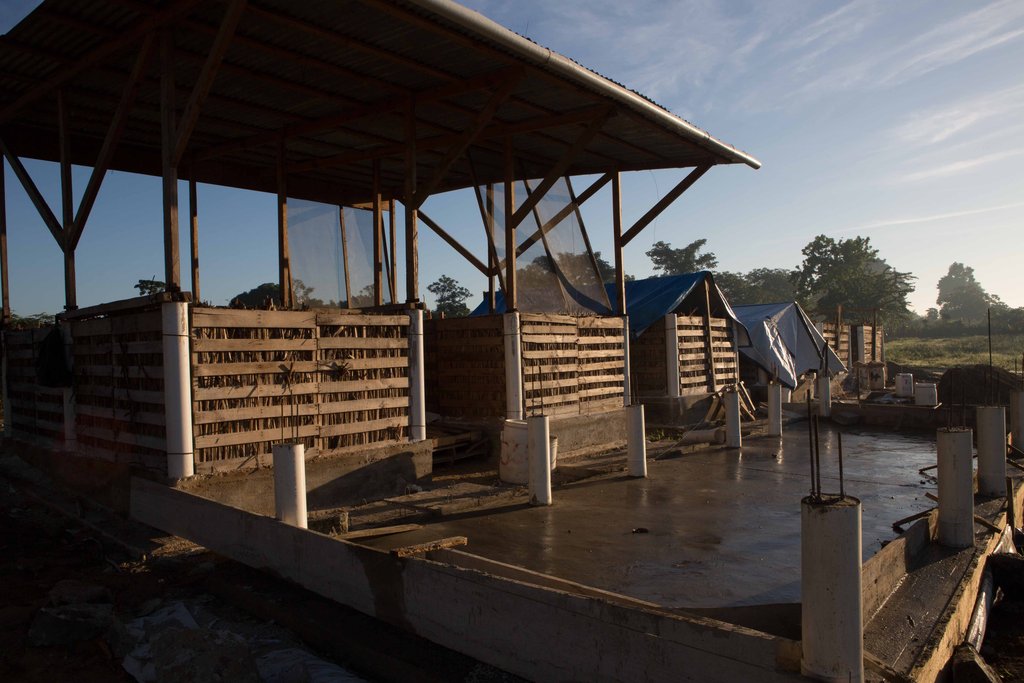
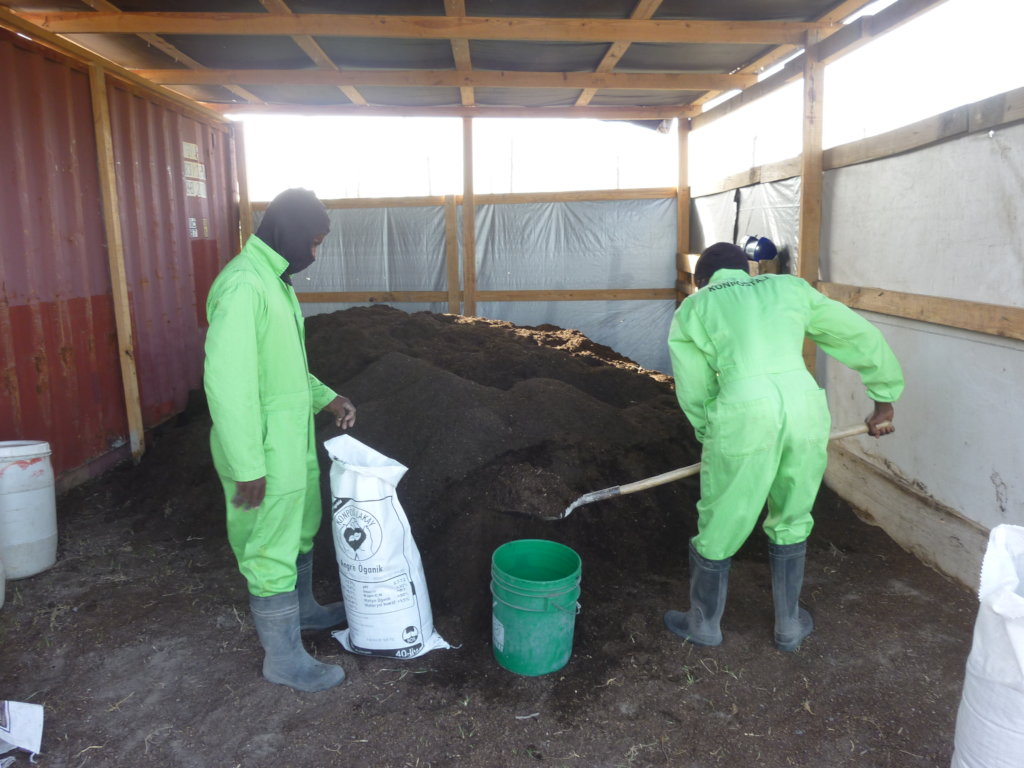
A little over a year ago SOIL collaborated with scientists from the University of California, Merced and the University of Alaska Southeast to install a weather station at our composting facility near the northern city of Cap-Haïtien.
Why a Weather Station?
First, we wanted to see if local weather conditions influence the amount of greenhouse gases that are emitted during the composting process, which has been the primary focus of Becca and Gavin’s research with SOIL. We also wanted to start building a climate record for northern Haiti, a meteorologically dynamic region with sparsely available data.
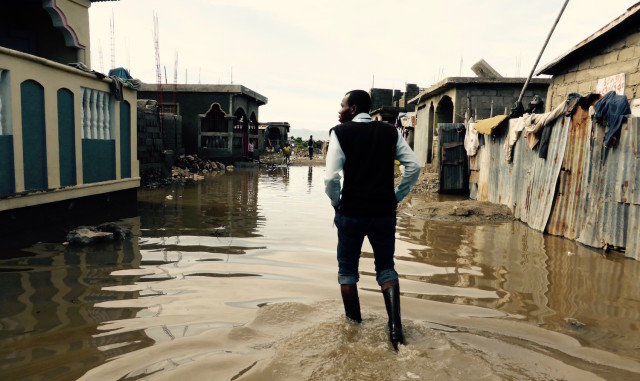
 The weather station captures average conditions as well as the more extreme events and anomalies, which occur far too often in Haiti, one of the most climate-vulnerable countries in the world. Extreme rain events and seasonal drought are expected to become more common without the drastic cuts in carbon emissions that are necessary to curb the impacts of climate change.
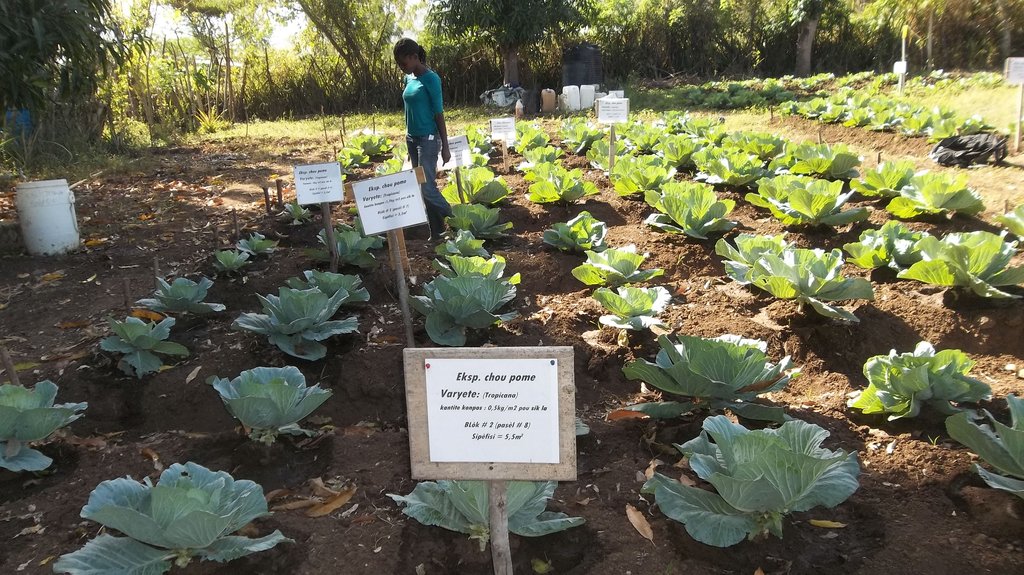
On top of incorporating disaster resilience and preparedness into everything we do, SOIL hopes local farmers can use this precipitation data to precisely time their application SOIL’s compost to help bind topsoil, improve water retention, and build erosion-resistant soils.
Assessing the Impact of Weather on SOIL’s Composting Process
Becca and Gavin have already begun to use this data to look for interactions between local weather conditions and the biogeochemical conditions that affect microbial activity in the compost piles.
SOIL is proud to start building these key weather datasets at our composting site and we plan to continue monitoring local meteorology to build a long-term picture of weather in Haiti. SOIL’s weather data can’t change the path of major storms, but it can capture how storms alter conditions locally along Haiti’s northern coast. Ultimately, this information can help inform how we can build sanitation services that are more resilient to extreme climate events.
Click Here to Explore the Meteorological Data
Project reports on GlobalGiving are posted directly to globalgiving.org by Project Leaders as they are completed, generally every 3-4 months. To protect the integrity of these documents, GlobalGiving does not alter them; therefore you may find some language or formatting issues.
If you donate to this project or have donated to this project, you can receive an email when this project posts a report. You can also subscribe for reports without donating.



Support this important cause by creating a personalized fundraising page.
Start a Fundraiser